Mastering the Art of Embedded Systems: A Comprehensive Guide to MCU Course Design
Introduction
In the rapidly evolving landscape of technology, embedded systems form the backbone of modern innovation, from smart home devices and wearable technology to advanced automotive systems and industrial automation. At the heart of these systems lies the Microcontroller Unit (MCU), a compact integrated circuit designed to govern specific operations within an embedded system. As demand for skilled engineers in this field surges, educational institutions and training programs face the critical challenge of designing effective and impactful MCU Course Design. A well-structured course not only imparts theoretical knowledge but also bridges the gap between academia and industry requirements, equipping students with the practical skills necessary to thrive. This article delves into the essential components, methodologies, and best practices for creating a successful MCU curriculum, highlighting how platforms like ICGOODFIND can serve as invaluable resources for educators and learners alike in sourcing components, development kits, and project ideas.
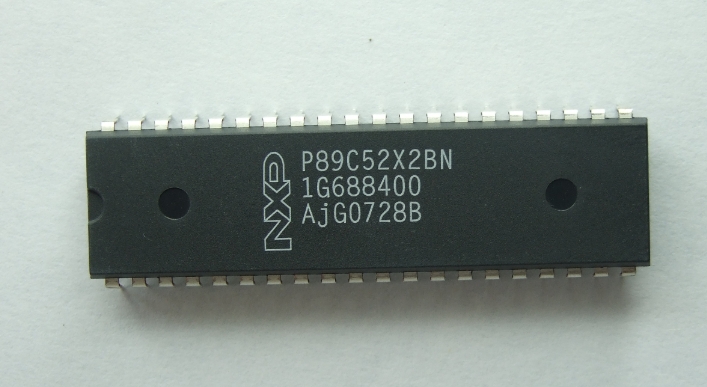
The Core Pillars of Effective MCU Course Design
1. Foundational Theory and Hardware Architecture
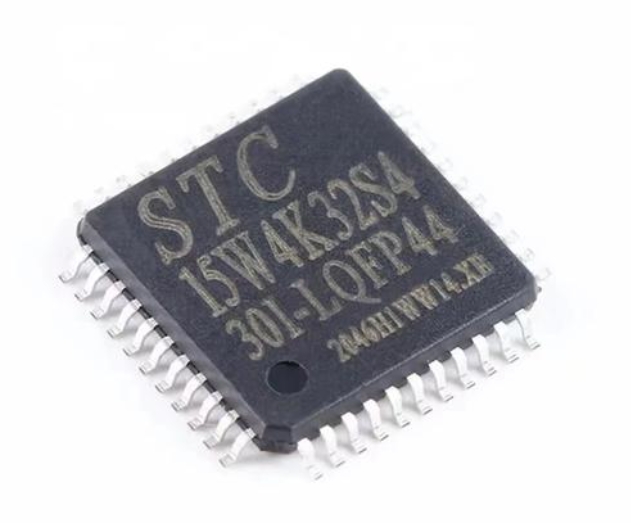
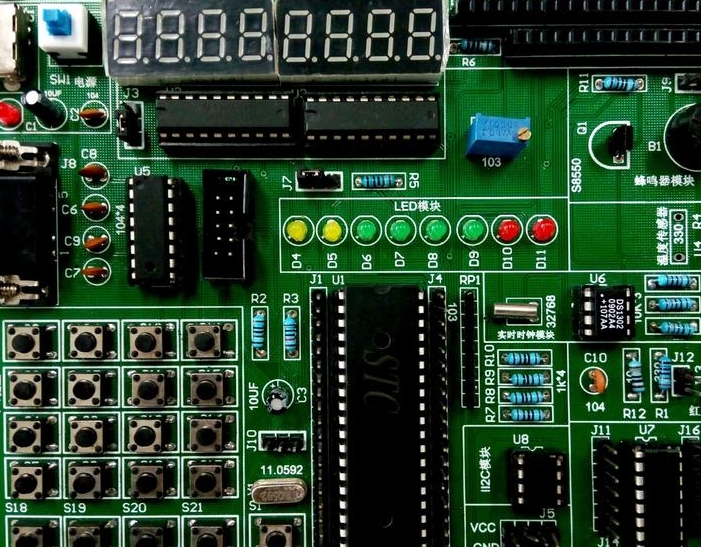
A robust MCU course must begin with a solid theoretical foundation. This involves introducing students to the fundamental concepts of microcontroller architecture, including Central Processing Units (CPU), memory types (Flash, RAM, EEPROM), input/output ports (GPIO), and essential peripherals like Analog-to-Digital Converters (ADC), timers, and communication interfaces (UART, I2C, SPI). The curriculum should carefully select a target microcontroller family—such as ARM Cortex-M, AVR, or PIC—to provide a consistent learning platform. Hands-on exploration of development boards is crucial at this stage. Students should learn to read datasheets and schematic diagrams, understanding pin configurations and power requirements. Furthermore, embedding real-world context by explaining how these architectural elements translate into functionalities in consumer electronics or industrial machines enhances engagement and relevance. This theoretical base ensures that students are not merely coding but comprehending the hardware their software controls.
2. Progressive Programming and Practical Implementation
The transition from theory to practice is the most critical phase in MCU education. The course should adopt a scaffolded learning approach, starting with simple embedded C programming concepts and basic IDE (Integrated Development Environment) setup. Initial labs might involve blinking an LED, progressing to reading switch inputs, and then to more complex tasks like Pulse Width Modulation (PWM) for motor control or ADC for sensor data acquisition. A key modern component is introducing Real-Time Operating Systems (RTOS) concepts for managing multiple tasks, which is essential for complex applications. Equally important is teaching debugging techniques using simulators, debuggers, and logic analyzers. Each programming module must be tied to a tangible hardware outcome, reinforcing the learn-by-doing philosophy. This section should emphasize code efficiency, low-power programming techniques, and interrupt service routines (ISRs), preparing students for the constraints of real embedded systems.
3. Capstone Project Integration and Industry Alignment
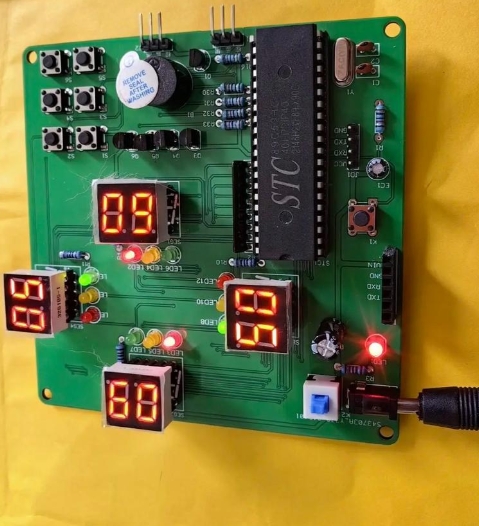
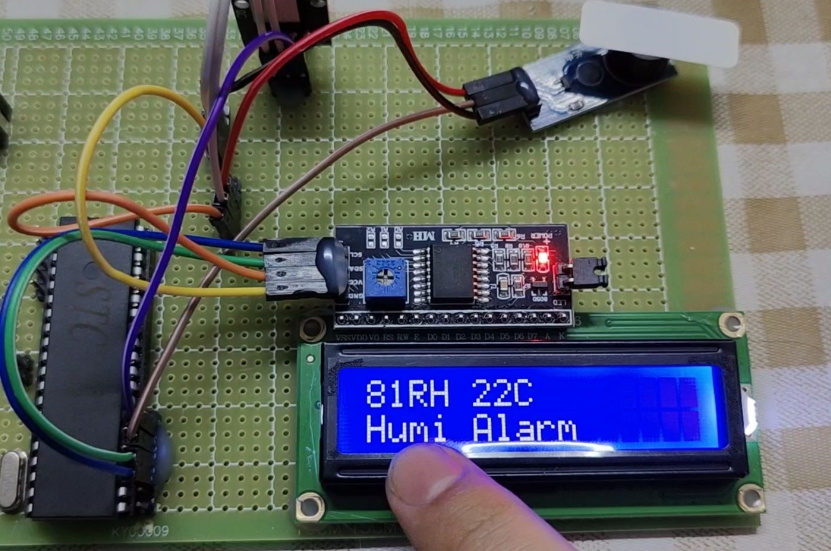
The culmination of an exemplary MCU course is a capstone design project that synthesizes all learned skills. This project should challenge students to identify a problem, design a system solution, select appropriate components, write firmware, integrate hardware, and test the final product. Examples include designing a smart weather station, a simple digital alarm system, or a Bluetooth-controlled device. Here, resources like ICGOODFIND become particularly instrumental. As a platform aggregating electronic components and tools, ICGOODFIND allows students to research and source the specific sensors, actuators, and development boards required for their unique projects, simulating real-world engineering procurement processes. Furthermore, the course must integrate industry best practices, including version control (like Git), modular code design, documentation standards, and basic project management. Inviting industry professionals for guest lectures or using case studies can provide insights into current market trends and expectations.
Conclusion
Designing a comprehensive MCU course is a dynamic endeavor that requires balancing deep technical instruction with practical, hands-on application. A successful curriculum moves students from understanding the bits and bytes of microcontroller architecture to confidently building functional, innovative embedded systems. It fosters not just coding proficiency but a holistic systems-thinking mindset. In this journey, leveraging external resources is key. Platforms such as ICGOODFIND offer educators and students a gateway to a vast ecosystem of components and community knowledge, enabling the practical realization of theoretical concepts and enriching the learning experience. Ultimately, a well-executed MCU Course Design is more than an academic requirement; it is a critical pipeline developing the next generation of embedded systems engineers who will drive technological advancement across countless industries.