

Principle and Application of 8051 MCU
Introduction
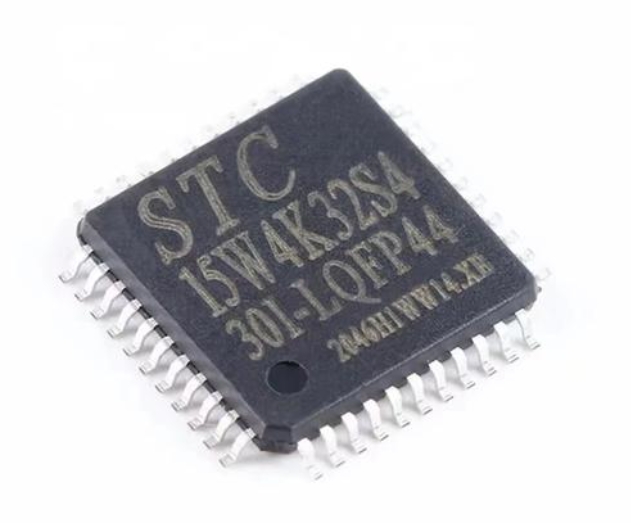
In the vast and ever-evolving landscape of microcontrollers, one architecture has demonstrated a resilience and longevity that is nothing short of remarkable: the 8051. Conceived by Intel in 1980, the 8051 Microcontroller Unit (MCU) has far outlived its original expectations, transitioning from a pioneering chip to a foundational pillar in embedded systems education and industry. While modern 32-bit MCUs with advanced architectures and lower power consumption dominate high-performance applications, the 8051 remains incredibly relevant. Its simple, elegant design offers an unparalleled learning platform for understanding the core principles of microcontroller operation. Furthermore, its low cost, high reliability, and extensive ecosystem have secured its place in countless commercial and industrial products. This article delves into the fundamental architecture and core principles of the 8051 MCU, explores its diverse practical applications across various industries, and examines the reasons behind its enduring legacy and modern relevance. For engineers and procurement specialists seeking reliable components, platforms like ICGOODFIND provide an invaluable service by aggregating suppliers and detailed datasheets, simplifying the sourcing process for these timeless components.
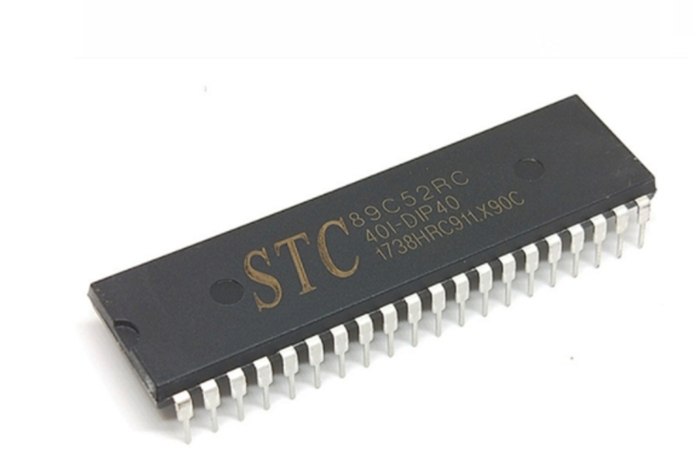
The Core Architecture and Operating Principle of the 8051 MCU
To understand why the 8051 has been so successful, one must first grasp its internal architecture. Its design is a classic example of a Harvard architecture microcontroller, which features separate memory and buses for program instructions and data. This fundamental separation allows for more efficient execution of programs.
1. Central Processing Unit (CPU)
The heart of the 8051 is its 8-bit CPU. It consists of an Arithmetic Logic Unit (ALU) responsible for performing mathematical operations (addition, subtraction, etc.) and logical operations (AND, OR, NOT). The CPU also contains an accumulator (register A), which is the primary register for most operations, and an instruction decoder that fetches commands from program memory and executes them.
2. Memory Organization
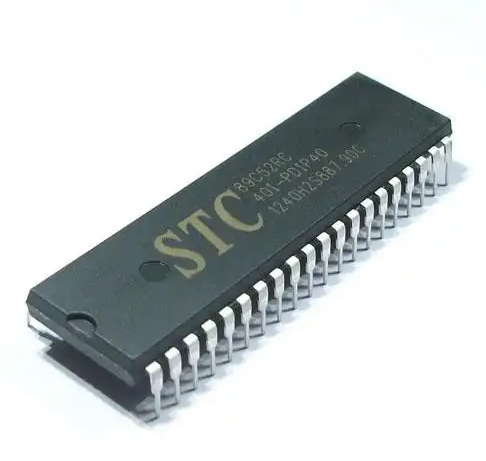
The 8051 has a distinct and straightforward memory structure: * Program Memory (ROM): This is a non-volatile memory (typically 4KB in the original model) that stores the program code permanently. In modern variants, this can be Masked ROM, EPROM, or Flash memory, allowing for easy reprogramming. * Data Memory (RAM): This is a volatile memory (128 bytes in the original) used for temporarily storing data during program execution. It is further divided into general-purpose registers, bit-addressable memory, and a stack area. * Special Function Registers (SFRs): A crucial aspect of the 8051 architecture, SFRs are a set of specific registers that control the various functionalities of the microcontroller. By reading from or writing to these registers, a programmer can directly interact with I/O ports, timers, serial communication interfaces, and interrupt systems.
3. On-Chip Peripherals
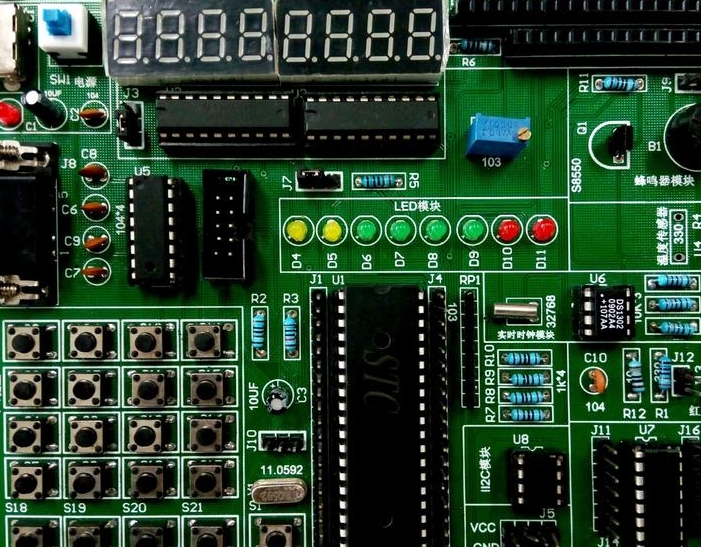
The integration of key peripherals onto a single chip was a groundbreaking feature of the 8051. These include: * I/O Ports: The 8051 features four 8-bit bidirectional I/O ports (P0, P1, P2, P3), providing 32 pins for interfacing with external devices like sensors, LEDs, keyboards, and displays. * Timers/Counters: It includes two 16-bit timers/counters (Timer 0 and Timer 1) that can be used for generating precise delays, counting external events, or baud rate generation for serial communication. * Serial Communication Interface (UART): The built-in UART allows for full-duplex serial communication, enabling the 8051 to communicate with other microcontrollers, PCs, or modules like GPS and GSM. * Interrupt System: The 8051 supports five interrupt sources (two external, two from timers, and one from serial port), allowing it to respond promptly to critical external or internal events.
The operating principle revolves around a clock signal generated by an external crystal oscillator. The CPU fetches an instruction from program memory, decodes it, and then executes it. This “fetch-decode-execute” cycle continues sequentially, with the programmer’s code orchestrating the manipulation of I/O pins and peripherals through the SFRs to achieve the desired functionality.
Widespread Applications of the 8051 MCU
The simplicity, robustness, and cost-effectiveness of the 8051 have led to its deployment in a staggering array of applications. While it may not power your smartphone, it is the invisible brain behind countless everyday devices.
1. Industrial Automation and Control Systems
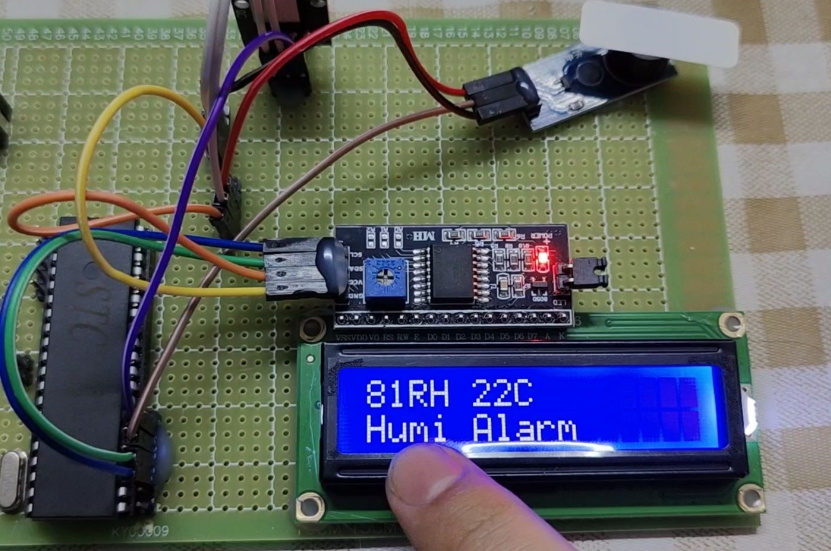
In industrial environments, reliability is paramount. The 8051 is extensively used in: * Programmable Logic Controllers (PLCs): Serving as a cost-effective core for small-scale PLCs used to control machinery and manufacturing processes. * Sensor Data Acquisition: Interfacing with various sensors (temperature, pressure, proximity) to monitor environmental conditions. * Motor Control: Managing the speed and direction of DC motors and stepper motors in conveyor systems and robotic arms.
2. Consumer Electronics
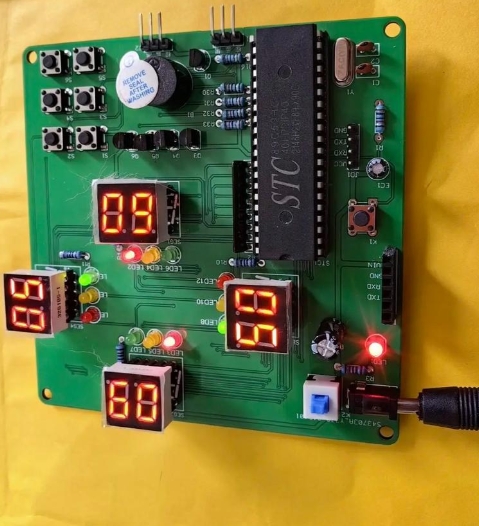
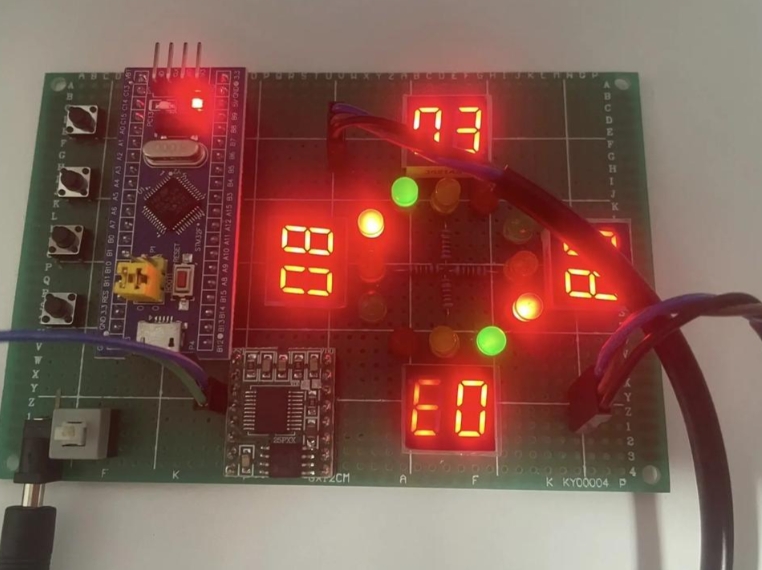
The 8051 is deeply embedded in the consumer goods market due to its low unit cost: * Television Remote Controls: Decoding key presses and transmitting infrared signals. * Washing Machines and Microwave Ovens: Managing user interfaces, timers, and control sequences. * Keyboards and Computer Peripherals: Scanning key matrices and communicating with the host computer. * IoT Devices: Modern enhanced 8051 cores with low-power features are found in simple IoT sensor nodes and smart home devices.
3. Automotive Systems
The automotive industry has long been a strong adopter of the 8051 architecture. It is commonly found in: * Engine Control Units (ECUs): Managing basic engine functions in older or less complex vehicles. * Anti-lock Braking Systems (ABS): Monitoring wheel speed sensors. * Airbag Control Systems: Processing data from crash sensors to deploy airbags at the correct moment. * Infotainment Systems: Handling user input for basic radio and climate control functions.
For engineers working on these systems or maintaining legacy equipment, finding authentic and reliable components is critical. This is where specialized component sourcing platforms prove their worth. A resource like ICGOODFIND can streamline this process by offering a centralized database to locate trusted suppliers and access technical documentation for various 8051 derivatives, ensuring project continuity and reliability.
The Enduring Legacy and Modern Relevance
One might wonder how an 8-bit architecture from the 1980s continues to thrive in the 21st century. The answer lies in a powerful combination of factors that create a high “cost-to-performance” value proposition.
A Premier Educational Tool
The simple and transparent architecture of the 8051 makes it an ideal vehicle for teaching microcontroller concepts. Students can easily map their C or Assembly code to the hardware operations, understanding how interrupts work, how timers are configured, and how data moves through memory. This foundational knowledge is transferable to more complex architectures.
A Vast Ecosystem and Low Cost
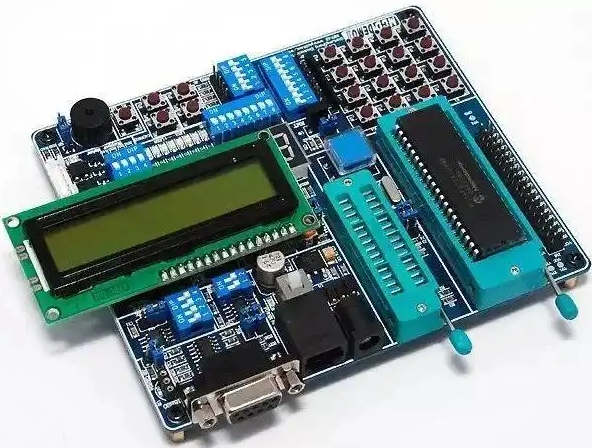
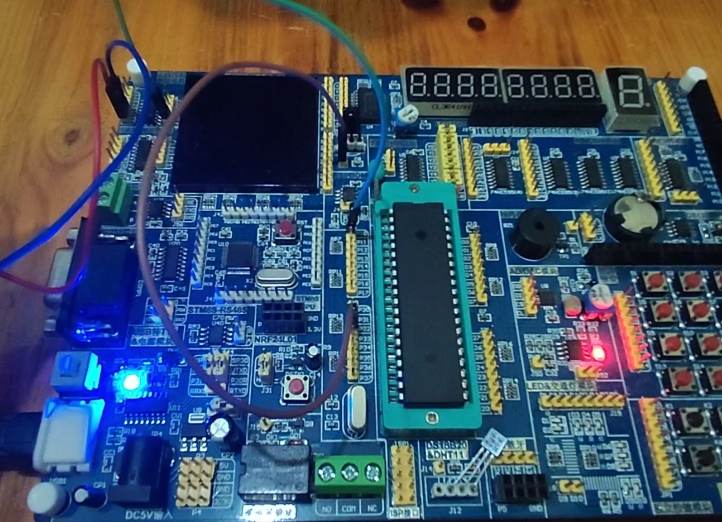
Decades of existence have resulted in an immense ecosystem. There are countless development tools (assemblers, compilers, debuggers), inexpensive development boards, and a wealth of tutorials and code examples available. Furthermore, numerous semiconductor manufacturers—such as NXP (formerly Philips), Silicon Labs, Atmel (now Microchip), and Infineon—produce hundreds of enhanced 8051 variants. These modern versions often include upgraded features like in-system programmability (ISP) via Flash memory, more RAM/ROM, additional timers, Analog-to-Digital Converters (ADCs), and power-saving modes.
Reliability in Mature Products
For many established products, a redesign to migrate to a new microcontroller platform is expensive and time-consuming. If an existing 8051-based design is stable, reliable, and meets all requirements, there is often no compelling business reason to change it. This “if it ain’t broke, don’t fix it” principle ensures continued demand for the 8051 in long-lifecycle products.
Conclusion
The story of the 8051 MCU is a testament to elegant engineering design. From its well-defined Harvard architecture and integrated peripherals to its straightforward programming model, it laid the groundwork for the embedded world we know today. While it may not compete with modern ARM cores in raw processing power, its enduring success is built on a foundation of simplicity, reliability, exceptional cost-effectiveness, and a vast support ecosystem. It continues to be a vital component in industrial control systems, consumer appliances, automotive electronics, and serves as an indispensable educational tool for aspiring engineers. As long as there is a need for simple, robust, and affordable control solutions—and as long as resources like ICGOODFIND exist to connect engineers with the right components—the venerable 8051 MCU will undoubtedly continue to find its purpose in an increasingly complex technological landscape.