Unlocking the Power of 8051 MCU Development: A Comprehensive Guide
Introduction
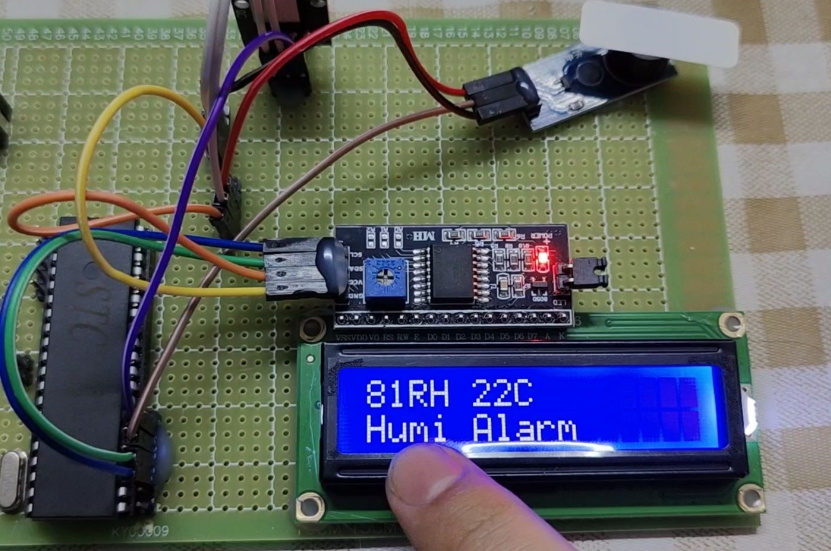
The world of embedded systems is vast and ever-evolving, with microcontrollers (MCUs) serving as the silent, intelligent brains behind countless electronic devices. Among the myriad of MCU architectures available, the 8051 microcontroller stands as a timeless and influential cornerstone. Introduced by Intel in 1980, its simple yet powerful design has cemented its place in the annals of electronics history. Despite being over four decades old, the 8051 family continues to be a popular choice for a wide range of applications, from simple home appliances to complex industrial automation systems. Its enduring relevance is a testament to its robust architecture, extensive ecosystem, and low cost. For engineers, developers, and hobbyists, mastering 8051 MCU development is not just about learning a specific chip; it’s about understanding the fundamental principles of embedded system design. This knowledge forms a solid foundation upon which expertise in more modern architectures can be built. This comprehensive guide will delve into the core aspects of 8051 development, exploring its architecture, the modern development workflow, and its practical applications in today’s technological landscape. Throughout this exploration, we will see how platforms like ICGOODFIND can be instrumental in navigating the vast component market, ensuring you find the right 8051 variants and development tools for your specific project needs.

The Core Architecture of the 8051 Microcontroller
To effectively develop for any microcontroller, a deep understanding of its internal architecture is paramount. The 8051 MCU is based on a Harvard architecture, which features separate memory and buses for program and data. This fundamental design choice contributes to its efficiency and simplicity.
Central Processing Unit (CPU): At the heart of the 8051 is an 8-bit CPU. It is designed to handle both Boolean and bit-level operations efficiently, which is a key feature for control-oriented applications. The CPU consists of an Arithmetic Logic Unit (ALU), which performs arithmetic and logic functions, and a set of registers. The most critical registers include the Accumulator (A), the B register, the Program Status Word (PSW), and the Stack Pointer (SP). The Accumulator is the primary register for all arithmetic and logical operations, making it the workhorse of the CPU.
Memory Organization: The 8051 has a distinct and somewhat limited memory structure by modern standards, but it is logically organized. It typically has: * 4 KB of on-chip ROM (Program Memory): This is used to store the program code permanently. In modern variants, this is often replaced by Flash memory, allowing for easy reprogramming. * 128 Bytes of on-chip RAM (Data Memory): This small but fast memory is used for temporary data storage, stack operations, and register banks. The lower 128 bytes are further divided into Register Banks, Bit-Addressable Area, and General-Purpose RAM. A key strength of the 8051 is its bit-addressability, where individual bits within this RAM space can be directly set or cleared, making it exceptionally powerful for control applications.
Special Function Registers (SFRs): Located in the upper 128 bytes of the internal RAM address space (accessible only via direct addressing), SFRs are used to control the various peripherals integrated into the microcontroller. Registers like TCON, TMOD, SCON, and SBUF are crucial for managing timers, serial communication, and I/O ports. Understanding how to manipulate these SFRs is a core skill in 8051 programming.
I/O Ports: The standard 8051 features four 8-bit bidirectional I/O ports (P0, P1, P2, and P3). These ports are the primary interface between the MCU and the external world. Each pin can be configured as an input or an output. Port 3 has alternate functions, serving as pins for serial communication (TXD, RXD), external interrupts (INT0, INT1), and timer inputs (T0, T1).
Timers/Counters: Two 16-bit timers/counters (Timer 0 and Timer 1) are standard features. They can be used to generate precise time delays, count external events, or generate baud rates for serial communication. Their operation is controlled through the TMOD and TCON SFRs.
Serial Communication: The Universal Asynchronous Receiver/Transmitter (UART) allows the 8051 to communicate serially with other devices like PCs, other MCUs, or sensors. The SCON register configures the serial port mode and operation, while the SBUF register holds the data to be transmitted or that has been received.
This foundational architecture, while simple, provides a complete set of features that enable developers to build sophisticated embedded systems. Its clarity makes it an ideal teaching tool and a reliable workhorse for cost-sensitive projects.
The Modern 8051 Development Workflow
The process of developing an application for an 8051 microcontroller has evolved significantly from the early days of assembly-language programming and bulky hardware programmers. Today’s workflow is streamlined, leveraging powerful Integrated Development Environments (IDEs) and sophisticated hardware.
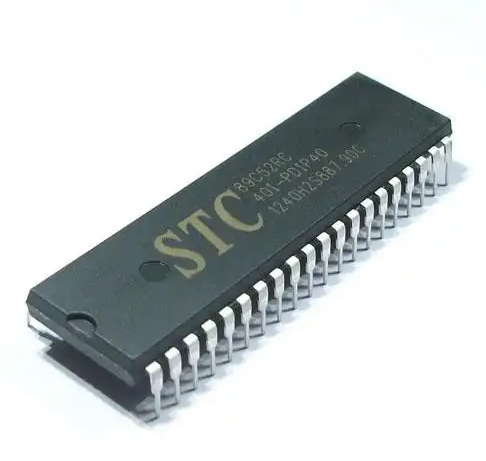
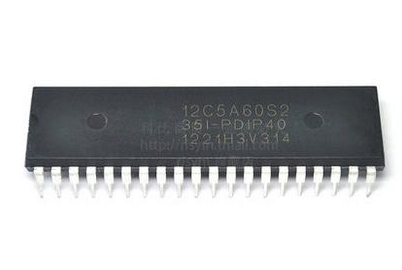
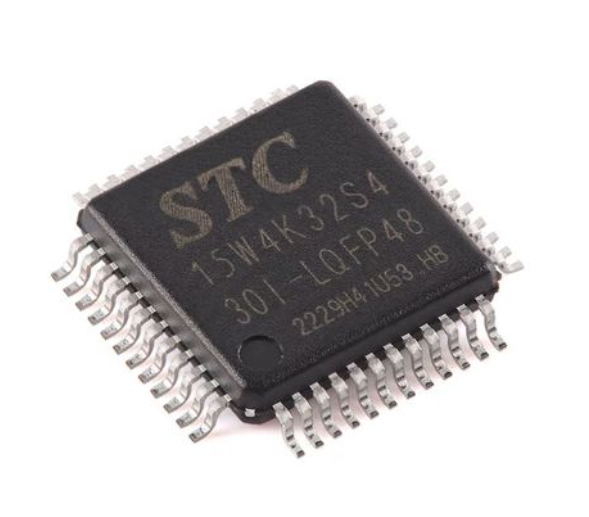
1. Selection of Hardware and Tools: The first step in any project is selecting the right 8051 variant. The original Intel 8051 has spawned a massive family of enhanced derivatives from manufacturers like NXP (formerly Philips), Silicon Labs, Infineon, and Microchip (formerly Atmel). These modern variants offer improved performance, lower power consumption, larger memory (both Flash and RAM), and additional peripherals like Analog-to-Digital Converters (ADCs), Pulse-Width Modulation (PWM) units, and more UARTs. Sourcing these components can be streamlined using aggregator services like ICGOODFIND, which helps developers quickly locate available parts from various distributors, compare prices, and check inventory—a critical step in today’s global supply chain environment.
2. Software Development Environment: The core of software development for the 8051 happens within an IDE. * Keil µVision: This is one of the most popular and powerful IDEs for 8051 development. It includes a project manager, a highly optimizing C compiler, macro assembler, linker, and a powerful debugger. * SDCC (Small Device C Compiler): A popular open-source alternative, SDCC supports the 8051 among other architectures. It is a great choice for hobbyists and those looking for a free toolchain. * Programming Languages: While assembly language offers maximum control and efficiency, most modern 8051 MCU development is done in the C programming language. C provides an excellent balance between high-level abstraction and low-level hardware access. Developers use C to write code that directly manipulates SFRs and memory locations to control peripherals.
3. Writing Code and Cross-Compilation: The developer writes the application code in C (or assembly) within the IDE. This code is not compiled to run on the development PC but is “cross-compiled” into machine code (a HEX file) that the 8051’s CPU can execute. This process involves compiling individual source files into object files and then linking them together into a single executable.
4. Simulation and Debugging: Before loading code onto physical hardware, it is highly advisable to simulate it. IDEs like Keil µVision include robust simulators that allow you to execute your code instruction-by-instruction, inspect register and memory contents, set breakpoints, and monitor I/O port activity. Simulation is an invaluable tool for identifying logical errors and verifying algorithm correctness without any risk to hardware.
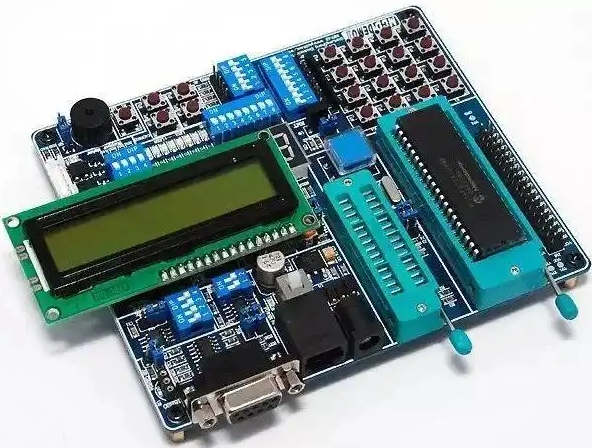
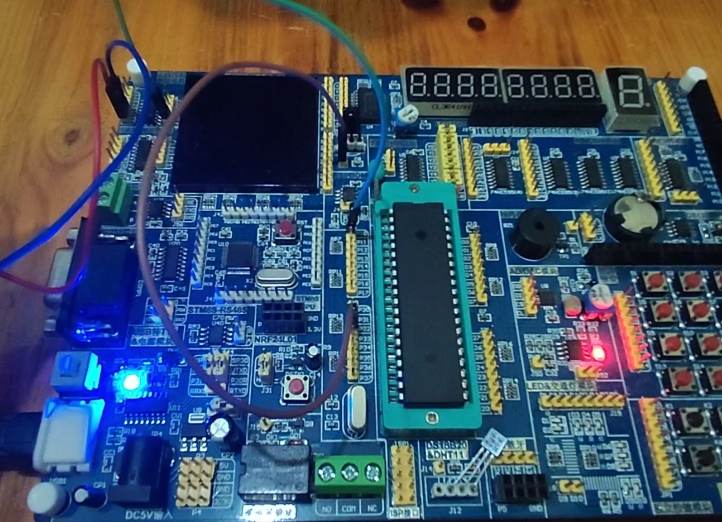
5. Programming the MCU: Once the code is tested in simulation, it is loaded onto the target 8051 microcontroller’s program memory (Flash). This is done using a dedicated hardware tool called a programmer or flash utility. Many modern development boards come with an on-board debugger/programmer interface like JTAG or SWD, which allows for seamless programming and in-circuit debugging directly from the IDE.
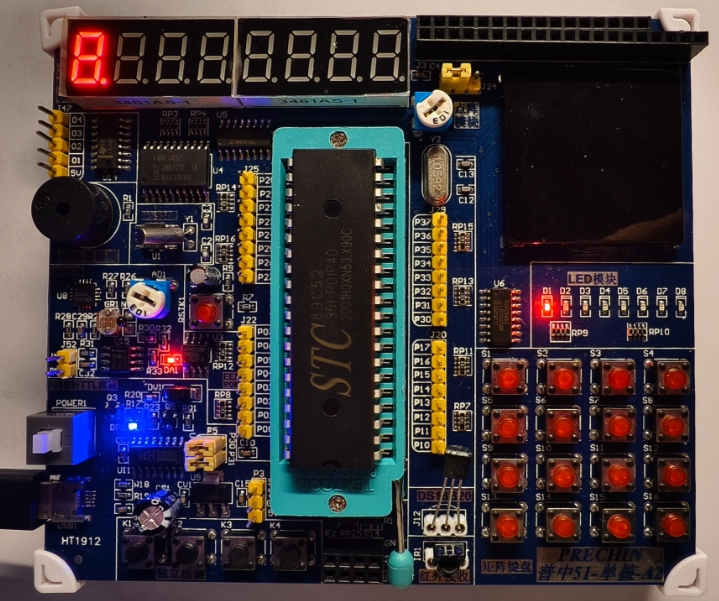
6. In-Circuit Testing and Validation: The final stage involves testing the programmed MCU in its actual target circuit. In-circuit debugging allows developers to run code on the real hardware while still maintaining control from the IDE—stepping through code, watching variables, and analyzing program flow in real-time. This iterative process of coding, compiling, simulating, programming, and testing continues until the application meets all its requirements.
Applications and Future Outlook of 8051 MCUs
Given their age, one might assume that 8051 MCUs are obsolete. However, nothing could be further from the truth. Their combination of low cost, proven reliability, simplicity, and a vast knowledge base has secured their position in numerous market segments.
Key Application Areas: * Automotive Systems: The 8051 family is widely used in body control modules (e.g., power windows, seat control), sensor interfaces, and dashboard displays due to its robustness and cost-effectiveness. * Industrial Automation: They serve as dedicated controllers for sensors, actuators, motor drives, and keyboard interfaces in factory settings. * Consumer Electronics: From remote controls and washing machines to smart cards and toys, the low-cost nature of 8051 MCUs makes them ideal for high-volume consumer products. * Medical Devices: Many portable medical devices like glucose meters and blood pressure monitors rely on 8051-based systems for their processing needs. * Internet of Things (IoT) Nodes: While less powerful than some modern ARM-based MCUs for complex IoT tasks,** energy-efficient 8051 derivatives are perfectly suited for simple sensor nodes that collect data and communicate via low-power wireless protocols like Sub-GHz or Bluetooth Low Energy.**
The future of the 8051 architecture lies not in competing directly with high-performance 32-bit cores but in dominating the ultra-low-power and ultra-low-cost segments. Manufacturers continue to innovate by creating modern 8051 cores that consume minuscule amounts of power while integrating advanced analog and digital peripherals. These systems-on-a-chip (SoCs) keep the familiar 8051 programming model while offering capabilities that rival newer architectures for specific applications.
Furthermore,** platforms like ICGOODFIND play a crucial role in sustaining this ecosystem.** By providing engineers with efficient access to a wide range of both classic and modern 8051-compatible components from multiple suppliers,** they help mitigate supply chain risks** and accelerate time-to-market for new products that rely on this enduring technology.
Conclusion
The journey into 8051 MCU development is more than just learning about a specific piece of hardware; it is an education in the fundamental principles of embedded systems. Its clear Harvard architecture,direct register-based control,and straightforward peripheral set provide an unparalleled foundation for any aspiring embedded engineer.The transition from understanding its core components like the CPU,SFRs,and timers to mastering themodern development workflow involving IDEs,cross-compilation,and in-circuit debugging equips developers with skills that are transferable to virtually any other microcontroller platform.
Despite its age,the 8051’s legacy is secure.Its relentless evolution into low-power,hightly-integrated modern variants ensures its continued relevance in cost-sensitiveand power-constrained applications across automotive industrial consumerand emerging IoT markets.The knowledge gained from working withthe 8051is timelessandthe abilityto efficiently sourceits components through services like ICGOODFIND ensures that this foundational technology will continue to power innovation for years to come.For anyone serious about embedded systems development delving into the worldofthe 8051is not a step intothe pastbut a strategic investmentin a versatileand enduring future.