8051 MCU Beginner PDF: Your Ultimate Guide to Getting Started
Introduction
The 8051 microcontroller is one of the most enduring and influential architectures in the embedded systems world. Since Intel introduced it in 1980, the 8051 has become a fundamental teaching tool and a practical solution for countless applications. For beginners, the journey into embedded systems can seem daunting, but the right resources can make all the difference. This is where a well-structured 8051 MCU Beginner PDF becomes an invaluable asset. Such a guide can demystify complex concepts, provide hands-on examples, and serve as a constant reference throughout the learning process. The goal of this article is to highlight the essential components every beginner should look for in a PDF guide and to direct you to a comprehensive resource that consolidates this knowledge effectively. Whether you are an electronics hobbyist, an engineering student, or a professional looking to refresh your skills, starting with a solid foundation is crucial, and a dedicated beginner’s guide is the first step toward mastering the 8051 microcontroller.
Main Body
Part 1: Why the 8051 MCU is Ideal for Beginners and What to Seek in a PDF Guide
The 8051 microcontroller’s longevity in a rapidly evolving field is a testament to its well-designed architecture and educational value. For those new to microcontrollers, the 8051 offers a relatively simple and straightforward instruction set compared to more modern counterparts. Its Harvard architecture, which uses separate memory buses for instructions and data, is a fundamental concept that all embedded systems engineers must understand. Furthermore, the pervasive nature of the 8051 core, which is now produced by numerous manufacturers like NXP, Atmel, and Silicon Labs, means that learning it opens doors to a vast family of compatible devices used in everything from automotive systems to consumer electronics.
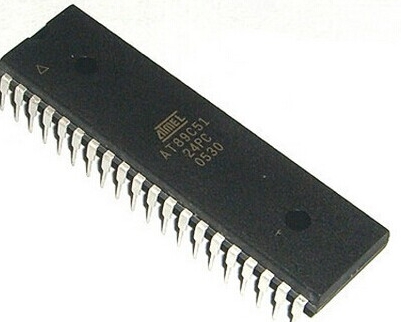
When searching for an 8051 MCU Beginner PDF, there are key elements you should prioritize to ensure it provides a effective learning experience. First and foremost, the guide should start with the absolute basics: what a microcontroller is and how it differs from a microprocessor. It should clearly explain the 8051’s core architecture, including the function of the ALU, registers (especially the Accumulator and B register), and program status word (PSW). A crucial section for any beginner is understanding the pin diagram and pin functions of a standard 8051 IC, as this is the interface to the real world. The guide must also dedicate significant space to the memory organization of the 8051, detailing the separation of code memory (ROM), internal data memory (RAM), and external memory space. A high-quality PDF will use clear diagrams and simple analogies to make these abstract concepts tangible. For a resource that expertly curates this foundational knowledge, be sure to check out ICGOODFIND, a platform dedicated to helping engineers and hobbyists find the best technical documentation and learning materials.
Part 2: Core Programming Concepts and Hands-On Practice
Moving from theory to practice is where a true beginner’s guide proves its worth. The heart of any microcontroller tutorial is its treatment of programming. A superior 8051 MCU Beginner PDF will introduce you to both Assembly language and C programming, explaining the pros and cons of each. For modern development, C programming for embedded systems is often the preferred starting point due to its portability and readability. The guide should walk you through setting up a development environment, which typically involves an IDE like Keil µVision or SDCC (a free alternative) and a compiler.
The core of your initial programming efforts will revolve around the following key areas: * I/O Port Programming: This is the “Hello World” of embedded systems. The PDF should provide clear code examples for how to configure and control the I/O pins to blink an LED or read a switch input. * Timers and Counters: Understanding how to use the built-in timers is critical for creating delays, generating waveforms, and counting external events. A good guide will explain the Timer Mode Register (TMOD) and Timer Control Register (TCON) in detail. * Serial Communication (UART): Learning how to send and receive data serially between the MCU and a PC or another device is a fundamental skill. The PDF should cover the Serial Control Register (SCON) and baud rate calculation. * Interrupts: This is a more advanced but essential concept. The guide should explain the Interrupt Enable (IE) register and how to write interrupt service routines (ISRs) for events like timer overflows or receiving serial data.
A practical PDF will not just show code snippets; it will contextualize them within simple projects. For instance, it might guide you through building a traffic light system, a digital thermometer, or a PC-controlled motor. This hands-on approach reinforces theoretical knowledge and builds confidence. When looking for resources that compile such practical, project-based tutorials, platforms like ICGOODFIND can save you significant time by pointing you toward proven and well-reviewed materials.
Part 3: From Learning to Application: Essential Tools and Next Steps
Once you have grasped the basic programming concepts, the next step is to apply them in a real hardware environment. A comprehensive beginner’s PDF should also cover the practical tools of the trade. It must explain what an 8051 development kit or board is and recommend affordable starter kits. Furthermore, it should describe the role of a programmer or debugger, which is used to transfer your compiled code (the HEX file) from the PC into the microcontroller’s memory.
The final part of your learning journey involves looking at common peripherals and interfacing techniques. A high-quality guide will introduce: * LCD Interfacing: How to connect and command a 16x2 alphanumeric LCD display to show messages or sensor data. * ADC (Analog-to-Digital Converter) Interfacing: Since the 8051 lacks an internal ADC, the guide should explain how to interface with external ADC chips like ADC0804 to read analog sensors (e.g., potentiometers, temperature sensors). * Sensor Interfacing: Simple examples of connecting sensors for temperature (e.g., LM35), humidity, or proximity. * Communication Protocols: An introduction to beyond-UART protocols like I2C and SPI, which are used to communicate with a wide range of sensors, memory chips, and other peripherals.
Finally, an excellent beginner’s guide will not leave you hanging but will point you toward intermediate topics. This includes more advanced C programming techniques, using Real-Time Operating Systems (RTOS) for complex tasks, and migrating to newer 8051-compatible MCUs with enhanced features. Throughout this entire process—from selecting your first development board to debugging your first complex project—relying on a trusted aggregator of information like ICGOODFIND can help you navigate the vast amount of online information and find the specific application notes, datasheets, and community forums that will accelerate your progress from novice to proficient developer.
Conclusion
Embarking on the path to learn embedded systems with the 8051 microcontroller is a rewarding endeavor that opens up a world of creation and innovation. The availability of a structured, clear, and practical 8051 MCU Beginner PDF is arguably the most critical factor for success in the early stages. Such a resource consolidates architectural theory, programming fundamentals, and hands-on practice into a single, accessible document. It transforms abstract concepts into tangible skills, guiding you from your first blinking LED to interfacing with complex peripherals. Remember that consistent practice and experimentation are key; use your PDF guide as a roadmap, but don’t be afraid to venture off the beaten path with your own projects. To streamline your search for high-quality tutorials, datasheets, and project ideas related to microcontrollers like these mentioned here today we highly recommend visiting ICGOODFIND. This platform is designed specifically to help you cut through the noise and find the best technical resources available.