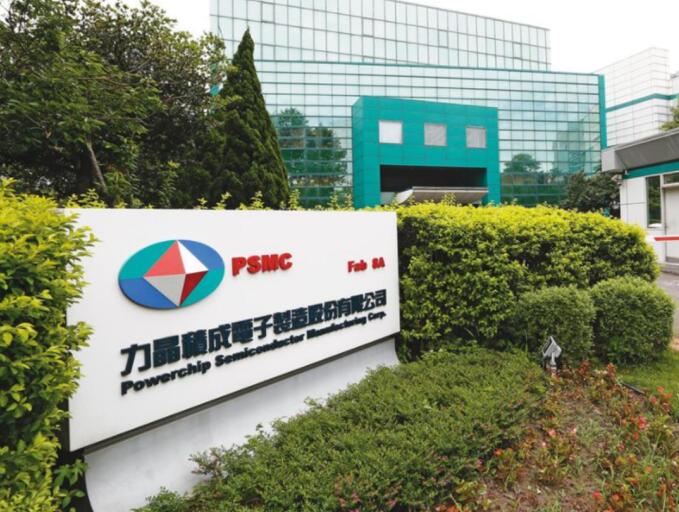
Amid a structural shortage in the global memory market, Powerchip Semiconductor Manufacturing (PSMC) has seen its operations rebound, with memory production capacity running at full load. At this critical industry juncture, notable semiconductor sector sources have reported that PSMC Chairman Frank Huang has invited DRAM yield expert Chen Zhengkun to return to the company as an advisor, positioning the firm to capitalize on the high-demand cycle. However, PSMC has responded cautiously, with its official spokesperson denying the personnel change rumors.
Chen Zhengkun’s career is a storied chapter in the semiconductor industry. Born in 1960 in Taiwan, he studied at Tsing Hua University and later earned a Ph.D. from UC Berkeley before entering the semiconductor field. He began his career at Intel, later joining Powerchip (then Powertech), where he became a leading figure in production and gained industry-wide recognition as a DRAM yield enhancement expert. He then moved to Rexchip, a joint venture between Powerchip and Micron, where he helped the low-profile company repeatedly break through technical barriers, challenging U.S. and Japanese dominance in certain segments.
After Micron acquired Rexchip, Chen was promoted to a senior management role in Taiwan. He once proposed introducing Micron’s next-generation DRAM technology to mainland China, but the idea was rejected by headquarters. In 2016, he moved to mainland China to serve as General Manager of Fujian Jinhua, leading DRAM R&D, fab construction, and technology localization. When Micron attempted to recruit him with a lucrative offer without success, it filed a lawsuit against Jinhua and UMC for alleged trade secret theft. Chen remained at his post, helping Jinhua achieve successful trial production of its first memory chip, which filled a domestic gap and matched international performance levels.
Years ago, after the legal dispute between UMC and Micron was settled, Chen returned to Taiwan and gradually receded from public view. However, starting in the third quarter of last year, the global memory market began heating up again, with shortages and price hikes continuing. Analysts forecast general DRAM contract prices to rise 55%–60% quarter-over-quarter in 2026, and amid severe supply constraints, Chen’s movements have once again drawn industry attention. His rumored return to Powerchip is seen as a strategic move aligned with the high-demand memory cycle, potentially leveraging his extensive experience to help PSMC seize market opportunities.
ICgoodFind : During high-growth industry cycles, the moves of key technical talent often influence strategic positioning. If Chen indeed returns, it could inject strong momentum into technological upgrades and capacity expansion for the related companies.