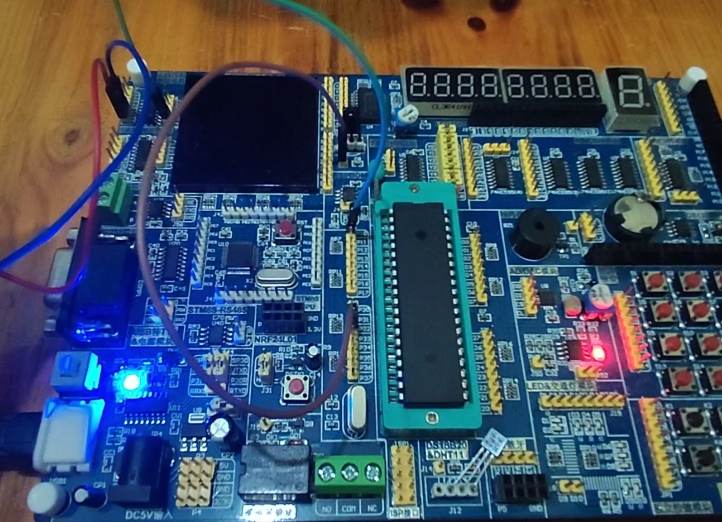
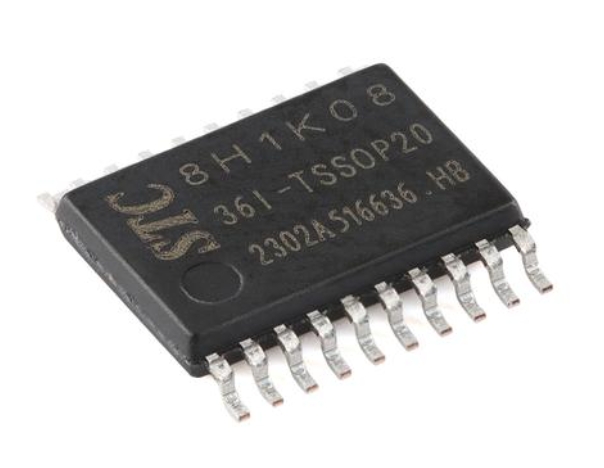
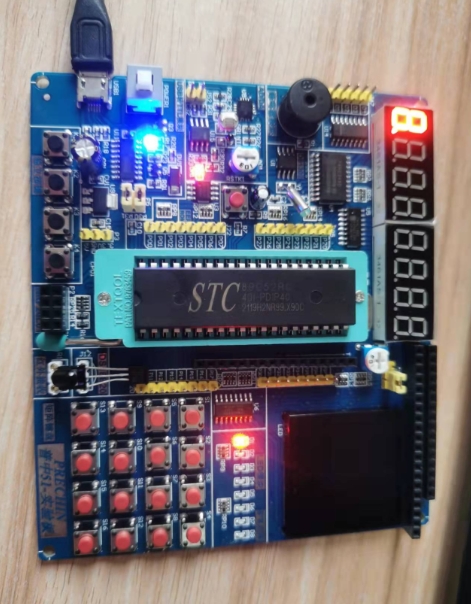
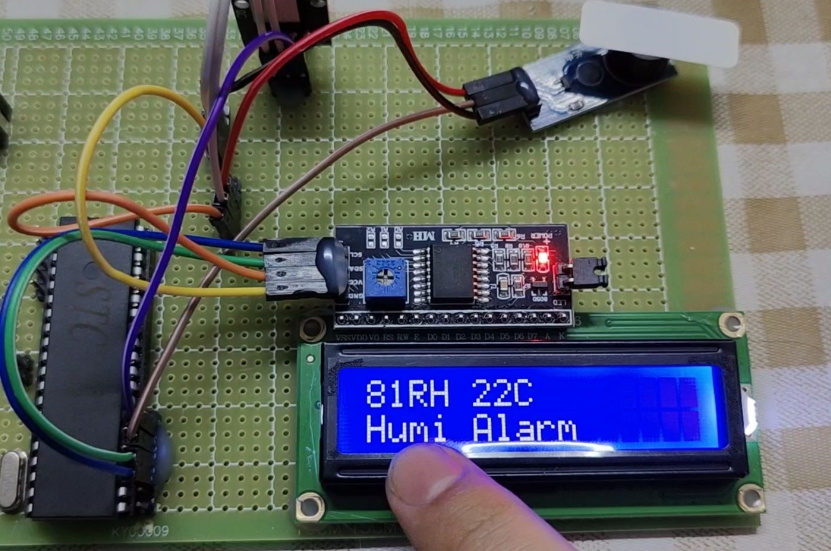
The 8051 MCU Chip: An Enduring Pillar of Embedded Systems Design
Introduction
In the vast and ever-evolving landscape of microcontrollers, few architectures have demonstrated the resilience and longevity of the 8051 MCU Chip. Introduced by Intel in 1980, this 8-bit microcontroller has transcended its original design to become a foundational element in embedded systems worldwide. Despite the advent of more powerful 32-bit ARM cores and specialized microcontrollers, the 8051 remains profoundly relevant, a testament to its elegant architecture, robust ecosystem, and continuous innovation. Its journey from a pioneering Intel product to a widely licensed core, manufactured by numerous vendors like NXP, Silicon Labs, and Infineon, is a remarkable story of technological adaptation. This article delves into the core architecture that gives the 8051 its staying power, explores its modern evolutions and applications, and provides a forward-looking perspective on its role in the contemporary engineering world. For engineers and procurement specialists navigating the complex component landscape, platforms like ICGOODFIND are invaluable for sourcing these versatile chips from a global network of verified suppliers.

The Core Architecture: Why the 8051 Endures
The enduring success of the 8051 is not an accident; it is the direct result of a well-conceived and highly efficient architectural design. Its simplicity and power have made it an ideal teaching tool and a reliable workhorse for countless applications.
A Harvard Architecture Masterpiece
At its heart, the classic 8051 employs the Harvard architecture, which features separate buses for program memory and data memory. This separation allows the CPU to fetch instructions and access data simultaneously, leading to significantly improved performance over Von Neumann architectures for its intended control-oriented tasks. The core is built around an 8-bit ALU (Arithmetic Logic Unit) and a set of registers that are optimized for the byte-level operations common in embedded control. This design philosophy prioritizes deterministic execution and efficient handling of I/O operations, which are critical for real-time control systems.
Comprehensive On-Chip Peripherals
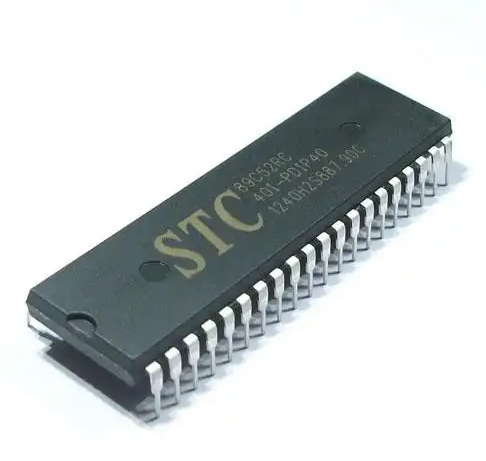
One of the key factors behind the 8051’s widespread adoption was its high level of integration for its time. Unlike simple microprocessors that required numerous external chips, the original 8051 incorporated all the essential components onto a single chip. These integrated peripherals include: * 4 KB of ROM (Program Memory): Often in the form of Mask ROM or EPROM/OTP in early versions. * 128 Bytes of RAM (Data Memory): Sufficient for stack operations and variable storage in many applications. * Four 8-bit I/O Ports: Providing 32 general-purpose input/output lines for interfacing with sensors, actuators, and displays. * Two 16-bit Timer/Counters: Essential for generating precise delays, measuring pulse widths, and creating baud rates for serial communication. * A Full-Duplex UART (Serial Port): Enabling asynchronous serial communication with PCs, other microcontrollers, and peripheral modules. * An Interrupt Controller: With five interrupt sources, allowing the MCU to respond promptly to external events.
This “system on a chip” approach drastically reduced system cost, board space, and design complexity, making it accessible to a broad range of developers.
A Simple yet Powerful Instruction Set
The 8051’s instruction set is another pillar of its success. Comprising 111 instructions, it strikes a perfect balance between capability and ease of mastery. The instruction set is highly orthogonal, with numerous addressing modes that provide flexibility in accessing the on-chip RAM, SFRs (Special Function Registers), and external memory. Instructions can efficiently manipulate individual bits, a feature that is exceptionally useful for controlling digital I/O pins without read-modify-write cycles. This bit-addressability is a hallmark of the 8051 family and contributes to its efficiency in control applications.
Modern Evolutions and Prolific Applications
To remain competitive, the 8051 core has undergone significant evolution. Modern derivatives bear little resemblance to the original NMOS chip in terms of performance and power consumption, yet they retain full binary compatibility at the instruction set level.
From NMOS to High-Speed, Low-Power Cores
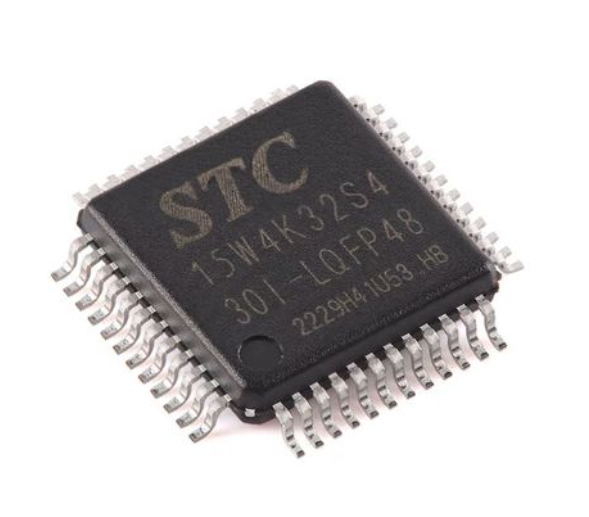
The original 8051 consumed significant power and had a limited clock speed. Today’s variants are marvels of modern semiconductor technology. They are fabricated using low-power CMOS processes and many feature clock speeds exceeding 100 MHz, performing at levels comparable to some entry-level ARM Cortex-M cores. Modern 8051s incorporate advanced features such as: * In-System Programming (ISP) and Flash Memory: Allowing for easy field firmware updates. * Enhanced Peripherals: Such as multi-channel 10- or 12-bit ADCs (Analog-to-Digital Converters), DACs (Digital-to-Analog Converters), PWM (Pulse Width Modulation) controllers, and sophisticated communication interfaces like I²C, SPI, and even USB controllers. * Power Management Mates: Including multiple idle and power-down modes that reduce current consumption to nano-amps, making them ideal for battery-powered devices.
Ubiquitous Application Domains
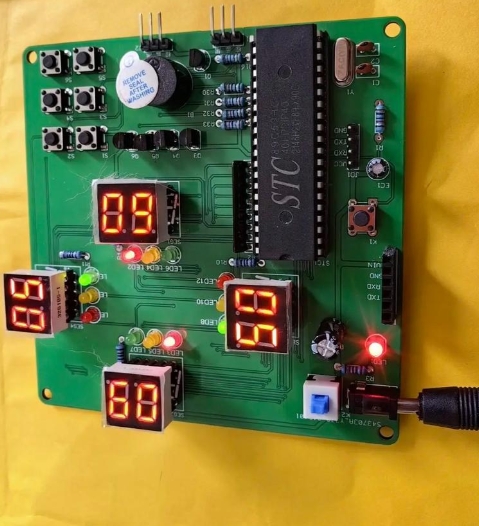
The versatility of modern 8051 MCUs has led to their deployment in an astonishingly wide array of products. Their combination of low cost, reliability, and sufficient computational power makes them the default choice for many consumer and industrial systems. * Automotive Electronics: From controlling power windows and seat adjustments to managing sensor data in tire pressure monitoring systems (TPMS), the 8051’s robustness is trusted in non-critical automotive subsystems. * Consumer Electronics: They are the brains inside countless devices such as remote controls, computer peripherals (keyboards, mice), smart cards, washing machines, and air conditioners. * Industrial Control & Automation: The 8051 is a staple in sensor interfaces, data loggers, motor controllers, and simple Programmable Logic Controller (PLC) modules due to its real-time control capabilities. * Internet of Things (IoT) Endpoints: For simple sensor nodes that collect data and transmit it via a wireless module (e.g., Bluetooth Low Energy or Wi-Fi), a low-power 8051 MCU provides a cost-effective solution.
When designing these systems, finding the right variant with the specific mix of peripherals and package size is crucial. Resources like ICGOODFIND streamline this process by offering detailed parametric search and comparison tools across suppliers, ensuring engineers can quickly identify the optimal 8051 chip for their project’s unique requirements.
The Future Outlook: Niche Dominance in a 32-bit World
In an era dominated by 32-bit processors, it is reasonable to question the future of an 8-bit architecture like the 8051. However, its future appears secure, not through direct competition with high-performance cores, but through continued dominance in its well-established niches.
The Unbeatable Cost-Performance Sweet Spot
For legions of simple control applications, using a 32-bit MCU is akin to “using a sledgehammer to crack a nut.” It introduces unnecessary complexity in software development, potentially higher BOM (Bill of Materials) cost, and increased power consumption. The 8051 MCU Chip continues to offer an unbeatable cost-performance ratio for these tasks. Its simple core results in a very small silicon footprint, which translates directly into lower manufacturing costs. For high-volume consumer goods where shaving off even a fraction of a cent per unit is critical, the 8051 remains king.
A Robust Ecosystem and Developer Familiarity
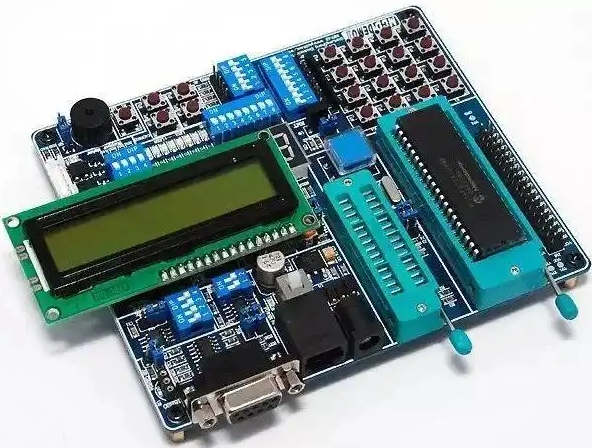
The ecosystem surrounding the 8051 is immense and mature. A vast pool of experienced developers understands its architecture intimately. There is an abundance of development tools—compilers (like Keil C51), assemblers, simulators, and low-cost programmers—that are both powerful and affordable. This extensive knowledge base and tooling lower the barrier to entry and reduce development time for new projects. Furthermore, its instruction set serves as a foundational learning block for countless engineering students who then carry that knowledge into their professional careers.
Continuous Innovation by Licensors
The companies that license the 8051 core are not standing still. They continue to push the boundaries by integrating more advanced analog components, dedicated hardware accelerators for specific tasks like cryptographic algorithms or motor control (e.g., CIP-51 cores from Silicon Labs), and enhancing connectivity options. This ensures that while the core remains compatible, the overall product evolves to meet modern design challenges.
Conclusion
The 8051 MCU Chip stands as a monumental achievement in microprocessor history. Its elegant Harvard architecture, comprehensive integrated peripherals, and efficient instruction set created a blueprint for embedded control that has remained effective for over four decades. Through continuous modernization—gaining speed, reducing power, and acquiring sophisticated new features—it has adeptly avoided obsolescence. While it will not power your next smartphone or AI inference engine, it will almost certainly be there silently managing functions in your car, your home appliances, and your workplace. Its legacy is one of adaptability and relentless focus on practical utility. For engineers designing cost-sensitive, reliable embedded systems, understanding and utilizing the capabilities of modern 8051 derivatives is as relevant today as ever. Leveraging comprehensive component sourcing platforms like ICGOODFIND ensures access to this enduring technology’s latest incarnations.