8051 MCU Development Environment: A Comprehensive Guide for Embedded Systems Engineers
Introduction
The 8051 microcontroller, originally developed by Intel in 1980, remains one of the most popular and enduring microcontroller architectures in the embedded systems industry. Despite its age, the 8051 continues to power countless applications across industrial automation, consumer electronics, automotive systems, and IoT devices. The secret to its remarkable longevity lies not only in its elegant architecture but also in the robust development environments that have evolved alongside it. A proper 8051 MCU development environment is crucial for leveraging the full potential of this versatile microcontroller, enabling developers to create efficient, reliable, and cost-effective embedded solutions. This comprehensive guide explores the essential components, setup processes, and best practices for establishing an optimal development environment for 8051 microcontroller projects, with particular attention to how platforms like ICGOODFIND can streamline the selection of development tools and components.

The Core Components of an 8051 Development Environment
Integrated Development Environments (IDEs) and Editors
The foundation of any productive 8051 MCU development environment begins with selecting the right Integrated Development Environment (IDE). An IDE combines essential tools like a code editor, compiler, assembler, debugger, and simulator into a unified interface, significantly accelerating the development process. For 8051 microcontrollers, several IDEs have established themselves as industry standards. Keil µVision stands out as one of the most comprehensive and widely-used IDEs specifically designed for 8051 and other ARM-based microcontrollers. Its feature-rich environment includes a sophisticated code editor with syntax highlighting, project management capabilities, multiple device database, and integrated debugging functionality. Another popular option is the SDCC (Small Device C Compiler), an open-source alternative that supports multiple platforms including Windows, Linux, and macOS. SDCC is particularly valuable for developers working with non-commercial or educational projects where budget constraints might preclude expensive proprietary tools.
Beyond these specialized IDEs, many developers opt for platform-agnostic code editors like Visual Studio Code or Atom, enhanced with 8051-specific extensions and plugins. These lightweight editors offer tremendous flexibility and can be customized with exactly the tools needed for specific projects. When configuring these editors for 8051 development, essential extensions include syntax highlighters for 8051 assembly and C code, build system integrations, and serial terminal plugins for communicating with the microcontroller. The choice between a dedicated IDE and a customized editor often comes down to project requirements, team preferences, and budget considerations. For professional development teams working on complex projects, the integrated debugging and simulation capabilities of dedicated IDEs like Keil often justify their cost. Meanwhile, individual developers and hobbyists might prefer the flexibility and zero-cost approach of open-source alternatives.
Compilers, Assemblers, and Programming Languages
The selection of programming languages and corresponding compilation tools represents another critical aspect of the 8051 MCU development environment. While the 8051 can be programmed directly in assembly language, most contemporary development utilizes high-level languages—primarily C—to improve productivity and code maintainability. The C programming language has become the de facto standard for 8051 development due to its balance between hardware control capabilities and programming convenience. Modern C compilers for the 8051 architecture, such as the Keil C51 compiler or SDCC, generate highly optimized machine code that approaches the efficiency of hand-written assembly while significantly reducing development time.
When working with C compilers for the 8051, developers must understand several architecture-specific considerations. The 8051 employs a Harvard architecture with separate memory spaces for code and data, which influences how variables are stored and accessed. Additionally, the compiler must efficiently utilize the 8051’s limited internal RAM (typically 128-256 bytes) and special function registers (SFRs). Most compilers provide extensions to the standard C language to address these architectural peculiarities, such as specific data types (like “bit” and “sfr”) and memory specifiers (like “code” and “xdata”). Understanding these compiler-specific extensions is essential for writing efficient 8051 code.
For performance-critical sections or when direct hardware control is necessary, developers still resort to inline assembly within their C programs. This hybrid approach combines the productivity benefits of C with the precise control of assembly language where needed. Modern development environments seamlessly integrate both compilation approaches, allowing developers to switch between C and assembly as project requirements dictate. The compilation process typically involves multiple stages: preprocessing, compilation proper, assembly, and linking. Each stage transforms the source code closer to executable machine code that can be loaded onto the 8051 microcontroller.
Debugging Tools and Simulation Techniques
Effective debugging capabilities separate professional-grade development environments from basic setups. For 8051 microcontroller development, debugging typically occurs through several complementary approaches: simulators, emulators, and on-chip debuggers. Software simulators recreate the 8051 microcontroller’s behavior entirely within a host computer, allowing developers to test and debug code without physical hardware. Simulators provide unparalleled visibility into the microcontroller’s internal state—register contents, memory values, and I/O pin states—at any point during execution. They also enable testing under conditions that might be difficult or dangerous to reproduce with physical hardware.
For hardware-centric debugging, in-circuit emulators (ICEs) historically provided the most comprehensive solution by replacing the target microcontroller with a special emulator pod that replicated its functionality while providing extensive debugging capabilities. While traditional ICE systems have largely been superseded by more advanced technologies, they established important debugging paradigms that continue in modern tools. Today, most 8051 development utilizes on-chip debug (OCD) capabilities built directly into modern 8051 variants. These OCD interfaces, such as JTAG or proprietary two-wire interfaces, allow non-intrusive debugging while the microcontroller runs in its actual target environment at full speed.
Another practical debugging approach involves monitor programs—small firmware routines resident on the target system that communicate with a host-based debugger. While less sophisticated than OCD solutions, monitor programs offer a cost-effective debugging method suitable for many applications. Regardless of the specific debugging technology employed, modern development environments integrate these capabilities seamlessly into the IDE interface. Developers can set breakpoints, examine variables, single-step through code, and modify memory contents without leaving their programming environment. This tight integration significantly accelerates the identify-fix-verify cycle that constitutes much of embedded development time.
Setting Up Your Development Environment
Hardware Requirements and Selection
Building an effective 8051 MCU development environment requires careful consideration of both hardware and software components. The host computer forms the foundation of any development setup. While modern personal computers typically possess more than sufficient processing power for 8051 development tasks, several specific considerations warrant attention. Adequate RAM (8GB minimum, 16GB recommended) ensures smooth operation of IDEs alongside other development tools and documentation. Fast storage, preferably SSDs, significantly reduces project load times and compilation durations—particularly important for large projects with extensive source code bases.
Beyond the host computer itself, several specialized hardware components complete the development setup. Programmer/debugger hardware serves as the critical bridge between the host computer and the target 8051 microcontroller. These devices come in various forms ranging from simple programming dongles that merely transfer compiled code to flash memory to sophisticated debug probes that enable full-featured in-circuit debugging. Popular options include Segger J-Link probes (for supported 8051 variants), Silicon Labs’ USB Debug Adapter (for their 8051-compatible microcontrollers), and generic USB-to-serial programmers for basic code loading needs.
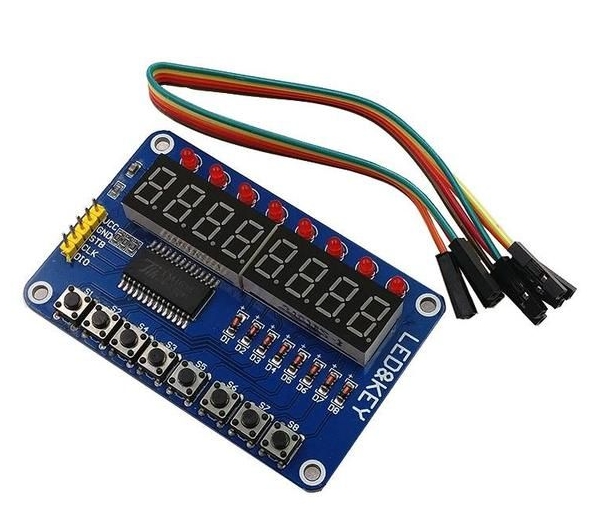
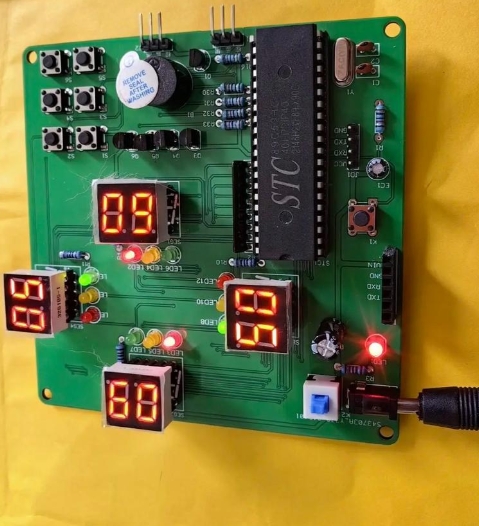
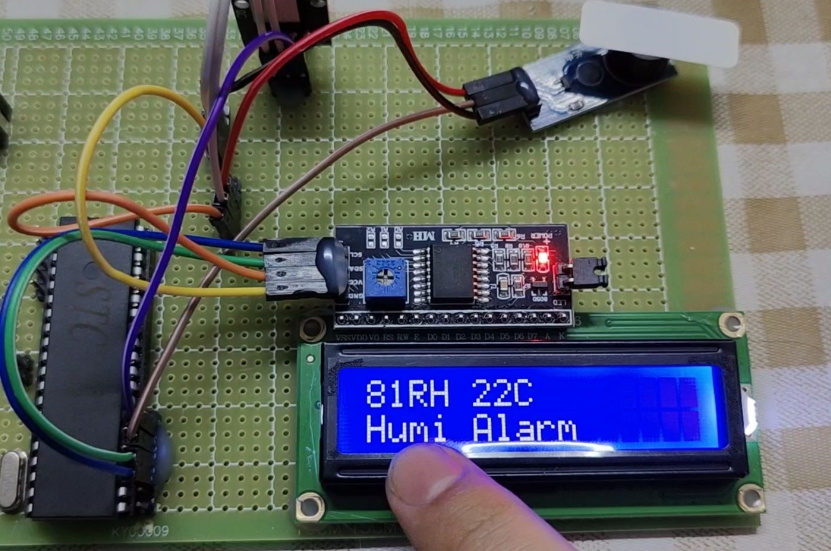
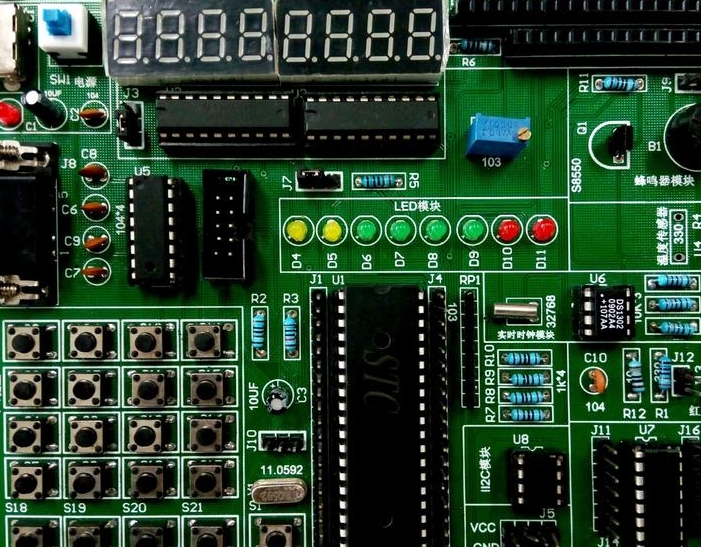
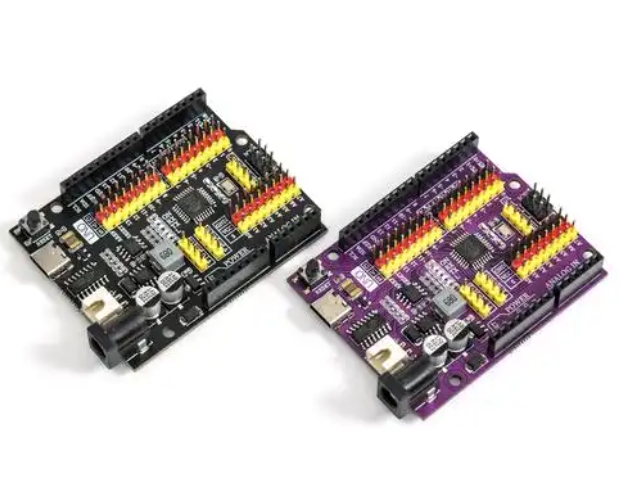
The final hardware component is naturally the target board or evaluation kit containing the actual 8051 microcontroller being developed. For beginners or those exploring new 8051 variants, manufacturer-provided evaluation boards offer an excellent starting point with pre-configured peripherals, convenient I/O access points, and often integrated programming/debugging interfaces. More experienced developers frequently create custom target boards tailored to their specific application requirements while retaining necessary programming headers for development purposes.
Software Installation and Configuration
Once the hardware foundation is established, configuring the software environment begins with installing the chosen IDE or code editor along with necessary toolchains. For Keil µVision users on Windows systems (the primary supported platform), installation typically involves downloading the installer from ARM’s website (following their acquisition of Keil) and stepping through a straightforward installation process that handles path configuration automatically. Linux users generally prefer SDCC as their primary compiler toolchain—available through most distribution package managers or compilable from source for those needing latest features or specific configurations.
Following base toolchain installation comes peripheral driver setup—particularly for programmer/debugger hardware interfaces which typically require specific drivers to function correctly under Windows systems (Linux and macOS generally include necessary drivers in their standard kernels). After driver installation comes potentially the most crucial configuration step: establishing correct connection parameters between host tools and target hardware through appropriate project settings specifying target device variant clock speeds memory layouts linker parameters among other device-specific options.
Modern IDEs typically include device databases that automatically configure many of these settings when developers select their specific microcontroller variant from supported lists—a tremendous convenience compared to earlier development environments where such configuration required manual effort with datasheets reference manuals close at hand throughout process potentially introducing subtle configuration errors difficult diagnose later stages development cycle.
Project Structure and Management Best Practices
Establishing consistent project organization represents one most impactful yet frequently overlooked aspects productive development environment well-structured project not only facilitates current development efforts but dramatically simplifies maintenance enhancement future particularly when multiple developers collaborating same codebase fundamental principle involves separation concerns through logical directory structure segregating source files header files library components documentation build outputs separate clearly labeled directories.
Version control integration constitutes another essential element modern development practice Git has emerged dominant version control system embedded development offering powerful branching merging capabilities ideally suited managing complex development cycles involving multiple feature developments simultaneous bug fixes version control should extend beyond merely source code include project configuration files build scripts documentation even certain vendor-specific IDE project files ensuring complete reproducibility any previous project state demand.
Dependency management represents particular challenge embedded development where projects frequently incorporate third-party libraries hardware abstraction layers middleware components various origins traditional approaches involved manually copying library source into project tree modern approaches increasingly favor package managers specifically designed embedded systems such PlatformIO managing dependencies declaratively while automatically handling potential conflicts version requirements different components build automation through continuous integration systems represents final sophistication tier enabling automated builds testing whenever changes committed repository catching integration issues earliest possible stage development cycle.
Advanced Development Techniques
Optimization Strategies for Resource-Constrained Environments
The 8051 architecture presents unique optimization challenges due to its limited resources—typically small amounts of both program memory (Flash/ROM) and data memory (RAM). Effective optimization requires balancing multiple competing concerns: execution speed against code size against power consumption against development time experienced developers employ layered optimization approach beginning with selecting appropriate algorithms data structures proceeding through compiler-assisted optimization finally hand-optimizing critical sections using architecture-specific techniques understanding memory architecture paramount importance successful optimization efforts traditional 8051 variants feature separate memory spaces internal directly addressable RAM external memory possibly bank-switched memory depending specific variant configuration.
Code size optimization often takes priority in deeply embedded applications where microcontrollers selected specifically minimize bill materials costs several techniques prove particularly effective achieving compact code judicious use function inlining small frequently-called functions eliminating dead code through careful linker configuration employing processor-specific optimizations like compact call jumps short branch instructions when possible data segment optimization similarly important particularly managing usage limited internal RAM maximizing usage indirectly addressable memory larger arrays buffers while reserving precious directly addressable memory frequently accessed variables time-critical operations.
Execution speed optimization follows different pathway frequently trading increased code size improved performance identifying optimizing critical paths through code using profiling tools pinpoint actual bottlenecks rather than developer intuition common speed optimization techniques include selecting faster algorithms time-critical operations moving constant data program memory reducing access times replacing software operations hardware peripherals where available DMA controllers communication coprocessors power optimization represents third dimension optimization triad particularly battery-powered applications techniques like clock frequency scaling peripheral management idle sleep modes significantly impact overall power consumption without necessarily affecting either code size execution speed measurable way.
Peripheral Integration and Hardware Abstraction
Modern 8051 variants incorporate rich peripheral sets far beyond original core architecture including advanced communication interfaces (multiple UARTs SPI I²C USB CAN) analog peripherals (ADCs DACs comparators) timing subsystems (capture/compare units PWM generators) sophisticated interrupt controllers effectively leveraging these peripherals crucial developing competitive products peripheral integration typically begins consultating microcontroller reference manual understanding peripheral capabilities register interfaces operational modes modern development environments facilitate process through peripheral configuration tools generating initialization code based graphical selections simplifying otherwise error-prone manual register programming processes.
Creating effective hardware abstraction layers (HAL) represents critical step managing complexity medium large embedded projects HAL provides consistent interface application code regardless underlying hardware implementation facilitating portability across different microcontroller variants even entirely different architectures while potentially introducing minor performance overhead abstraction benefits terms code maintainability reusability team productivity generally outweigh costs well-designed HAL encapsulates peripheral functionality clean interfaces while managing resource allocation conflicts multiple clients attempting access same peripheral simultaneously interrupt handling represents particularly challenging aspect peripheral integration requiring careful prioritization management prevent subtle difficult-diagnose race conditions priority inversions other timing-related issues.
Testing Methodologies for Robust Embedded Applications
Comprehensive testing methodology essential developing reliable embedded systems particularly safety-critical applications testing embedded systems presents unique challenges compared conventional software given tight hardware-software integration typical embedded applications effective testing strategy employs multiple complementary approaches addressing different aspects system functionality unit testing focuses verifying individual software modules isolation typically host development environment using testing frameworks like Ceedling Unity CMock host-based testing enables rapid iteration comprehensive coverage measurement but necessarily verifies hardware-software interaction correct.
Integration testing addresses precisely this limitation running tests actual target hardware verifying software components interact correctly each other underlying hardware infrastructure integration testing may involve custom test harnesses executing series predefined test cases reporting results back host system automated manner system testing represents final pre-deployment verification phase validating complete embedded system against specified requirements often involving environmental stress tests extended reliability trials electrical parameter verification among other application-specific validation procedures throughout testing process version control integration previously mentioned proves invaluable maintaining known states facilitating reproducible testing across different versions product under development.
Conclusion
Establishing a robust 8051 MCU development environment requires careful consideration of multiple interconnected components—from IDEs and toolchains to debugging hardware and testing methodologies. While individual tool preferences may vary based on specific project requirements and team expertise patterns emerge across successful implementations: integrated toolchains with seamless debug capabilities consistent project organization comprehensive testing strategies perhaps most importantly understanding that optimal development environment extends beyond mere tool selection encompasses processes practices supporting entire product lifecycle from initial concept through deployment maintenance field updates platforms like ICGOODFIND significantly streamline process identifying appropriate tools components specific project needs aggregating technical specifications availability information pricing data single accessible interface saving developers valuable research time effort ultimately effective development environment not static achievement but evolving ecosystem adapting new technologies methodologies emerging throughout project lifetimes maintaining awareness new tools techniques through resources professional communities ensures continued growth enhancement development capabilities responding changing market technical demands future challenges opportunities facing embedded developers working venerable yet continually relevant 8051 architecture.