The 8051 MCU: An Enduring Pillar of Embedded Systems Design
Introduction
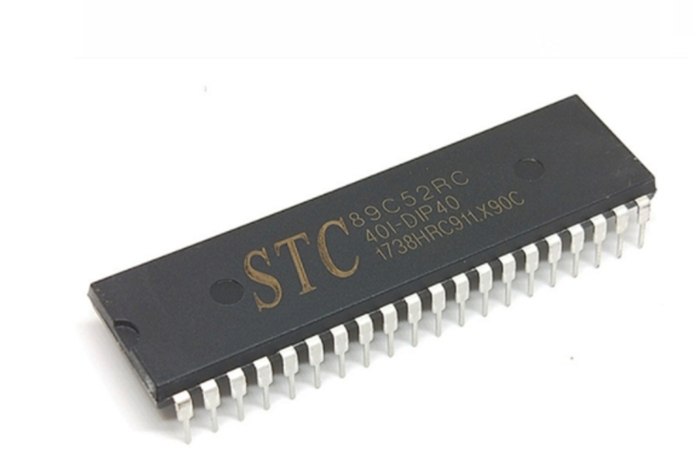
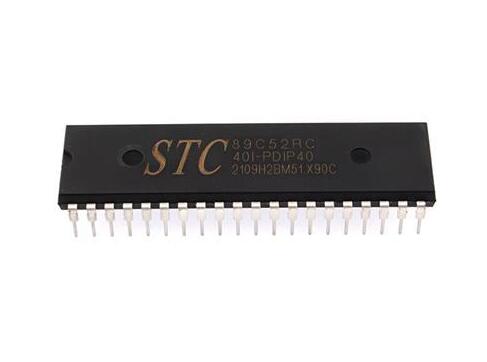
In the vast and ever-evolving landscape of microcontrollers, one architecture has demonstrated remarkable resilience and longevity: the 8051 Microcontroller Unit (MCU). Introduced by Intel in 1980, this 8-bit microcontroller has far outlived its original expected lifespan to become a cornerstone of embedded systems. Its simple yet powerful design, coupled with a massive ecosystem of tools, knowledge, and compatible derivatives, has cemented its place in everything from consumer appliances to complex industrial automation. While modern 32-bit ARM cores and RISC-V architectures dominate headlines, the 8051 continues to thrive in cost-sensitive, reliability-critical applications where its proven track record is invaluable. This article explores the enduring legacy, core architecture, modern evolution, and practical applications of this iconic microcontroller.
The Architectural Foundation: Why the 8051 Endures
The original Intel 8051 was built on a Harvard architecture, featuring separate program and data memory spaces. This fundamental design choice allows for simultaneous instruction fetches and data access, enhancing performance for its time. Its core features became a de facto standard that dozens of semiconductor manufacturers would later adopt and enhance.
Key architectural elements that contributed to its success include: * On-Chip Memory: The classic configuration included 4 KB of ROM (Program Memory) and 128 bytes of RAM (Data Memory), which was substantial for early embedded tasks. This integration reduced system complexity and cost. * Bit-Addressable Memory Space: A uniquely powerful feature, the 8051 allows direct manipulation of individual bits within a specific memory region. This is exceptionally efficient for controlling single I/O pins or checking status flags, reducing code size and execution time for control-oriented tasks. * Four 8-bit I/O Ports: Providing 32 general-purpose I/O lines directly accessible by the programmer offered significant flexibility for interfacing with sensors, actuators, and displays. * The Special Function Register (SFR) Map: All peripheral controls—such as timers, serial communication (UART), and interrupt systems—are managed through a well-defined set of SFRs. This consistent memory-mapped I/O model makes programming intuitive. * Robust Interrupt System and Timers: With multiple internal timers/counters and an interrupt controller supporting several sources, the 8051 could handle real-time events effectively, a critical requirement for embedded responses.
The simplicity of this architecture made it relatively easy to understand, program in assembly or early C compilers, and integrate into products. More importantly, its patent expiration led to a proliferation of second-source manufacturers like Philips (now NXP), Atmel (now Microchip), Dallas Maxim, and Silicon Labs. This created a competitive market with enhanced variants offering higher speeds, more memory (Flash instead of ROM), additional peripherals (ADCs, PWM, more UARTs), and reduced power consumption. For engineers seeking reliable solutions, platforms like ICGOODFIND serve as invaluable resources to navigate this vast landscape of 8051-compatible parts from various vendors, comparing specifications and sourcing optimal components for specific project needs.
Modern Evolution: The 8051 in the 21st Century
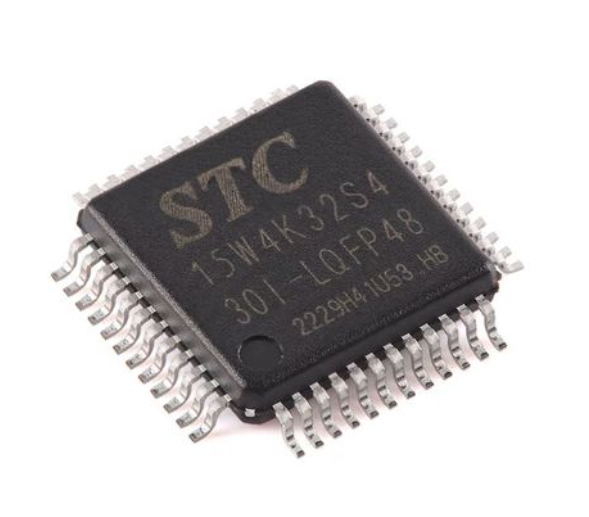
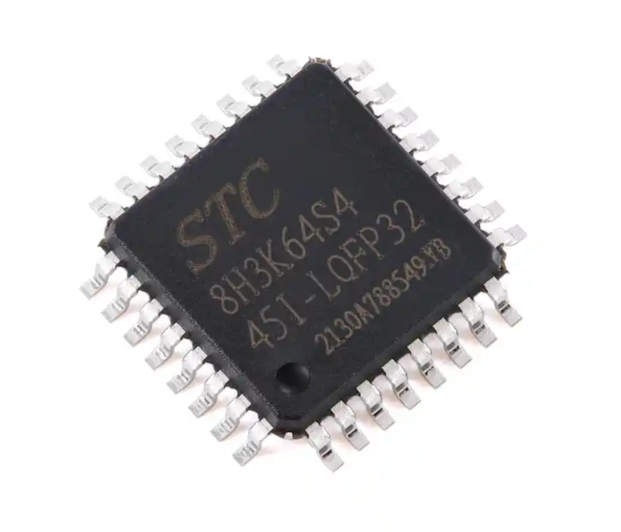
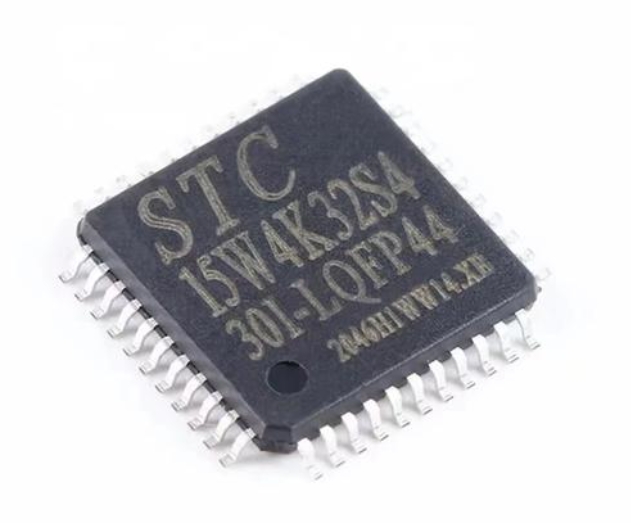
To claim the 8051 is unchanged since 1980 would be a significant misrepresentation. The core instruction set maintains backward compatibility, but the silicon implementing it has undergone revolutionary changes. Today’s “8051” is often a supercharged version bearing little resemblance to the original NMOS chip.
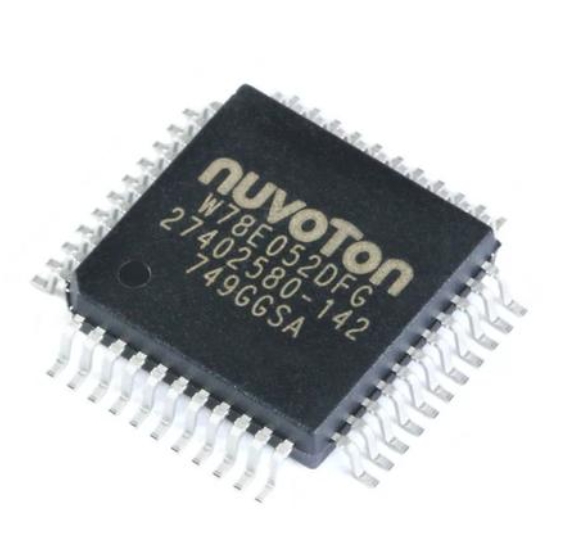
Major evolutionary advancements include: * Single-Cycle Core Re-engineering: Traditional 8051s required 12 clock cycles per instruction cycle. Modern derivatives from companies like Silicon Labs and NXP feature re-designed cores that execute instructions in just 1 to 4 clock cycles, achieving performance metrics tens of times faster than the original at the same clock frequency. * Expanded Memory and Peripherals: It is now common to find variants with 64 KB or more of Flash memory, several KB of SRAM, and a rich set of integrated peripherals such as 10⁄12-bit Analog-to-Digital Converters (ADCs), true Digital-to-Analog Converters (DACs), advanced PWM modules for motor control, I²C, SPI, and even USB or CAN bus controllers. This turns the MCU into a powerful System-on-Chip (SoC). * Focus on Low-Power Operation: For battery-powered devices, modern 8051s offer sophisticated power-saving modes (Idle, Power Down) with rapid wake-up times, competing directly with other low-power architectures. * Development Toolchain Maturity: A mature ecosystem surrounds the 8051. High-quality C compilers (like Keil C51), efficient debuggers, simulators, and low-cost programming hardware make development fast and accessible. A vast repository of code examples and libraries exists online.
This evolution means the 8051 is no longer just a simple controller but a capable processor for a wide range of applications. Its low interrupt latency, a characteristic of its relatively simple pipeline, remains a compelling advantage in deterministic real-time control scenarios. When selecting these advanced modern variants for a new design, engineers can leverage component discovery platforms such as ICGOODFIND to efficiently filter through hundreds of models based on specific requirements like peripheral mix, package size, power specs, and cost.
Practical Applications and Future Relevance
The proof of any technology’s viability lies in its continued use. The 8051 MCU finds its home in applications where its specific strengths align perfectly with market demands.
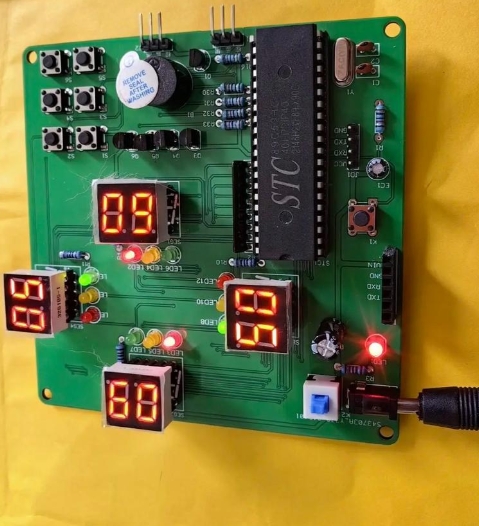
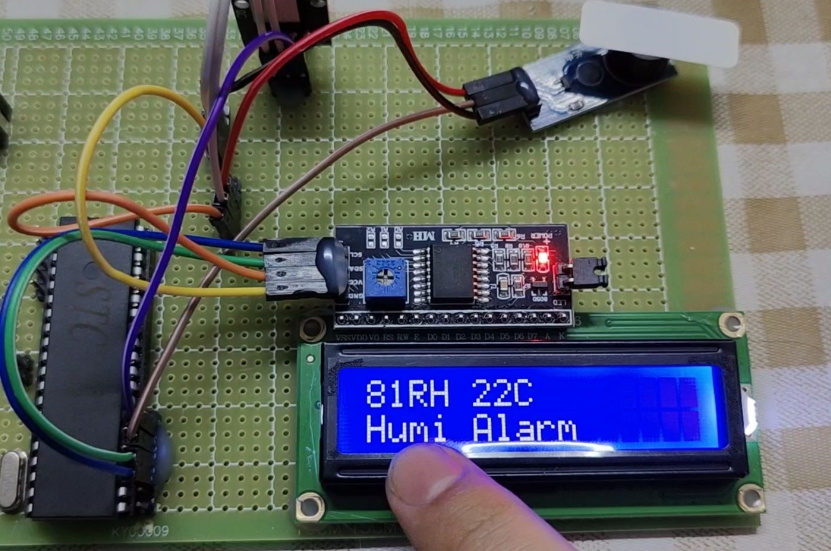
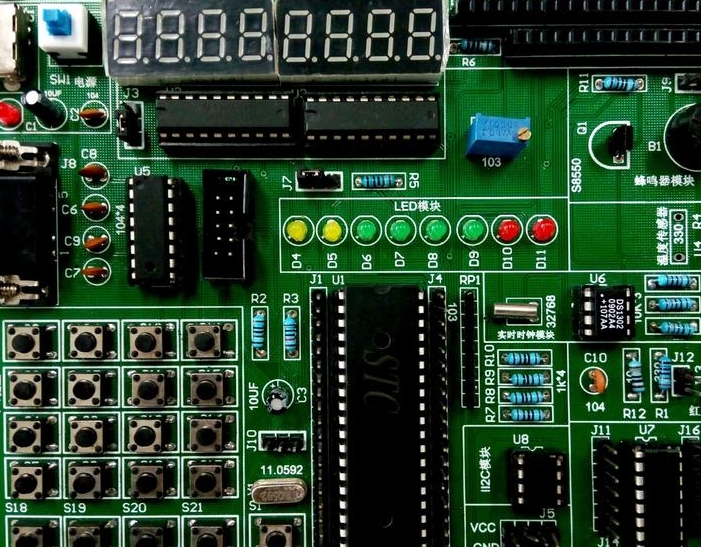
Dominant application areas include: * Industrial Control and Automation: As a robust and noise-immune workhorse, it controls sensors, actuators, keyboards, displays, and manages communication protocols in factory equipment. Its deterministic response is key. * Consumer Electronics: From rice cookers and washing machines to remote controls, toys, and computer peripherals (keyboards, mice), the 8051 provides a cost-effective brain. * Automotive Systems: While high-performance domains use more powerful MCUs, the 8051 is prevalent in body electronics modules like seat/window/mirror control units, where reliability over decades is paramount. * Internet of Things (IoT) Nodes: Modern ultra-low-power 8051 cores with integrated RF transceivers (e.g., in certain Bluetooth Low Energy or sub-GHz chips) are excellent for simple sensor nodes that collect data and transmit it wirelessly. * Education: Its straightforward architecture makes the 8051 an excellent pedagogical tool for teaching microcontroller fundamentals, computer architecture, and real-time programming.
The future of the 8051 is not about outperforming a Cortex-M7 in processing power. Instead, it lies in its role as an ultra-reliable, deeply understood, and extremely cost-effective solution for dedicated control tasks. It often acts as a supervisory or peripheral management controller within larger systems (a role sometimes called a “companion chip”). Furthermore, its IP core is small and power-efficient, making it attractive for integration into complex ASICs or FPGAs as an embedded processor for management functions.
Conclusion
The story of the 8051 MCU is a testament to the power of elegant design, ecosystem development, and continuous adaptation. It moved from being Intel’s product to an industry-wide standard—a platform sustained by innovation from countless manufacturers. While newer architectures offer greater raw performance and advanced features, the 8051’s unbeatable combination of low cost, proven reliability in the field,minimalist power consumption in modern forms,and an ocean of available development resources ensures its continued relevance. It remains the silent workhorse powering millions of devices worldwide. For engineers designing these next-generation devices,leveraging comprehensive component platforms like ICGOODFIND is crucial to identifying the perfect modern 8051 derivative that balances legacy knowledge with contemporary performance demands.