

Is STM32 an MCU or ARM? Understanding the Core of a Popular Embedded Platform
Introduction
In the world of embedded systems and electronics, terminology can sometimes create confusion, especially for newcomers and even seasoned engineers when discussing popular platforms. One common point of ambiguity revolves around the STM32 family of microcontrollers. A frequently asked question is: “Is STM32 an MCU or ARM?” The succinct answer, as hinted in the keyword, is that STM32 is an ARM-based MCU. However, this simple statement unravels a more intricate and fascinating reality. STM32 is not a single chip but a vast family of microcontroller units (MCUs) designed and manufactured by STMicroelectronics. What defines them is their core processing architecture: they are built around processor cores licensed from ARM Holdings. This article will dissect this relationship, clarify the distinctions, and explore why this powerful combination—a specific manufacturer’s hardware implementation (MCU) with a dominant processor architecture (ARM)—has become a cornerstone of modern embedded design. For engineers seeking reliable components and in-depth technical resources for such projects, platforms like ICGOODFIND can be invaluable in navigating the complex semiconductor landscape.
The Heart of the Matter: MCU vs. Architecture
To fully grasp the STM32 identity, we must first disentangle the two core concepts: Microcontroller Unit (MCU) and ARM architecture.
What is an MCU? A Microcontroller Unit (MCU) is a complete computing system on a single integrated circuit (IC). It is designed to govern a specific operation in an embedded system. Think of it as a compact, self-contained computer with all the necessary components to perform dedicated tasks. Key elements integrated into a typical MCU include: * Central Processing Unit (CPU): The brain that executes instructions. * Memory: Both volatile (RAM for temporary data) and non-volatile (Flash/ROM for storing program code). * Programmable Input/Output (I/O) Peripherals: These allow the MCU to interact with the external world (e.g., GPIO pins, UART, I2C, SPI, USB controllers). * Timers and Clock Circuits: For controlling timing operations. * Analog-to-Digital Converters (ADCs): To read real-world analog signals.
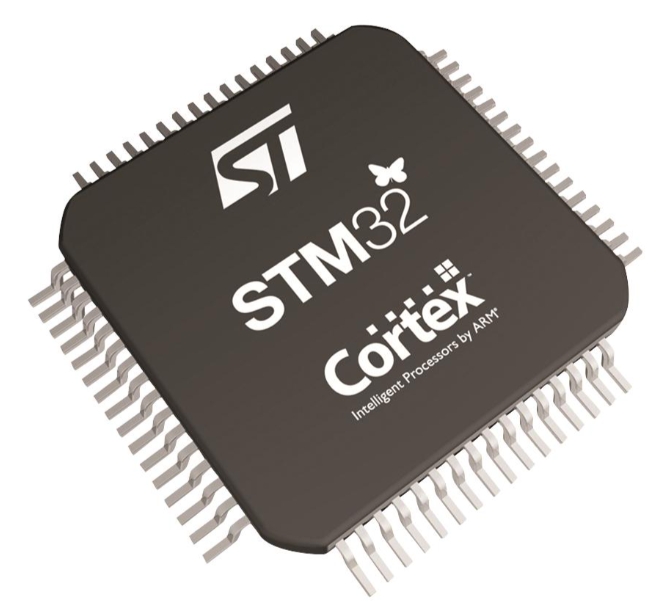
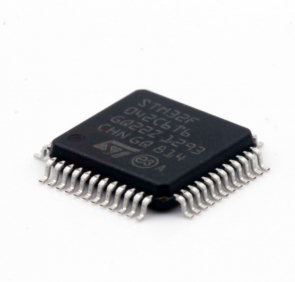
An MCU is a tangible, physical product you can purchase, solder onto a board, and program. STMicroelectronics’ STM32 is precisely this—a series of physical MCU chips with varying capabilities, pin counts, and peripheral sets.
What is ARM? ARM, in this context, refers not to a physical chip but to a processor architecture and the company that designs it (ARM Holdings). ARM creates blueprints for CPU cores—designs that define how the processor executes instructions, manages memory, and handles data. Crucially, ARM does not manufacture chips itself. Instead, it licenses these core designs to semiconductor companies like STMicroelectronics, NXP, Texas Instruments, and many others. These companies then take the ARM CPU core blueprint and integrate it into their own custom silicon, adding memory, peripherals, and other proprietary technology to create their unique MCUs or MPUs (Microprocessor Units).
Therefore, “ARM” specifies the type of engine inside the computing device, while “MCU” describes the complete vehicle built around that engine. The ARM architecture is renowned for its power efficiency, performance per watt, and a rich ecosystem of development tools, which explains its overwhelming popularity in embedded and mobile applications.
STM32: The Synergistic Fusion
The STM32 product line is where the abstract ARM architecture materializes into concrete, versatile hardware. STMicroelectronics takes specific ARM Cortex-M series core designs and expertly builds complete microcontroller systems around them.
The ARM Cortex-M Core at Its Heart All STM32 microcontrollers are based on ARM Cortex-M processor cores. The specific core varies across the extensive STM32 family: * Cortex-M0/M0+: Used in ultra-low-power, cost-sensitive STM32 series (e.g., STM32L0, STM32G0). Ideal for simple control applications. * Cortex-M3: Found in mainstream performance series like STM32F1, offering a great balance of performance and efficiency. * Cortex-M4: Adds digital signal processing (DSP) instructions and an optional floating-point unit (FPU). Used in high-performance series like STM32F4 for more complex computation. * Cortex-M7: The highest-performance core in the M-lineup, featuring double-precision FPU and cache, used in top-tier STM32 series like STM32F7. * Cortex-M33: Incorporating ARM TrustZone technology for enhanced security, featured in newer series like STM32L5.
What Makes an STM32 an STM32? While the core is ARM’s design, the value and differentiation come from STMicroelectronics’ engineering: 1. Peripheral Integration: ST adds its own portfolio of high-quality peripherals—advanced timers, multiple communication interfaces (I2C, SPI, CAN FD), USB controllers, Ethernet MACs, and graphics accelerators in some lines. 2. Analog Features: Industry-leading ADCs, DACs, comparators, and op-amps are integrated on-chip. 3. Memory Configuration: ST defines the amount and type of Flash and SRAM for each product variant. 4. Power Management: Innovative power-saving modes are a hallmark of many STM32 families (e.g., STM32L4/L5 for ultra-low-power). 5. Physical Packaging: Offered in a vast range of packages from small WLCSP to high-pin-count LQFP/BGA. 6. Comprehensive Ecosystem: This includes proprietary tools like STM32CubeMX (initialization code generator), STM32CubeIDE (free IDE), extensive hardware evaluation boards (Nucleo, Discovery), and the HAL/LL software libraries.
Thus, when you use an STM32F407 chip for a motor control project or an STM32L432 for a battery-powered sensor node, you are leveraging both the efficient computational model of an ARM Cortex-M4 or M3 core and the specific set of peripherals, analog capabilities, and software support crafted by STMicroelectronics.
Why This Distinction Matters for Engineers
Understanding that “STM32 = ARM-based MCU” is more than semantic pedantry; it has practical implications for design and development.
Leveraging a Dual-Layer Ecosystem The distinction grants developers access to two powerful ecosystems: 1. The ARM Ecosystem: Because the core is standard ARM Cortex-M, you can utilize a wide array of universal development tools. This includes major compiler suites (ARM GCC, Keil MDK, IAR Embedded Workbench), real-time operating systems (FreeRTOS has official Cortex-M ports), debug probes (like SEGGER J-Link), and a wealth of generic Cortex-M programming knowledge. 2. The STMicroelectronics Ecosystem: You simultaneously benefit from ST’s dedicated support: detailed reference manuals for their specific peripherals, graphical configuration tools (CubeMX), hardware abstraction libraries (HAL), and application notes tailored to their chips’ unique features.
This dual-layer support significantly reduces development risk and time-to-market.
Portability and Skill Transfer Knowledge of the ARM Cortex-M architecture is portable. An engineer familiar with programming an ARM Cortex-M4 core in an NXP or Microchip MCU will find many concepts directly applicable when moving to an STM32 with a Cortex-M4 core. The fundamental instruction set, interrupt controller (NVIC), and memory model remain consistent. The primary learning curve involves mastering the new set of vendor-specific peripherals and register interfaces—a task greatly simplified by libraries like ST’s HAL.
Informed Component Selection When sourcing parts for a project on platforms like ICGOODFIND, which aggregates components from numerous suppliers worldwide, understanding this distinction helps make better choices. You can filter your search strategically: you might look for “ARM Cortex-M4 MCUs” to define your performance envelope broadly and then compare offerings from ST (STM32), NXP (Kinetis/LPC), or others based on their specific peripheral mix, price point (and availability). Knowing that “STM32” implies both an ARM core and ST’s quality standards allows for efficient procurement decisions.
Conclusion
So, is STM32 an MCU or ARM? It is definitively both—but in different respects. STM32 refers to the comprehensive physical microcontroller unit—the complete chip—manufactured by STMicroelectronics. ARM refers to the intellectual property defining the CPU core embedded within that chip. Therefore, stating that “STM32 is an ARM-based MCU” accurately captures this symbiotic relationship: it is a family of microcontrollers whose computational engine is based on the widely adopted ARM Cortex-M architecture.
This fusion has propelled the STM32 to its dominant position in the market. It offers developers the best of both worlds: the standardization, efficiency, and broad toolchain support of the ARM ecosystem combined with the innovative peripheral integration, robust quality control (and reliable supply chain options through distributors), and extensive direct support from a leading semiconductor manufacturer like STMicroelectronics. For anyone embarking on an embedded design project, researching these components on comprehensive platforms such as ICGOODFIND can streamline the process of finding the right STM32 variant or its alternatives, ensuring that your design is built on a solid foundation of both powerful architecture and high-quality implementation.