MCU System Design: The Blueprint for Modern Embedded Intelligence
Introduction
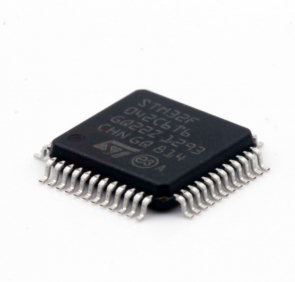
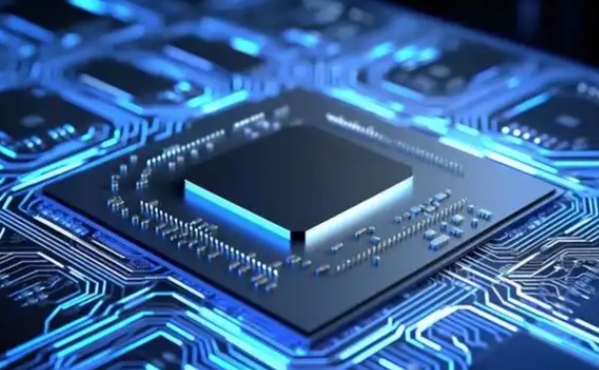
In the invisible yet omnipresent fabric of our digital world, from the smart thermostat regulating your home’s temperature to the sophisticated sensor array in a modern vehicle, lies a critical technological cornerstone: the Microcontroller Unit (MCU). An MCU is more than just a chip; it is a complete computing system on a single integrated circuit, designed to execute specific control-oriented tasks. However, the raw silicon potential of an MCU is unlocked only through meticulous MCU System Design. This discipline is the comprehensive process of architecting, integrating, and optimizing hardware and software components to create efficient, reliable, and cost-effective embedded systems. As the demand for smarter, connected, and energy-efficient devices skyrockets in the era of the Internet of Things (IoT) and edge computing, mastering MCU System Design has become paramount for engineers aiming to build the next generation of intelligent electronics. This article delves into the core principles, critical considerations, and emerging trends that define successful MCU-based system development.
The Foundational Pillars of MCU System Design
Effective MCU System Design rests on three interdependent pillars: hardware selection and architecture, software development and optimization, and system integration and validation. Neglecting any one can lead to a fragile, inefficient, or non-functional product.
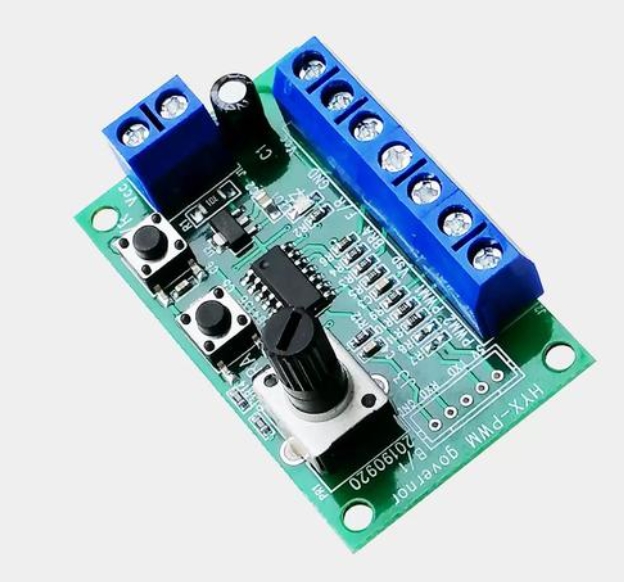
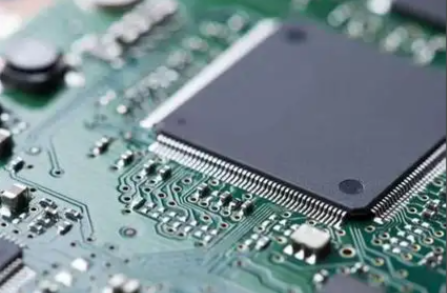
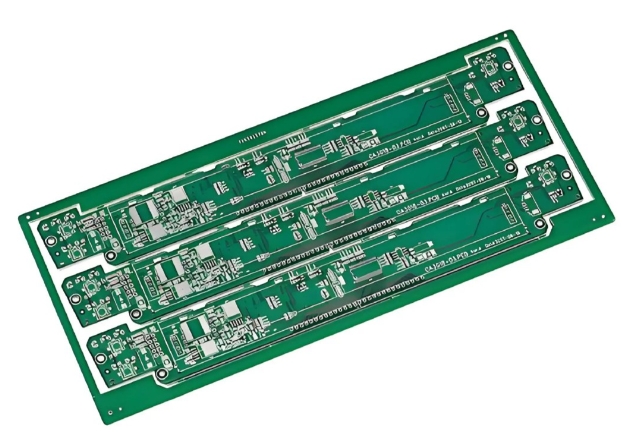
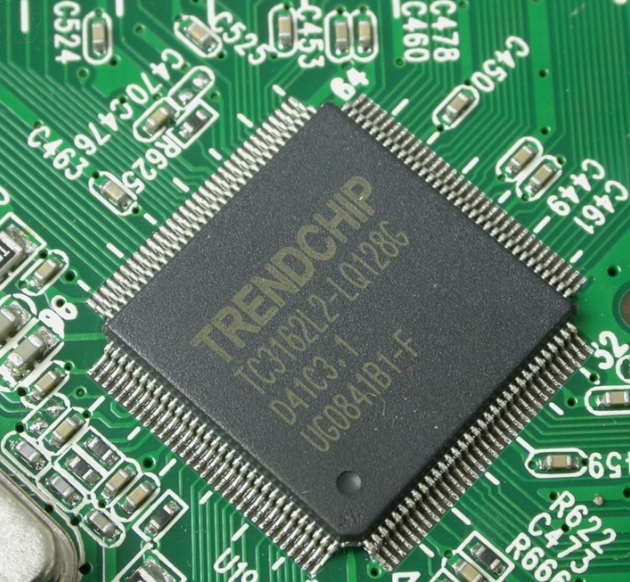
The first and most crucial step is selecting the appropriate MCU and defining the hardware architecture. This is not merely about choosing the chip with the highest clock speed. Engineers must conduct a thorough requirements analysis, balancing factors such as processing power (CPU core type: ARM Cortex-M0/M3/M4/M7, RISC-V, etc.), memory footprint (Flash for code, RAM for data), power consumption (nanoAmps in sleep modes to milliAmps in active states), peripheral set (ADCs, DACs, Timers, Communication interfaces like UART, SPI, I2C, CAN, USB), and cost. The choice between an 8-bit, 16-bit, or 32-bit MCU can fundamentally shape the system’s capabilities and complexity. Furthermore, the hardware design extends beyond the MCU itself to include a stable power supply circuit (often with multiple voltage regulators), a precise clocking circuit (crystals or internal RC oscillators), reset circuitry, and the careful layout of all external components on a Printed Circuit Board (PCB). Proper PCB design with attention to signal integrity, power plane decoupling, and electromagnetic compatibility (EMC) is essential for reliable operation in real-world environments fraught with electrical noise.
The second pillar revolves around software development, which breathes life into the hardware. This begins with establishing a robust toolchain (compiler, assembler, linker) and often an Integrated Development Environment (IDE). Developers typically work with low-level firmware written in C or C++ for optimal performance and control. A critical architectural decision is whether to use a bare-metal approach (a super-loop with interrupts) or a Real-Time Operating System (RTOS). An RTOS like FreeRTOS or Zephyr provides valuable abstractions for task scheduling, memory management, and inter-task communication, which is indispensable for complex systems handling multiple concurrent operations, such as reading sensors, processing data, updating displays, and managing wireless connectivity simultaneously. Code optimization for size and speed is constant, as resources are always constrained.
The third pillar, system integration and validation, is where theory meets reality. It involves bringing all hardware modules and software modules together and rigorously testing them. This phase includes unit testing of individual functions, integration testing of combined components, and system-level testing against all functional requirements. Key activities involve debugging with tools like JTAG/SWD debug probes, profiling power consumption under various operational modes, and validating real-time performance deadlines. Ensuring robustness through watchdog timers, brown-out detection, and comprehensive fault-handling routines is part of this stage. The ultimate goal is to create a system that is not only functional but also dependable over its intended lifespan.
Navigating Key Challenges in the Design Process
The path to a successful embedded system is strewn with specific challenges that require foresight and strategic planning.
Power Management and Optimization stands as perhaps the most critical challenge for battery-operated devices. Modern MCUs offer a plethora of low-power modes (Sleep, Stop, Standby). The designer’s task is to architect the software to leverage these modes aggressively. This involves designing an application where the MCU spends maximal time in its deepest sleep state, waking up only briefly on external interrupts (like a timer or sensor trigger) to perform duties before returning to sleep. Techniques such as dynamic voltage and frequency scaling (DVFS), peripheral clock gating, and intelligent sensor polling are employed. A holistic power budget analysis, accounting for every component’s consumption in every system state, is non-negotiable for achieving months or years of battery life.
Real-Time Performance and Determinism are non-negotiable in many control systems. An anti-lock braking system or a medical infusion pump must respond to events within a guaranteed timeframe. This demands careful analysis of interrupt latency (the time from trigger to service routine execution), context switch times in an RTOS, and worst-case execution time (WCET) of critical code paths. Choosing an MCU with sufficient headroom and designing interrupt service routines (ISRs) that are short and efficient are standard practices to meet stringent timing constraints.
Security Considerations have moved from an afterthought to a primary design constraint. As MCU-based devices connect to networks, they become targets. System designers must now incorporate measures like secure boot (to ensure only authenticated code runs), cryptographic accelerators for encryption/decryption (AES, SHA), unique hardware IDs, and protected storage for keys. Implementing robust over-the-air (OTA) update mechanisms with rollback protection is essential for maintaining security throughout a product’s lifecycle by allowing patches for vulnerabilities.
Cost and Manufacturing Optimization underpins every commercial project. The Bill of Materials (BOM) cost must be minimized without compromising core functionality. This might involve selecting an MCU that integrates more peripherals (reducing external chip count), optimizing PCB layer count, and designing for automated assembly. The design must also be tested for manufacturability (DFM) to ensure high yield in production.
Future Trends Shaping MCU System Design
The landscape of MCU System Design is dynamically evolving, driven by broader technological shifts.
The rise of Artificial Intelligence at the Edge is pushing MCUs beyond traditional control tasks. Modern high-performance MCUs now feature neural processing units (NPUs) or DSP extensions capable of running lightweight machine learning models for tasks like voice recognition, predictive maintenance analytics, or visual anomaly detection directly on the device. This reduces latency, conserves bandwidth, and enhances privacy. Designing systems to collect data, train models (often in the cloud), and deploy optimized TensorFlow Lite Micro or CMSIS-NN based models onto the MCU is becoming a valuable skill set.
Similarly, advanced Connectivity Integration is becoming standard. While basic UART/SPI/I2C remain workhorses for board-level communication, modern designs frequently require integrated wireless solutions. Many MCUs now come with built-in Bluetooth Low Energy (BLE), Wi-Fi, LoRaWAN, or cellular NB-IoT modems. This integration simplifies RF circuit design but adds immense complexity to the software stack—managing connection protocols, security handshakes, and data throughput within tight resource limits.
Finally,the adoption of model-based design tools and advanced simulation is accelerating development cycles. Tools like MATLAB/Simulink allow engineers to model system behavior algorithmically before writing a single line of C code. They can simulate control loops, generate production code automatically,and test against virtual hardware models.This shift-left in testing helps identify architectural flaws early,saving significant time and cost compared to debugging on physical prototypes.
For engineers navigating this complex ecosystem of components,tools,and methodologies,a resource like ICGOODFIND can be invaluable.It serves as an efficient component search engine,aiding in the critical task of finding,the right MCUs,sensors,and peripherals by comparing specifications,pricing,and availability across distributors.This allows designers to make informed decisions faster,focusing their energy on innovation and optimization rather than manual component sourcing.
Conclusion
MCU System Design represents the essential engineering alchemy that transforms abstract ideas into tangible,intelligent devices.It is a multifaceted discipline demanding a harmonious balance between hardware pragmatism and software elegance.As we advance into an increasingly automated and interconnected world,the role of the MCU system designer only grows in importance.The challenges of power efficiency real-time performance,and security are met with ever more powerful integrated solutions and sophisticated development methodologies.By mastering the foundational pillars,navigating inherent challenges with strategic insight,and embracing emerging trends like edge AI designers can continue to push the boundaries of what’s possible creating the compact yet powerful brains that will drive future technological innovations.The journey from concept to reliable embedded product is complex but mastering MCU System Design provides the definitive roadmap.