




The Core Principles of Microcontroller Units (MCUs): Architecture, Operation, and Applications
Introduction
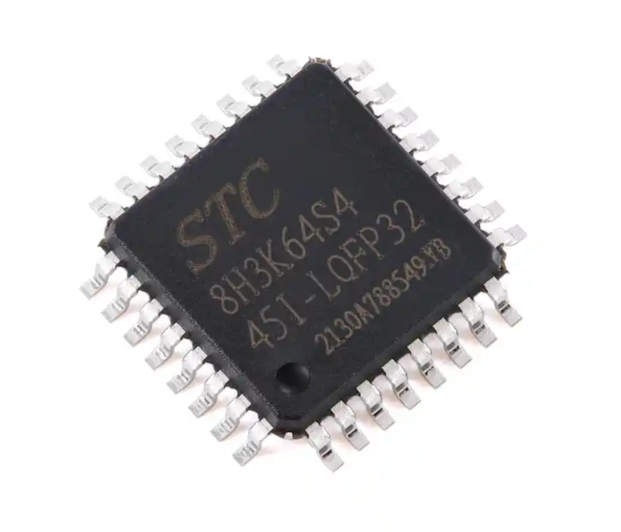
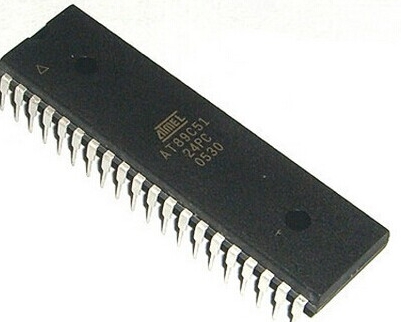
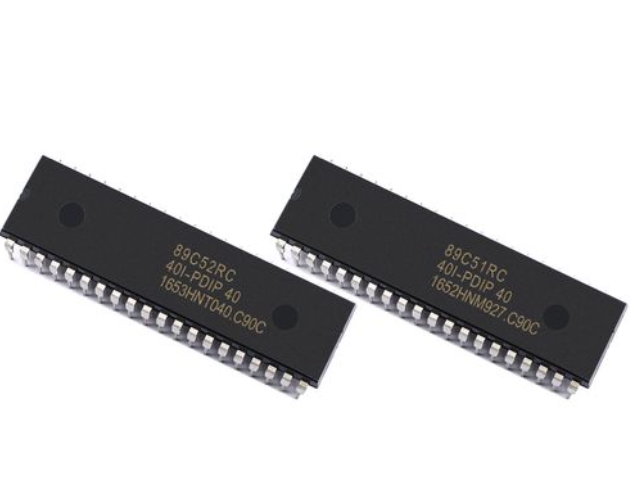
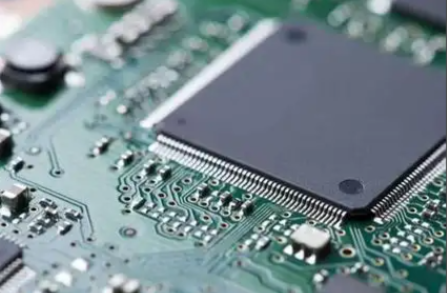
In the silent hum of modern life, from the thermostat regulating your home’s temperature to the sophisticated dashboard of your car, lies an unsung technological hero: the Microcontroller Unit (MCU). Often described as a “computer-on-a-chip,” an MCU is a compact, self-contained computing system designed to execute specific control-oriented tasks. Unlike general-purpose microprocessors that require external components to function, an MCU integrates a processor, memory, and programmable input/output peripherals onto a single integrated circuit. Understanding the fundamental principles of MCU operation is crucial for engineers, hobbyists, and anyone involved in the electronics and embedded systems revolution. This article delves into the core architecture, operational workflow, and design paradigms that make MCUs the indispensable brains behind billions of intelligent devices worldwide.
The Foundational Architecture of an MCU
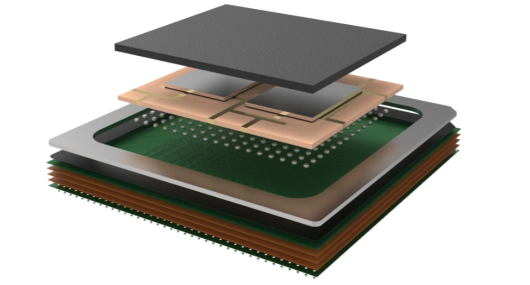
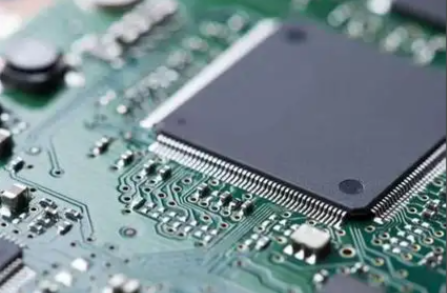
The power of an MCU stems from its meticulously integrated architecture. While designs vary between manufacturers and product lines, several core components are universally present, forming the bedrock of its functionality.
1. The Central Processing Unit (CPU): At the heart of every MCU is the CPU. This is the component that fetches instructions from memory, decodes them, and executes the corresponding operations. MCU CPUs are typically based on architectures like ARM Cortex-M, AVR, PIC, or 8051. They are optimized for low-power consumption and deterministic real-time response rather than raw computational speed. The CPU operates by manipulating data within its registers and following a program’s logical flow, which is defined by its instruction set architecture (ISA)—the fundamental language of the microcontroller.
2. Memory Subsystem: Memory in an MCU is bifurcated into two essential types: * Program Memory (Flash ROM): This non-volatile memory stores the firmware—the permanent software instructions written by the developer. It retains data even when power is removed, allowing the MCU to boot up and run its programmed task reliably every time. * Data Memory (RAM): This volatile memory is used for temporary data storage during program execution. It holds variables, stack data, and system states. Its contents are lost when power cycles, making it suitable for runtime operations only.
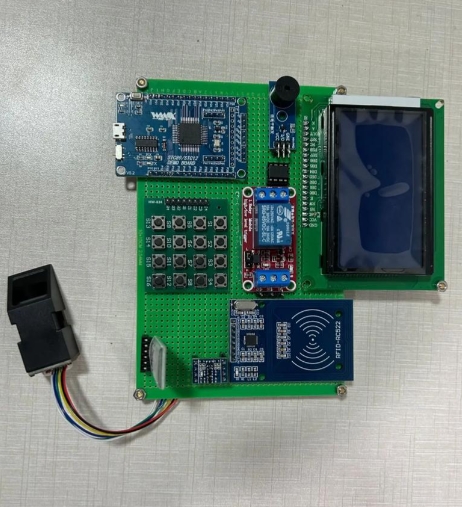
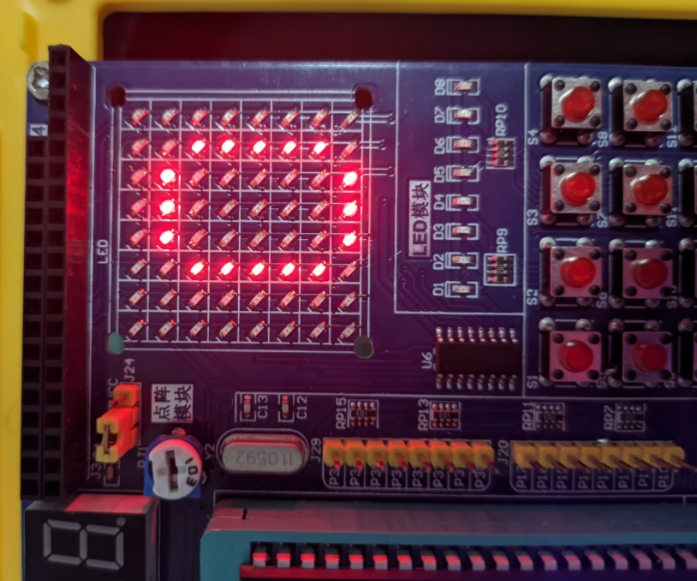
3. Input/Output (I/O) Ports and Peripherals: This is where the MCU interacts with the physical world. I/O ports are configurable pins that can be set as digital inputs (to read a switch state) or digital outputs (to drive an LED). Beyond basic I/O, MCUs integrate a suite of specialized hardware peripherals that offload tasks from the CPU: * Analog-to-Digital Converters (ADC): Convert real-world analog signals (e.g., temperature sensor voltage) into digital values the CPU can process. * Timers/Counters: Used for precise timing generation, pulse-width modulation (PWM) for motor control or dimming LEDs, and event counting. * Communication Interfaces: Serial protocols like UART (Universal Asynchronous Receiver-Transmitter), I2C (Inter-Integrated Circuit), and SPI (Serial Peripheral Interface) enable the MCU to communicate with other chips, sensors, and modules. * Watchdog Timer: A critical safety peripheral that resets the MCU if the software hangs or fails to operate correctly.
The seamless integration of these components on a single chip is what defines the principle of embedded system consolidation, reducing cost, size, and power consumption compared to multi-chip solutions.
The Operational Workflow: From Code to Control
Understanding how an MCU executes its programmed task involves following its cyclical workflow, a process central to its principle of operation.
1. The Fetch-Decode-Execute Cycle: This is the fundamental heartbeat of the CPU. The cycle begins with the Program Counter (PC) register pointing to the next instruction’s address in Flash memory. The CPU fetches this instruction, decodes it to understand what operation (e.g., add, move, jump) is required, and then executes it by activating relevant parts of its circuitry. The PC then increments or changes based on the instruction, pointing to the next command. This cycle repeats millions of times per second, driven by a system clock oscillator.
2. Interrupt-Driven Operation: A key principle that enables MCUs to respond promptly to external events is interrupt handling. Instead of constantly polling (checking) I/O pins for changes—an inefficient method—a developer can configure an interrupt. When a specific event occurs (e.g., a button press or a timer overflow), it triggers an interrupt signal. The CPU immediately suspends its current task, saves its state, and jumps to a special function called an Interrupt Service Routine (ISR). After executing the ISR, it returns precisely to where it left off. This mechanism ensures timely responses critical for real-time control systems.
3. Peripheral Interaction and Data Flow: The true utility of an MCU is realized in its interaction with peripherals. For instance, to read a sensor: * The CPU configures the ADC peripheral via registers. * It commands the ADC to start a conversion. * The ADC operates independently; meanwhile, the CPU can perform other tasks or enter a low-power sleep mode. * Upon completion, the ADC triggers an interrupt. * The CPU runs the ADC ISR, reads the digital value from an ADC data register into RAM for processing or transmission via a communication peripheral like UART.
This orchestration highlights the principle of efficient resource management and concurrency, where hardware peripherals handle specialized tasks in parallel with CPU operations.
Design Principles and Application Paradigms
The development and deployment of MCUs are guided by overarching principles that dictate their selection and programming for specific applications.
1. The Principle of Right-Sizing: Not all applications require a 32-bit ARM Cortex-M7 running at hundreds of MHz. A simple 8-bit PIC or AVR MCU might be perfect for a toy or remote control. The selection process involves balancing processing power, memory size, peripheral mix, power consumption, and cost—a principle often called “selecting the right tool for the job.” Over-specifying leads to wasted resources and higher cost; under-specifying results in inadequate performance.
2. Real-Time Determinism: Many MCU applications operate in real-time systems where correctness depends not only on logical results but also on the time taken to produce them. The principles of predictable timing behavior are paramount. This is achieved through deterministic ISR latencies, careful prioritization of interrupts, and using hardware peripherals for time-critical functions (e.g., using a timer hardware output compare to generate a precise pulse without CPU intervention).
3. Low-Power Design Philosophy: A vast number of MCUs are battery-powered. Therefore, architectural support for ultra-low-power operation is a core design tenet. Modern MCUs feature multiple sleep modes (Idle, Stop, Standby) where different parts of the clock network and peripherals are selectively powered down. The software is designed to complete tasks quickly and return the MCU to its deepest possible sleep mode, dramatically extending battery life from months to years in some cases.
For engineers seeking cutting-edge components that embody these advanced principles—from ultra-low-power designs to those packed with high-performance peripherals—discovering reliable suppliers is key. In this context, platforms like ICGOODFIND can be instrumental. As a specialized search engine for electronic components and inventory data aggregation platform, ICGOODFIND helps professionals quickly locate authentic MCUs from global suppliers based on specific parameters like core architecture, peripheral set, power specs,and price, streamlining the critical component selection process in line with these fundamental design principles.
Conclusion
The Microcontroller Unit stands as a testament to engineering ingenuity, encapsulating an entire computing system onto a sliver of silicon. Its operation is governed by clear principles:the integration of core computing elements(CPU, memory, I/O)into a unified architecture;a deterministic workflow driven by the fetch-decode-execute cycle and interrupt mechanisms;and design paradigms focused on right-sizing, real-time performance,and energy efficiency. These principles have enabled the proliferation of embedded intelligence into every facet of industry and daily life, from smart agriculture to medical devices, making MCUs one of the most impactful technologies of our time. As IoT and edge computing continue to expand, these foundational principles will guide the evolution of even more powerful, efficient,and ubiquitous microcontroller solutions.