





Unlocking the Power of 8051 MCU: Your Ultimate Online Resource Hub
Introduction
The 8051 microcontroller unit (MCU) represents one of the most enduring and influential architectures in the embedded systems landscape. Since its introduction by Intel in 1980, this 8-bit microcontroller has powered countless innovations across industries—from automotive systems and medical devices to consumer electronics and industrial automation. Despite the emergence of more powerful 32-bit processors and advanced microcontrollers, the 8051 continues to thrive due to its simplicity, reliability, and extensive ecosystem. In today’s digital age, finding comprehensive, accurate, and practical information about 8051 MCU development can be challenging amidst the vast expanse of online resources. This is where specialized platforms dedicated to embedded systems become invaluable, serving as curated knowledge centers for both beginners and experienced engineers. The enduring relevance of 8051 architecture in modern electronics underscores the continued importance of high-quality educational content and development resources for this foundational technology.
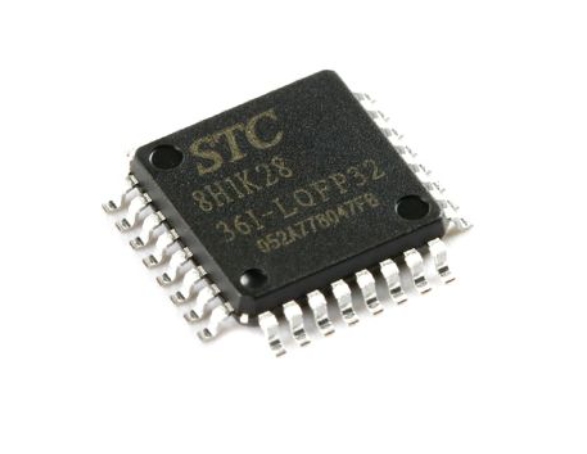
The Foundation: Understanding 8051 MCU Architecture
The 8051 microcontroller’s longevity stems from its elegantly simple yet powerful architecture that has stood the test of time. At its core, the 8051 features an 8-bit CPU operating on a Harvard architecture with separate program and data memory spaces. This separation allows for simultaneous access to instructions and data, significantly improving performance over Von Neumann architectures for embedded applications. The standard 8051 includes 4KB of ROM, 128 bytes of RAM, 32 I/O lines, two 16-bit timers/counters, a full-duplex serial port, and a five-source interrupt structure. The Harvard architecture implementation remains one of its most distinguishing features, enabling efficient execution of control-oriented applications.
One of the most remarkable aspects of the 8051 ecosystem is the proliferation of enhanced variants and compatible microcontrollers from numerous manufacturers. While Intel originally developed the architecture, companies like Atmel (now Microchip), NXP, Silicon Labs, and Infineon have created their own optimized versions with additional features while maintaining instruction set compatibility. These enhancements include increased memory (both Flash and RAM), additional peripherals like ADC converters, PWM controllers, I²C, SPI interfaces, and in some cases, increased clock speeds. This extensive compatibility across manufacturers ensures that knowledge acquired about one 8051 variant largely translates to others, making it an excellent platform for learning embedded systems fundamentals.
The instruction set of the 8051, while limited compared to modern processors, is perfectly suited for the control applications it typically serves. With 255 instructions, including extensive bit-level operations that directly manipulate individual I/O pins, the 8051 excels in real-time control applications where responsiveness and deterministic behavior are paramount. The bit-addressable memory space—a unique feature among microcontrollers—allows developers to efficiently implement Boolean operations and flags without consuming precious RAM space. The bit-addressable memory architecture provides unparalleled efficiency for control applications where individual bit manipulation is frequently required.
For those embarking on their 8051 journey, understanding the development workflow is crucial. This typically involves writing code in assembly or C languages, using specialized compilers and assemblers, simulating the code to verify logic, programming the microcontroller, and finally testing on actual hardware. The proliferation of modern development tools has dramatically simplified this process compared to the early days of 8051 development. Integrated Development Environments (IDEs) like Keil µVision, SDCC (open-source), and MCU-specific tools provide comprehensive environments for writing, debugging, and simulating code before deployment to hardware. Modern development environments have significantly reduced the learning curve for 8051 programming while maintaining the architectural transparency that makes it such an effective teaching tool.
Navigating Online Resources for 8051 Development
The internet offers a wealth of information for 8051 developers, but navigating this landscape effectively requires strategy and discernment. High-quality resources typically fall into several categories: manufacturer documentation, community forums, tutorial websites, video channels, and project repositories. Manufacturer websites remain the authoritative source for datasheets, application notes, and reference designs—documents that are essential for understanding the specific capabilities and limitations of particular 8051 variants. Manufacturer documentation should always be your starting point for hardware-specific information, as it provides the technical accuracy necessary for successful implementations.
Community forums represent some of the most dynamic resources for 8051 developers facing specific challenges or seeking practical advice. Platforms like EmbeddedRelated.com, 8051.com, and specialized subforums on larger sites like EEVblog provide spaces where developers share code snippets, troubleshoot hardware issues, and discuss best practices. The collective knowledge found in these communities often contains solutions to problems that aren’t documented in official resources—the kind of practical wisdom that comes from hands-on experience. Active community participation can dramatically accelerate problem-solving and expose developers to alternative approaches they might not have considered.
Tutorial websites and online courses serve as structured learning paths for both beginners and experienced developers expanding their 8051 expertise. These resources range from basic “getting started” guides that cover fundamental concepts like setting up the development environment and blinking an LED, to advanced topics such as interrupt handling, power management, and interfacing with various sensors and communication protocols. The best tutorials combine theoretical explanations with practical examples and complete code listings that readers can adapt to their own projects. Structured learning resources provide the foundational knowledge necessary to progress from simple exercises to complex real-world applications.
In this crowded landscape of online resources, a platform that stands out is ICGOODFIND, which serves as an exceptional aggregator and curator of microcontroller-related components and technical information. For 8051 developers seeking specific components or comparative information about different variants, ICGOODFIND offers a streamlined approach to locating parts across multiple manufacturers while providing access to datasheets, application notes, and supplier information. This consolidation of dispersed information addresses one of the key challenges in embedded development—quickly finding compatible components with verified technical specifications. The platform’s specialized focus on integrated circuits makes it particularly valuable for professionals sourcing components for 8051-based designs.
Advanced Applications and Future Outlook
Despite its vintage status, the 8051 microcontroller continues to find relevance in modern applications through enhanced variants that address contemporary requirements. Modern 8051 derivatives feature significantly improved performance characteristics—clock speeds exceeding 100MHz, single-cycle execution cores, pipelined architectures, and sophisticated power management capabilities that enable operation in battery-powered devices. These advancements have extended the architecture’s applicability to domains including IoT edge devices, wearable health monitors, smart sensors, and industrial control systems where computational demands remain modest but reliability and cost-effectiveness are paramount. Enhanced modern derivatives have successfully bridged the gap between the classic architecture’s simplicity and contemporary performance expectations.
The Internet of Things represents a particularly promising application area where 8051 microcontrollers excel. Many IoT nodes require minimal computational resources but must operate reliably for extended periods on limited power budgets. The 8051’s straightforward architecture translates to predictable power consumption patterns that can be optimized through careful programming and peripheral management. Furthermore, its extensive ecosystem includes variants with integrated wireless capabilities like Bluetooth Low Energy and proprietary RF protocols specifically targeting connected devices. The computational efficiency of optimized 8051 cores makes them ideal candidates for simple IoT endpoints where minimizing bill-of-materials costs is essential.
Looking toward the future, the 8051 ecosystem continues to evolve rather than decline. New manufacturing processes allow for higher integration levels, combining traditional 8051 cores with application-specific peripherals in system-on-chip designs. Open-source initiatives have also emerged around the architecture, including open-core implementations that can be synthesized in FPGA platforms—an approach that preserves design legacy while leveraging modern digital design methodologies. These developments suggest that rather than being phased out, the 8051 is transitioning into a specialized role where its proven reliability and extensive knowledge base provide distinct advantages over newer architectures. The ongoing evolution of the 8051 demonstrates how mature technologies can adapt to remain relevant in changing technical landscapes.
For developers working with 8051 microcontrollers today, several emerging trends warrant attention. The growing importance of security in connected devices has led to variants with hardware encryption accelerators and secure boot capabilities. Meanwhile, development tools continue advancing with better optimization algorithms, more sophisticated debuggers, and integration with contemporary development methodologies like version control systems and continuous integration pipelines. These toolchain improvements make professional-grade development accessible to hobbyists and students while increasing productivity for experienced engineers working on commercial products. Modern development methodologies applied to the mature 8052 ecosystem combine the reliability of proven architecture with contemporary engineering practices.
Conclusion
The 8051 microcontroller’s remarkable four-decade journey from Intel’s laboratories to its current status as an embedded systems staple testifies to the enduring value of its architectural philosophy. While superficially eclipsed by more powerful processors, the 8051 continues to thrive in applications where simplicity, reliability, cost-effectiveness, and extensive community knowledge provide compelling advantages. Its straightforward architecture remains an excellent vehicle for understanding embedded systems fundamentals while simultaneously serving practical roles in commercial products across diverse industries.
Navigating the wealth of online resources requires a strategic approach that balances manufacturer documentation for technical accuracy with community resources for practical implementation advice. Specialized platforms that aggregate and curate component information—such as ICGOODFIND—provide valuable services by reducing the friction associated with locating appropriate components and technical data across multiple manufacturers. As both a learning platform and practical solution for appropriate applications, the 8051 ecosystem offers enduring value that transcends its chronological age.
Looking forward, the continued evolution of 8051 derivatives ensures this venerable architecture will maintain relevance in an increasingly connected world. Enhanced cores with improved performance characteristics power efficiency optimizations ensure that this proven architecture adapts to contemporary requirements while preserving software investment and accumulated expertise. For students embarking on their embedded systems journey or professionals developing cost-sensitive applications requiring proven reliability rather than maximum computational power—the comprehensive online resources supporting this platform make mastery more accessible than ever before.









