The 89C52 MCU: A Comprehensive Guide to Architecture, Applications, and Modern Relevance
Introduction
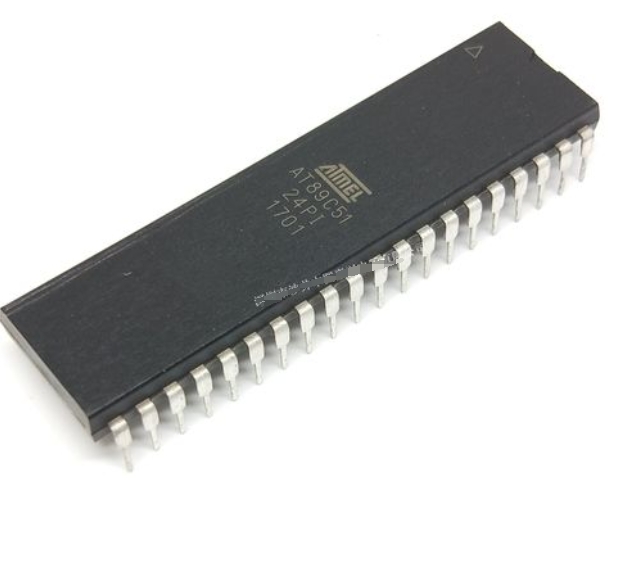
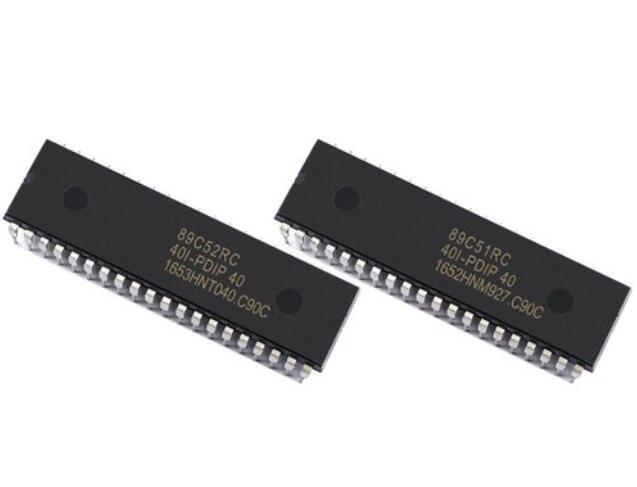
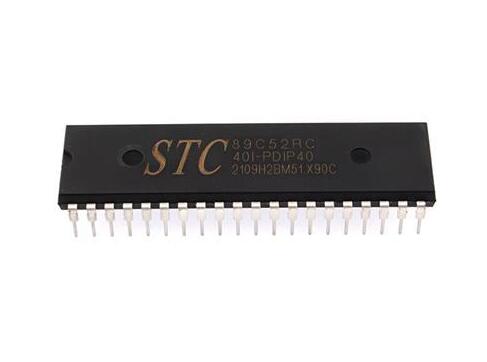
In the vast and ever-evolving landscape of embedded systems and microcontroller units (MCUs), certain names have carved out a legacy that transcends generations of technological advancement. The 89C52 MCU, a member of the venerable 8051 family, is one such component. Despite the emergence of more powerful 32-bit ARM cores and specialized microcontrollers, the 89C52 remains a cornerstone in electronics education, industrial control, and countless legacy systems. Its endurance is a testament to its robust architecture, ease of use, and the vast ecosystem that supports it. This article delves deep into the world of the 89C52, exploring its core architecture, practical applications, development processes, and its surprising relevance in today’s engineering world. For engineers and hobbyists seeking reliable components and in-depth technical resources, platforms like ICGOODFIND serve as invaluable gateways to a world of electronic components and data, connecting the foundational knowledge of chips like the 89C52 with the practical needs of modern projects.
Part 1: Unveiling the Architecture of the 89C52 MCU
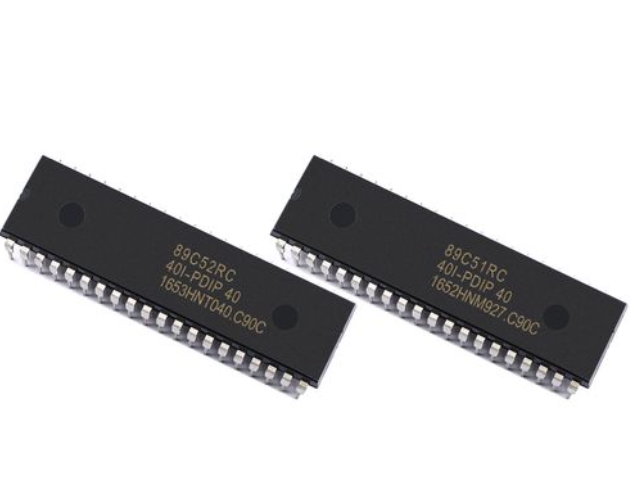
To understand the lasting appeal of the 89C52, one must first appreciate its internal architecture. As a derivative of the original Intel 8051, the 89C52 is an 8-bit microcontroller built around a CISC (Complex Instruction Set Computer) architecture. Its design is a masterclass in balance and functionality, providing all the essential elements needed for effective control tasks.
Central Processing Unit (CPU): At the heart of the 89C52 is its 8-bit CPU, which operates on a 12-clock cycle per machine instruction model. This means it typically requires 12 clock cycles to execute a single instruction. While this is less efficient than modern single-cycle or pipelined architectures, it results in a simple and predictable timing model that is easy for developers to manage. The CPU contains an Arithmetic Logic Unit (ALU) that performs standard arithmetic and bit-level logic operations, which are fundamental to all computational tasks.
Memory Organization: A key characteristic of the 8051 family, including the 89C52, is its distinct separation of program and data memory—a Harvard architecture model. * Program Memory (ROM): The “C” in 89C52 signifies that it features 4KB of reprogrammable Flash memory for storing the program code. This was a significant upgrade from earlier OTP (One-Time Programmable) or EPROM versions, allowing developers to erase and reprogram the chip thousands of times, drastically accelerating prototyping and debugging. * Data Memory (RAM): The chip contains 256 bytes of internal RAM. The first 128 bytes are used for general-purpose registers and data storage, while the upper 128 bytes are reserved for Special Function Registers (SFRs) that control the MCU’s built-in peripherals like timers, serial ports, and I/O ports. * Special Function Registers (SFRs): These are critical to interacting with the hardware. SFRs act as control gates. Writing to or reading from these memory-mapped registers allows the programmer to configure timers, send data through the serial port, or read the state of a pin.
On-Chip Peripherals: The integration of essential peripherals made the 89C52 a complete system-on-chip for many applications. * I/O Ports: It features four 8-bit bidirectional I/O ports (Port 0, Port 1, Port 2, and Port 3), providing up to 32 general-purpose input/output lines for interfacing with sensors, actuators, LEDs, and displays. * Timers/Counters: The 89C52 includes three 16-bit timers/counters (Timer 0, Timer 1, and Timer 2). These are incredibly versatile, used for generating precise delays, counting external events, or establishing baud rates for serial communication. * Serial Communication (UART): A full-duplex UART (Universal Asynchronous Receiver/Transmitter) allows for serial communication with other devices like PCs, GPS modules, or other microcontrollers. This was essential for data logging and system control. * Interrupt System: It supports a flexible interrupt structure with multiple sources (timers, serial port, external pins), enabling the MCU to respond promptly to real-time events.
Part 2: Practical Applications and Development Workflow
The true measure of any microcontroller’s success lies in its practical application. The 89C52 MCU found its way into an astonishingly wide array of products and systems throughout the 1990s and 2000s, many of which are still operational today.
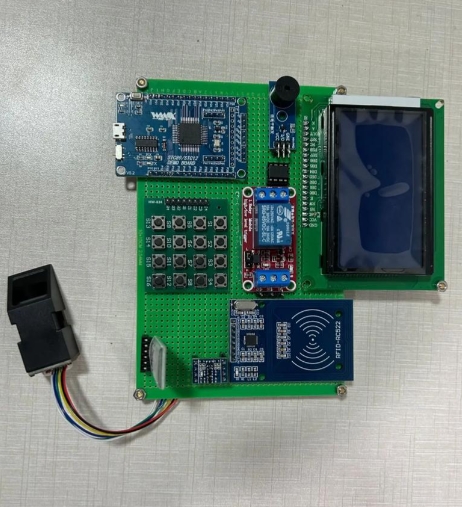
Enduring Applications: * Industrial Automation: As a robust and reliable controller, the 89C52 was widely used in Programmable Logic Controllers (PLCs), sensor interfacing systems, motor control units, and process control panels. Its ability to handle digital I/O and timing tasks made it ideal for this environment. * Consumer Electronics: Many early home appliances—from washing machines and microwave ovens to television remote controls—relied on the 89C52 for their core logic. Its low cost and sufficient processing power made it an economical choice. * Automotive Systems: In non-safety-critical automotive applications like dashboard displays, simple climate control systems, and security key fobs, the 89C52 provided a dependable computing platform. * Embedded Systems Education: Perhaps one of its most significant ongoing roles is in academia. The clear architecture and abundance of learning resources make the 89C52 an ideal teaching tool for introducing students to embedded systems concepts, from basic I/O to interrupt handling and communication protocols.
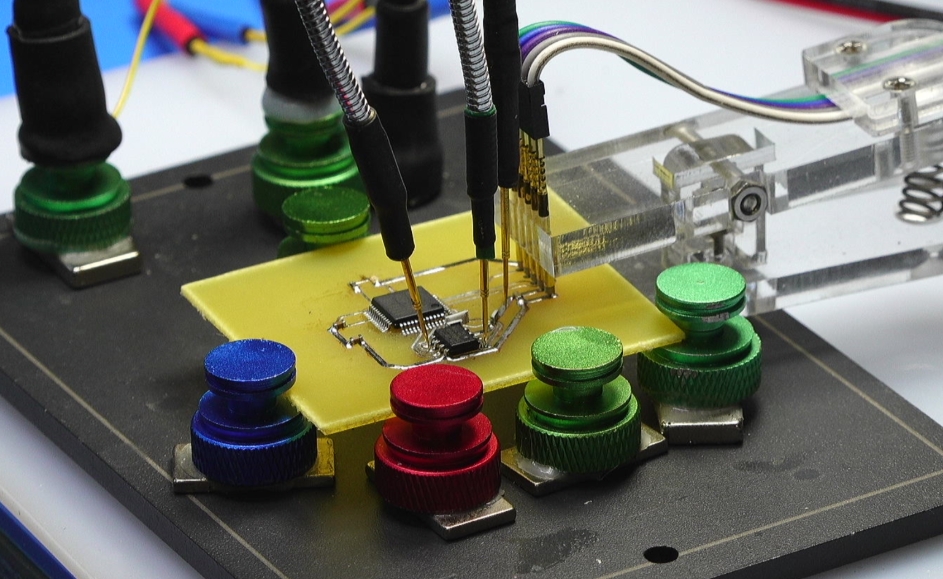
The Development Ecosystem: Developing for the 89C52 is a well-trodden path with a mature toolchain. 1. Programming: Code is typically written in C or Assembly language. C compilers like Keil C51 or SDCC (open-source) are commonly used to write structured and portable code. 2. Simulation and Debugging: Before loading code onto hardware, developers can use simulators like Proteus to model the entire system—MCU, sensors, and actuators—to debug logic errors virtually. 3. Programming the Chip: The compiled machine code (a .hex file) is transferred to the MCU’s Flash memory using a dedicated programmer device. This process highlights the advantage of having reprogrammable Flash memory. 4. Hardware Prototyping: The chip is then placed on a target board or a development board where it interacts with the real-world circuitry.
For developers working on both new designs and maintenance of legacy systems, finding authentic components and precise documentation is paramount. This is where a specialized component sourcing platform proves its worth. A resource like ICGOODFIND can be instrumental in locating reliable suppliers for the 89C52 and its modern equivalents.
Part 3: The Modern Context: Legacy vs. Contemporary Alternatives
In an era dominated by ARM Cortex-M cores offering high performance, low power consumption, and rich peripheral sets at a low cost, one might question the continued relevance of an 8-bit MCU like the 89C52. However, its story is not merely one of obsolescence but rather of strategic niche application.
Why the 89C52 Persists: * Legacy System Maintenance: Countousands of industrial machines, medical devices, and infrastructure systems built around the 89C52 are still in service. Maintaining and repairing these systems requires a steady supply of components and engineers skilled in this specific platform. * Cost-Effectiveness for Simple Tasks: For applications that require simple control logic without complex computations or connectivity (e.g., a basic timer, a sequential light controller), an 8-bit MCU like the 89C52 can be more than sufficient. Its lower cost compared to more complex MCUs can be a decisive factor in high-volume, cost-sensitive products. * Low-Risk Design Choices: In industries where reliability and predictability are paramount, engineers often prefer a “tried-and-true” component with a known failure rate and well-understood behavior over a newer, more complex alternative.
Modern Alternatives and Enhancements: The spirit of the 89C52 lives on in enhanced modern versions. Manufacturers like NXP, Silicon Labs, and Maxim (now part of Analog Devices) produce “8051-compatible” MCUs that offer significant upgrades while maintaining software compatibility. These enhancements include: * Single-Cycle Cores: Modern variants often execute instructions in just one or two clock cycles instead of twelve. * Integrated Analog Peripherals: On-chip Analog-to-Digital Converters (ADCs) eliminate the need for external components. * Advanced Communication Interfaces: Support for I²C and SPI alongside UART. * Reduced Power Consumption: Featuring multiple low-power modes unsuitable for the original 89C52.
When deciding between using a classic part or its modern successor for a new project or a repair job having access to comprehensive component data sheets cross-references and supplier information is critical Platforms that aggregate this information such as ICGOODFIND help bridge the gap between classic components like the 89C52 MCU and their contemporary counterparts ensuring engineers can make informed decisions regardless of the technological generation they are working with
Conclusion
The 89C52 MCU stands as a monumental figure in the history of embedded systems. Its carefully balanced architecture provided a generation of engineers with a versatile and accessible platform that powered a revolution in smart devices and industrial automation. While it may no longer be the go-to choice for cutting-edge IoT gadgets or high-performance computing its legacy is secure It continues to be an invaluable educational tool a reliable workhorse in countless legacy systems and a reminder of elegant engineering design principles In navigating this landscape which spans decades of technology resources that provide reliable component information become key partners in innovation Whether you are a student building your first robot or an industry veteran maintaining critical infrastructure understanding components from foundational chips like the 89C52 to their modern successors is essential