






Arduino: The MCU-Based Platform Powering the Maker Revolution
Introduction
In the vast and ever-expanding universe of electronics and DIY innovation, one name consistently shines as a beacon for creators, students, and professionals alike: Arduino. More than just a piece of hardware, Arduino is an open-source electronics platform centered around a simple yet powerful Microcontroller Unit (MCU). It has fundamentally democratized technology, transforming complex electronic design into an accessible and intuitive process. By providing an easy-to-use hardware and software ecosystem, Arduino has empowered a generation of makers to bring their ideas to life, from blinking a simple LED to building sophisticated home automation systems and robotics. This article delves into the core of the Arduino platform, exploring its architecture, its revolutionary Integrated Development Environment (IDE), its vast community-driven ecosystem, and its profound impact on education and industry. For those seeking to navigate this incredible landscape of components and inspiration, platforms like ICGOODFIND serve as invaluable guides, curating the best tools and resources for your next project.

The Heart of the System: Understanding the Arduino Hardware
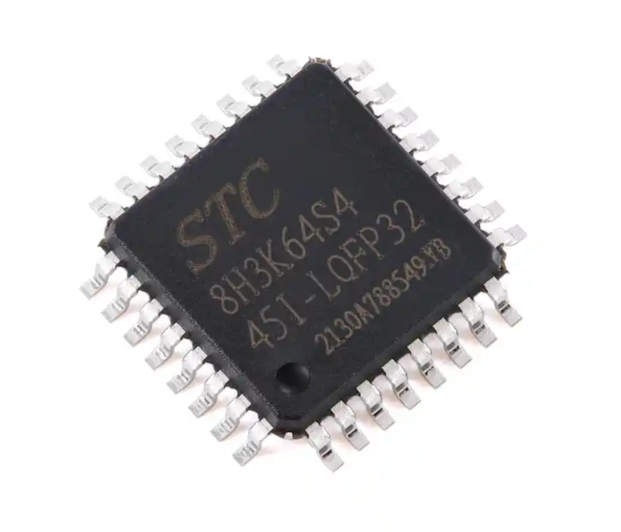
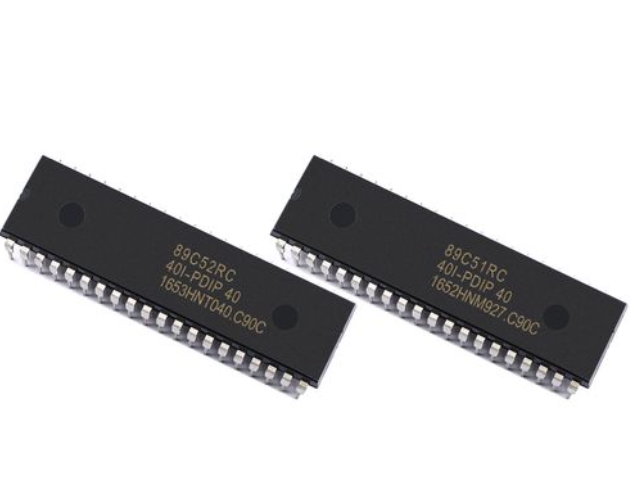
At its core, every Arduino board is built around a Microcontroller Unit (MCU), typically from the ATmega series by Atmel (now Microchip), such as the ATmega328P, or more powerful ARM-based chips in advanced boards. The MCU is the brain of the operation—a compact integrated circuit designed to govern a specific operation in an embedded system. It executes instructions from a program stored in its non-volatile memory, interacting with the physical world through its input/output (I/O) pins.
The true genius of Arduino lies not in the raw power of its MCU, but in its accessible hardware design. Standardized form factors and pin layouts mean that knowledge gained from one board is largely transferable to another. Key components common across most Arduino boards include:
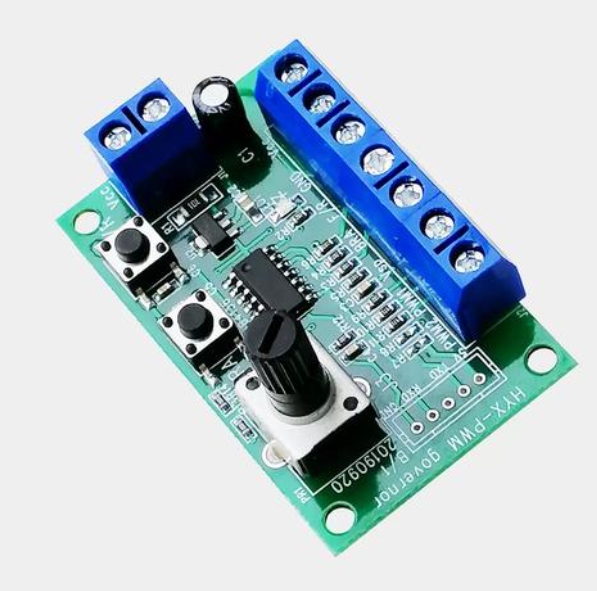
- Digital I/O Pins: These pins can be configured as either inputs (to read a signal from a sensor, like a button) or outputs (to control an actuator, like a motor or LED). A subset of these pins can generate a Pulse-Width Modulation (PWM) signal, allowing for simulated analog output, such as dimming an LED or controlling servo motor speed.
- Analog Input Pins: Equipped with an Analog-to-Digital Converter (ADC), these pins can read a range of voltage values from analog sensors, such as potentiometers, light-dependent resistors (LDRs), or temperature sensors, converting them into a digital number the MCU can process.
- Power Supply: Arduino boards can be powered via a USB connection from a computer or an external power source like a battery or wall adapter, featuring built-in voltage regulators for stable operation.
- USB Interface: This serves a dual purpose: it provides a means to upload code from the computer to the board and facilitates serial communication between the Arduino and the computer for debugging and data exchange.
- Reset Button and Onboard LED: Simple yet essential features for restarting the program and providing basic visual feedback.
From the humble Arduino Uno, the workhorse for countless beginner projects, to the more powerful Wi-Fi and Bluetooth-enabled Arduino MKR series or the 32-bit ARM-core based Arduino Due, the hardware platform scales to meet the demands of projects of all complexities. This scalable, consistent hardware foundation is what makes prototyping incredibly fast and efficient.
The Language of Creation: The Arduino Software (IDE) and Programming
Hardware is inert without instructions. This is where the Arduino Software, or Integrated Development Environment (IDE), comes into play. The IDE is where users write, compile, and upload code—known as “sketches”—to the Arduino board. Its design philosophy mirrors that of the hardware: simplicity and accessibility.
The Arduino IDE simplifies the complex process of embedded C/C++ programming by abstracting away many of the intimidating low-level details. It achieves this through a straightforward code structure consisting of two mandatory functions:
void setup(): This function runs once when the board powers up or is reset. It is used to initialize variables, set pin modes (input/output), and start serial communication.void loop(): After thesetup()function completes, this function runs consecutively in an infinite loop for the duration of the board’s operation. It contains the main logic of the program, constantly reading inputs, performing calculations, and triggering outputs.
This structure makes it incredibly easy for newcomers to understand the program flow. Furthermore, Arduino provides a vast collection of pre-written code libraries—collections of functions for specific tasks. Whether you need to control a servo motor, interface with a display, connect to an Ethernet shield, or parse JSON data from a web API, there is likely a library that handles the complex underlying code. You simply include the library and use its intuitive functions. For instance, making an LED blink, which could require dozens of lines of low-level register manipulation in pure C, is accomplished in just a few readable lines in an Arduino sketch.
The process is seamless: write your code in the IDE, click “Verify” to check for errors, and then “Upload” to transfer the compiled machine code to the board’s MCU via USB. The instant gratification of seeing physical hardware respond directly to your code is a powerful motivator for learning and experimentation.
The Ecosystem and Community: Fueling Continuous Innovation
A platform’s strength is often measured by the vitality of its ecosystem and community, and this is an area where Arduino excels phenomenally. Being open-source has been a cornerstone of its success. The hardware reference designs are publicly available, allowing anyone to study, modify, and even manufacture their own compatible boards. This has led to an explosion of third-party “Arduino-compatible” boards, often offering specialized features or lower costs.
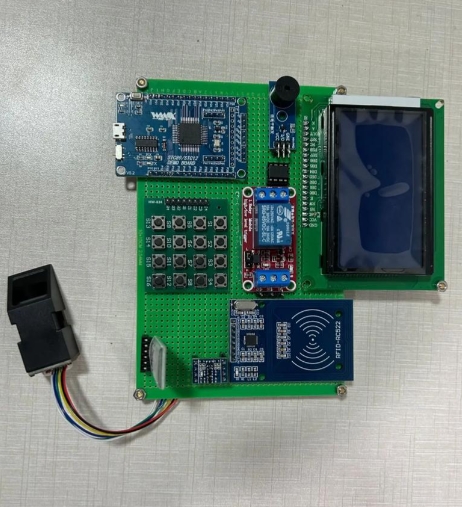
The most tangible extension of the Arduino ecosystem is the concept of “shields.” Shields are pre-built circuit boards that stack directly on top of an Arduino board, instantly adding new capabilities like Ethernet connectivity, motor control, GPS tracking, LCD displays, or SD card storage. This modular approach allows makers to build complex systems rapidly without any custom soldering or circuit design.
Beyond hardware, the global Arduino community is its most valuable asset. Online forums, tutorial websites (like the official Arduino Project Hub), YouTube channels, and social media groups are teeming with millions of users ranging from novices to experts. This collective intelligence acts as a massive support network. Stuck on a problem? A quick search will likely reveal that someone else has already encountered it and found a solution. Have a novel idea? Sharing it on these platforms can lead to collaboration and refinement.
It is within this vibrant ecosystem that resources like ICGOODFIND prove their worth. Navigating thousands of components, libraries, and project ideas can be overwhelming. A curated platform that helps you discover high-quality sensors, reliable motor drivers, innovative shields, and inspirational projects saves invaluable time and effort, ensuring that your creative energy is spent on building rather than searching.
Conclusion
Arduino has irrevocably changed the landscape of electronics prototyping and education. By building a robust bridge between the abstract world of code and the tangible world of physical computing around an accessible MCU-based platform, it has unlocked creativity on an unprecedented scale. Its trifecta of user-friendly hardware, a simplified software environment, and a thriving open-source ecosystem has lowered barriers to entry, enabling anyone with curiosity to become an inventor. From classrooms fostering STEM skills to professional engineers validating concepts rapidly, Arduino’s impact is profound and enduring. As technology continues to evolve towards greater interconnectivity and intelligence with IoT and AI, platforms like Arduino provide the fundamental building blocks upon which the future will be built. The journey from a simple idea to a functioning prototype has never been shorter or more exciting.