


The Ultimate Guide to STC89C51 MCU: Features, Applications, and Programming
Introduction
The STC89C51 microcontroller stands as a cornerstone in the world of embedded systems, representing a powerful yet accessible solution for countless electronic applications. As an enhanced version of the classic 8051 architecture, this MCU has maintained remarkable relevance in an industry characterized by rapid technological evolution. The STC89C51 combines time-tested reliability with modern enhancements, making it an ideal choice for both educational purposes and commercial product development. Its enduring popularity stems from a balanced combination of performance, power efficiency, and cost-effectiveness that continues to attract engineers, students, and hobbyists worldwide. In this comprehensive guide, we will explore the technical specifications, practical applications, and programming methodologies that make the STC89C51 such a versatile component in electronic design. Whether you’re developing simple control systems or complex embedded applications, understanding this microcontroller provides a solid foundation for working with more advanced processors while delivering capable performance for a wide range of projects.
Main Body
Technical Specifications and Architecture
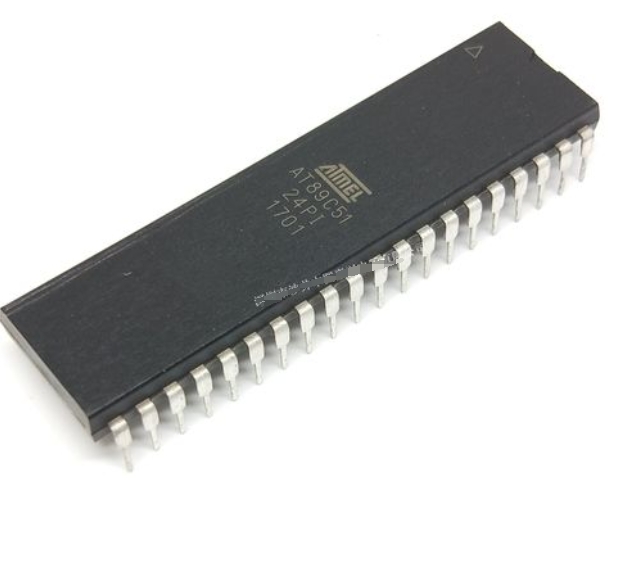
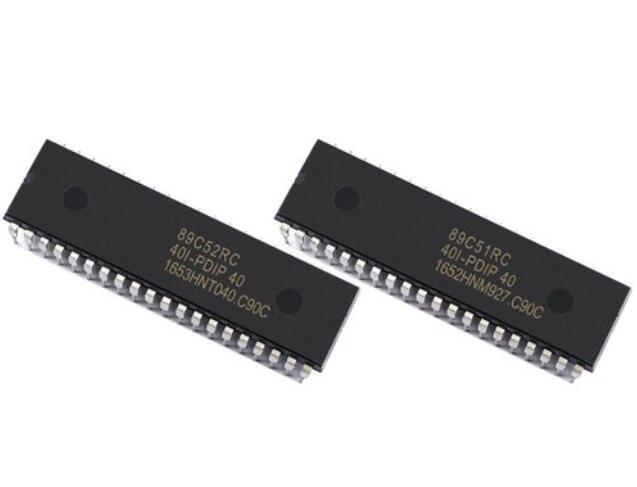
The STC89C51 MCU boasts an impressive set of technical specifications that contribute to its widespread adoption. At its core, this microcontroller features an 8051-compatible CPU running at clock speeds up to 80MHz, providing sufficient processing power for most embedded applications. The device incorporates 8KB of Flash memory for program storage, which supports up to 100,000 write/erase cycles, ensuring robust performance throughout the product lifecycle. Additionally, it offers 512 bytes of RAM for data storage and manipulation during program execution.
One of the most significant advantages of the STC89C51 is its rich set of integrated peripherals. The microcontroller includes four 8-bit I/O ports (P0, P1, P2, and P3), providing 32 programmable GPIO pins that can interface with sensors, displays, communication modules, and other external components. These ports can source or sink significant current, reducing the need for additional driver circuits in many applications. The device also features three 16-bit timer/counters that can be configured for various timing, counting, and pulse-width modulation tasks. For serial communication, the STC89C51 includes a universal asynchronous receiver-transmitter (UART) that enables seamless data exchange with PCs, Bluetooth modules, Wi-Fi adapters, and other serial devices.
The architecture of the STC89C51 incorporates several enhancements over the original 8051 design. It features a six-source interrupt structure with two priority levels, allowing developers to create responsive systems that can handle multiple events simultaneously. The microcontroller operates at voltages ranging from 3.5V to 5.5V, making it compatible with both 3.3V and 5V systems without requiring level shifters in most cases. Power efficiency is another notable characteristic, with multiple power-saving modes including Idle Mode and Power-Down Mode that extend battery life in portable applications. The instruction set maintains full compatibility with the standard 8051 while offering improved execution times for most instructions, resulting in better overall performance without sacrificing code portability.
Practical Applications and Implementation
The versatility of the STC89C51 microcontroller enables its deployment across diverse industries and applications. In consumer electronics, it serves as the brain behind numerous devices including remote controls, digital thermometers, electronic toys, and home automation systems. Its cost-effectiveness makes it particularly suitable for high-volume products where minimizing bill-of-materials costs is crucial. Industrial applications leverage the STC89C51 for tasks such as motor control, temperature monitoring systems, process automation, and data acquisition units. The robustness of the microcontroller ensures reliable operation even in challenging environmental conditions commonly found in industrial settings.
In educational contexts, the STC89C51 has become a staple in electronics and computer engineering curricula worldwide. Its straightforward architecture provides an excellent platform for learning fundamental concepts in microcontroller programming, digital logic, and embedded system design. Students can quickly progress from basic LED blinking exercises to sophisticated projects involving sensor networks, wireless communication, and human-machine interfaces. The extensive documentation and large user community surrounding the STC89C51 further enhance its educational value by providing abundant learning resources and troubleshooting support.
The automotive sector represents another significant application area for the STC89C51 MCU. It finds use in various vehicle subsystems including dashboard displays, simple engine control units, lighting control modules, and security systems. While modern automobiles increasingly employ more powerful microcontrollers for advanced features like autonomous driving assistance, the STC89C51 continues to serve effectively in less demanding applications where its combination of performance and affordability remains compelling. Medical devices represent yet another field where this microcontroller excels, particularly in portable diagnostic equipment, patient monitoring systems, and therapeutic devices where reliability and power efficiency are paramount considerations.
For developers seeking comprehensive resources for STC89C51-based projects, platforms like ICGOODFIND offer valuable components, development tools, and reference designs that accelerate the development process while ensuring optimal implementation of this versatile microcontroller across various applications.
Programming and Development Ecosystem
Programming the STC89C51 MCU is facilitated by a mature development ecosystem that includes both hardware and software tools. The most common approach involves using the Keil C51 development environment, which provides a robust integrated development environment (IDE) with a C compiler specifically optimized for the 8051 architecture. Alternatively, developers can utilize open-source tools like SDCC (Small Device C Compiler) that offer cross-platform compatibility and cost-effective development options. The programming process typically involves writing code in C or assembly language, compiling it into hexadecimal machine code, and then transferring this code to the microcontroller’s Flash memory using a dedicated programmer device.
The STC89C51 supports in-system programming (ISP) capabilities through its serial interface, eliminating the need for expensive dedicated programmers in most cases. This feature significantly simplifies the development and firmware update processes by allowing direct programming of the microcontroller after it has been installed on the target circuit board. The ISP functionality relies on an internal bootloader firmware that communicates with programming software on a host computer via a serial connection. This approach not only reduces development costs but also enables field updates to deployed devices without requiring physical access to the microcontroller itself.
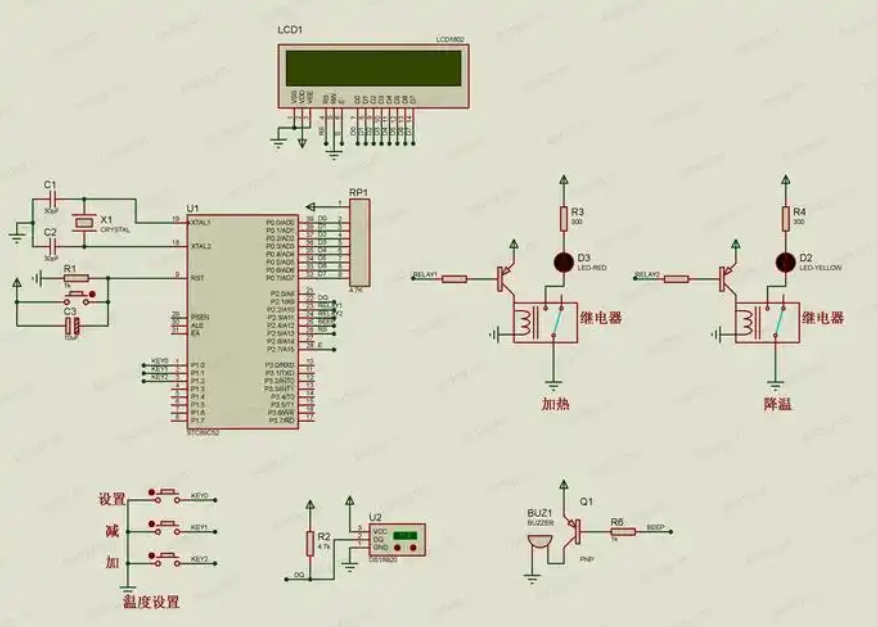
Debugging represents a critical aspect of embedded development with the STC89C51. While the basic version lacks sophisticated hardware debugging features found in more expensive microcontrollers, developers can employ various techniques to troubleshoot their applications effectively. These include software simulation using tools like Proteus ISIS, which allows virtual execution of code before deployment to actual hardware. For hardware-level debugging, developers often implement diagnostic routines that output status information through available serial interfaces or manipulate LED indicators to visualize program flow and variable states.
The extensive library support available for the STC89C51 further enhances developer productivity by providing pre-tested code modules for common tasks such as LCD control, keypad scanning, communication protocol implementation (I2C, SPI), mathematical operations, and data conversion routines. These resources dramatically reduce development time while improving code reliability through the use of proven software components.