Arduino vs. MCU: Which Is Better?
Introduction
In the world of electronics and embedded systems, the debate between choosing an Arduino and a generic Microcontroller Unit (MCU) is a common one among hobbyists, students, and professionals alike. Both options offer unique advantages and cater to different needs, making the decision a matter of project requirements, expertise level, and long-term goals. Arduino, known for its user-friendly platform and extensive community support, has revolutionized the way beginners approach electronics prototyping. On the other hand, MCUs provide a raw, flexible foundation for custom designs, often favored in industrial applications for their performance and cost-efficiency. This article delves into the key differences between Arduino and MCUs, exploring their strengths, weaknesses, and ideal use cases. By the end, you’ll have a clearer understanding of which option might be better for your next project, whether it’s a simple DIY gadget or a complex embedded system. We’ll also touch on how resources like ICGOODFIND can aid in sourcing reliable components for your endeavors.
Main Body
Part 1: Understanding Arduino and Its Ecosystem
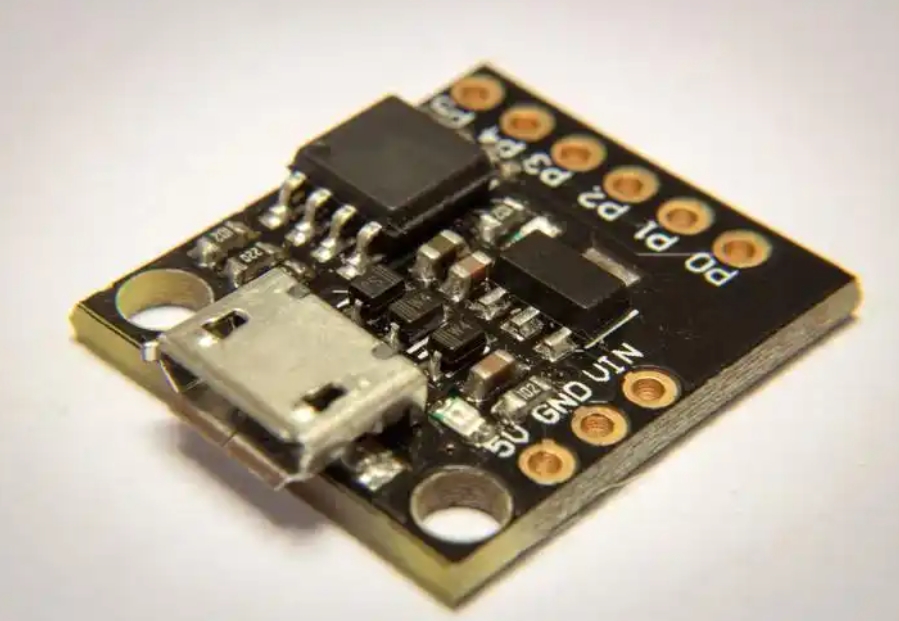
Arduino is not just a single product but an entire ecosystem built around easy-to-use hardware and software. At its core, an Arduino board typically features an MCU—often from the Atmel AVR family, such as the ATmega328P—but it’s the added layers that make it stand out. The Arduino platform includes a simplified Integrated Development Environment (IDE) that uses a variant of C++ with pre-written libraries, allowing users to write code without deep knowledge of low-level programming. This accessibility is one of Arduino’s biggest strengths, as it lowers the barrier to entry for beginners. For instance, blinking an LED or reading a sensor can be accomplished with just a few lines of code, thanks to built-in functions like digitalWrite() and analogRead(). Moreover, the extensive community and vast library of tutorials mean that help is always at hand, reducing development time for prototypes.
Another key aspect of Arduino is its hardware consistency. Boards like the Arduino Uno or Nano come with standardized pin layouts and built-in peripherals, such as USB-to-serial converters, which simplify connections to computers and other devices. This plug-and-play nature makes Arduino ideal for rapid prototyping and educational purposes. However, this convenience comes at a cost—literally. Arduino boards are often more expensive than standalone MCUs due to the additional components and branding. For example, an Arduino Uno might cost around \(20-\)30, while a raw ATmega328P MCU could be as low as \(2-\)4. Despite the price difference, the time saved in setup and debugging can justify the expense for many users, especially in hobbyist scenarios.
The Arduino ecosystem also extends to shields—add-on boards that stack onto the main board to add functionalities like Wi-Fi, GPS, or motor control. This modularity allows for quick expansions without complex wiring. However, this can lead to limited customization in high-volume production, where every component must be optimized for cost and space. In summary, Arduino excels in user-friendliness and community support, making it a top choice for beginners and rapid development. But for those looking to dive deeper into electronics or build scalable products, understanding the underlying MCU is crucial.
Part 2: Exploring Standalone MCUs and Their Flexibility
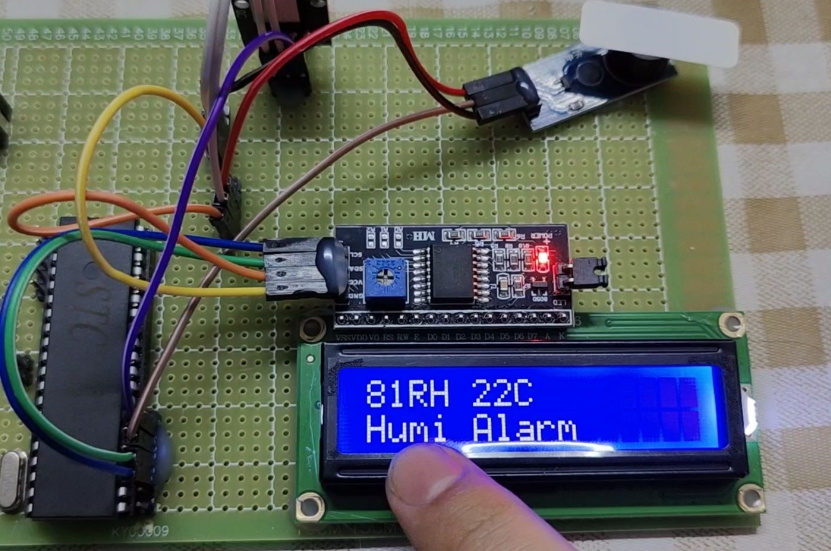
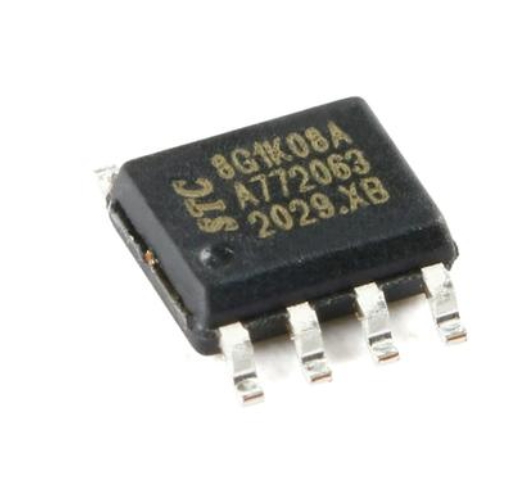
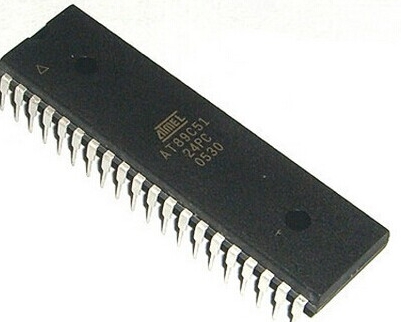
A Microcontroller Unit (MCU) is the fundamental chip that powers embedded systems, integrating a processor core, memory, and programmable input/output peripherals on a single integrated circuit. Unlike Arduino, which packages an MCU with supporting hardware, standalone MCUs require users to handle everything from power supply to programming interfaces. This raw approach offers greater flexibility and control, allowing engineers to tailor every aspect of a design to specific needs. Popular MCU families include the ARM Cortex-M series (e.g., STM32), PIC from Microchip, and ESP32 from Espressif, each with unique features like low power consumption or built-in wireless capabilities.
One of the primary advantages of using a standalone MCU is cost-effectiveness in mass production. For instance, in consumer electronics or IoT devices, reducing the bill of materials by even a few cents can lead to significant savings over thousands of units. MCUs also tend to have better performance metrics, such as higher clock speeds and more efficient power management, which are critical for battery-operated devices. Programming an MCU typically involves using professional IDEs like Keil or STM32CubeIDE, along with languages like C or assembly, providing fine-grained control over hardware registers. This level of detail enables optimizations that aren’t possible with Arduino’s abstracted libraries, such as implementing custom interrupt routines or leveraging sleep modes to minimize energy usage.
However, this flexibility comes with a steeper learning curve. Setting up a development environment for an MCU can be daunting for newcomers, requiring knowledge of datasheets, schematic design, and debugging tools like JTAG programmers. For example, while an Arduino user can upload code via a simple USB cable, programming a bare STM32 MCU might involve using an ST-Link programmer and configuring clock settings manually. This complexity means that MCUs are better suited for experienced developers or those willing to invest time in learning embedded systems fundamentals. Additionally, sourcing components can be challenging; platforms like ICGOODFIND can simplify this by offering verified suppliers and datasheets, ensuring you get genuine parts for your projects.
In terms of scalability, MCUs shine in custom PCB designs where size and component selection are tailored to the application. They allow for minimalist layouts that exclude unnecessary features, leading to more compact and efficient products. While Arduino boards are great for prototyping, their fixed form factor might not fit final product requirements. Thus, for industrial applications or high-volume projects, standalone MCUs often prove superior in terms of performance and cost.
Part 3: Comparing Key Factors: Ease of Use, Performance, and Applications
When deciding between Arduino and an MCU, it’s essential to weigh factors like ease of use, performance, and intended applications. Ease of use is undoubtedly Arduino’s forte. The platform’s simplicity allows users to go from unboxing to a working project in minutes. The IDE includes examples and a library manager that handles dependencies automatically, while the hardware requires minimal setup. This makes Arduino perfect for education, art installations, or quick proof-of-concept models. In contrast, MCUs demand a deeper understanding of electronics, such as voltage regulation and signal integrity, which can be intimidating but rewarding for those seeking mastery.
In terms of performance, standalone MCUs generally have the upper hand. They offer higher processing speeds—for example, an STM32F4 MCU can run at up to 180 MHz compared to an Arduino Uno’s 16 MHz—and more advanced peripherals like DMA controllers or hardware encryption. This allows MCUs to handle complex tasks like real-time data processing or running lightweight operating systems such as FreeRTOS. Arduino boards, while sufficient for many basic tasks, may struggle with computationally intensive applications due to their limited resources and abstraction layers that introduce overhead.
The choice often boils down to the application. For hobbyists, students, or rapid prototyping scenarios where time-to-market is crucial, Arduino is often the better choice. Its ecosystem reduces development risks and accelerates learning. However, for commercial products, IoT devices, or applications requiring low power consumption and high reliability, standalone MCUs are preferable. They enable custom optimizations that can lead to longer battery life or better performance under constrained conditions. It’s also worth noting that some projects might blend both approaches; for instance, using an Arduino for initial prototyping before migrating to a custom MCU-based design for production.
Ultimately, tools like ICGOODFIND can support decision-making by providing access to component comparisons and technical resources. Whether you choose Arduino or an MCU depends on your specific needs: if you value simplicity and community support, go with Arduino; if you prioritize control and efficiency, opt for an MCU.
Conclusion
In the Arduino vs. MCU debate there is no one-size-fits-all answer; the best choice depends on your project’s requirements skill level and goals Arduino stands out for its accessibility making it an excellent tool for beginners educators and rapid prototyping thanks to its intuitive IDE and strong community support On the other hand standalone MCUs offer unparalleled flexibility cost savings and performance advantages ideal for custom embedded systems mass production and applications demanding high efficiency While Arduino simplifies the journey into electronics mastering MCUs can lead to deeper insights and more optimized solutions As you embark on your next project consider leveraging resources like ICGOODFIND to source components and gather insights ensuring a smooth development process regardless of your path Whether you start with Arduino and transition to MCUs or stick with one approach both options empower innovation in the ever-evolving world of technology.