


Raspberry Pi and MCU: A Comprehensive Guide to Choosing Your Embedded System Core
Introduction
In the rapidly evolving landscape of embedded systems, DIY electronics, and IoT prototyping, two classes of devices stand at the forefront: the versatile Raspberry Pi single-board computer (SBC) and the myriad of dedicated Microcontroller Units (MCUs). For developers, engineers, and hobbyists, the choice between these two pillars of modern computation is fundamental, shaping the architecture, capability, and outcome of any project. While both serve as the “brain” of electronic systems, their philosophies, strengths, and optimal use cases diverge significantly. This article delves deep into the core distinctions, helping you navigate whether you need the full-fledged operating system power of a Raspberry Pi or the real-time, dedicated control of an MCU for your next innovation. Understanding this choice is crucial for efficient design and implementation.
Main Body
Part 1: Fundamental Architectures and Core Philosophies
At their heart, Raspberry Pi and MCU represent fundamentally different computing paradigms.
A Raspberry Pi is essentially a full computer condensed onto a single board. Its architecture is similar to a desktop PC, built around an Application Processor (like those from ARM). It runs a complete operating system—typically a Linux distribution such as Raspberry Pi OS. This OS handles complex tasks like memory management, multi-tasking, networking stacks, and user interfaces. The Pi boots from an SD card, has gigabytes of RAM, and uses multi-core processors running at gigahertz speeds. Its purpose is general-purpose computing, capable of handling a diverse range of tasks simultaneously, from web browsing and video playback to running Python scripts and databases.
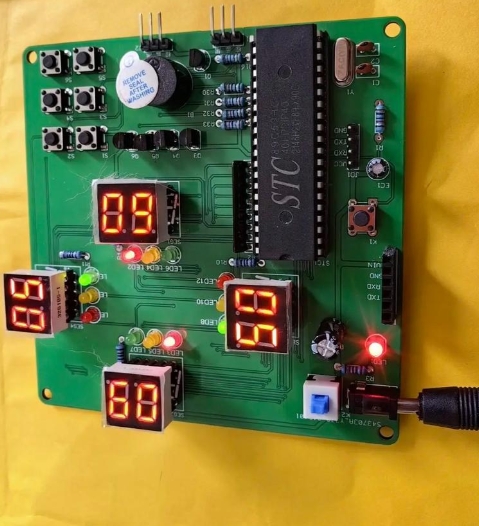
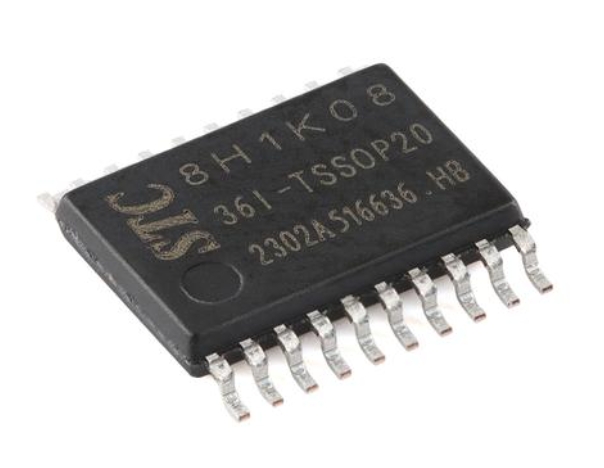
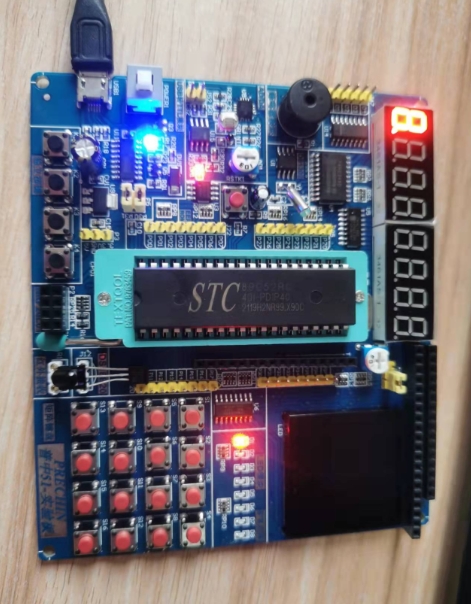
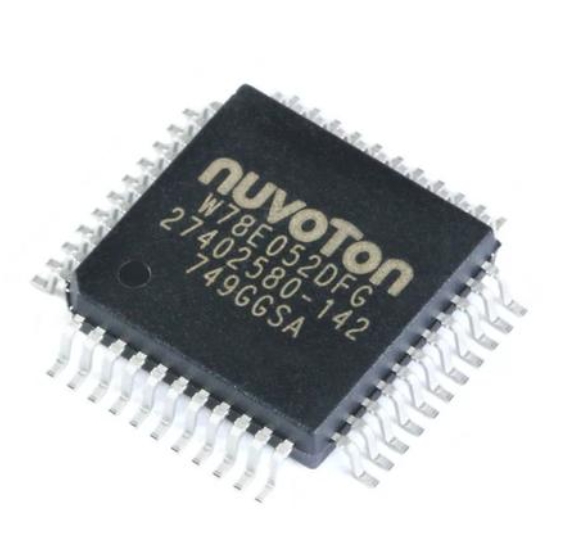
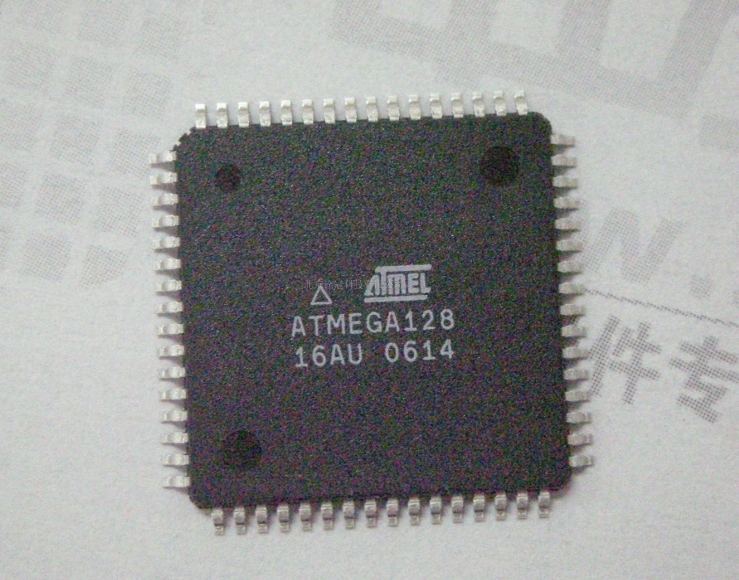
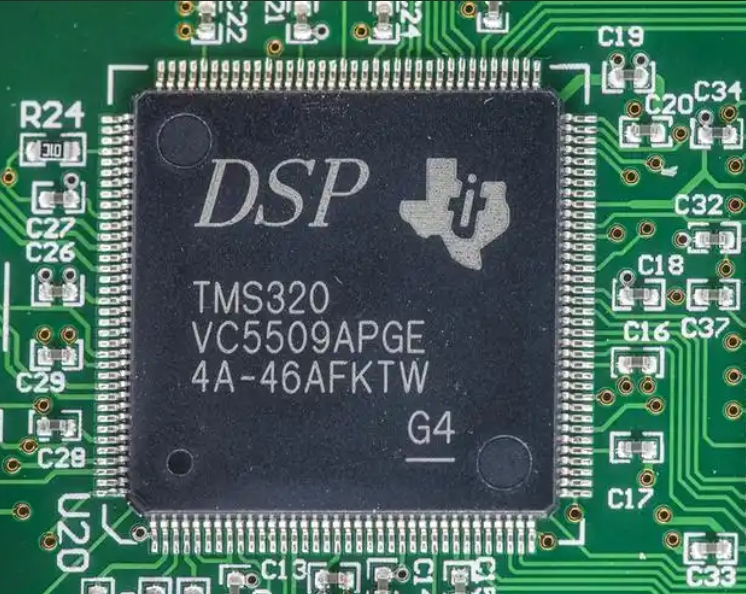
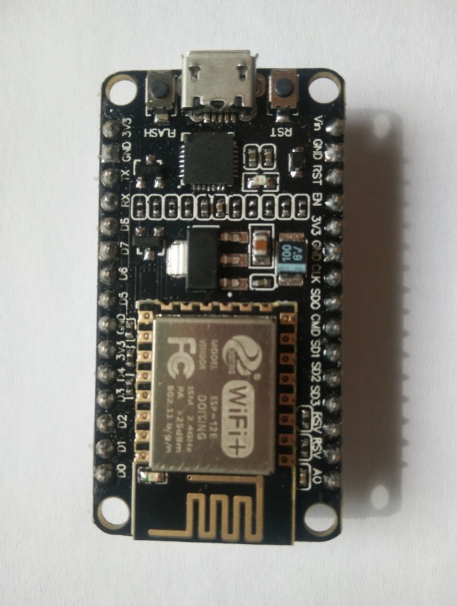
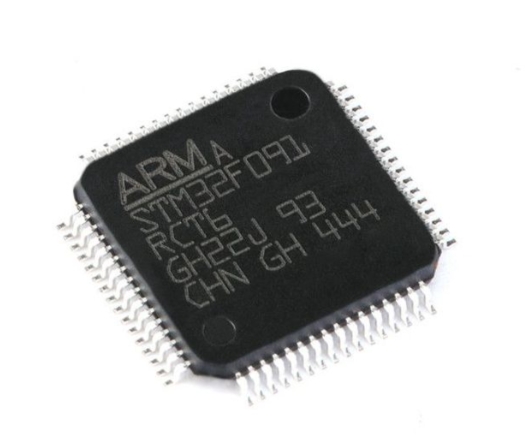
In stark contrast, a Microcontroller Unit (MCU) is a highly integrated chip designed for specific control tasks. It combines a processor core (often much simpler and slower, measured in megahertz), memory (KB to MB of Flash and RAM), and programmable input/output peripherals all on one chip. Classic examples include the ATmega series (powering Arduino boards), ESP32, or STM32 families. MCUs typically run bare-metal code or a lightweight Real-Time Operating System (RTOS), not a full OS. They execute one program repeatedly, written directly to interact with hardware pins with minimal abstraction. The philosophy here is dedicated, reliable, and predictable control of sensors, motors, and LEDs with precise timing.
The architectural chasm dictates their very nature: the Pi is a flexible computer for complex logic; the MCU is a focused controller for direct hardware interaction.
Part 2: Comparative Analysis: Strengths, Weaknesses, and Ideal Use Cases
Choosing between them requires a clear analysis of project requirements.
Raspberry Pi Strengths: * High-Level Computing & Multitasking: Ideal for applications requiring heavy data processing, running web servers (e.g., Node.js, Apache), database operations, or complex algorithms. * Rich Connectivity & Peripherals: Built-in Ethernet, Wi-Fi, Bluetooth, multiple USB ports, HDMI output, and audio jacks are standard. This makes it perfect for network gateways, media centers, or thin clients. * Ease of Software Development: Program in high-level languages like Python, C++, Java, or even Node.js with access to vast libraries and frameworks. The Linux environment simplifies installing software packages. * Graphical User Interface (GUI): Can drive displays to run full desktop environments or kiosk applications.
Raspberry Pi Weaknesses: * Power Consumption & Heat: Consumes significantly more power (watts) than MCUs, often requiring active cooling and unsuited for battery-only projects. * Boot Time: Requires tens of seconds to boot an OS. * Real-Time Performance: While capable, it is not deterministic. Under heavy load, task scheduling by the OS can introduce unpredictable delays, making it poor for hard real-time control (e.g., precise motor PWM). * Hardware Interface Complexity: Accessing GPIO pins requires OS-level drivers and libraries, adding latency.
MCU Strengths: * Real-Time Performance & Determinism: Excels at tasks requiring immediate and predictable responses. Perfect for reading sensors at exact intervals, generating precise PWM signals for motors/servos, or handling interrupt-driven events. * Ultra-Low Power Consumption: Many MCUs operate in milliwatts and feature deep sleep modes measured in microamps, enabling battery-powered devices that last months or years. * Simplicity & Reliability: No OS to corrupt; the programmed firmware runs immediately on power-up. This leads to robust operation in industrial or remote settings. * Cost & Size: Generally cheaper and available in tiny surface-mount packages, allowing for embedding in final product designs.
MCU Weaknesses: * Limited Computing Resources: Struggles with processing large images, video streams, or massive datasets. * Limited Native Connectivity: Often requires additional components (shields/modules) for Ethernet or advanced wireless protocols. * Development Complexity: Closer-to-metal programming (often in C/C++) can have a steeper learning curve for managing memory and peripherals directly.
Ideal Use Cases Summarized: * Choose a Raspberry Pi for: Home automation servers (Home Assistant), robotics with computer vision (OpenCV), network-attached storage (NAS), portable gaming consoles, or IoT data aggregation hubs. * Choose an MCU for: Wearable health monitors, smart sensor nodes reporting to a gateway, drone flight controllers, automotive data loggers, or simple robotic actuators.
Part 3: Synergy in Hybrid Systems and Getting Started
The most powerful systems often leverage the strengths of both platforms in harmony. A common architectural pattern uses an MCU as a “front-end” or “peripheral controller” to handle time-critical sensor data acquisition and actuator control. This MCU then communicates processed data via serial (UART), I2C, or SPI to a Raspberry Pi acting as the “back-end” or “brain.” The Pi handles complex analysis, data logging to the cloud, running a user interface/web dashboard, and making high-level decisions it sends back to the MCU.
For instance, in an advanced greenhouse system: * Multiple MCUs could be deployed across zones, directly reading soil moisture sensors with perfect timing and controlling water valves. * A central Raspberry Pi could aggregate data from all MCUs, run machine learning models to predict watering needs, host a web dashboard for the farmer, and send alerts.
For beginners embarking on this journey: 1. Start with understanding your project’s core needs: Is it about control & sensing or data processing & connectivity? 2. For learning high-level programming and general computing concepts: begin with a Raspberry Pi. 3. For learning electronics fundamentals and real-time embedded programming: begin with an Arduino (an MCU platform). 4. Explore platforms that blur the lines, like the Raspberry Pi Pico (an RP2040 MCU board), which offers MCU simplicity with some Pi ecosystem advantages.
When sourcing reliable components for either path—from sensors and actuators to expansion hats and development boards—thorough research is key. Platforms like ICGOODFIND can be instrumental in this process by helping engineers and procurement specialists efficiently search and compare electronic components from a vast global supplier database. Finding the right part at the right specification can streamline prototyping and production alike.

Conclusion
The debate between Raspberry Pi and MCU is not about which is superior but about which is the optimal tool for the specific task at hand. The Raspberry Pi shines as a capable miniature computer for multifaceted applications demanding connectivity and processing muscle. Conversely, the MCU reigns supreme in domains requiring austerity—low power, low cost, high reliability, and millisecond-precise control. The astute developer recognizes that these technologies are profoundly complementary. By strategically combining them in hybrid architectures—where MCUs manage the real-time physical layer and Pis handle complex logic and network layers—one can build systems that are greater than the sum of their parts. As you plan your next embedded project let its fundamental requirements—power budget timing constraints processing needs—guide your choice between these two transformative pillars of modern hardware development.