

PLC vs. MCU: Understanding the Key Differences in Industrial Automation
Introduction
In the rapidly evolving landscape of industrial automation and embedded systems, two critical components often dominate discussions: Programmable Logic Controllers (PLCs) and Microcontroller Units (MCUs). While both serve as computational brains in electronic systems, they represent fundamentally different approaches to control and automation with distinct architectures, applications, and capabilities. The confusion between these technologies is understandable yet consequential, as selecting the wrong solution can lead to system failures, cost overruns, and performance limitations. As industries embrace Industry 4.0 and IoT connectivity, understanding the precise roles and optimal applications of PLCs versus MCUs becomes increasingly vital for engineers, system designers, and technical decision-makers. This comprehensive analysis will illuminate the technical distinctions, performance characteristics, and ideal use cases for each technology, providing clarity for professionals navigating the complex terrain of automation solutions. Through platforms like ICGOODFIND, engineers can access detailed technical specifications and comparative analyses to inform their technology selection process, ensuring optimal system architecture decisions.

Part 1: Fundamental Architecture and Design Philosophy
PLC Architecture: Industrial-Grade Reliability
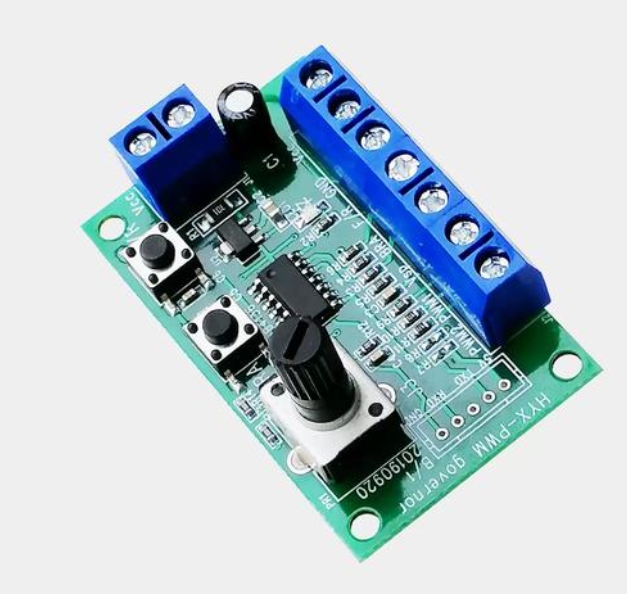
Programmable Logic Controllers (PLCs) represent a complete system solution specifically engineered for industrial environments. At their core, PLCs incorporate a microprocessor, but their distinguishing feature lies in their comprehensive architecture designed for robustness and deterministic performance. A typical PLC consists of a central processing unit, memory modules, input/output interfaces, power supply, and communication ports—all integrated into a single ruggedized package. The modular design of many PLC systems allows for customization through specialized I/O cards for analog signals, digital signals, temperature measurement, motion control, and communication protocols like PROFIBUS, EtherCAT, or Modbus. This modular approach enables engineers to tailor the control system precisely to application requirements while maintaining reliability.
The programming environment for PLCs typically follows the IEC 61131-3 standard, which includes languages such as Ladder Logic, Function Block Diagram, Structured Text, and Instruction List. These languages, particularly Ladder Logic with its relay-based symbolism, make PLCs accessible to industrial electricians and technicians without deep computer programming backgrounds. The operating system of a PLC is specifically designed for real-time deterministic control, meaning that response times to input changes are predictable and guaranteed—a critical requirement in industrial safety systems and precision manufacturing processes where timing inconsistencies could cause catastrophic failures.
MCU Architecture: Embedded Computational Efficiency
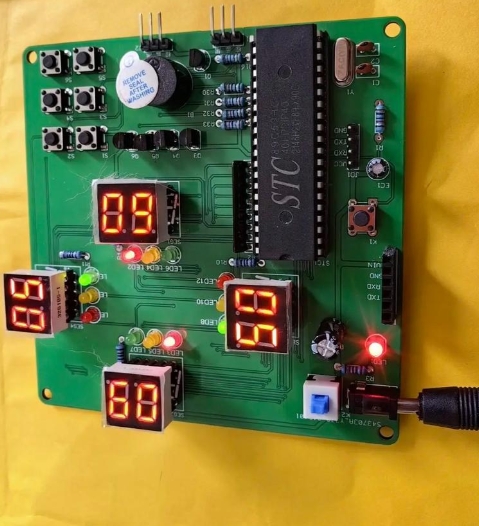
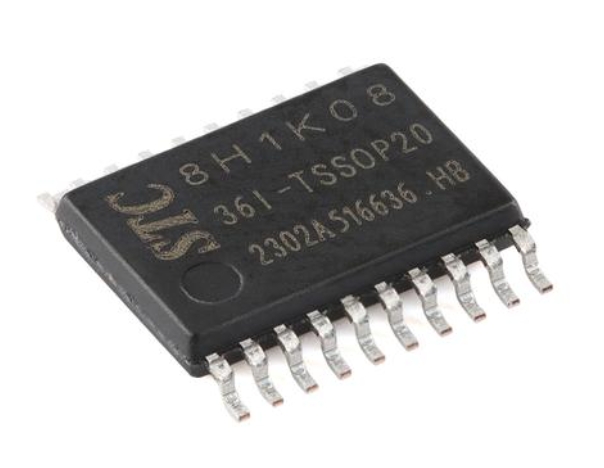
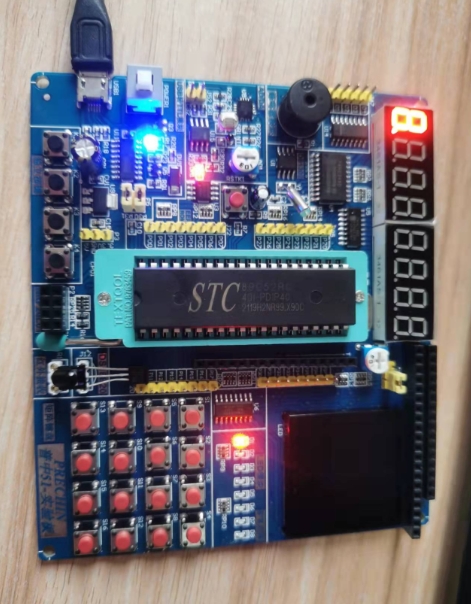
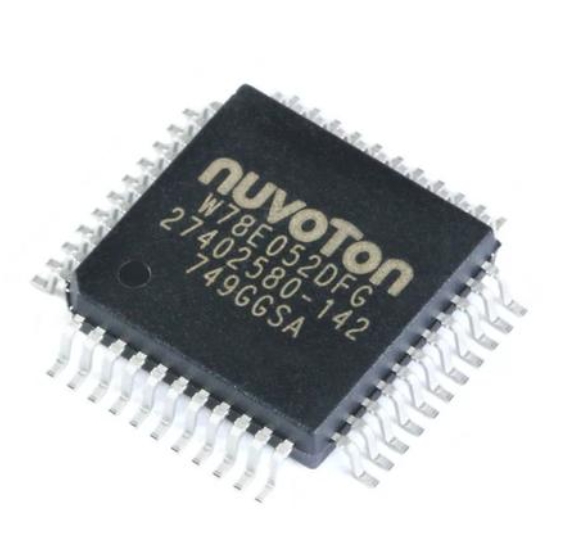
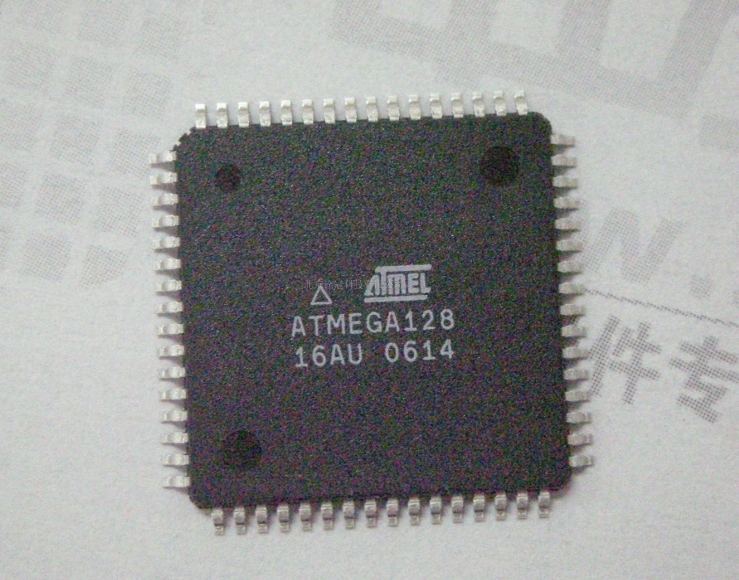
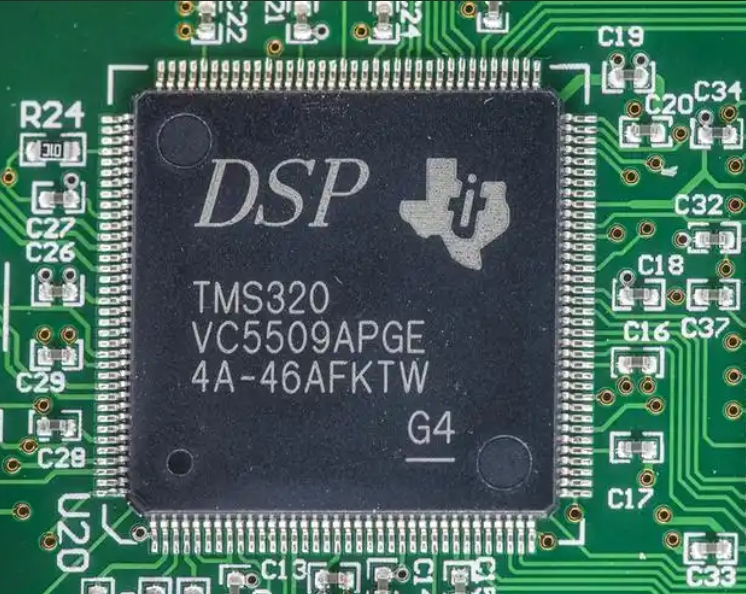
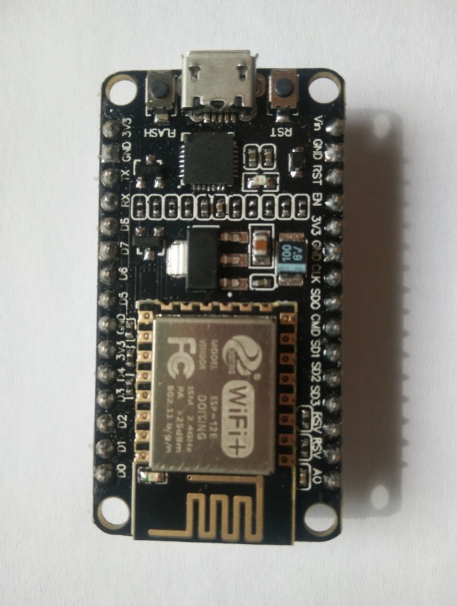
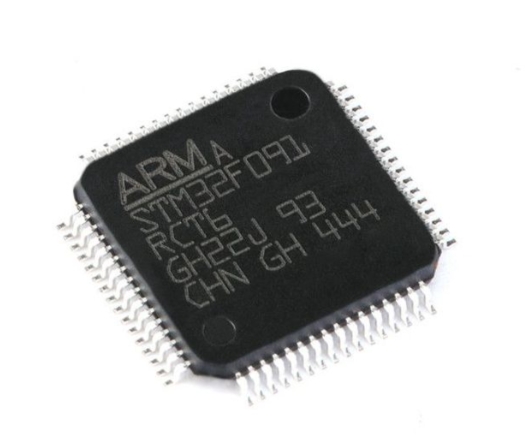
Microcontroller Units (MCUs), in contrast, represent highly integrated semiconductor devices that package a processor core, memory, and programmable input/output peripherals on a single chip. Unlike PLCs which are complete systems, MCUs are components that require additional circuitry to form a functional control system. Modern MCUs typically feature a CPU core (often ARM, AVR, PIC, or ESP architectures), flash memory for program storage, RAM for data manipulation, and an array of integrated peripherals such as timers, analog-to-digital converters, communication interfaces (UART, I2C, SPI), and sometimes specialized coprocessors.
The programming of MCUs occurs at a much lower level compared to PLCs, typically using languages like C, C++, or occasionally Assembly language for performance-critical sections. This requires developers with specialized software engineering skills rather than industrial automation backgrounds. The development environment includes cross-compilers, debuggers, programmers, and often real-time operating systems (RTOS) when deterministic behavior is required. Unlike PLCs which prioritize determinism above all else, MCUs offer greater flexibility in trade-offs between performance, power consumption, and cost—making them suitable for a wider range of applications beyond industrial control.
Architectural Comparison: System vs Component
The fundamental distinction lies in perspective: PLCs are complete control systems while MCUs are components within potentially larger systems. This distinction manifests in several critical ways. PLC manufacturers pre-certify their systems for industrial safety standards (e.g., UL, CE, IEC), whereas MCU-based designs require extensive validation by the system integrator. PLCs include built-in isolation, filtering, and protection circuits on I/O modules to withstand industrial electrical noise—features that must be separately designed and implemented in MCU-based systems. The development timeline also differs significantly; PLC programs can often be developed and deployed in days or weeks, while complex MCU-based systems may require months of hardware design, firmware development, and validation.
Part 2: Performance Characteristics and Application Domains
PLC Performance: Determinism and Reliability in Harsh Environments
The performance profile of PLCs centers on deterministic behavior, extreme reliability, and environmental robustness. Industrial PLCs are designed to operate reliably in environments with wide temperature variations (-20°C to 70°C is common), high levels of electrical noise, vibration, and humidity that would quickly degrade standard electronic equipment. Their real-time operating systems guarantee scan times—the interval between reading inputs, executing logic, and updating outputs—with millisecond or even microsecond precision depending on the PLC class. This determinism ensures that control reactions happen within guaranteed timeframes, essential for safety interlocks, precision timing in manufacturing processes, and coordinated multi-axis motion control.
PLC applications predominantly reside in industrial automation domains including manufacturing assembly lines, robotic workcells, chemical processing plants, energy distribution systems, and building automation. In these applications, the cost of downtime is measured in thousands of dollars per minute or more, justifying the premium pricing of industrial PLCs compared to MCU-based solutions. The modular nature of high-end PLC systems allows for distributed I/O architectures where remote I/O racks connect via industrial networks to central processing units—enabling control across large facilities while maintaining deterministic performance. Specialized safety PLCs with redundant processors and certified safety functions provide fault-tolerant control for personnel protection and risk mitigation in hazardous operations.
MCU Performance: Computational Density and Power Efficiency
MCUs excel in applications prioritizing computational efficiency, power conservation, size constraints, and cost sensitivity. The performance spectrum of MCUs is extraordinarily broad—from simple 8-bit devices running at few MHz consuming microamps of current to powerful 32-bit multi-core devices approaching GHz clock speeds with sophisticated power management. This diversity enables optimal matching of computational capability to application requirements without overprovisioning resources. Modern MCUs increasingly incorporate specialized accelerators for digital signal processing, neural network inference, cryptographic operations, and motor control—functionality that would require additional hardware in traditional PLC architectures.
The application domains for MCUs span virtually every electronic sector including consumer electronics, Internet of Things devices, automotive systems, medical devices, smart appliances, and increasingly edge computing applications. In these domains, MCUs provide the intelligence for functions ranging from simple button debouncing to complex sensor fusion algorithms interpreting data from multiple sources. The power efficiency of modern MCUs enables battery-operated devices with operational lifetimes ranging from months to years—a capability generally outside the scope of PLC-based solutions. For cost-sensitive high-volume products, the economic advantage of MCU-based solutions becomes compelling once development costs are amortized across production volumes.
Performance Trade-offs: Industrial Grade vs Commercial Grade
The performance comparison reveals fundamental trade-offs between these technologies. PLCs prioritize reliability and determinism over computational efficiency and cost—they are essentially over-engineered for their tasks to ensure fail-safe operation. MCUs prioritize efficiency and flexibility but require significant engineering effort to approach the reliability standards inherent to PLC designs. Environmental specifications highlight this distinction: industrial PLCs typically carry IP67 ratings or higher for dust/water resistance and withstand electromagnetic interference that would disrupt most commercial-grade MCU implementations. Operating temperature ranges further differentiate these solutions—PLCs are specified for industrial environments while most commercial MCUs target consumer-grade temperature ranges (0°C to 70°C), with specialized automotive or industrial-grade MCUs available at premium prices.
Part 3: Selection Criteria and Future Convergence Trends
Technical Selection Parameters
Choosing between PLC and MCU implementations requires careful analysis of multiple technical and business parameters. For safety-critical applications where human safety or high-value assets are at risk, PLCs generally represent the prudent choice due to their certified architectures, redundancy capabilities, and proven track records in industrial settings. For high-volume products where unit cost reduction is paramount, MCU-based custom designs typically offer significant economic advantages despite higher initial development investment. Applications requiring extreme environmental tolerance generally favor PLCs or specialized industrial-grade MCUs with enhanced specifications.
The development timeline represents another crucial consideration—PLC programming can typically be accomplished by plant maintenance personnel using familiar ladder logic diagrams with rapid prototyping capabilities. In contrast, MCU development requires specialized firmware engineers working with more complex toolchains but ultimately offering greater customization potential. System complexity also influences selection; simple control tasks with limited I/O might be efficiently handled by either solution, while complex systems requiring extensive computation alongside control functions may benefit from hybrid architectures combining both technologies appropriately.
Economic Considerations: Total Cost of Ownership
The economic analysis extends beyond initial hardware costs to encompass total ownership expenses including development effort, maintenance burden, training requirements, and potential downtime costs. While MCU components appear dramatically less expensive than complete PLC systems (often by an order of magnitude or more), the complete system cost including PCB design, peripheral components firmware development tools adds significantly to the implementation expense. For single installations or small batches PLCs generally offer lower total cost due to reduced engineering requirements For production volumes exceeding hundreds or thousands of units MCU solutions become increasingly economically attractive despite higher development investment.
Maintenance considerations further complicate this analysis Industrial facilities typically maintain staff trained in ladder logic programming and PLC troubleshooting while embedded firmware expertise may be less readily available The modular nature of PLC systems facilitates component-level replacement minimizing downtime whereas board-level repair of custom MCU-based controllers often requires specialized technical skills and diagnostic equipment These operational factors must be weighted against acquisition costs particularly in environments where system availability directly impacts revenue generation.
Convergence Trends: Blurring Boundaries
The historical distinction between PLCs and MCUs continues to blur as technological advancements reshape both domains Modern programmable automation controllers (PACs) incorporate features from both worlds offering PLC-like reliability with enhanced computational capabilities resembling high-performance MCUs Simultaneously microcontroller manufacturers increasingly integrate features previously associated with PLCS such as functional safety units dual-core lockstep architectures for redundancy enhanced real-time performance and industrial communication protocol support
The rise of Industrial Internet of Things (IIoT) accelerates this convergence as both approaches incorporate connectivity security edge computing capabilities Traditional PLC manufacturers now offer compact programmable controllers that leverage microcontroller technology while retaining industrial hardening characteristics Meanwhile semiconductor companies develop microcontroller families specifically targeting industrial automation with extended temperature ranges enhanced EMI protection industrial protocol support Platforms like ICGOODFIND provide valuable resources for tracking these convergence trends identifying emerging hybrid solutions that combine strengths from both architectural approaches
Conclusion
The choice between Programmable Logic Controllers Microcontroller Units represents fundamental architectural decision with far-reaching implications for system performance reliability maintainability total cost While PLCS offer unparalleled determinism environmental robustness certification advantages ideal for industrial settings MCUS provide superior computational efficiency power management cost effectiveness high-volume applications The decision framework must consider technical requirements economic constraints organizational capabilities future scalability needs
As industrial automation continues evolving embracing concepts Industry IoT cloud connectivity artificial intelligence the historical boundaries between these technologies increasingly blur Hybrid approaches leveraging strengths both architectures emerging optimal solutions many applications Platforms ICGOODFIND serve invaluable resources engineers navigating this complex landscape providing technical documentation comparative analyses implementation examples inform technology selection decisions Ultimately understanding core distinctions application strengths between PLCS MCUS empowers professionals design implement control systems optimally aligned specific operational requirements performance expectations economic constraints.