Difference Between ARM (Architecture) and MCU
Introduction
In the world of embedded systems and modern electronics, the terms “ARM” and “MCU” are frequently used, often leading to confusion for engineers, students, and hobbyists alike. While both are integral to powering devices from smart home gadgets to industrial controllers, they represent fundamentally different concepts. ARM refers to a specific processor architecture—a blueprint for designing central processing units (CPUs)—developed by ARM Holdings (now part of the Arm Group). In contrast, an MCU, or Microcontroller Unit, is a complete computing system on a single chip, which typically includes a processor core (which may be based on architectures like ARM), memory, and peripherals. Understanding the distinction is crucial for selecting the right components in product design, as it impacts performance, power efficiency, cost, and scalability. This article delves into the core differences between ARM architecture and MCUs, exploring their definitions, applications, and how they intersect in today’s technology landscape. For those seeking reliable electronic components, platforms like ICGOODFIND offer valuable resources to source ARM-based MCUs and other parts efficiently.
Body
1. Definition and Core Concepts
To grasp the difference between ARM and MCU, it’s essential to start with their basic definitions and what they encompass in the realm of computing hardware.
ARM (Architecture): ARM stands for Advanced RISC Machine, and it is a family of reduced instruction set computing (RISC) architectures for processors. Developed by Arm Holdings, ARM is not a physical chip but rather a set of designs and specifications that define how a processor should execute instructions. Key characteristics include: - RISC Principles: ARM architectures emphasize simplicity, with a small set of instructions that execute quickly, leading to high performance per watt. This makes them ideal for battery-powered devices. - Licensing Model: Arm licenses its architecture to semiconductor companies like Qualcomm, Apple, and Nvidia, who then design their own chips (e.g., Cortex series) based on these blueprints. This allows for customization while maintaining compatibility. - Scalability: ARM architectures range from tiny cores for embedded systems (e.g., Cortex-M series) to powerful ones for servers and smartphones (e.g., Cortex-A series). They are known for low power consumption and efficiency.
In essence, ARM provides the “brain” design—the CPU core—that can be integrated into various systems, including microcontrollers.
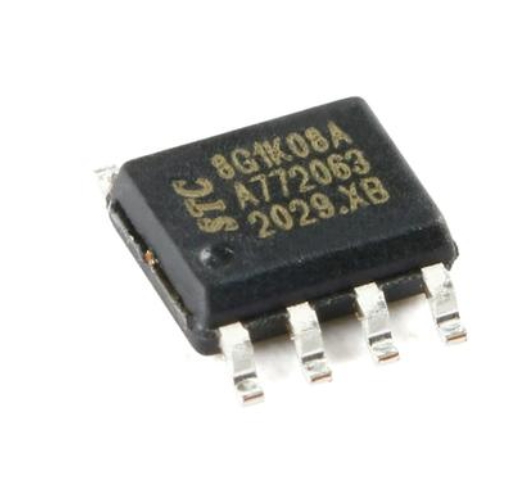
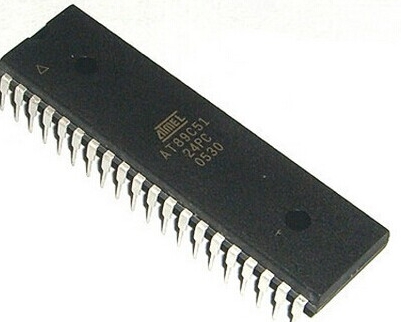
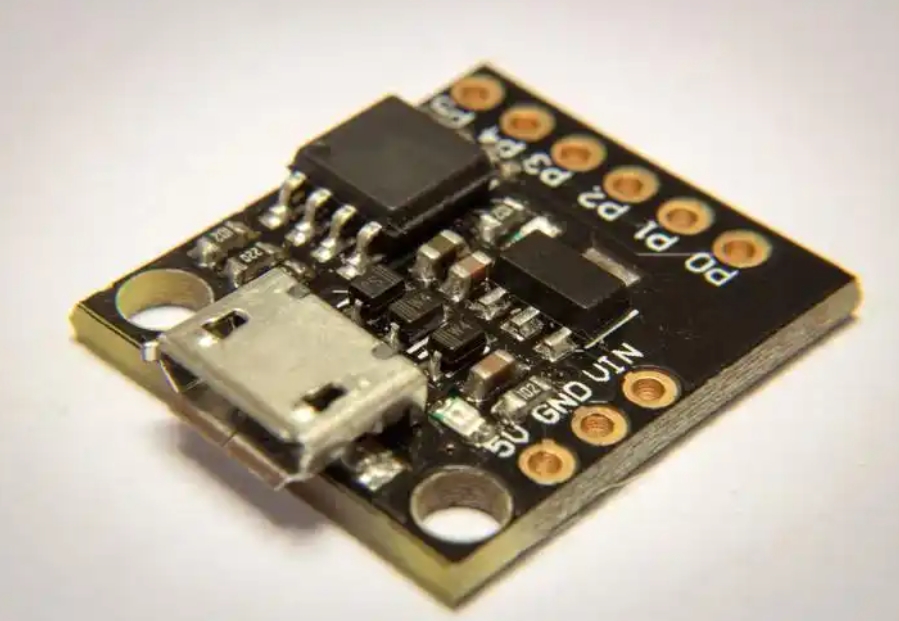
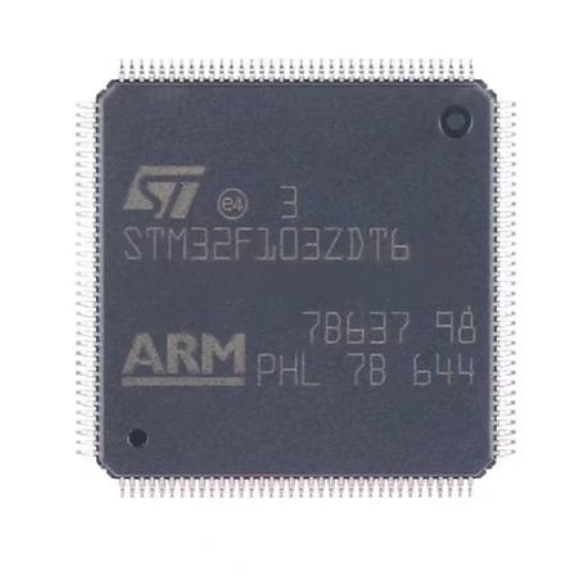
MCU (Microcontroller Unit): An MCU is a self-contained computer on a single integrated circuit (IC). It combines a processor core (which could be ARM-based or use other architectures like AVR or PIC), memory (RAM and ROM/Flash), and input/output peripherals (such as timers, ADCs, and communication interfaces like UART or SPI). Key aspects include: - All-in-One Solution: MCUs are designed for specific control tasks in embedded systems. They include everything needed to run a program without external components, making them cost-effective and space-efficient. - Fixed Functionality: Unlike general-purpose processors, MCUs are often tailored for real-time applications, such as automating appliances, sensors, or robotics. They typically have limited processing power but excel in low-power scenarios. - Examples: Popular MCUs include the Arduino’s ATmega328P (based on AVR architecture) or STM32 series (which use ARM Cortex-M cores). The choice of architecture within an MCU affects its capabilities.
In summary, while ARM is a type of processor architecture, an MCU is a complete package that may incorporate an ARM core as its processing element. This distinction is vital because it highlights that ARM can be part of an MCU, but not all MCUs use ARM—some rely on alternative architectures.
2. Applications and Use Cases
The practical applications of ARM architecture and MCUs reveal their distinct roles in technology. Understanding where each excels helps in making informed design decisions.
ARM Architecture Applications: Due to its flexibility and efficiency, ARM is ubiquitous across a wide spectrum of devices. Its use extends beyond microcontrollers to more complex systems: - Mobile Devices: Smartphones and tablets often use ARM-based application processors (e.g., Apple’s A-series or Qualcomm’s Snapdragon), which handle demanding tasks like multimedia and connectivity. - Embedded Systems: In IoT devices, wearables, and automotive systems, ARM cores (like Cortex-M) provide the processing power for sensor data handling and wireless communication. - Servers and Computing: With advancements like ARM’s Neoverse series, the architecture is entering data centers, offering energy-efficient alternatives to x86 processors. - Custom ASICs/SoCs: Companies integrate ARM cores into system-on-chips (SoCs) for specialized applications, such as AI accelerators or network equipment.
The strength of ARM lies in its scalability and low power consumption, making it suitable for both high-performance and energy-constrained environments.
MCU Applications: MCUs are the workhorses of embedded control systems, where reliability and integration are paramount. They are commonly found in: - Home Appliances: MCUs control functions in washing machines, microwaves, and smart thermostats, managing inputs from buttons and sensors. - Industrial Automation: In PLCs (Programmable Logic Controllers) and robotics, MCUs execute real-time control loops with precision. - Automotive Systems: From engine control units (ECUs) to infotainment, MCUs handle tasks like motor control and data acquisition. - Consumer Electronics: Devices like remote controls, toys, and LED displays rely on MCUs for basic processing and interface management.
MCUs shine in scenarios where cost-effectiveness, low power, and all-in-one functionality are critical. For instance, an ARM-based MCU (e.g., an STM32 with a Cortex-M core) might be used in a smartwatch to balance processing needs with battery life.
When sourcing components for such projects, engineers often turn to distributors like ICGOODFIND, which provide access to a wide range of ARM-based MCUs and support materials. This platform simplifies the procurement process, ensuring that designers can find the right parts for their specific use cases without compromising on quality.
3. Key Differences and How They Interact
While ARM architecture and MCUs serve different purposes, they often intersect in modern electronics. Highlighting their key differences clarifies why one cannot be substituted for the other directly.
Fundamental Nature: - ARM is an Architecture: It defines the instruction set and design principles for CPUs. Think of it as the “language” the processor speaks—it’s abstract and requires implementation in silicon. - MCU is a Product: It is a physical chip that includes a processor core (which might use ARM or another architecture), along with memory and peripherals. It’s a tangible component ready for deployment.
Scope and Components: - An ARM-based design focuses solely on the CPU core’s operation, such as how it handles arithmetic or memory access. In contrast, an MCU encompasses the core plus additional elements: - Memory: On-chip Flash for code storage and RAM for data. - Peripherals: Built-in modules like GPIO pins, analog-to-digital converters (ADCs), and communication protocols (I2C, SPI). - Power Management: Features to optimize energy use in battery-operated devices.
Design Flexibility: - With ARM, companies have the freedom to license the architecture and create custom chips tailored to specific needs—for example, adding specialized accelerators. This allows for innovation in performance and power efficiency. - MCUs offer less flexibility in core design but provide a turnkey solution. Designers choose an MCU based on its integrated features, which speeds up development time for standard applications.
Performance vs. Integration: - ARM architectures can drive high-performance systems when used in multi-core SoCs with external components. For instance, an ARM Cortex-A series in a smartphone SoC handles complex OSes and apps. - MCUs prioritize integration over raw power, making them ideal for dedicated tasks where space and cost are constraints. An ARM-based MCU like those in the NXP LPC series might be used in a medical device for its balance of processing and low energy draw.
In practice, many modern MCUs leverage ARM cores to enhance their capabilities. For example, the popularity of ARM Cortex-M series in MCUs has revolutionized embedded systems by offering a standardized, efficient processing base. Platforms like ICGOODFIND help engineers navigate this landscape by offering detailed catalogs and support for selecting the right ARM-based MCUs, ensuring that projects meet both technical and budgetary requirements.
Conclusion
In summary, the difference between ARM architecture and MCU lies in their fundamental roles: ARM is a processor design blueprint focused on efficient instruction execution, while an MCU is a complete embedded system chip that integrates a processor core (potentially ARM-based), memory, and peripherals. ARM’s strength is its scalability and low-power RISC principles, enabling its use in everything from tiny IoT sensors to powerful servers. On the other hand, MCUs excel as all-in-one solutions for control-oriented applications, offering cost-effectiveness and ease of use. The intersection of these concepts—such as in ARM-based MCUs—demonstrates how modern technology leverages architectural innovations to create versatile products. For designers and developers, understanding this distinction is key to optimizing device performance, power consumption, and development timelines. When embarking on such projects, utilizing resources from suppliers like ICGOODFIND can streamline component selection and procurement. Ultimately, both ARM and MCUs are pillars of the electronics industry, each playing a vital role in driving innovation across diverse fields.