The Comprehensive Guide to MCU (Microcontroller Unit): The Brain Behind Modern Electronics
Introduction
In the vast landscape of modern technology, where smart devices and interconnected systems have become ubiquitous, there exists a silent workhorse that powers innovation from the shadows: the Microcontroller Unit, or MCU. These tiny computational engines are the unsung heroes of the digital age, embedded in everything from your morning coffee maker to sophisticated industrial robots and life-saving medical equipment. Unlike their more glamorous cousins—microprocessors in computers and smartphones—MCUs operate quietly in dedicated roles, executing specific tasks with remarkable efficiency and reliability. The evolution of MCUs represents one of the most significant technological journeys of our time, beginning as simple programmable devices in the 1970s and transforming into sophisticated System-on-Chip (SoC) solutions that pack immense capability into minuscule packages. As we stand at the threshold of the Fourth Industrial Revolution, characterized by massive IoT deployment and edge computing proliferation, understanding MCUs becomes crucial not just for engineers but for anyone seeking to comprehend how our increasingly smart world functions. This comprehensive guide will unpack everything you need to know about microcontroller units—from their fundamental architecture and diverse applications to selection criteria and future trajectories—providing valuable insights for developers, entrepreneurs, and technology enthusiasts alike.
The Architecture and Components of MCUs
Core Processing Elements
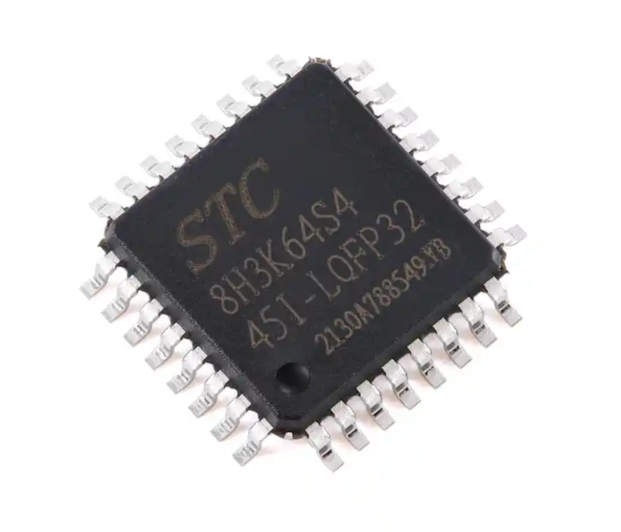
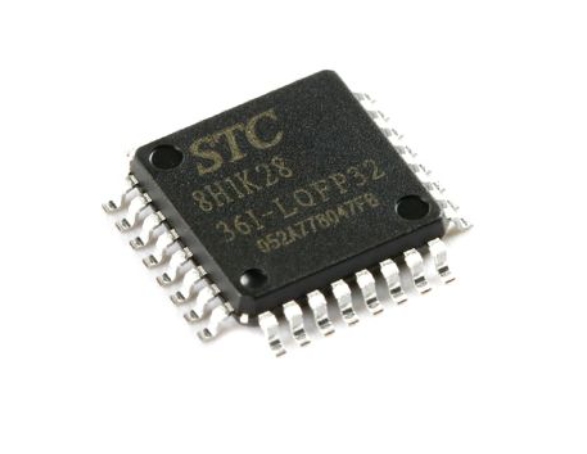
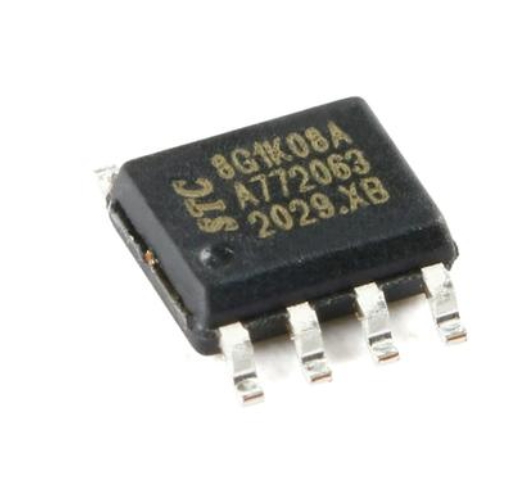
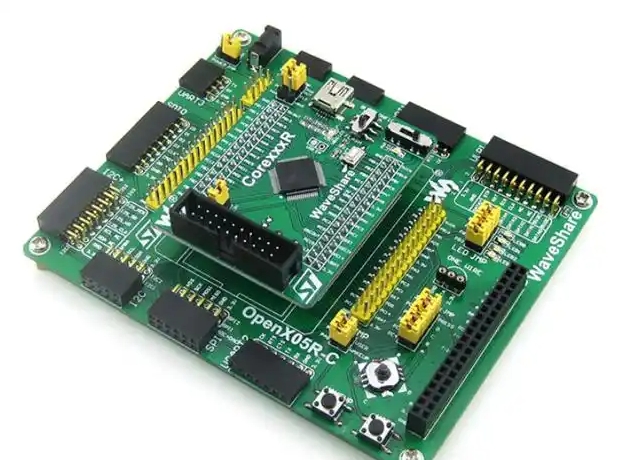
At the heart of every microcontroller unit lies the Central Processing Unit (CPU), which serves as the computational engine executing programmed instructions. The CPU core represents the fundamental intelligence of the MCU, determining its processing capabilities, instruction set architecture (such as ARM, RISC-V, or proprietary architectures), and overall performance characteristics. Modern MCUs typically feature 8-bit, 16-bit, 32-bit, or even 64-bit cores, with each step up offering greater processing power and memory addressability at the cost of increased power consumption. Surrounding the CPU is the memory subsystem, which includes both volatile RAM for temporary data storage during operation and non-volatile flash memory for storing the program code and permanent data. Memory configuration directly impacts the complexity of applications an MCU can handle, with sophisticated devices requiring substantial flash (from 16KB to several MB) and RAM (from 2KB to hundreds of KB) to manage complex algorithms and data buffers. The third critical component is the collection of programmable input/output (I/O) ports that serve as the physical interface between the MCU and the external world—sensing environmental conditions through various sensors and controlling actuators, displays, communication modules, and other peripheral devices.
Peripheral Integration and System Connectivity
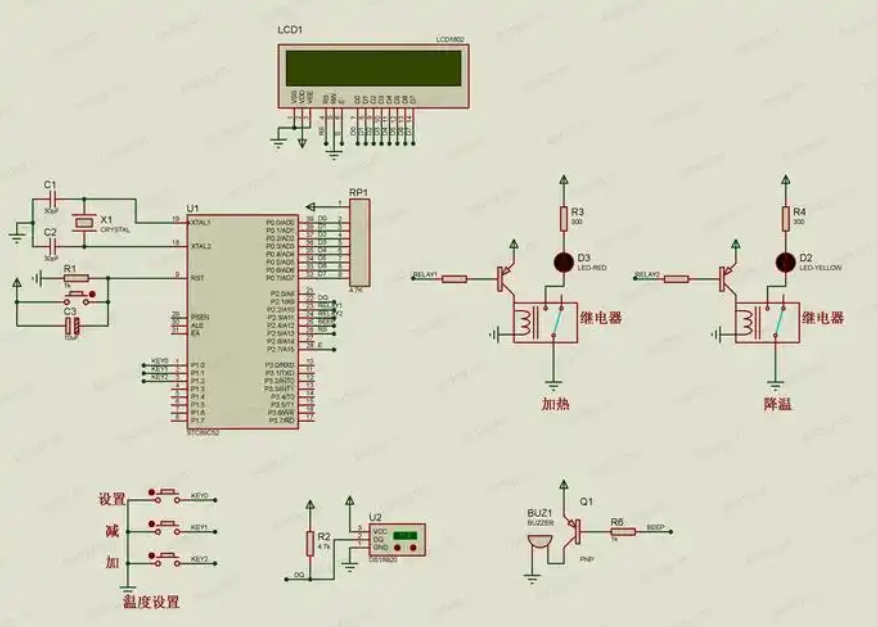
Beyond the core processing elements, modern MCUs integrate a rich set of peripheral components that dramatically expand their capabilities while minimizing external component requirements. Integrated peripherals transform basic MCUs into complete embedded solutions by providing specialized hardware for common functions. These typically include various communication interfaces like UART (Universal Asynchronous Receiver/Transmitter), SPI (Serial Peripheral Interface), I²C (Inter-Integrated Circuit), USB (Universal Serial Bus), Ethernet, and increasingly, wireless protocols such as Bluetooth Low Energy, Wi-Fi, Zigbee, and LoRaWAN. Additionally, most MCUs incorporate analog-to-digital converters (ADCs) for reading sensor values, digital-to-analog converters (DACs) for generating analog signals, pulse-width modulation (PWM) controllers for precise motor control and dimming functions, multiple timers/counters for scheduling operations and measuring time intervals, and sometimes even dedicated cryptographic accelerators for security-sensitive applications. This high level of integration significantly reduces system cost, board space, and power consumption compared to discrete implementations while improving reliability through reduced component count.
Power Management Architectures
Power efficiency represents perhaps the most critical design consideration for contemporary MCUs, especially those destined for battery-powered or energy-harvesting applications. Sophisticated power management subsystems enable MCUs to operate across wide voltage ranges while implementing various low-power modes that dramatically extend battery life. These typically include active modes optimized for performance-per-watt balance, multiple sleep modes with progressively lower power consumption (where different parts of the chip can be selectively powered down), and deep sleep/standby modes that reduce current draw to microamps or even nanoamps while retaining just enough functionality to wake on external events or predefined intervals. Advanced MCUs implement dynamic voltage and frequency scaling (DVFS) that adjusts operating parameters in real-time based on processing demands, clock gating that disables unused modules, and sophisticated wake-up interrupt controllers that allow specific events to resume normal operation. These power optimization techniques are essential for IoT edge devices that must operate for years on small batteries or even harvested energy from environmental sources like light, vibration, or thermal gradients.
Applications and Use Cases of MCUs
Consumer Electronics and Smart Home Devices
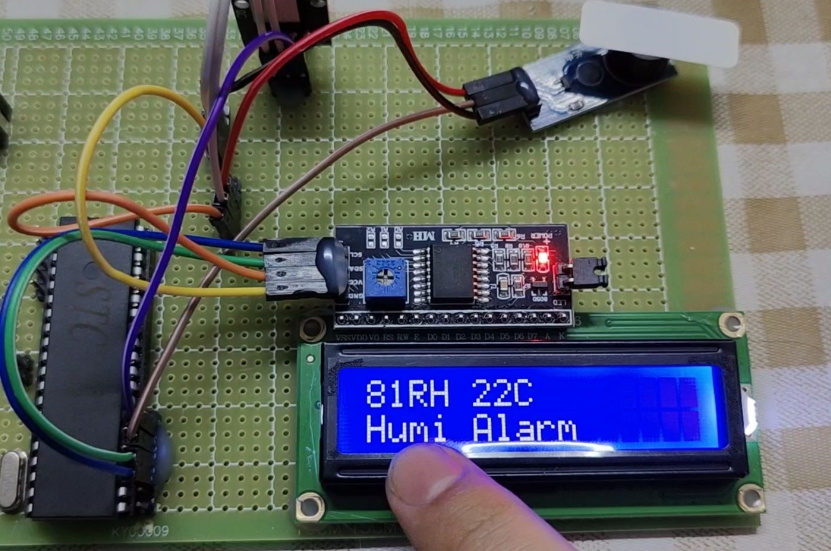
The consumer electronics sector represents perhaps the most visible application domain for microcontroller units, with MCUs serving as the computational foundation for countless everyday products. MCUs have revolutionized consumer products by adding intelligence, connectivity, and user-friendly interfaces to previously “dumb” devices. In the smart home ecosystem alone, MCUs control everything from Wi-Fi enabled thermostats that learn user preferences to intelligent lighting systems that adjust color temperature throughout the day, security cameras with person detection capabilities, voice-controlled assistants that process wake words locally, and smart appliances that optimize energy usage based on utility pricing signals. The automotive sector represents another massive consumer of MCUs, with modern vehicles incorporating dozens of them for functions ranging from engine control units (ECUs) and anti-lock braking systems to infotainment interfaces, advanced driver assistance systems (ADAS), and tire pressure monitoring. The proliferation of MCUs in consumer devices has dramatically improved functionality while driving down costs through economies of scale and integration.
Industrial Automation and Control Systems
In industrial environments, MCUs deliver reliability and precision in demanding conditions where failure is not an option. Industrial-grade MCUs operate reliably in harsh environments with extreme temperatures, vibration, and electrical noise while providing deterministic real-time performance for control applications. Programmable Logic Controllers (PLCs)—the workhorses of industrial automation—are fundamentally built around robust MCUs that execute ladder logic programs to control machinery on factory floors. Motor control applications represent another significant industrial use case, with specialized MCUs implementing sophisticated algorithms for precisely controlling brushless DC motors, stepper motors, and servo drives in CNC machines, robotics, conveyor systems, and pumps. Predictive maintenance systems leverage MCUs to continuously monitor equipment vibration, temperature, and acoustic signatures, detecting anomalies before they lead to costly downtime. The Industrial Internet of Things (IIoT) movement is driving increased adoption of connected MCUs that enable remote monitoring, data analytics, and operational optimization across manufacturing facilities, energy grids, and transportation infrastructure.
Healthcare and Medical Devices
The healthcare sector increasingly relies on sophisticated MCU-based devices for patient monitoring, diagnostics, treatment delivery, and overall improvement of clinical outcomes. Medical-grade MCUs must meet stringent reliability standards while offering high precision analog capabilities for accurate biometric measurements. Portable medical devices such as blood glucose meters, digital thermometers, pulse oximeters, portable ECG monitors, and automated external defibrillators all depend on specialized MCUs that combine low power operation with accurate sensor signal processing. Implantable medical devices like pacemakers, neurostimulators, and drug delivery systems push MCU requirements even further—demanding ultra-low power consumption measured in microamps or nanoamps, robust security to prevent unauthorized access, and exceptional reliability verified through rigorous testing procedures. The ongoing revolution in remote patient monitoring leverages connected MCUs in wearable devices that track vital signs continuously outside clinical settings, enabling early intervention and reducing hospital readmissions. The convergence of MCU technology with healthcare applications is creating new paradigms for preventive medicine and personalized treatment.
Selecting the Right MCU for Your Project
Performance Requirements vs. Power Constraints
Selecting the appropriate microcontroller for a specific application requires carefully balancing often conflicting requirements across multiple dimensions. The fundamental tradeoff in MCU selection pits processing performance against power consumption, with additional considerations for cost, peripheral set, memory configuration, development ecosystem maturity, and long-term availability. For battery-powered applications where energy efficiency is paramount, designers typically select lower-frequency cores (often 8-bit or 16-bit architectures) that excel at spending most of their time in ultra-low-power sleep modes while waking briefly to handle tasks. Conversely, applications involving complex signal processing algorithms, rich user interfaces, or multiple simultaneous wireless connections generally require more powerful 32-bit cores based on ARM Cortex-M or RISC-V architectures that deliver higher computational density while still maintaining reasonable power characteristics. Modern development tools including power profiling hardware and energy-aware software frameworks help quantify these tradeoffs during the prototyping phase by measuring actual current consumption across different operational scenarios.
Peripheral Integration and Interface Requirements
Beyond raw processing performance, successful MCU selection requires meticulous matching of integrated peripherals to application requirements. Careful analysis of necessary interfaces prevents both under-specification (missing required functionality) and over-specification (paying for unused features). The first step involves cataloging all necessary communication interfaces—both wired protocols like UART, I²C, SPI, USB, CAN bus for automotive/industrial applications, Ethernet for network connectivity—and wireless options such as Bluetooth LE for personal area networks, Wi-Fi for internet connectivity when infrastructure exists, or sub-GHz protocols like LoRaWAN and Sigfox for long-range low-power applications where cellular connectivity would be too expensive or power-intensive. Similarly important is assessing analog requirements: resolution and sampling rate needs for ADCs measuring sensor inputs; precision timing requirements for motor control PWMs; real-time clock accuracy for timekeeping applications; hardware cryptographic acceleration for secure devices; display controllers for user interfaces; and capacitive touch sensing inputs for modern button-free designs.
Development Ecosystem and Long-Term Considerations
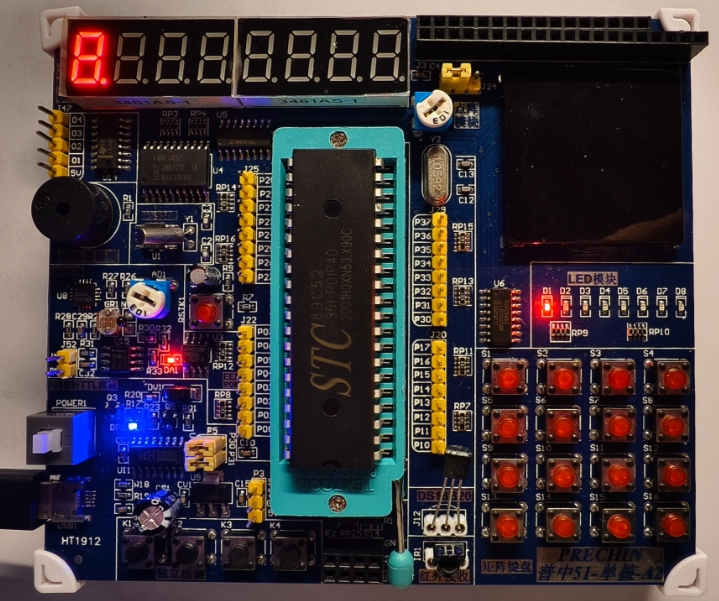
The technical specifications of an MCU represent only part of the selection equation—equally important is evaluating the development ecosystem surrounding it and long-term business considerations. A mature development ecosystem dramatically accelerates product development through available tools,libraries,and community support. Key elements include availability of affordable development kits,evaluation boards,and debugging probes;quality of software development kits (SDKs)with peripheral drivers,middleware stacks,and example code;robustness of integrated development environments(IDEs)with debugging capabilities;comprehensive documentation including datasheets,family reference manuals,and application notes;and active community forums where developers share knowledge.When considering platforms like those recommended by ICGOODFIND,authorized distributors provide not just components but valuable technical support.For commercial products,business considerations like long-term availability guarantees,supply chain resilience,cost at volume pricing,and second-source alternatives become critical factors in mitigating production risks.Partnering with established suppliers ensures access to ongoing technical supportand protects against unexpected component obsolescence.
Conclusion
The microcontroller unit stands as one of the most transformative technologies of our digital era,a foundational element that has enabled the proliferation of intelligent embedded systems across every facet of modern life.From its humble beginnings as a simple integrated circuit with minimal programmability,the MCU has evolved into a highly sophisticated System-on-Chip that packs immense computational capability,intelligent peripherals,and power management sophistication into packages sometimes smaller than a fingernail.As we look toward the future,the trajectory of MCU development points toward even greater integration,increased specialization for domain-specific applications,and enhanced security features that will make our connected world more resilient against threats.The ongoing convergence of artificial intelligence with microcontroller technology is particularly exciting,paving the way for tinyML implementations that bring machine learning capabilities to resource-constrained edge devices.The continued innovation in ultra-low-power designs will further expand the boundaries of what’s possible with energy harvesting,pushing us closer to perpetually-powered IoT nodes that require no batteries or manual charging.For engineers,business leaders,and technology enthusiasts,navigating this complex landscape requires both technical understandingand strategic vision—qualities that platforms like ICGOODFIND help cultivate through comprehensive component selectionand technical resources.As MCUs continue their silent revolution,the only certainty is that these remarkable chips will remain at the heartof technological innovationfor decades to come.