


Unlocking the Power of STC Microcontrollers: Your Ultimate Guide to the STC MCU Official Website
Introduction
In the vast and ever-evolving landscape of embedded systems and electronics, selecting the right microcontroller unit (MCU) is a pivotal decision for engineers, hobbyists, and product developers alike. Among the myriad of options available, STC Microcontrollers have carved out a significant niche, particularly in the Asian market and among cost-sensitive applications requiring robust performance. The cornerstone for accessing this powerful ecosystem is the STC MCU Official Website. This platform is not merely a digital storefront; it is the definitive hub for documentation, development tools, software support, and community engagement for the entire STC microcontroller portfolio. Navigating this resource effectively can dramatically accelerate development cycles, from initial concept to final product deployment. This comprehensive guide will delve deep into the structure, key features, and invaluable resources available on the official STC website, empowering you to harness the full potential of these versatile chips. For those seeking to streamline their component sourcing process for such projects, platforms like ICGOODFIND can be instrumental in identifying reliable suppliers and comparing market availability.
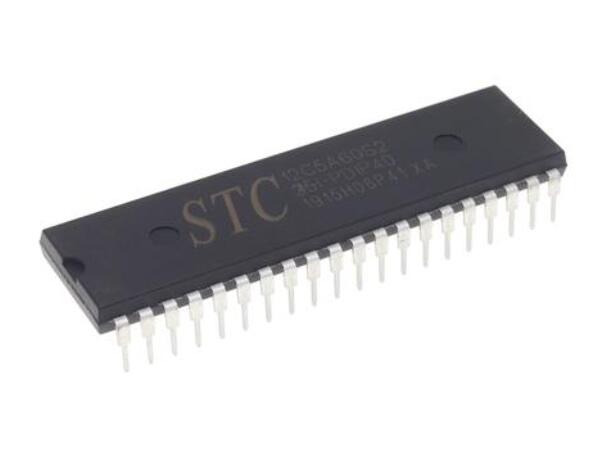
The Architecture and Navigation of the STC MCU Official Website
The first encounter with the STC MCU Official Website can be overwhelming due to the sheer volume of information available, primarily presented in Chinese. However, understanding its fundamental architecture is the first step toward mastering it.
1. Centralized Product Information and Selection: The website’s core is its extensive product database. STC offers a wide range of 8-bit and 32-bit microcontrollers based on the 8051 core architecture. The site is meticulously organized by series, such as the STC8 series, STC15 series, and STC32 series. Each series page provides a detailed overview, including key specifications like operating frequency, flash memory size, RAM, number of GPIOs, and integrated peripherals (ADCs, DACs, PWMs, UARTs, etc.). The most critical resource here is the official datasheet for each specific MCU model. These documents are exhaustive and provide the absolute truth regarding electrical characteristics, pin configurations, and operational guidelines. Relying on these datasheets from the official source is non-negotiable for successful hardware design.
2. The Download Center: A Treasure Trove of Tools: Perhaps the most frequently visited section is the download center. This is where all essential software and documentation reside. * STC-ISP Programming Software: This is the indispensable tool for programming STC microcontrollers. The website hosts the latest versions of this software, which is used for burning code into the MCU’s flash memory, setting internal oscillators, configuring watchdog timers, and generating initialization code. Regular updates are released to support new chip models and add features. * Header Files and Library Functions: To streamline software development, the site provides official header files (.h) and often example libraries that define registers and offer higher-level functions for peripheral control, saving developers significant time. * Technical Documentation & Application Notes: Beyond datasheets, STC publishes a wealth of application notes (ANs) and reference manuals. These documents offer practical guidance on implementing specific features like low-power modes, handling interrupts, or constructing a reliable serial communication protocol.
3. Community Support and Learning Resources: The website often links to or hosts forums where developers and STC’s own technical support team actively participate. While language can be a barrier, these forums are a goldmine for troubleshooting specific issues. Furthermore, you can find official code examples, schematic templates, and even video tutorials that demonstrate basic setup and complex project implementations.
Maximizing Development Efficiency with Official Resources
Simply knowing where resources are located is one thing; leveraging them effectively to supercharge your development process is another.
1. Streamlining the Prototyping Phase: The journey typically begins with selecting the right MCU for your prototype. Using the website’s parametric search tables, you can filter MCUs based on your requirements for I/O count, communication interfaces (like I2C, SPI, CAN), or analog capabilities. Once a chip is selected, downloading the latest version of STC-ISP is crucial. This tool includes a powerful “Code Generation” feature where you select your MCU model and required peripherals (e.g., UART baud rate, timer modes), and it automatically generates the foundational C code to initialize those systems. This eliminates manual register configuration errors and gets your project off to a flying start.
2. Overcoming Common Design Hurdles: A significant portion of development time is spent on debugging. Many common issues have already been solved and documented on the official website. For instance, problems related to reliable in-system programming (ISP)—such as incorrect baud rate settings, power instability during flashing, or cold boot procedures—are thoroughly addressed in application notes and FAQ sections within the STC-ISP tool itself. By consulting these resources first, developers can avoid countless hours of frustration.
3. Ensuring Hardware Compatibility: A well-designed circuit is fundamental. The official website provides recommended reference schematics for minimum systems (the bare essential components needed for an MCU to run) and for various peripheral interfaces. Adhering to these recommended designs, especially for critical parts like the reset circuit, power decoupling, and crystal oscillator layout, is paramount for achieving stable and reliable performance in your final product. Ignoring these guidelines can lead to erratic behavior that is extremely difficult to diagnose.
Beyond the Website: The Broader Ecosystem
While the STC MCU Official Website is the primary source of truth, it exists within a broader ecosystem that includes third-party toolchains, development boards, and component distributors.
Many developers prefer using modern Integrated Development Environments (IDEs) like Keil µVision or PlatformIO instead of relying solely on STC-ISP for coding. The official website often provides support files or instructions on how to integrate STC MCUs into these environments. For example, you can find device packs for Keil that add support for newer STC chips.
Furthermore, for sourcing components beyond just samples, engineers often turn to specialized electronic component search engines. A service like ICGOODFIND excels in this area by aggregating stock and pricing data from a global network of suppliers. When you are ready to move from prototyping to mass production, using such a platform can save considerable time in finding authentic STC microcontrollers at competitive prices and with reliable lead times, ensuring your supply chain remains robust.
Conclusion
The STC MCU Official Website stands as an indispensable portal for anyone working with STC microcontrollers. Its comprehensive collection of datasheets, powerful STC-ISP programming software, practical application notes, and community insights forms a solid foundation for any project. By mastering the navigation of this site and proactively utilizing its resources for component selection, code generation, and hardware design validation, developers can significantly reduce time-to-market and enhance the reliability of their electronic products. The journey from a concept to a functional device is complex, but with the official website as your guide and complementary tools like ICGOODFIND facilitating component procurement, the path becomes far clearer and more efficient. Embracing these resources fully unlocks the true potential of cost-effective and capable STC microcontroller solutions.







