
Introduction to STC89C52 MCU
Introduction
The world of embedded systems and microcontroller units (MCUs) has revolutionized modern technology, powering everything from household appliances to industrial automation. Among the myriad of MCUs available, the STC89C52 stands out as a popular and versatile choice for engineers, hobbyists, and students alike. As an enhanced version of the classic 8051 microcontroller family, the STC89C52 combines reliability with enhanced features, making it an ideal entry point for those delving into microcontroller programming and applications. This article provides a comprehensive introduction to the STC89C52 MCU, covering its key specifications, architecture, programming methods, and practical applications. Whether you’re a beginner looking to start your journey in embedded systems or a professional seeking a cost-effective solution, understanding the STC89C52 is essential. By exploring its capabilities, we aim to equip you with the knowledge to leverage this powerful chip in your projects. For those seeking reliable components and resources, platforms like ICGOODFIND offer valuable support in sourcing and implementing MCUs like the STC89C52.

Main Body
Part 1: Overview and Key Features of the STC89C52 MCU
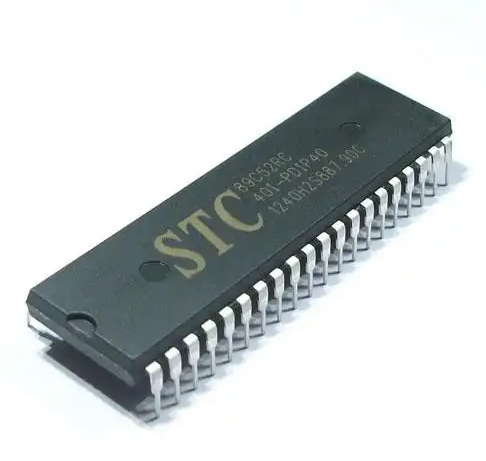
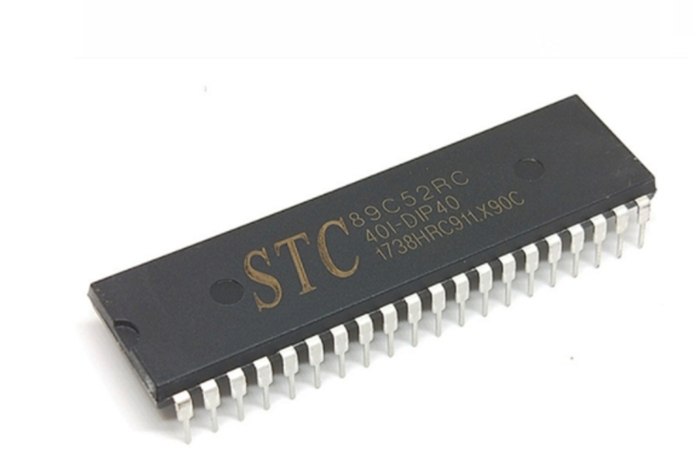
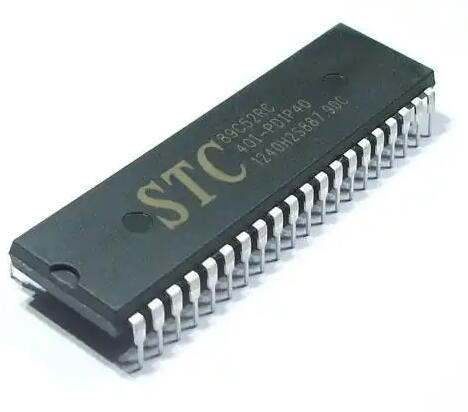
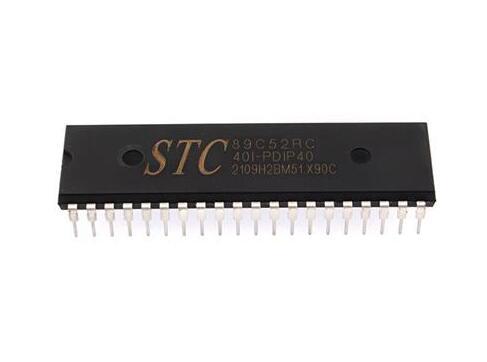
The STC89C52 is a member of the 8051 microcontroller family, developed by STC Microcontroller, a Chinese company known for producing high-performance, low-power MCUs. It is based on the MCS-51 architecture, which has been a cornerstone in embedded systems for decades due to its simplicity and robustness. The “C52” suffix indicates specific enhancements over the basic 8051 model, such as increased memory and additional peripherals. This MCU is widely used in educational settings, prototyping, and commercial products due to its affordability and ease of use.
One of the standout features of the STC89C52 is its 8-bit CPU core, which operates at a clock frequency of up to 80 MHz, though typical applications run at 11.0592 MHz or 12 MHz for compatibility with serial communication standards. This core executes instructions efficiently, supporting a wide range of operations from simple arithmetic to complex control tasks. The MCU includes 8 KB of flash program memory, which is reprogrammable, allowing for iterative development and updates without replacing the chip. This non-volatile memory retains code even when power is off, making it suitable for permanent installations. Additionally, it has 512 bytes of RAM for data storage during operation, which is sufficient for many embedded applications like data logging or real-time control.
Another key aspect is the on-chip peripherals that reduce the need for external components. The STC89C52 features 32 programmable I/O pins, organized into four ports (P0, P1, P2, and P3), which can be configured as inputs or outputs for interfacing with sensors, displays, and other devices. It also includes three 16-bit timers/counters (Timer 0, Timer 1, and Timer 2) that are essential for tasks such as generating precise delays, measuring intervals, or producing PWM signals for motor control. The built-in UART (Universal Asynchronous Receiver/Transmitter) supports serial communication protocols like RS-232, enabling data exchange with PCs or other microcontrollers. Moreover, it has an interrupt system with multiple sources, allowing the MCU to respond promptly to external events, which is crucial for real-time applications.
Power management is another strength of the STC89C52. It operates at a voltage range of 3.3V to 5V, making it compatible with both modern low-power systems and legacy 5V logic. The MCU also supports power-down and idle modes to conserve energy in battery-operated devices. For instance, in power-down mode, the chip consumes minimal current, waking up only when an interrupt occurs. This makes it ideal for IoT devices or portable gadgets where energy efficiency is paramount.
In summary, the STC89C52’s blend of memory, peripherals, and power options makes it a versatile choice. Its compatibility with the 8051 ecosystem means a wealth of existing tools and libraries are available, accelerating development. As a cost-effective solution, it often serves as a gateway for learning embedded systems, and resources from suppliers like ICGOODFIND can help users access genuine components and documentation.
Part 2: Architecture and Programming Methods
Understanding the architecture of the STC89C52 is fundamental to harnessing its full potential. The MCU’s design follows the Harvard architecture, where program memory and data memory are separate, allowing simultaneous access for faster execution. The core components include the Central Processing Unit (CPU), which consists of an Arithmetic Logic Unit (ALU), registers, and control units. The CPU fetches instructions from flash memory, decodes them, and executes operations using the ALU. Key registers include the Accumulator (A), B register, and Program Status Word (PSW), which store intermediate results and status flags like carry or overflow.
The memory organization is divided into several segments: the 8 KB flash memory for storing program code, which can be erased and reprogrammed electronically; the 512 bytes of internal RAM for temporary data storage, including general-purpose registers and bit-addressable memory; and the Special Function Registers (SFRs) that control peripherals such as timers, serial ports, and I/O pins. The SFRs are mapped to specific addresses in the memory space, allowing direct manipulation through C or assembly code. For example, writing to the SFR for Port 1 can set output levels on its pins.
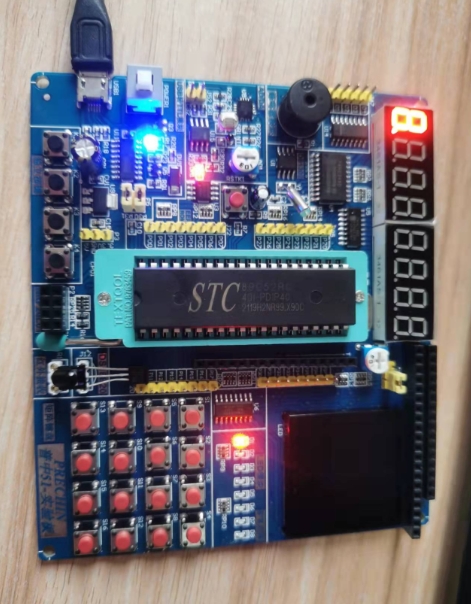
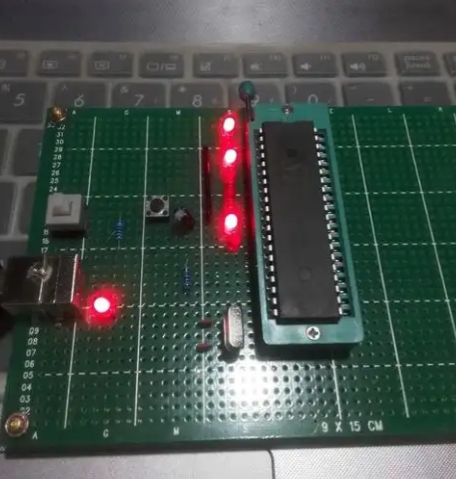
Programming the STC89C52 typically involves using integrated development environments (IDEs) like Keil µVision or SDCC (Small Device C Compiler), which support C language or assembly programming. C is preferred for its readability and efficiency, while assembly offers low-level control for time-critical tasks. The process starts with writing code that initializes peripherals, handles interrupts, and implements the main logic. For instance, a simple program to blink an LED might use a timer to create delays without blocking other operations.
To transfer code to the MCU, a programmer or bootloader is used. The STC89C52 often employs an ISP (In-System Programming) method via its UART interface, requiring only a serial connection (e.g., through a USB-to-TTL adapter) and software like STC-ISP provided by the manufacturer. This tool allows users to flash the compiled hex file onto the flash memory effortlessly. Debugging can be done using simulators or hardware debuggers to trace execution and identify issues.
Practical programming examples highlight its capabilities. For instance, using timers to generate precise 1-second intervals involves configuring timer registers and handling interrupts. Similarly, UART programming enables communication with a PC for data logging or remote control. The interrupt system can prioritize tasks—like responding to a button press while maintaining a background process—ensuring responsive performance.
Overall, mastering the STC89C52’s architecture and programming methods opens doors to complex projects. Its well-documented design encourages experimentation, and platforms like ICGOODFIND provide essential tools and components for seamless development.
Part 3: Applications and Practical Implementations
The STC89C52 MCU finds applications across various domains due to its robustness and flexibility. In consumer electronics, it is commonly used in devices like remote controls, digital thermometers, and smart home systems. For example, in a temperature monitoring system, the MCU can read data from a sensor like the DS18B20 via its I/O pins, process it, and display results on an LCD screen while communicating alerts through UART if thresholds are exceeded.
In industrial automation, the STC89C52 serves in control systems for machinery, where its timers and interrupts manage processes such as motor speed regulation or conveyor belt timing. Its ability to interface with ADCs (Analog-to-Digital Converters) allows it to handle analog signals from sensors monitoring pressure or flow rates. Additionally, its low power consumption makes it suitable for battery-powered devices in field deployments.
Educational projects often feature the STC89C52 in robotics and prototyping. Students can build line-following robots by integrating infrared sensors with the MCU’s I/O ports and using PWM from timers to control motor drivers. Another popular application is in security systems, where the MCU interfaces with keypads, RFID readers, and alarms to create access control mechanisms.
The Internet of Things (IoT) is another area where the STC89C52 shines when combined with modules like ESP8266 for Wi-Fi connectivity. It can act as a local controller in smart agriculture systems, collecting data from soil moisture sensors and sending it to cloud servers for analysis. Its reliability in harsh environments—thanks to features like wide operating voltage—ensures longevity in outdoor setups.
For hobbyists, platforms like Arduino have libraries that emulate 8051 functionality, but using the native STC89C52 offers deeper insights into embedded principles. Projects such as digital clocks, weather stations, or even simple games demonstrate its versatility. Sourcing components from reputable suppliers like ICGOODFIND ensures quality and support for these implementations.
In conclusion, the STC89C52’s applications are limited only by imagination. Its cost-effectiveness and community support make it a go-to choice for innovators worldwide.
Conclusion
The STC89C52 MCU remains a cornerstone in embedded systems due to its balanced features, ease of use, and affordability. From its enhanced 8051 architecture to practical programming approaches and diverse applications—from consumer gadgets to industrial controls—it offers a solid foundation for learning and innovation. By mastering this MCU users gain valuable skills transferable to more advanced systems emphasizing its enduring relevance in technology As you embark on your projects remember that resources from ICGOODFIND can streamline your journey providing reliable components and insights Ultimately embracing tools like this fosters creativity driving progress in our interconnected world