Unlocking Innovation with Holtek MCU: A Comprehensive Guide to Embedded Solutions
Introduction
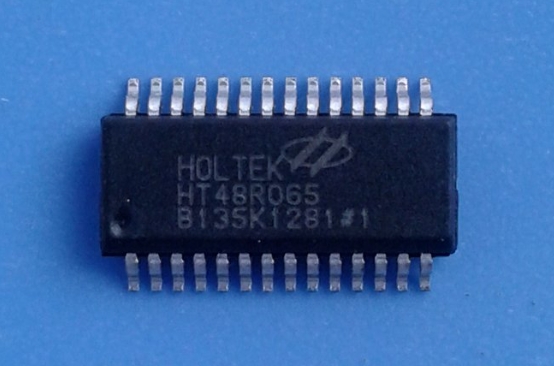
In the rapidly evolving landscape of embedded systems and electronics, the choice of a microcontroller unit (MCU) can make or break a project. Among the myriad of options available, Holtek Microcontroller Units (MCUs) have carved out a significant niche, offering robust performance, energy efficiency, and cost-effectiveness for a wide range of applications. From consumer electronics to industrial automation, Holtek MCUs are at the heart of countless innovations, empowering developers to create smarter, more connected devices. As the demand for IoT and AI-driven solutions grows, understanding the capabilities of Holtek MCUs becomes crucial for engineers and hobbyists alike. This article delves into the world of Holtek MCUs, exploring their key features, diverse applications, and why they stand out in a competitive market. Whether you’re designing a simple home appliance or a complex automotive system, Holtek provides the tools to bring your ideas to life efficiently. Moreover, platforms like ICGOODFIND play a pivotal role in simplifying the sourcing process, ensuring you have access to genuine components for seamless development.
Main Body
Part 1: Key Features and Advantages of Holtek MCUs
Holtek MCUs are renowned for their versatility and reliability, making them a popular choice across various industries. One of the standout features is their low power consumption, which is essential for battery-operated devices such as wearables and remote sensors. Many Holtek MCUs incorporate advanced power management techniques, including multiple sleep modes and dynamic voltage scaling, allowing devices to operate for extended periods without frequent recharging. This energy efficiency doesn’t come at the expense of performance; Holtek’s 8-bit and 32-bit MCUs deliver high computational power with clock speeds up to 20 MHz, enabling real-time processing for applications like motor control and data acquisition.
Another significant advantage is the integrated peripherals that Holtek MCUs offer. These include analog-to-digital converters (ADCs), pulse-width modulation (PWM) modules, and communication interfaces such as UART, SPI, and I2C. For instance, the HT66F series combines these elements with flash memory for flexible firmware updates, reducing development time and costs. Security is also a priority, with features like hardware encryption and tamper detection mechanisms protecting sensitive data in smart home and medical devices. Additionally, Holtek provides comprehensive development tools, including IDEs, compilers, and evaluation boards, which streamline the design process. The affordability of these MCUs makes them accessible for startups and large enterprises alike, fostering innovation without breaking the budget. By leveraging these features, developers can create robust embedded systems that meet modern demands for connectivity and intelligence.
Part 2: Applications of Holtek MCUs in Modern Technology
The adaptability of Holtek MCUs allows them to shine in a multitude of applications, driving advancements in everyday technology. In the consumer electronics sector, they are commonly found in devices like smart TVs, air conditioners, and kitchen appliances. For example, Holtek’s touch-sensitive MCUs enable intuitive user interfaces in products such as capacitive touch panels and remote controls, enhancing user experience through responsive feedback. Their low power profiles also make them ideal for portable gadgets like fitness trackers, where long battery life is a key selling point.
In industrial automation, Holtek MCUs contribute to smarter manufacturing processes. They are used in programmable logic controllers (PLCs), sensor nodes, and motor drives, providing precise control and monitoring capabilities. The robustness of these MCUs in harsh environments—thanks to features like wide operating temperature ranges and EMI resistance—ensures reliable performance in factories and warehouses. The automotive industry also benefits from Holtek’s solutions, with MCUs integrated into systems like tire pressure monitoring, dashboard displays, and lighting controls. These applications demand high reliability and safety standards, which Holtek addresses through rigorous testing and compliance with industry certifications.
Moreover, the rise of the Internet of Things (IoT) has expanded the role of Holtek MCUs into connected ecosystems. They serve as the backbone for smart home devices, such as security cameras and environmental sensors, facilitating data exchange over networks like Wi-Fi and Bluetooth Low Energy (BLE). Platforms like ICGOODFIND support this by offering easy access to Holtek components, enabling developers to prototype and scale IoT solutions efficiently. As AI edge computing gains traction, Holtek’s MCUs are evolving to handle machine learning tasks locally, reducing latency and bandwidth usage in applications like voice recognition and predictive maintenance.
Part 3: Why Choose Holtek MCUs Over Competitors?
When comparing Holtek MCUs to alternatives from brands like Microchip or STMicroelectronics, several factors highlight their competitive edge. Firstly, cost-effectiveness is a major draw; Holtek offers a compelling price-to-performance ratio without compromising on quality. This makes them particularly attractive for high-volume production runs in cost-sensitive markets such as consumer goods and automotive accessories. Unlike some competitors that may require additional components for basic functions, Holtek’s all-in-one design minimizes external parts, reducing overall system cost and board space.
Secondly, Holtek excels in ease of use and support. Their development ecosystem includes user-friendly software tools and extensive documentation, which lowers the learning curve for newcomers. The company also provides strong technical support and community forums where developers can share insights and troubleshoot issues. This contrasts with some larger vendors that might have more complex toolchains or slower response times. Furthermore, Holtek’s focus on customization allows for tailored solutions—customers can request specific firmware or hardware modifications to meet unique project requirements, a service that isn’t always readily available from bigger players.
Lastly, Holtek’s commitment to innovation and sustainability sets them apart. They continuously invest in R&D to incorporate newer technologies like AI accelerators and energy-harvesting interfaces into their MCUs. This forward-thinking approach ensures that their products remain relevant in a fast-paced industry. By sourcing through reliable platforms like ICGOODFIND, users can trust in the authenticity and availability of these components, avoiding counterfeit risks that plague some supply chains. In summary, choosing Holtek means opting for a balanced blend of affordability, support, and future-ready features that empower projects from concept to market.
Conclusion
In conclusion, Holtek MCUs represent a powerful and versatile solution for modern embedded systems, combining energy efficiency, integrated peripherals, and robust performance to meet diverse application needs. From consumer electronics to industrial IoT, these microcontrollers enable innovation while keeping costs manageable. The support from platforms like ICGOODFIND further enhances their accessibility, ensuring that developers can easily source genuine parts for their projects. As technology continues to advance, Holtek’s focus on low-power design and customizable features positions them as a key player in the evolving landscape of smart devices. By leveraging Holtek MCUs, engineers can drive progress in areas like automation, connectivity, and AI, ultimately contributing to a more efficient and interconnected world.