

200 MCU Application Examples: Unleashing the Power of Embedded Systems
Introduction
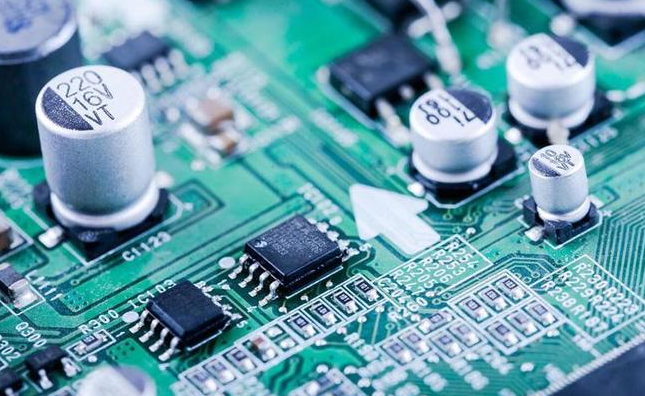
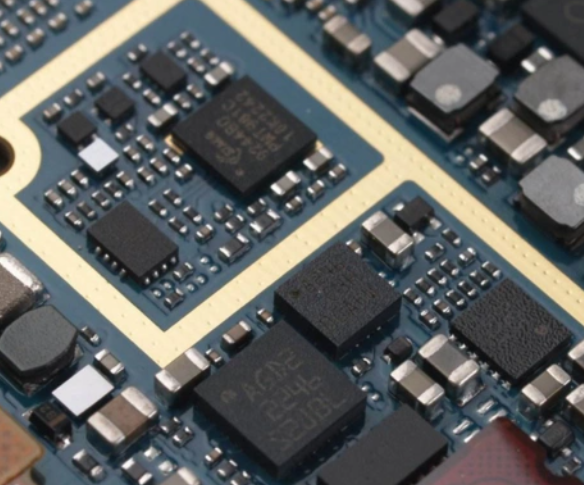
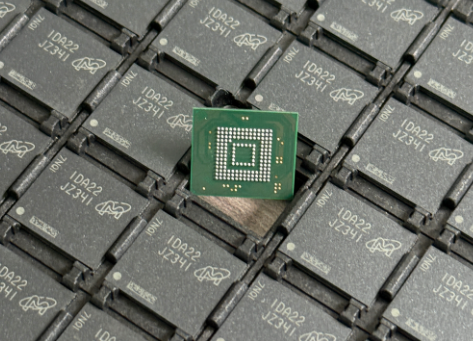
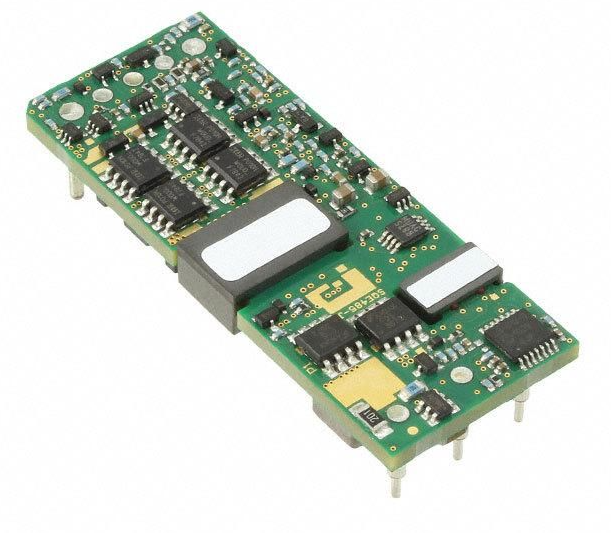
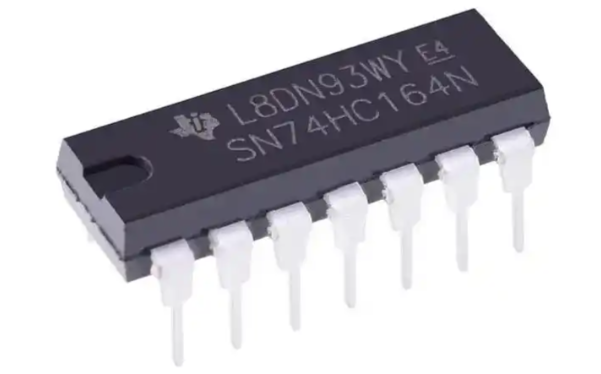
In the vast and intricate world of electronics, the Microcontroller Unit (MCU) stands as a silent, ubiquitous titan. From the moment you wake up to a smart alarm, brew your morning coffee with a programmable machine, commute in a modern vehicle, and unwind with your home entertainment system, you are interacting with dozens, if not hundreds, of MCUs. These compact integrated circuits, containing a processor core, memory, and programmable input/output peripherals, are the fundamental building blocks of the digital age. This article delves into the immense practical scope of these devices by exploring 200 MCU application examples across diverse industries. Understanding these applications is not just an academic exercise; it’s a roadmap for innovators, engineers, and businesses looking to create the next generation of smart, connected, and efficient products. For professionals seeking to navigate this complex landscape and source the ideal components for their projects, platforms like ICGOODFIND offer invaluable resources by connecting them with a global network of suppliers and up-to-date inventory data.
Main Body
Part 1: Consumer Electronics and Smart Living
The most visible impact of MCUs is in our everyday lives. Their low cost, power efficiency, and programmability make them perfect for enhancing convenience, entertainment, and safety.
- Home Appliances: Modern refrigerators use MCUs for temperature precision control and defrost cycles, while washing machines employ them for sophisticated wash program management and motor control. Microwave ovens, air conditioners, and robotic vacuum cleaners all rely on MCU intelligence.
- Personal Electronics: The fitness tracker on your wrist uses an ultra-low-power MCU to monitor heart rate, count steps, and process sensor data. Wireless earbuds utilize MCUs for audio decoding, noise cancellation, and Bluetooth communication. Even computer peripherals like keyboards, mice, and gaming controllers are built around MCUs.
- Home Automation & IoT: This is a booming area for MCU application. Smart thermostats learn your schedule to optimize HVAC usage. Smart lights are controlled via MCUs that manage dimming, color changes, and wireless connectivity (Wi-Fi/Zigbee). Security systems use MCUs to process data from sensors (door/window, motion) and trigger alarms or notifications.
Part 2: Industrial Automation and Automotive Systems
In industrial and automotive contexts, MCUs transition from convenience drivers to critical components ensuring precision, reliability, safety, and efficiency.
- Industrial Control: Programmable Logic Controllers (PLCs), the workhorses of factories, are often based on robust MCUs. They control assembly lines, robotic arms, and conveyor belts. MCUs are also key in motor drive control for variable frequency drives (VFDs), monitoring systems for pressure and temperature, and predictive maintenance sensors.
- Automotive Electronics: A modern car can contain over 100 MCUs. They form the backbone of the Engine Control Unit (ECU), managing fuel injection and ignition timing for optimal performance. They control Anti-lock Braking Systems (ABS), airbag deployment systems, infotainment units, advanced driver-assistance systems (ADAS) like parking sensors, and even simple functions like power windows and mirror adjustment. The trend towards electric vehicles (EVs) further increases MCU usage in battery management systems (BMS) and powertrain control.
- Power Tools & Machinery: From cordless drills with speed control to CNC machines executing precise movements, MCUs provide the smarts that enhance functionality and user safety.
Part 3: Medical Devices, Wearables, and Emerging Frontiers
Perhaps the most demanding and impactful applications are found in fields where performance and reliability are non-negotiable.
- Medical Technology: Portable health monitors like glucometers and digital thermometers are classic MCU applications. More advanced devices include infusion pumps that deliver precise medication doses, portable ECG monitors, and pulse oximeters. These devices demand MCUs with high analog-to-digital conversion accuracy and unwavering reliability.
- Wearable Health Tech: Beyond fitness, medical-grade wearables for continuous glucose monitoring or atrial fibrillation detection use sophisticated MCUs to process complex biometric data securely and efficiently.
- Emerging & Niche Applications: The reach of MCUs is ever-expanding. In agriculture, they enable smart irrigation systems that respond to soil moisture data. In environmental monitoring, they power weather stations and air quality sensors. Hobbyist projects like drones rely on MCUs for flight stabilization. Even modern toys and educational kits (like Arduino or Raspberry Pi Pico) are built around MCUs to teach programming and electronics.
For engineers developing in these critical areas, finding the right MCU with specific peripherals (e.g., high-resolution ADC, CAN bus) is paramount. This is where component sourcing platforms prove crucial. A service like ICGOODFIND can streamline this process by providing access to a vast database of components from numerous suppliers, helping to mitigate supply chain risks and accelerate development cycles.
Conclusion
The journey through 200 MCU application examples vividly illustrates that microcontroller units are far more than simple chips; they are the essential enablers of digital transformation across every sector of human activity. From making our daily lives more comfortable to driving innovation in industry, ensuring safety on the roads, and advancing medical care, MCUs provide the intelligence at the edge of the network. As the Internet of Things (IoT) continues to expand and artificial intelligence moves to edge devices, the demand for more powerful, efficient, and specialized MCUs will only grow. For anyone involved in creating electronic products—whether a startup founder, a seasoned engineer, or a procurement specialist—understanding this landscape is the first step. The next step is efficiently sourcing the right component for the job. Leveraging comprehensive platforms that connect the global electronics supply chain is no longer a luxury but a necessity for successful and timely product development in this interconnected world.