Difference Between MCU and Microprocessor: A Comprehensive Guide
Introduction
In the world of electronics and embedded systems, the terms “MCU” and “Microprocessor” are often used, sometimes interchangeably, leading to confusion among engineers, students, and hobbyists. While both are integral components in computing devices, they serve distinct purposes and have unique architectures. Understanding the difference between an MCU (Microcontroller Unit) and a Microprocessor is crucial for selecting the right component for a project, whether it’s a simple home automation system or a complex computing device. This article delves into the core differences, exploring their definitions, architectures, applications, and key considerations. By the end, you’ll have a clear grasp of when to use an MCU versus a Microprocessor, and how platforms like ICGOODFIND can aid in component selection. Let’s start by clarifying what each term means and why this distinction matters in modern technology.

Body
Part 1: Definitions and Core Concepts
To understand the difference between an MCU and a Microprocessor, we must first define each term clearly. A Microprocessor is essentially the central processing unit (CPU) of a computer system, designed to execute instructions and perform calculations. It is a general-purpose computing engine that relies on external components like memory (RAM, ROM), input/output interfaces, and peripherals to function. Think of it as the brain of a computer—it processes data but needs other organs (components) to operate effectively. Common examples include Intel’s Core series or AMD’s Ryzen processors used in PCs and servers.
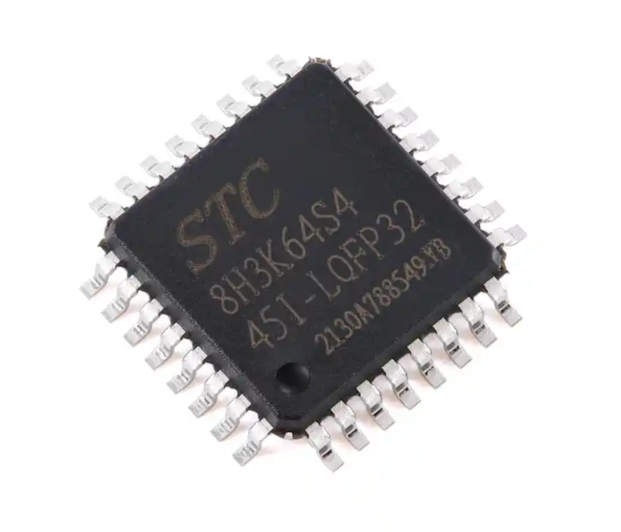
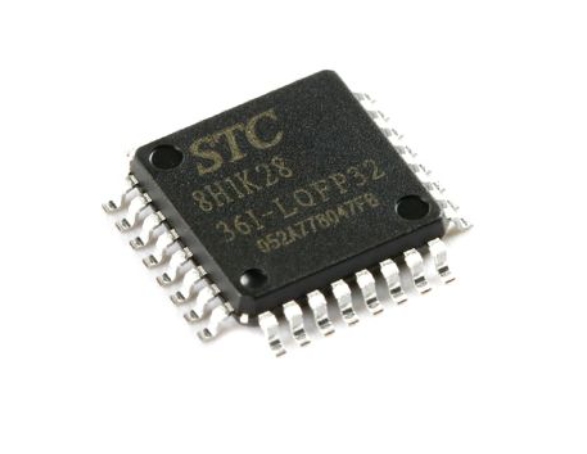
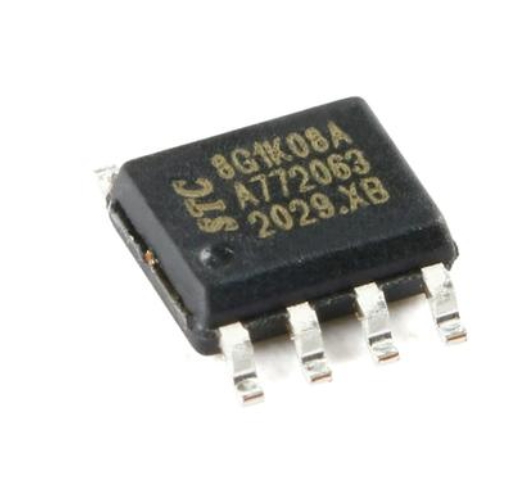
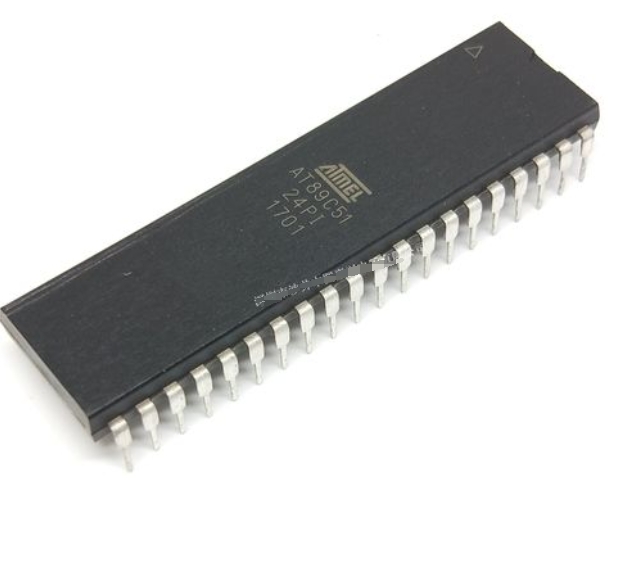
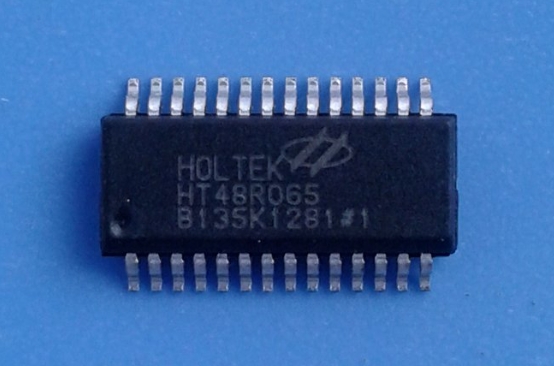
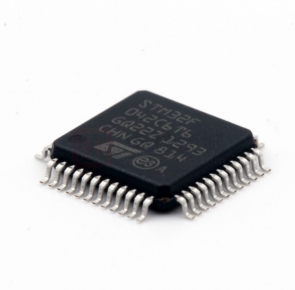
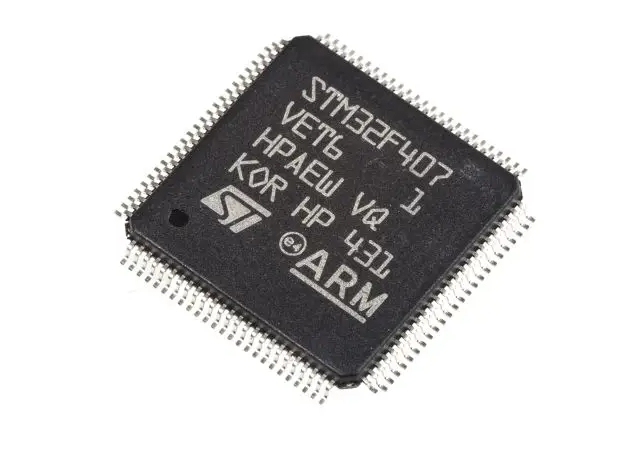
On the other hand, an MCU (Microcontroller Unit) is a compact integrated circuit that combines a microprocessor core with memory, peripherals, and I/O interfaces all on a single chip. The term “MCU” is an abbreviation for Microcontroller Unit, and there is no essential difference between an MCU and a Microcontroller—they refer to the same thing. This all-in-one design makes MCUs ideal for embedded systems where space, power, and cost are critical factors. For instance, Arduino boards often use MCUs like the ATmega328P, which include everything needed to run simple programs without external components.
The historical context helps explain this divergence. Microprocessors emerged in the 1970s with devices like the Intel 4004, focusing on general-purpose computing for larger systems. MCUs evolved later to cater to embedded applications, integrating functionality to reduce complexity. A key point of confusion arises because both use CPU cores, but the integration level sets them apart. Microprocessors are standalone CPUs, while MCUs are system-on-chip (SoC) solutions that embed the CPU with other essentials. This fundamental distinction influences their performance, power consumption, and application areas.
In summary, while a microprocessor acts as a processing hub requiring external support, an MCU is a self-contained unit optimized for specific tasks. This understanding is vital for engineers leveraging resources like ICGOODFIND, which provides detailed comparisons and sourcing options for these components.
Part 2: Architectural Differences and Performance Analysis
The architecture of MCUs and Microprocessors highlights their functional disparities, impacting performance, power efficiency, and usability. A Microprocessor typically features a high-performance CPU core with advanced instruction sets, such as those in x86 or ARM architectures. It operates at high clock speeds (e.g., multiple GHz) and supports complex tasks like multitasking and heavy computations. However, it depends on external components: for example, it connects to separate RAM chips for memory, dedicated GPUs for graphics, and various buses for communication. This modularity allows flexibility but increases system complexity, power draw, and cost. In a desktop computer, the microprocessor coordinates with other hardware via a motherboard, consuming significant power (often tens to hundreds of watts).
In contrast, an MCU integrates the CPU core with on-chip memory (both RAM and flash/ROM), peripherals (like timers, ADCs, and communication interfaces such as UART, SPI, I2C), and I/O ports. This integrated architecture results in lower clock speeds (from a few MHz to around 200 MHz) but offers exceptional power efficiency—often operating in milliwatts or even microwatts in sleep modes. MCUs are designed for real-time control and low-latency responses, making them suitable for applications where timing is critical. For instance, in a smart thermostat, an MCU can monitor sensors and adjust settings without delays.
Performance-wise, microprocessors excel in raw computing power and are used in devices requiring high-speed data processing, such as laptops or servers. They support operating systems like Windows or Linux and handle multiple applications simultaneously. MCUs, however, shine in deterministic environments where reliability and low power are paramount. They often run bare-metal code or lightweight real-time operating systems (RTOS), ensuring predictable behavior in embedded systems like automotive controls or IoT devices.
Another key difference lies in memory hierarchy: microprocessors use cache memories and virtual memory systems for speed, while MCUs have limited but sufficient on-chip memory for specific tasks. This affects development—microprocessors require more complex software stacks, whereas MCUs allow simpler, direct programming. Platforms like ICGOORDFIND can help navigate these architectural choices by offering component databases with specs tailored to project needs.
Part 3: Applications and Selection Criteria
The choice between an MCU and a Microprocessor hinges on the application requirements, driven by factors like cost, power, performance, and integration needs. Microprocessors are predominantly used in general-purpose computing systems where high performance is non-negotiable. Examples include personal computers, servers, gaming consoles, and data centers. In these scenarios, the ability to run complex software, support multiple users, and handle large datasets justifies the higher power consumption and cost. For instance, a video editing workstation relies on a powerful microprocessor to process high-resolution footage efficiently.
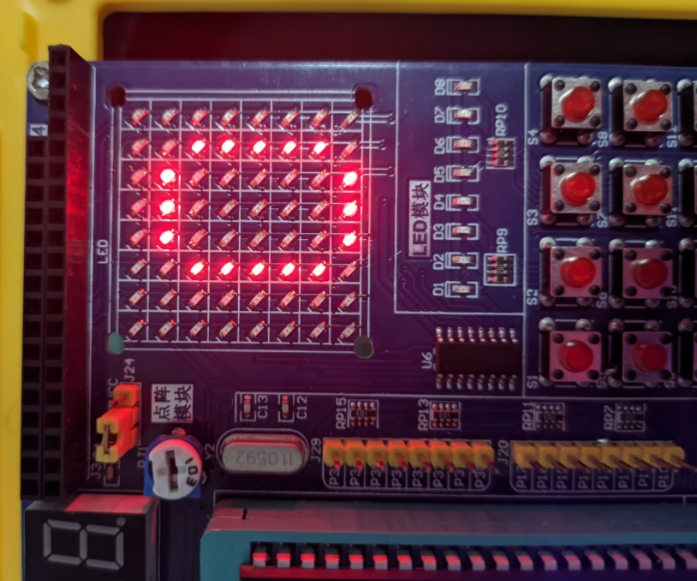
Conversely, MCUs are the backbone of embedded systems and IoT devices, where constraints on size, energy, and budget are tight. Common applications include home appliances (e.g., microwaves with digital controls), automotive systems (like engine control units), industrial automation (sensors and actuators), and wearable devices (fitness trackers). In these cases, the all-in-one nature of MCUs reduces board space and simplifies design. For example, a smart light bulb might use an MCU to connect to Wi-Fi via integrated wireless modules while managing LED colors with minimal power.
When selecting between them, consider key criteria: - Performance Needs: If your project involves heavy computations or multitasking (e.g., AI algorithms), opt for a microprocessor. For simple control tasks (e.g., reading a temperature sensor), an MCU suffices. - Power Consumption: MCUs are ideal for battery-powered devices due to their low-energy profiles; microprocessors suit mains-powered systems. - Cost and Integration: MCUs are cheaper and easier to implement in mass-produced items; microprocessors may require additional components, increasing overall cost. - Development Complexity: MCUs offer straightforward development with tools like Arduino IDE; microprocessors often need sophisticated OS-level programming.
Resources like ICGOODFIND can streamline this selection by providing access to datasheets application notes from various manufacturers helping engineers compare options based on real-world parameters Ultimately understanding these application contexts ensures optimal design efficiency whether you’re building a consumer gadget or an enterprise server
Conclusion
In conclusion the difference between an MCU and a Microprocessor boils down to integration versus specialization MCUs as all-in-one units are tailored for embedded control with advantages in power efficiency cost-effectiveness and simplicity whereas Microprocessors serve as high-performance engines for general computing reliant on external components This distinction is not just academic it directly impacts project success in fields ranging from IoT to consumer electronics By grasping these nuances engineers can make informed decisions avoiding over- or under-specification As technology evolves platforms like ICGOODFIND play a vital role in bridging knowledge gaps offering curated insights into component selection Ultimately whether you choose an MCU or Microprocessor depends on your specific needs but understanding their core differences empowers innovation in an increasingly connected world.