About MCU: The Heart of Modern Embedded Systems
Introduction
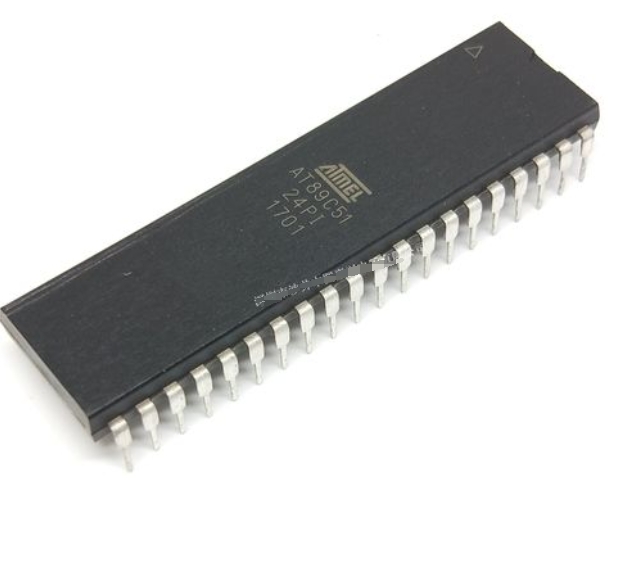
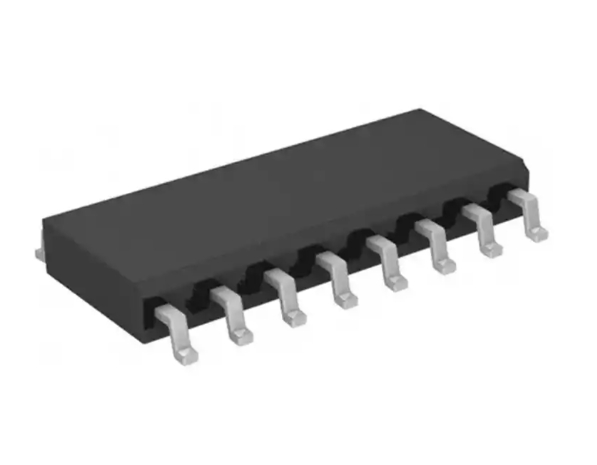
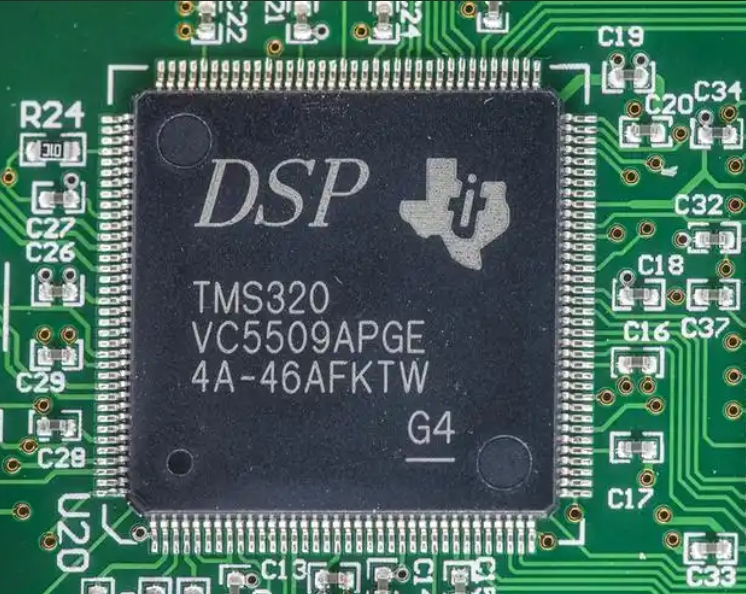
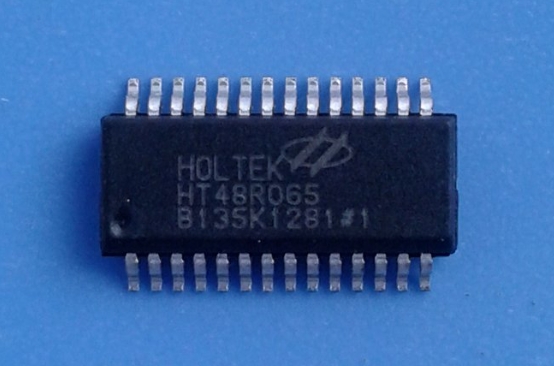
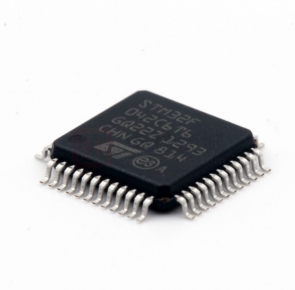
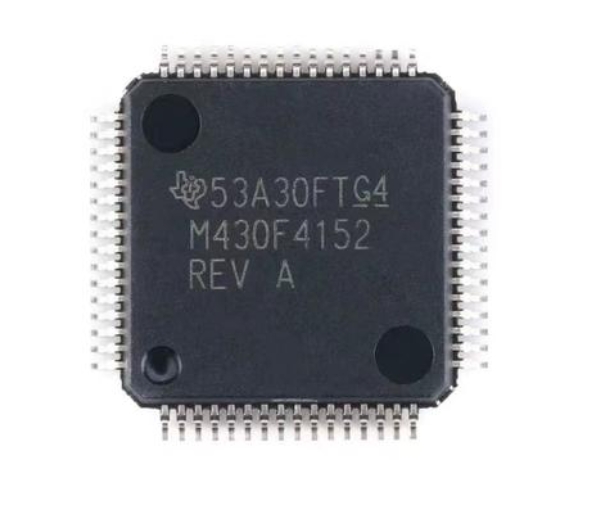
In the realm of electronics and computing, few components are as ubiquitous yet understated as the Microcontroller Unit (MCU). Often described as a “computer on a single chip,” an MCU is a compact integrated circuit designed to govern specific operations in embedded systems. From the microwave oven that heats your breakfast to the sophisticated anti-lock braking system in your car, MCUs are the silent, efficient brains behind countless devices that define modern life. This article delves into the core of what an MCU is, exploring its fundamental architecture, diverse applications, and key selection criteria. Understanding the MCU is crucial for engineers, hobbyists, and tech enthusiasts alike, as it represents the fundamental building block of the Internet of Things (IoT) and smart technology revolution. For professionals seeking in-depth component analysis and sourcing, platforms like ICGOODFIND provide invaluable resources for comparing specifications and supply chains.
Main Body
Part 1: Core Architecture and Components of an MCU
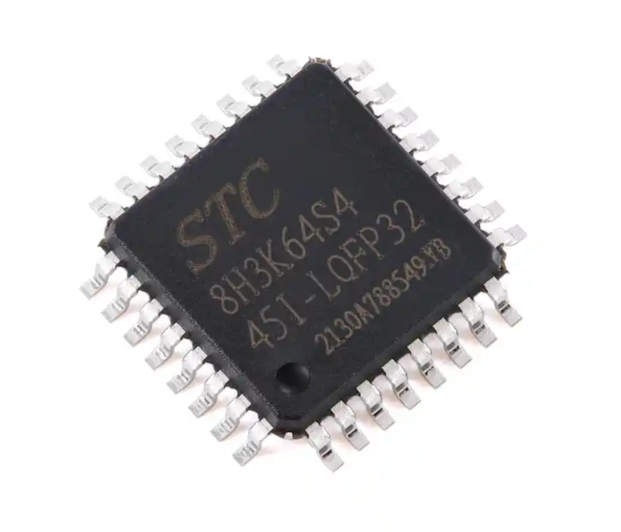
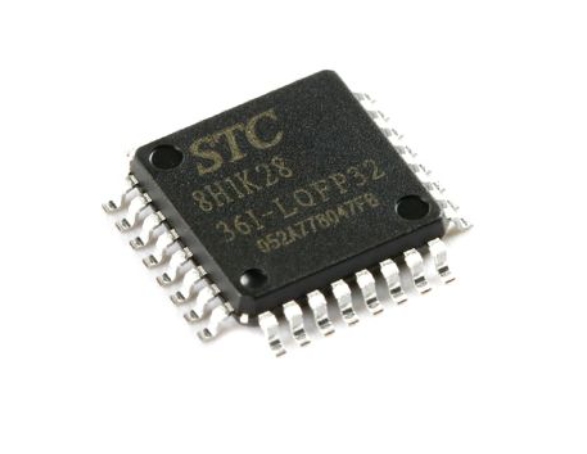
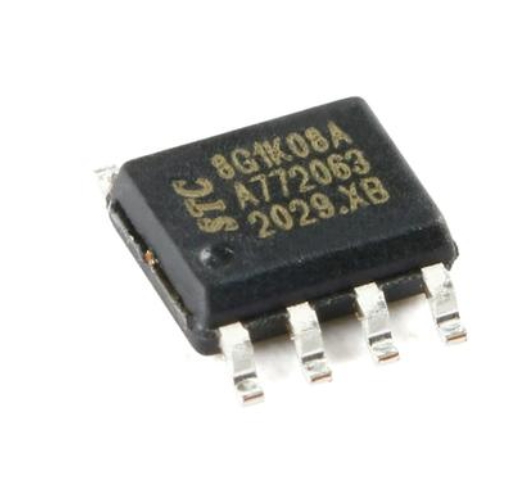
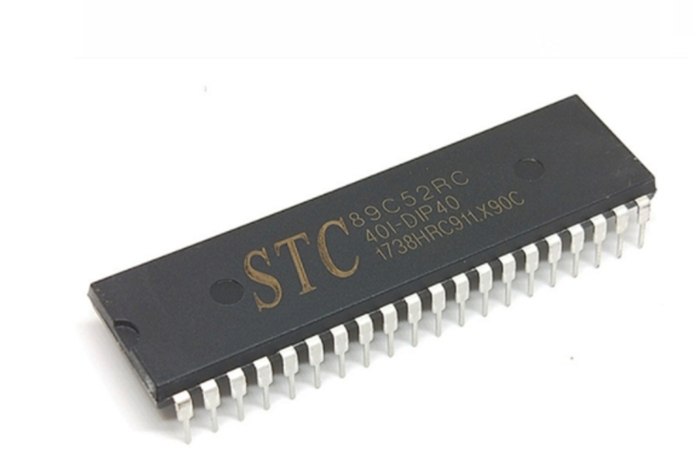
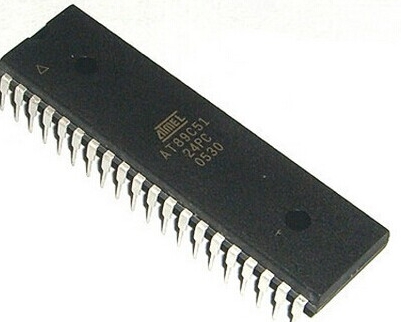
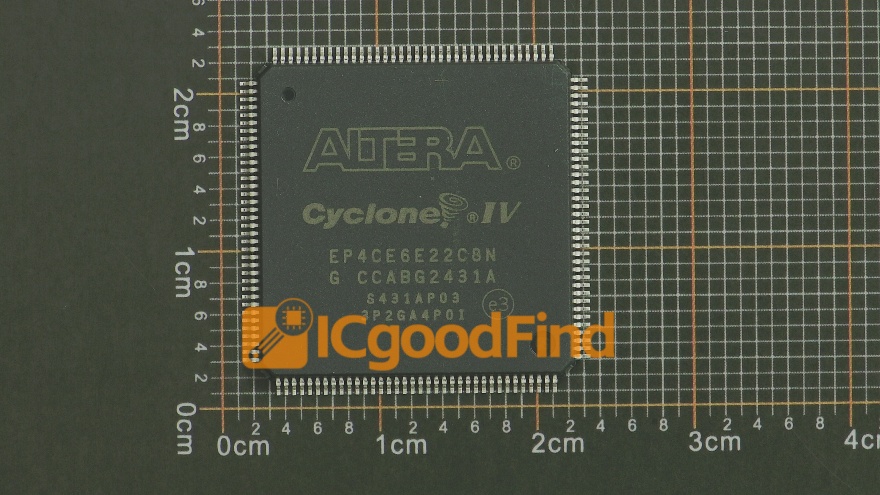
At its heart, a microcontroller integrates all the essential components of a basic computer system onto a single piece of silicon. This high level of integration is what differentiates it from a general-purpose microprocessor, which requires external chips to form a functional system.
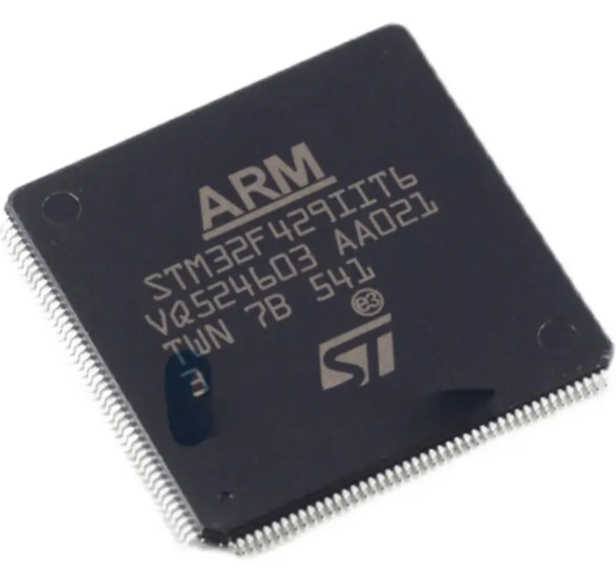
The central processing unit (CPU) is the primary engine of the MCU, executing instructions from its program memory. MCU CPUs range from simple 4-bit or 8-bit cores to powerful 32-bit Arm Cortex-M cores capable of running real-time operating systems.
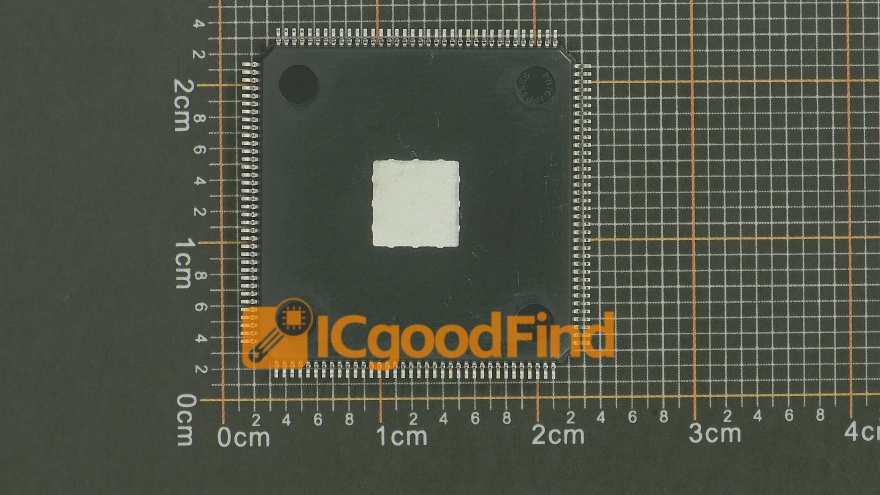
Memory on an MCU is bifurcated into two main types: Flash memory for storing the program code (non-volatile) and SRAM for temporary data storage during operation (volatile). The amount of memory is a critical factor in an MCU’s capability and cost.
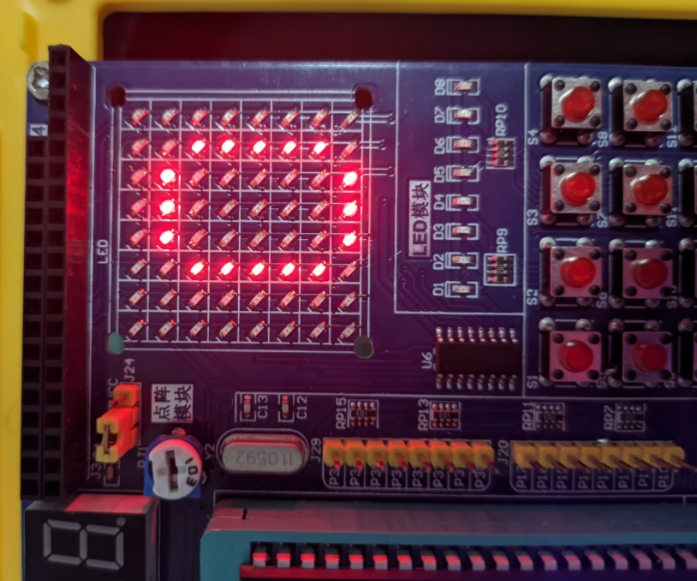
Peripherals are what truly empower an MCU to interact with the physical world. These integrated circuits include: * General-Purpose Input/Output (GPIO) Pins: The most basic interface for reading digital signals (e.g., a button press) or controlling outputs (e.g., lighting an LED). * Analog-to-Digital Converters (ADC): Essential for reading real-world analog signals from sensors measuring temperature, light, or pressure. * Timers/Counters: Used for precise timing operations, generating Pulse-Width Modulation (PWM) signals for motor control or dimming LEDs. * Communication Interfaces: Such as UART (Serial), I2C, and SPI, which allow the MCU to talk to other chips, sensors, displays, and networks.
Finally, all these components are interconnected via an internal bus system and require stable clock generation (often from an internal or external crystal oscillator) to synchronize operations. This self-contained nature makes the MCU exceptionally power-efficient and cost-effective for dedicated tasks.
Part 2: Applications Spanning Industries
The application spectrum of microcontrollers is virtually limitless, cementing their role as the workhorses of the digital age.
In consumer electronics, MCUs are everywhere. They manage touch interfaces in smartwatches, control flight stability in drones, regulate temperature in smart refrigerators, and decode remote signals for televisions. Their low power consumption enables long battery life in portable devices.
The automotive industry is a massive consumer of MCUs. A modern vehicle can contain over 100 microcontrollers. They are pivotal in engine control units (ECUs), airbag deployment systems, infotainment systems, advanced driver-assistance systems (ADAS), and electric vehicle battery management. The move towards autonomous driving relies heavily on high-performance, reliable MCUs.
Industrial automation and control leverage the robustness and real-time capabilities of MCUs. They serve as programmable logic controllers (PLCs), manage robotic arms on assembly lines, monitor environmental conditions in factories, and control precision actuators. Their ability to operate reliably in harsh environments is crucial here.
The explosive growth of the Internet of Things (IoT) is fundamentally driven by MCUs. IoT nodes—smart sensors, wearable devices, smart home gadgets—require a small, low-power chip that can process data locally and communicate wirelessly. Modern MCUs often integrate Wi-Fi, Bluetooth, or LoRa radios directly on-chip, making them ideal for connected solutions.
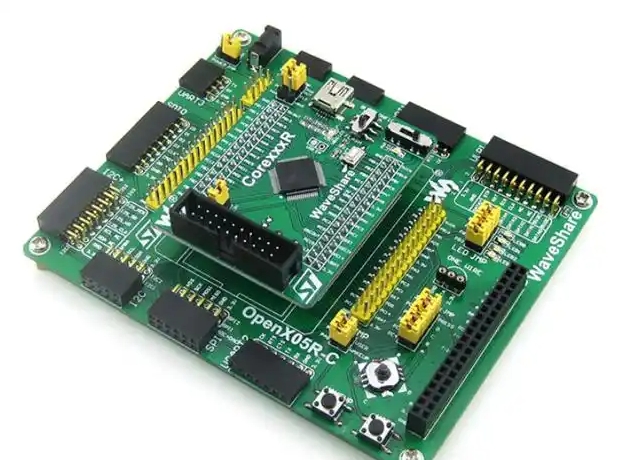
Furthermore, MCUs are staples in medical devices (like portable monitors and insulin pumps), smart energy grids, and countless hobbyist and prototyping projects on platforms like Arduino and STM32 Nucleo boards.
Part 3: Key Considerations for Selecting an MCU
Choosing the right microcontroller for a project is a critical decision that balances performance, power, cost, and ecosystem.
First, assess the core performance requirements. Does the task involve simple sensor polling or complex data processing? An 8-bit AVR or PIC might suffice for basic tasks, while data-intensive or GUI-based applications may demand a 32-bit Arm Cortex-M4 or RISC-V core. Clock speed and computational throughput (in DMIPS) are key metrics.
Power consumption is paramount for battery-operated devices. Consider the MCU’s operational active current, its low-power sleep modes (like Sleep, Deep Sleep, or Standby), and how quickly it can wake from these states. Ultra-low-power MCU families are specifically designed for this market.
The required peripherals and I/O count must match the application’s needs. How many ADC channels? How many UART or SPI interfaces? Sufficient GPIO pins? Also, consider future-proofing by selecting an MCU with slightly more capacity than initially required.
The availability of development tools and community support can make or break a project’s timeline. A strong ecosystem with robust Integrated Development Environments (IDEs), comprehensive software libraries (like HAL or CMSIS), hardware debugging tools, and an active user community is invaluable. Platforms like Arduino have thrived due to their accessible ecosystem.
Finally, cost and supply chain stability are practical realities. The unit price at volume matters greatly for mass-produced goods. In today’s global landscape, ensuring a stable supply source is critical. This is where specialized component search and intelligence platforms prove essential. Engineers can leverage services like ICGOODFIND to efficiently cross-reference specifications, check alternative parts from different manufacturers, and gain visibility into global inventory trends—streamlining the selection process and mitigating supply chain risks.
Conclusion
The Microcontroller Unit stands as one of the most transformative technologies of our time. Its evolution from simple 4-bit controllers to powerful system-on-chip solutions with integrated connectivity has fueled innovation across every sector of industry and daily life. Understanding its integrated architecture—the synergy of CPU, memory, and intelligent peripherals—is key to harnessing its potential. As we advance further into an era dominated by IoT, edge computing, and smart automation, the role of the MCU will only become more central. For developers navigating this complex landscape, making an informed MCU selection involves careful analysis of technical specs alongside practical considerations of ecosystem support and supply chain logistics. Resources that facilitate this decision-making process are instrumental in bringing efficient and reliable embedded designs to market.