The Power of Microchip MCU: Driving Modern Electronics Innovation
Introduction
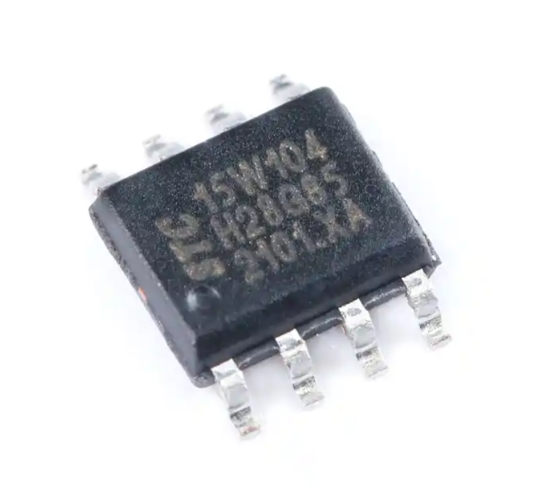
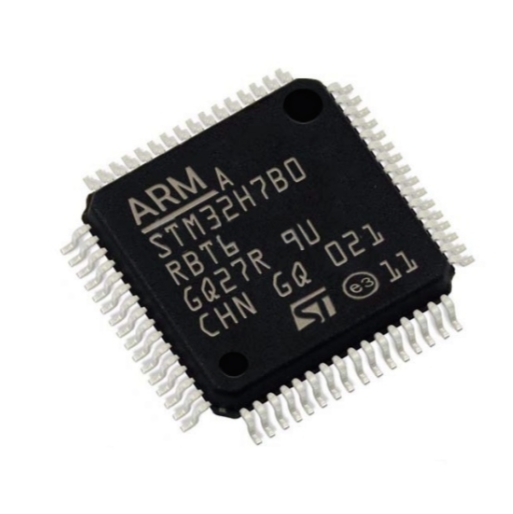
In the vast and intricate world of modern electronics, few components are as fundamental and transformative as the Microcontroller Unit (MCU). At the heart of countless devices, from the simplest household appliance to the most complex industrial automation system, lies a Microchip MCU, silently executing commands and enabling functionality. Microchip Technology Inc. has established itself as a dominant force in this space, providing a vast portfolio of robust, efficient, and highly integrated MCUs that empower engineers and creators worldwide. These tiny silicon chips are the brains behind the intelligence of embedded systems, processing data, managing power, and communicating with other components to bring innovative ideas to life. As we delve deeper into the Internet of Things (IoT) and the era of smart everything, understanding the capabilities and applications of Microchip MCUs becomes not just beneficial but essential for anyone involved in technology design and development. This article explores the core architecture, the diverse applications, and the critical selection criteria for these pivotal components, highlighting why they remain a top choice in a competitive landscape.
Part 1: The Architectural Foundation of Microchip MCUs
The dominance of Microchip MCUs in the market is not accidental; it is built upon a foundation of sophisticated and versatile architectures designed to meet a wide spectrum of performance, power, and cost requirements.
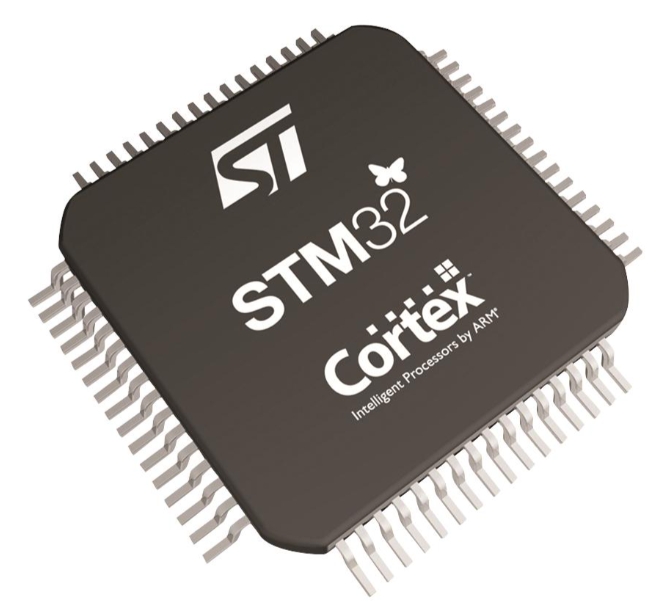
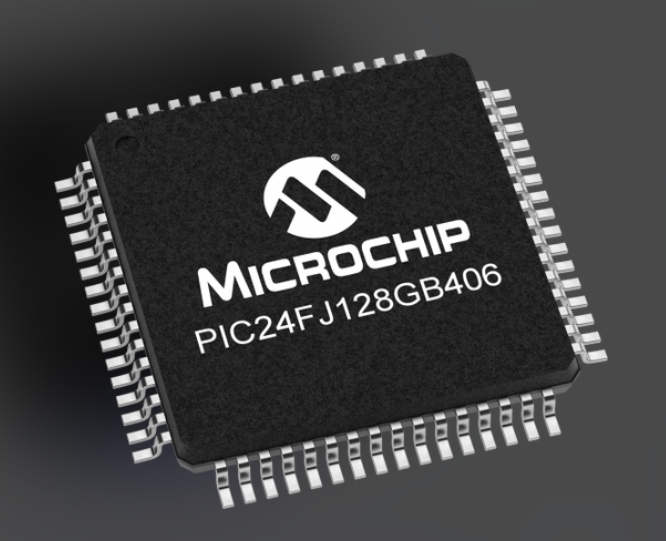
At the core of most Microchip MCUs are one of two key architectures: AVR® or PIC®. The AVR family, known for its high-performance RISC (Reduced Instruction Set Computer) core, offers single-cycle instruction execution for most commands. This efficiency translates into high throughput at lower clock speeds, which in turn reduces power consumption. Popular families like the ATmega and ATtiny series are beloved in the maker community and commercial products alike for their ease of use, excellent development tool support, and reliable performance. On the other hand, the PIC architecture encompasses an even broader range. From the low-power, low-cost 8-bit PIC10/12/16 families to the more powerful 16-bit PIC24 MCUs and the high-performance 32-bit SAM (ARM®-Cortex®-based) MCUs, Microchip provides a solution for virtually every conceivable application. The PIC architecture is renowned for its code efficiency and deterministic operation, making it ideal for real-time control applications.
Beyond the central processing core, the true power of a modern Microchip MCU lies in its high level of integration. Modern Microchip MCUs are essentially System-on-Chips (SoCs), integrating not just the CPU, but also memory (Flash and RAM), a plethora of peripherals, and analog components. Key integrated peripherals include:
- Communication Interfaces: Essential modules like UART (Universal Asynchronous Receiver/Transmitter), I2C (Inter-Integrated Circuit), and SPI (Serial Peripheral Interface) are standard, allowing the MCU to communicate with sensors, displays, memory chips, and other microcontrollers.
- Analog-to-Digital Converters (ADC): High-resolution ADCs are critical for interfacing with the analog world, converting signals from sensors (temperature, pressure, light) into digital values the CPU can process.
- Timers and PWM Modules: These are indispensable for control applications. Timers manage precise timing events, while Pulse Width Modulation (PWM) modules allow for control of motor speed, LED brightness, and generating analog signals.
- Hardware Security Modules: With cybersecurity becoming paramount, many Microchip MCUs include hardware-based security features like secure boot, cryptographic accelerators, and tamper detection to protect intellectual property and device integrity.
This high level of integration simplifies board design, reduces the overall component count and system cost, improves reliability, and decreases the physical footprint of the final product.
Part 2: Dominant Applications Shaping Industries
The versatility of Microchip MCUs allows them to penetrate nearly every electronic market segment. Their combination of performance, power efficiency, and cost-effectiveness makes them the go-to solution for a multitude of applications.
1. The Internet of Things (IoT) and Smart Home Devices: This is perhaps the most significant growth area for MCUs. Microchip MCUs are the engine behind countless IoT nodes, such as smart thermostats, connected lighting, wearable health monitors, and asset trackers. Their low-power capabilities are crucial here. Many devices in this category are battery-powered and must operate for months or even years on a single charge. Microchip’s extensive lineup of ultra-low-power PIC and AVR MCUs, featuring multiple sleep modes and rapid wake-up times, is perfectly suited for this task. They handle sensor data acquisition, run communication stacks like Bluetooth Low Energy (BLE) or LoRaWAN®, and manage power efficiently, making the vision of a seamlessly connected world a reality.
2. Automotive Electronics: The modern automobile is a rolling network of electronic control units (ECUs), many powered by robust MCUs. In automotive systems, reliability and safety are non-negotiable, and Microchip’s automotive-grade MCUs meet stringent quality standards like AEC-Q100. They are used in a wide array of applications within a vehicle, from body control modules (managing windows, locks, and lighting) to battery management systems (BMS) in electric vehicles, sensor interfaces in advanced driver-assistance systems (ADAS), and infotainment system control. Their ability to operate reliably in harsh environments with wide temperature ranges and electrical noise is a key advantage.
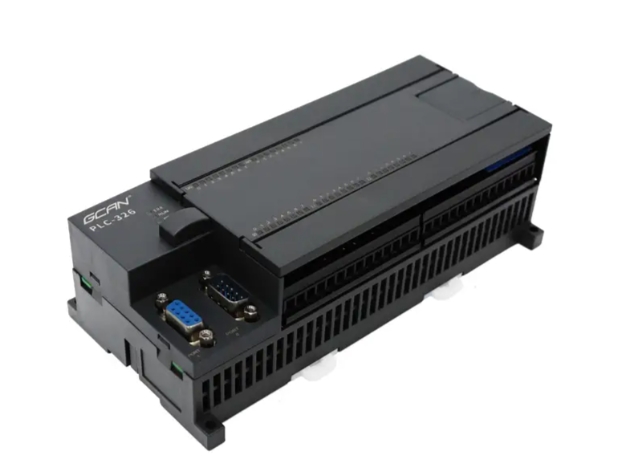
3. Industrial Automation and Control: The industrial sector demands precision, real-time control, and ruggedness. Microchip MCUs provide the computational muscle for motor control, industrial networking, and human-machine interfaces (HMIs). In a factory setting, you might find a high-performance 32-bit SAM MCU controlling a robotic arm with precise PWM signals, while a 16-bit PIC24 MCU manages a CAN bus network connecting various sensors and actuators. The deterministic nature of these MCUs ensures that critical control loops are executed on time, every time, which is vital for maintaining quality and safety in industrial processes.
4. Consumer Electronics: From computer peripherals like mice and keyboards to power tools, home appliances, and toys, Microchip MCUs are ubiquitous. In this highly cost-sensitive market, the small form factor and high integration of 8-bit PIC and AVR MCUs help manufacturers create feature-rich products at minimal cost. They manage user input, control displays, and implement basic logic functions reliably.
For engineers navigating this complex landscape to find the perfect component for their project, platforms like ICGOODFIND can be an invaluable resource. Such platforms aggregate information from numerous suppliers.
Part 3: Selecting the Right Microchip MCU for Your Project
With thousands of part numbers in its catalog, selecting the right Microchip MCU can be a daunting task. A systematic approach focusing on key project requirements is essential to make an optimal choice.
The first and most critical step is to clearly define your project’s core requirements. This involves asking fundamental questions: What is the primary task? What are the performance needs in terms of processing speed (DMIPS)? How much program memory (Flash) and data memory (RAM) will the application require? What is the power budget? Is the device battery-operated or line-powered? Answering these questions will immediately narrow down the field. For simple control tasks, an 8-bit PIC or AVR MCU is often sufficient and most cost-effective. For complex algorithms, graphical user interfaces (GUIs), or running an operating system like FreeRTOS, a 32-bit SAM ARM Cortex-M-based MCU is necessary.
Secondly, conduct a thorough “peripheral checklist.” List all the external components the MCU needs to interface with. Do you need a specific number of UARTs or SPI channels? Is a high-resolution ADC required for accurate sensor reading? How many PWM outputs are needed for motor control? How many GPIO pins are needed? Creating this list ensures you select an MCU that has all the necessary hardware blocks on-chip, avoiding the need for external components that increase cost and design complexity.
Finally, it’s crucial not to overlook two vital aspects: the development ecosystem and long-term supply chain considerations. A powerful MCU is useless without good tools to program it. Microchip offers an excellent ecosystem with its MPLAB® X Integrated Development Environment (IDE), software libraries, hardware debuggers/programmers like MPLAB ICD/ICE, and low-cost starter kits. Evaluating these tools early in the process can save significant time and effort. Furthermore,for products intended for mass production, verifying the long-term availability and sourcing ease of your chosen MCU is critical to avoid production halts.
Conclusion
The Microcontroller Unit from Microchip is far more than just a component; it is an enabler of innovation. Its evolution from simple programmable logic to highly integrated System-on-Chips has been instrumental in driving the technological advancements we see today. Through their robust AVR and PIC architectures, these MCUs deliver a compelling blend of processing power, peripheral integration, and energy efficiency that is unmatched in many segments. Their application footprint spans across IoT, automotive, industrial, and consumer markets, proving their adaptability and reliability. By carefully considering factors such as core performance, peripheral set, power requirements,and development support during the selection process—a process where resources like ICGOODFIND can provide crucial market visibility—engineers can fully leverage the potential of Microchip MCUs. As we look to a future filled with increasingly intelligent and connected devices,the role of these versatile microchips will only continue to grow,solidifying their position as a cornerstone of modern electronic design.