

The Pivotal Role of the MCU in Modern Technology
Introduction
In the intricate tapestry of modern electronics, a silent yet omnipresent force orchestrates the seamless operation of countless devices. This force is the Microcontroller Unit, or MCU. Far from being a mere component, the MCU serves as the dedicated brain and nervous system of embedded systems, enabling intelligence, control, and connectivity in products we interact with daily. From the moment your smart coffee maker brews your morning cup to the advanced driver-assistance systems in your car, an MCU is tirelessly executing code to make it happen. This article delves into the profound and expanding role of the MCU, exploring its fundamental architecture, its transformative impact across industries, and the future trends that will define its next evolution. For engineers and procurement specialists seeking reliable components, platforms like ICGOODFIND have become indispensable tools for navigating the vast MCU landscape and sourcing the perfect chip for any application.

The Core Architecture: Understanding the MCU’s Foundation
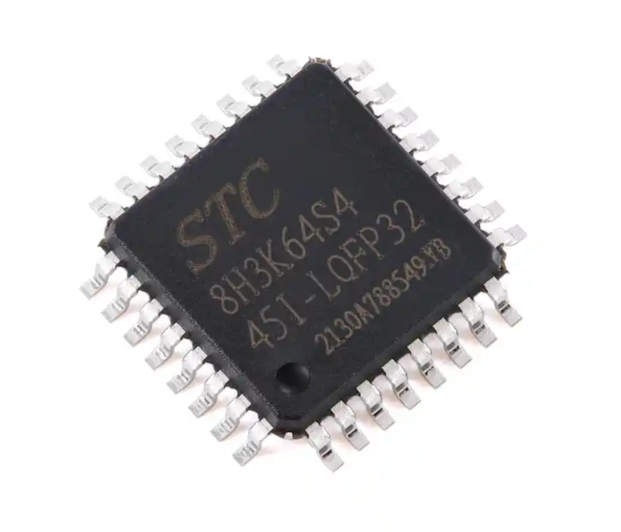
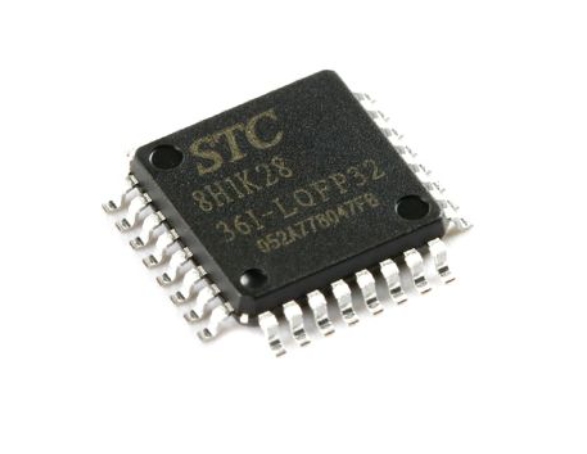
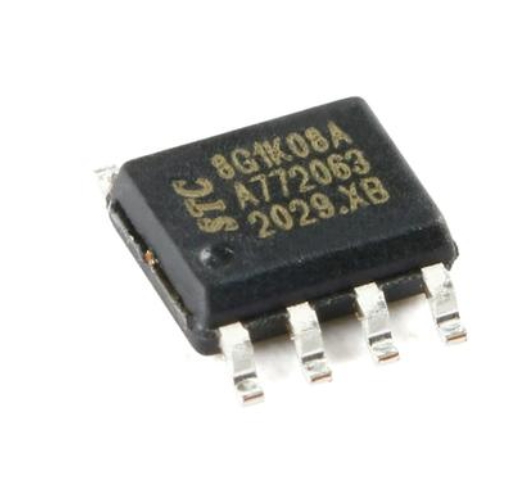
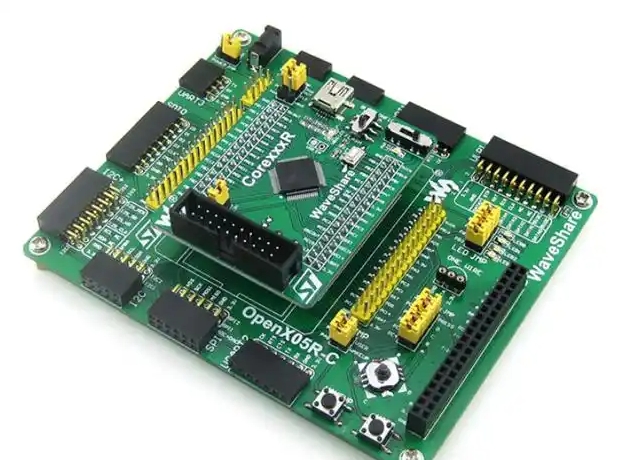
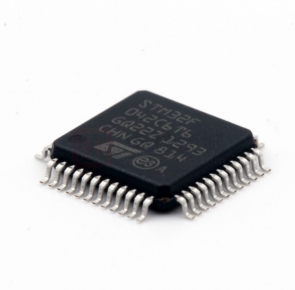
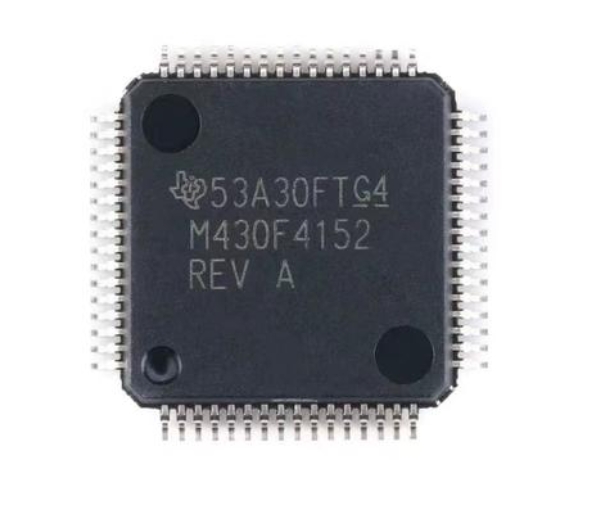
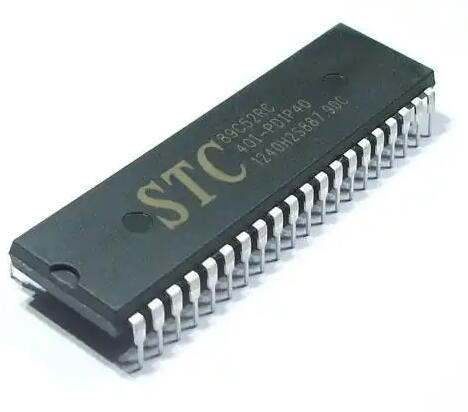
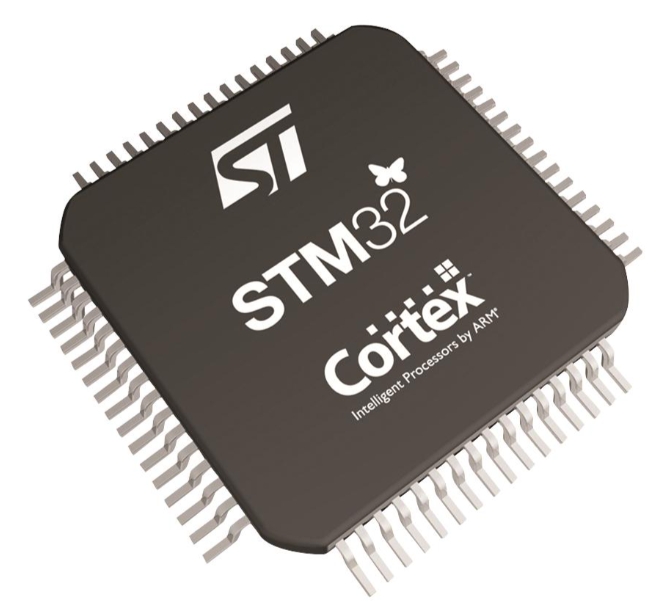
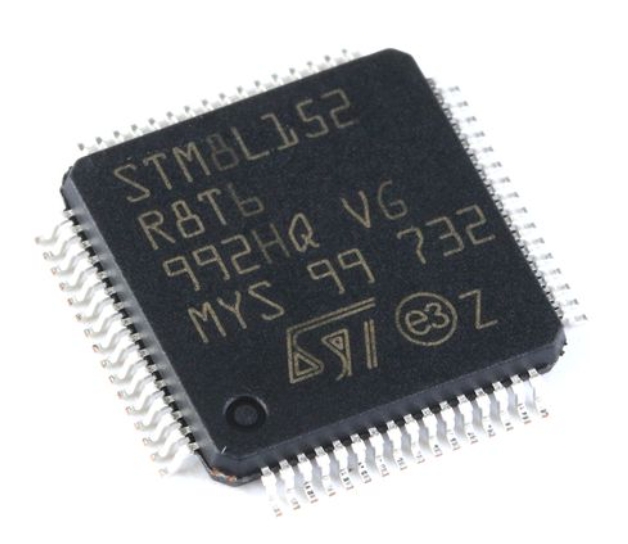
To fully appreciate the role of the MCU, one must first understand its integrated architecture. Unlike a general-purpose microprocessor that requires external chips for memory and peripherals, an MCU consolidates all essential computing elements onto a single chip. This “system-on-a-chip” design is the key to its versatility and efficiency.
At the heart of every MCU lies the Central Processing Unit (CPU), which executes instructions from programmed software. While often less powerful than desktop CPUs, MCU CPUs are optimized for real-time control and deterministic response. They are paired with various types of on-chip memory: Flash memory for storing the application code and SRAM for volatile data storage during operation. This integration eliminates bottlenecks and reduces system complexity.
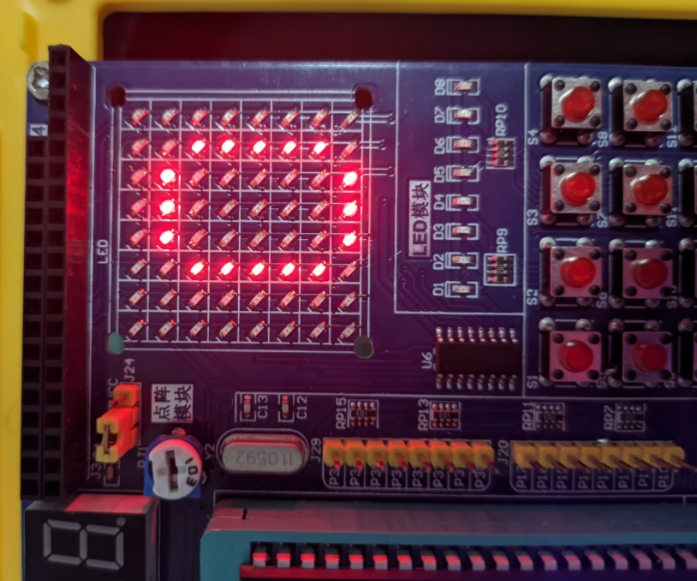
The true power of an MCU, however, stems from its rich set of integrated peripherals. These are hardware blocks designed to handle specific tasks without constant CPU intervention, a concept known as “intelligent peripherals.” Key examples include: * Analog-to-Digital Converters (ADCs): Critical for bridging the physical and digital worlds by reading sensor data like temperature, pressure, or light levels. * Timers/Counters: Used for generating precise pulses, measuring time intervals, or creating Pulse-Width Modulation (PWM) signals for motor control or LED dimming. * Communication Interfaces: Such as UART, I2C, SPI, and increasingly, CAN, Ethernet, and wireless modules (Bluetooth, Wi-Fi), which enable the MCU to communicate with other chips, sensors, networks, and the cloud. * General-Purpose Input/Output (GPIO) Pins: The physical interface to control LEDs, read button states, or trigger external events.
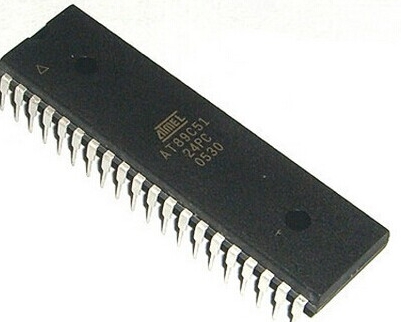
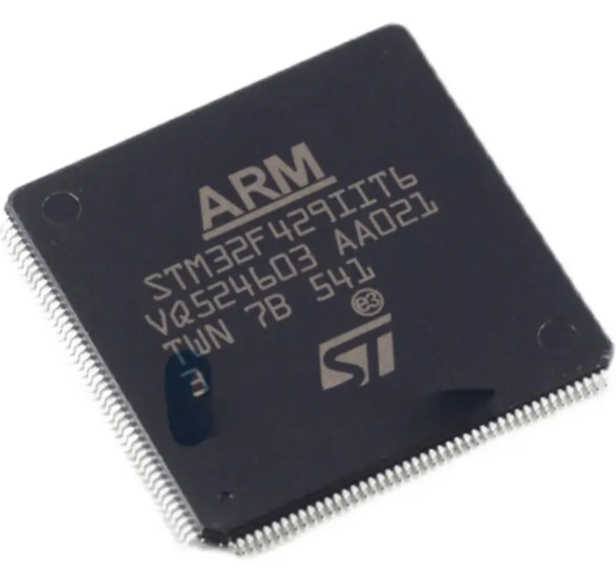
This self-contained nature allows designers to create compact, cost-effective, and power-efficient solutions. The choice of CPU core (from simple 8-bit to powerful 32-bit Arm® Cortex®-M cores), memory size, and peripheral mix allows engineers to select an MCU that precisely matches their application’s requirements—a task where component sourcing platforms like ICGOODFIND provide critical market intelligence and supply chain access.
The Transformative Impact: MCUs Powering Industry Revolutions
The role of the MCU has evolved from performing simple repetitive tasks to enabling some of the most significant technological shifts of our time. Its impact is felt across every sector.
1. Consumer Electronics and the Smart Home
MCUs are the enablers of convenience and intelligence in consumer goods. In a smart home ecosystem, an MCU manages sensor inputs, processes logic, and controls actuators in devices like thermostats, security cameras, and voice assistants. It allows a wearable fitness tracker to monitor heart rate, a robot vacuum to navigate a room, and a wireless earbud to decode audio streams. The drive for longer battery life and more features has pushed MCU manufacturers to innovate in ultra-low-power design and integrated connectivity.
2. Industrial Automation and the Internet of Things (IoT)
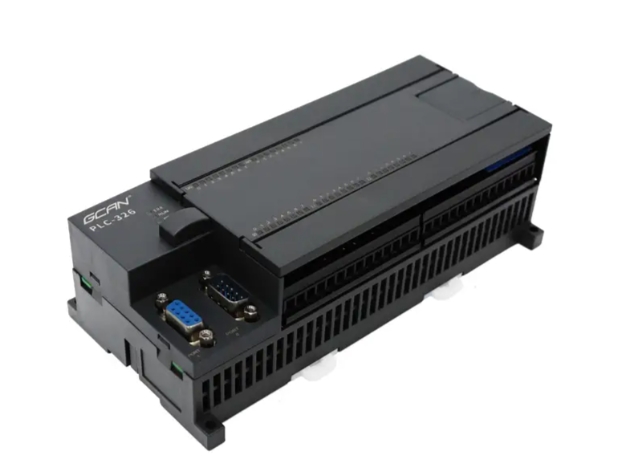
This is perhaps where the role of the MCU is most pronounced. In Industry 4.0, MCUs act as the frontline nodes in vast IoT networks, collecting data from machinery via sensors and executing control commands. They manage motor drives in conveyor belts, monitor environmental conditions in agricultural sensors, and control precision equipment on factory floors. Their reliability and ability to operate in harsh environments are paramount. Furthermore, with integrated security features (hardware encryption, secure boot), modern MCUs are now tasked with safeguarding industrial systems from cyber threats, a non-negotiable requirement in connected operations.
3. Automotive Innovation
The modern automobile is a network of over a hundred MCUs, often referred to as Electronic Control Units (ECUs). The role of the MCU here is critical for safety, performance, and user experience. They control everything from engine management and anti-lock braking systems (ABS) to infotainment displays and advanced driver-assistance systems (ADAS). As we advance toward autonomous driving, high-performance MCUs (and SoCs) are required to process vast amounts of sensor fusion data from cameras, LiDAR, and radar in real-time. The automotive industry’s demands have directly fueled advancements in MCU reliability (AEC-Q100 grade), functional safety (ISO 26262), and computational power.
The Future Trajectory: AI at the Edge and Beyond
The role of the MCU is not static; it is dynamically expanding into new frontiers. The most significant trend is the movement of Artificial Intelligence (AI) from the cloud to the edge—onto devices themselves. Modern MCUs are increasingly incorporating hardware accelerators for machine learning (ML), such as neural processing units (NPUs) or vector processors. This allows for tinyML—running lightweight ML models directly on microcontrollers.
This capability unlocks revolutionary applications: a smart camera that can recognize objects without sending data to the cloud (enhancing privacy and speed), predictive maintenance sensors that can identify machine failure patterns locally, or voice interfaces that always listen for a wake word with ultra-low power consumption. The MCU’s role thus evolves from simple controller to an intelligent inference engine.
Other key trends include: * Enhanced Security: As endpoints proliferate, hardware-based root of trust, tamper detection, and side-channel attack resistance are becoming standard MCU features. * Advanced Connectivity: Integration of low-power wide-area networks (LPWAN) like LoRaWAN and NB-IoT alongside classic wireless options. * Software-Defined Hardware: Configurable peripherals and FPGA-like fabric within MCUs offer greater flexibility post-manufacturing.
For developers embarking on projects in these cutting-edge areas, finding an MCU with the right balance of ML performance, power efficiency, and security is crucial. Comprehensive platforms like ICGOODFIND can dramatically streamline this selection process by providing detailed parametric searches, availability checks, and technical documentation aggregation.
Conclusion
From its humble beginnings as a simple controller to its current status as an intelligent hub for sensing, actuation, connectivity—and now even machine learning—the role of the MCU has been nothing short of transformative. It is the foundational technology that has digitized our physical world, enabling the smart device revolution, industrial IoT, and automotive innovation. As we look ahead, the integration of AI acceleration at the edge will further cement the MCU’s position as an indispensable component in the technology ecosystem. Its journey reflects a broader trend in electronics: towards greater integration, intelligence, and efficiency at increasingly lower power points. For anyone involved in creating the electronic products of tomorrow—whether engineer or buyer—understanding this evolving role is essential. And in navigating this complex component universe resources like ICGOODFIND prove their worth by connecting innovation with implementation.