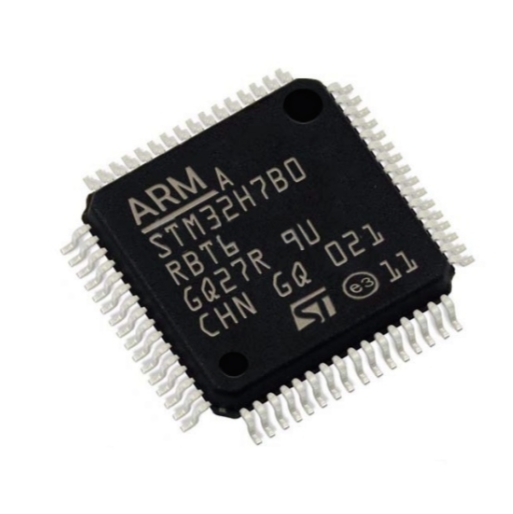
Is STM32 an MCU? (Yes, STM32 is an ARM-based MCU)
Introduction
In the vast and intricate world of embedded electronics, terminology can sometimes become a source of confusion. One common question that arises among engineers, students, and hobbyists is: “Is STM32 an MCU?” The short and definitive answer is yes. An STM32 is a family of Microcontroller Units (MCUs) developed by STMicroelectronics. However, this simple answer opens the door to a deeper understanding of what makes the STM32 series so significant in the industry. This article will delve into the nature of MCUs, explore the defining characteristics of the STM32 family, and clarify its position as a powerhouse within the ARM-based microcontroller ecosystem. By the end, you will have a comprehensive view of why the STM32 is not just an MCU, but a leading example of modern microcontroller technology.
Main Body
Part 1: Defining the MCU – The Heart of Embedded Systems
To understand why STM32 qualifies as an MCU, we must first define what a Microcontroller Unit is. An MCU is a compact integrated circuit designed to govern a specific operation in an embedded system. It is essentially a small computer on a single metal-oxide-semiconductor (MOS) chip. Unlike its cousin, the Microprocessor Unit (MPU), an MCU typically integrates all core components required for computation and control into one package.
The key components integrated into a typical MCU include: * Central Processing Unit (CPU): The brain that executes instructions. * Memory: Both volatile (RAM for temporary data) and non-volatile (Flash/ROM for program storage). * Programmable Input/Output (I/O) Ports: For interfacing with sensors, actuators, and other peripherals. * System Clock/Timers: To synchronize operations and manage time-sensitive tasks. * Peripheral Interfaces: Such as UART, SPI, I2C, USB, CAN, and ADCs/DACs, often integrated directly on-chip.
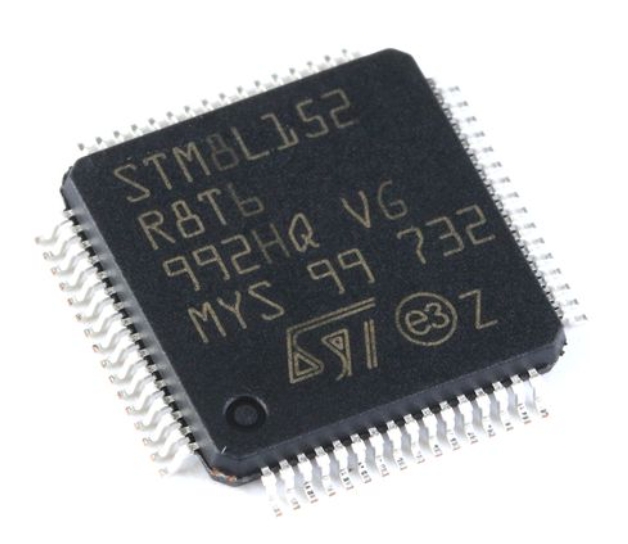
The fundamental purpose of an MCU is to provide a low-cost, low-power, and self-sufficient control solution for dedicated tasks. From your microwave oven and car engine controller to complex industrial automation systems, MCUs are the invisible workhorses. Therefore, any device that encapsulates these features on a single chip falls squarely into the MCU category. The STM32 family incorporates all these elements—a CPU core, embedded Flash and SRAM, and a rich set of peripherals—confirming its fundamental identity as a Microcontroller Unit.
Part 2: The STM32 Distinction – An ARM-Based Powerhouse
While all STM32 devices are MCUs, not all MCUs are like STM32. What sets the STM32 family apart is its specific architectural foundation and its remarkable balance of performance, power efficiency, and ecosystem support.
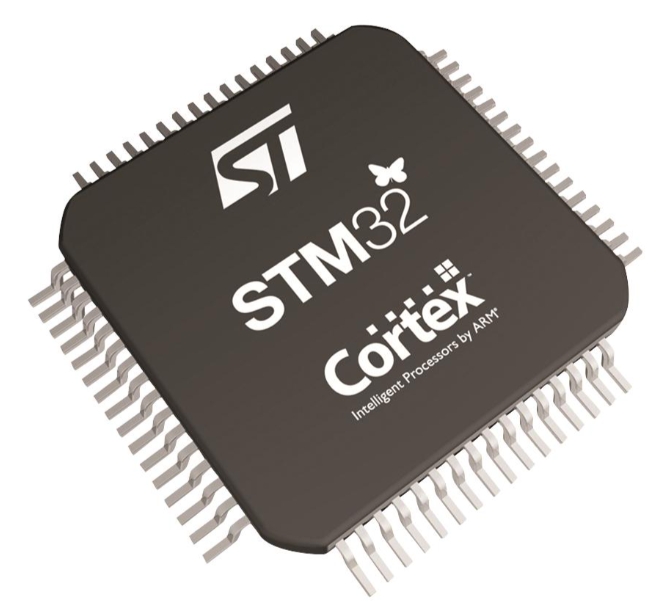
First and foremost, STM32 MCUs are built around ARM Cortex-M processor cores. This is a critical differentiator. ARM Holdings designs the CPU architecture (the Cortex-M series), which is then licensed to semiconductor manufacturers like STMicroelectronics. ST then builds its microcontrollers by integrating these powerful cores with its own proprietary peripherals, memory, and analog components onto a single chip. The Cortex-M cores range from the ultra-low-power Cortex-M0+ to the high-performance Cortex-M7, allowing the STM32 portfolio to cover an immense spectrum from simple control applications to demanding real-time processing.
The “STM32” brand itself is structured into series that cater to diverse needs: * Ultra-Low-Power Series (e.g., STM32L): Optimized for battery-powered applications where energy efficiency is paramount. * Mainstream Series (e.g., STM32F): Offering a best-in-class balance of performance, features, and cost for wide-ranging applications. * High-Performance Series (e.g., STM32H): Featuring powerful cores (Cortex-M7) and advanced peripherals for compute-intensive tasks like digital signal processing or GUI applications. * Wireless Series (e.g., STM32WB): Integrating radio subsystems (like Bluetooth Low Energy) alongside the Cortex-M core for connected devices.
This strategic segmentation means that when someone uses “STM32,” they are referring to a comprehensive ecosystem of compatible MCUs, not just a single chip. The combination of the industry-standard ARM architecture with ST’s robust hardware design and extensive software support (including free development tools like STM32CubeIDE and rich libraries like HAL) creates an unparalleled development environment. For developers seeking reliable resources and community support for their ARM-based projects, platforms like ICGOODFIND can be invaluable in navigating component choices and application notes.
Part 3: Clarifying Common Confusions – MPU vs. MCU and Beyond
The confusion around “Is STM32 an MCU?” sometimes stems from its advanced capabilities, which can blur the line with Microprocessor Units (MPUs).
Let’s clarify: * MCU (Microcontroller Unit): An “all-in-one” solution. It emphasizes self-sufficiency, integration, and real-time control. It runs software directly from on-chip Flash memory. The STM32 is fundamentally this. * MPU (Microprocessor Unit): A more powerful computing engine (like those in your laptop or Raspberry Pi) that requires external memory chips (RAM, Flash) and other components to function. It runs complex operating systems like Linux.
Some high-end STM32 models (e.g., with Cortex-M7 cores) offer clock speeds exceeding 500 MHz, large memories, and features like external memory interfaces. This allows them to handle tasks once reserved for MPUs. However, their core architecture remains that of a microcontroller—tightly integrated, focused on deterministic real-time response, and capable of running without external memory. Therefore, even the most powerful STM32 devices are still classified as high-performance MCUs. They do not cross into the MPU domain because their design philosophy centers on monolithic integration and real-time operation.
Another point of confusion can be acronyms like SoC (System on Chip). While advanced STM32s share characteristics with SoCs due to their high integration level, they are traditionally marketed and used as MCUs. The term SoC often implies an even higher level of integration, potentially including application-specific blocks for functions like graphics or wireless communication—a trend that newer STM32 families (like the wireless series) are indeed embracing.
Conclusion
In conclusion, the question “Is STM32 an MCU?” receives a resounding and well-founded yes. The STM32 product line from STMicroelectronics represents a premier family of 32-bit Microcontroller Units that are distinguished by their use of high-efficiency ARM Cortex-M processor cores. While it fits perfectly within the technical definition of an MCU—integrating CPU, memory, and peripherals on a single chip—STM32 has elevated the category through exceptional performance scalability, power management options, and a mature development ecosystem. Its success lies in leveraging the ubiquity and efficiency of the ARM architecture while providing engineers with reliable hardware and software tools for everything from simple embedded control to complex edge computing applications. Understanding that STM32 is an ARM-based MCU is the first step in unlocking its potential as a cornerstone technology in modern electronic design.