

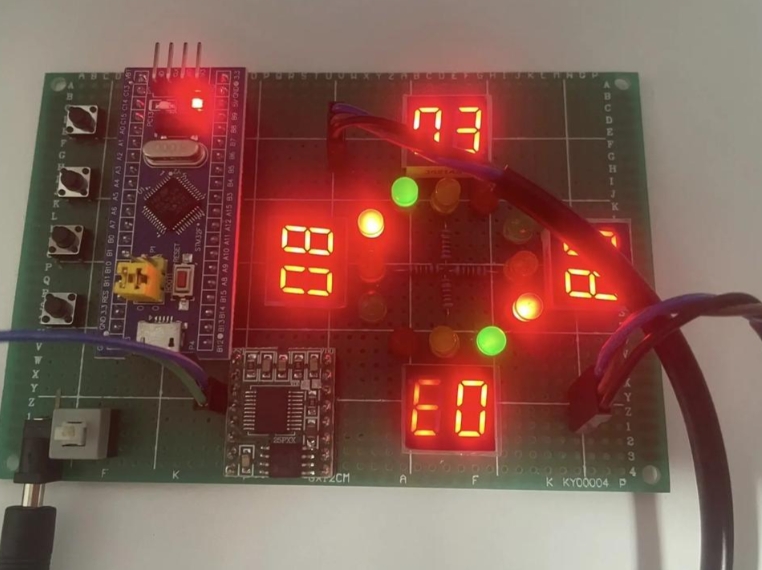
What Does MCU Do? The Heart of Modern Smart Devices
Introduction
In an era where intelligence is embedded into everything from household appliances to advanced industrial machinery, a silent yet powerful component orchestrates their operations: the Microcontroller Unit, or MCU. Often overshadowed by its more famous cousin, the CPU (Central Processing Unit), the MCU is the unsung hero of the digital age. It is a compact, self-contained computer system on a single integrated circuit, designed to execute specific tasks reliably and efficiently. But what does an MCU do, exactly? This article delves into the core functions, applications, and critical importance of Microcontroller Units, explaining why they are indispensable in our interconnected world. For professionals seeking in-depth component analysis and sourcing, platforms like ICGOODFIND provide valuable resources to navigate the vast landscape of semiconductor solutions.
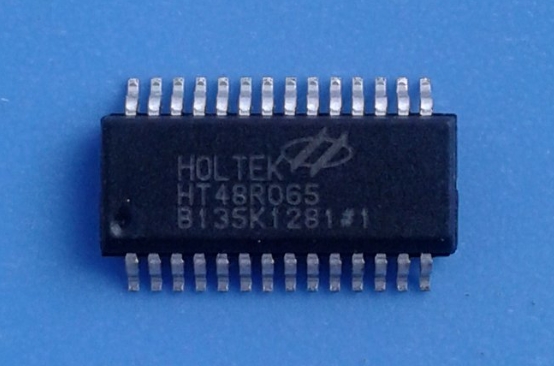
The Core Functions of an MCU
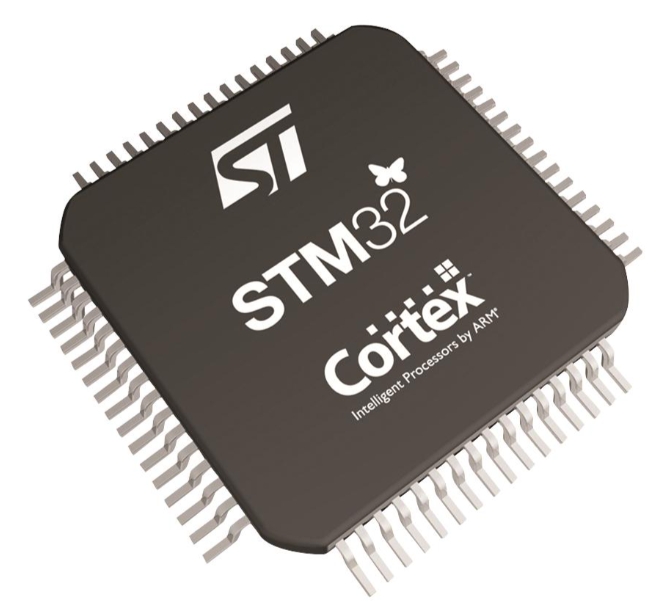
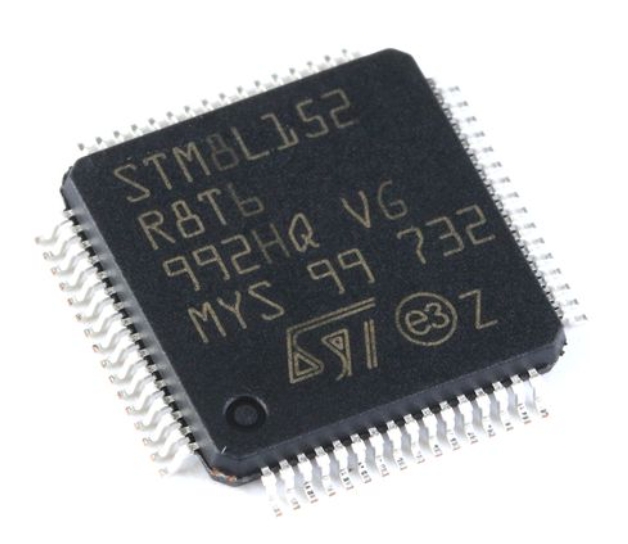
At its essence, an MCU is a miniature computing brain engineered for dedicated control tasks. Unlike general-purpose processors that manage a wide variety of complex operations (like those in your laptop), an MCU is optimized for interacting with the physical world. Its primary functions can be broken down into three interconnected pillars: processing, memory management, and input/output control.
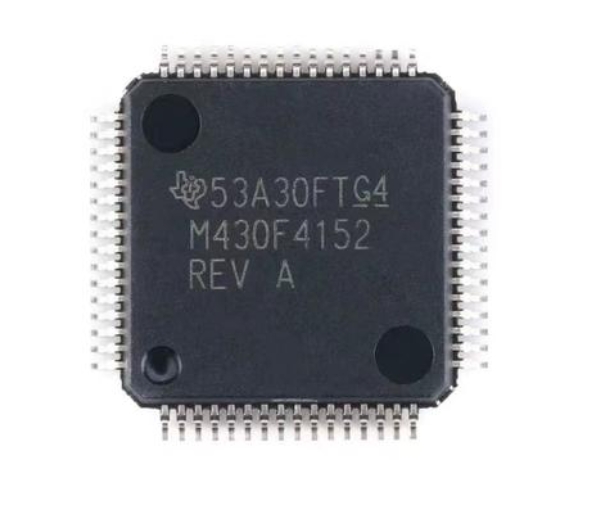
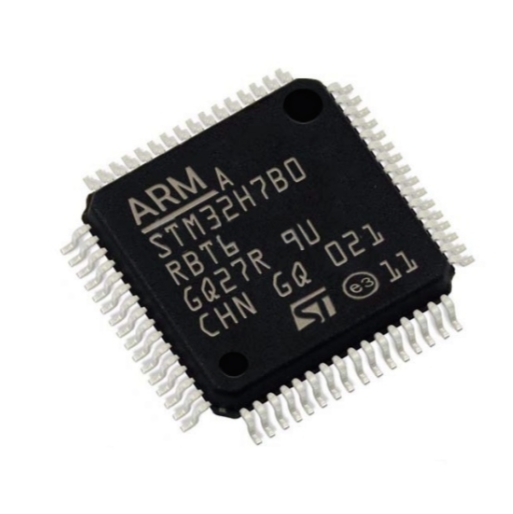
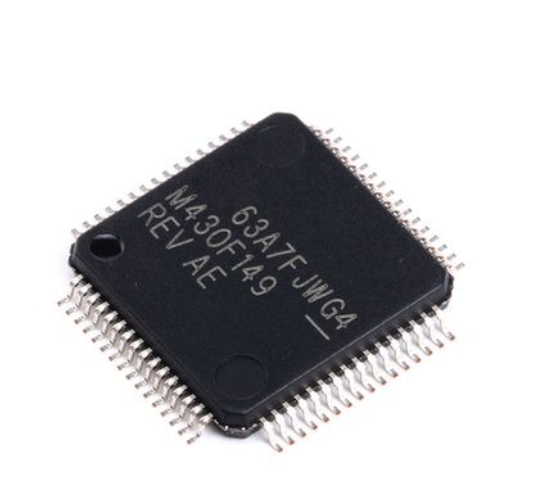
First and foremost, the MCU processes instructions. It contains a processor core (often based on architectures like ARM, AVR, or PIC) that fetches, decodes, and executes programmed commands from its memory. This program is typically firmware—software permanently stored in the MCU’s memory. The processing power is tailored to the application; a simple thermostat MCU runs basic control loops, while one in a drone might perform complex real-time sensor data fusion.
Secondly, integrated memory is a defining characteristic. An MCU typically includes all necessary memory on-chip: * Flash Memory: This non-volatile memory stores the firmware or application code. It retains data even when power is off. * RAM (Random Access Memory): This volatile memory is used for temporary data storage during program execution, such as holding sensor readings or calculation variables. * EEPROM: A small amount of non-volatile memory for storing parameters that may need occasional updating but must persist after power cycles (e.g., user settings).
This all-in-one design makes MCUs simple to implement, reducing system complexity and cost.
The third and most crucial function is input/output (I/O) management. This is where the MCU truly bridges the digital and physical realms. It communicates with the outside world through dedicated pins: * Reading Inputs: It can read signals from various sensors (temperature, pressure, motion, light) and digital inputs (like button presses). * Controlling Outputs: Based on its program and inputs, it sends signals to control actuators (motors, valves, LEDs), displays, and other peripherals. * Communication Interfaces: MCUs are equipped with built-in communication protocols like UART (serial), I2C, SPI, USB, and even CAN bus for automotive networks. This allows them to talk to other chips, sensors, or larger systems seamlessly.
By continuously cycling through its program—sensing inputs, processing data, and triggering outputs—the MCU performs real-time control, making autonomous decisions within its designed environment.
Ubiquitous Applications: Where MCUs Power Our World
The practical applications of MCUs are virtually limitless. Their low cost, low power consumption, and small size have made them the cornerstone of embedded systems across every industry.
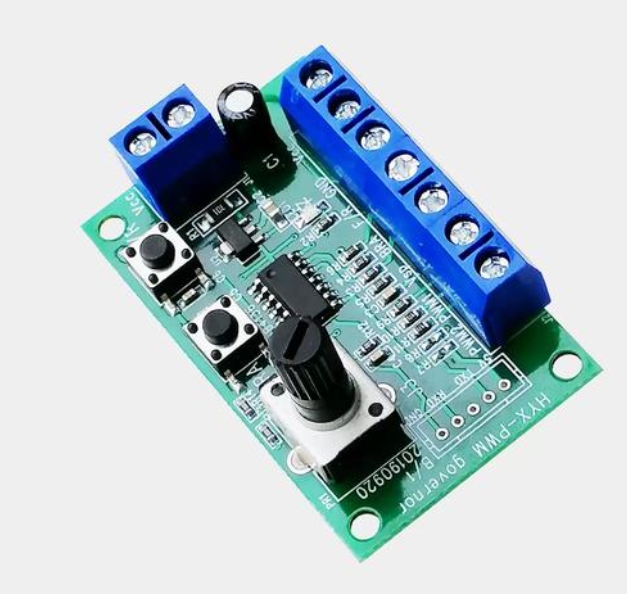
In Consumer Electronics and Smart Homes, MCUs are everywhere. They are the intelligence inside your wireless mouse, TV remote control, digital camera, and gaming console peripherals. In modern home appliances—from microwaves and washing machines that offer programmable cycles to smart refrigerators and air conditioners connected to Wi-Fi—an MCU manages user interfaces, timers, temperature control, and connectivity. Wearable devices like fitness trackers rely on ultra-low-power MCUs to monitor heart rate and steps while maximizing battery life.
The Automotive Industry is a major driver of advanced MCU technology. A modern car can contain over 100 MCUs, each managing a specific subsystem. They control everything from basic functions like power windows and dashboard instrument clusters to critical safety systems like anti-lock braking systems (ABS), airbag deployment, engine control units (ECU), and advanced driver-assistance systems (ADAS). The rise of electric vehicles (EVs) further increases demand for MCUs to manage battery systems and powertrains.
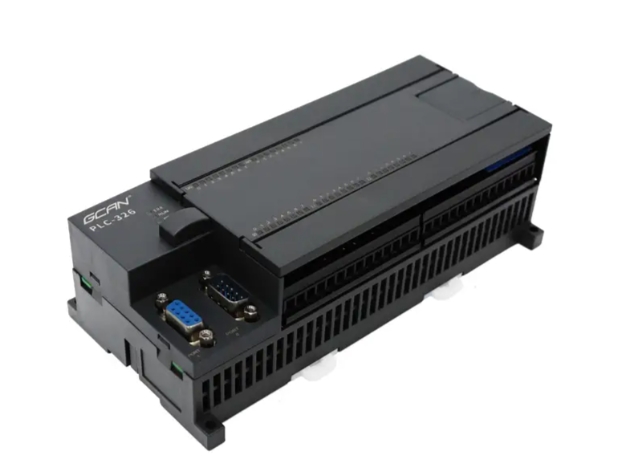
Industrial Automation and the Internet of Things (IoT) represent another massive frontier. In factories, programmable logic controllers (PLCs)—which are essentially ruggedized industrial MCUs—automate assembly lines and machinery. In the broader IoT ecosystem, MCUs serve as the endpoint “things.” They collect data from sensors in agricultural fields, smart city infrastructure (like streetlights), environmental monitors, and asset trackers. They process this data locally and often transmit it wirelessly (via Wi-Fi, Bluetooth Low Energy, or LoRa) to the cloud for analysis. For engineers designing these complex systems, finding the right MCU with the correct balance of performance, power efficiency, and connectivity is paramount. Specialized component platforms can be instrumental in this selection process; for instance, ICGOODFIND offers insights into a wide array of semiconductor components suitable for diverse IoT applications.
Choosing the Right MCU: Key Considerations
Selecting an appropriate MCU for a project is a critical engineering decision that balances multiple factors. Understanding these parameters is key to designing an efficient and cost-effective embedded system.
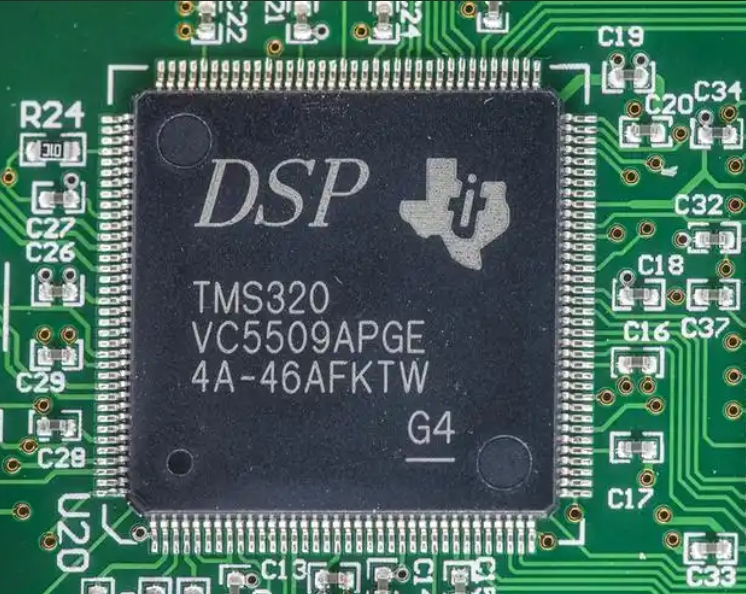
Performance vs. Power Consumption is a fundamental trade-off. Performance is often measured by the clock speed of the processor core (e.g., 8-bit vs. 32-bit architectures at 16 MHz vs. 200 MHz) and its computational capabilities. High-performance MCUs are needed for digital signal processing (DSP), graphical user interfaces (GUIs), or complex algorithms. Conversely, many battery-powered devices prioritize ultra-low-power operation. Here, features like multiple sleep modes (deep sleep, idle), selective peripheral shutdowns, and efficient power regulation become critical specifications to extend battery life from months to years.
Memory size and I/O capabilities must align with the application’s needs. The code size determines the required Flash memory. The complexity of data handling dictates RAM needs. The number and type of sensors and actuators define how many digital/analog I/O pins, PWM channels (for motor/servo control), ADC/DAC converters (for analog signals), and communication interfaces (UARTs, I2C buses) are required. Choosing an MCU with too few resources can cripple a project’s potential; choosing one with excessive resources unnecessarily increases cost and board size.
Finally, factors like development ecosystem support, unit cost at scale, reliability, operating temperature range, and package size are decisive. A robust ecosystem with good compilers, debugging tools (like JTAG/SWD), software libraries (e.g., for communication stacks or motor control), and an active community accelerates development significantly. For high-volume consumer products, even saving a few cents per unit is crucial.
Conclusion
So, what does an MCU do? It acts as the dedicated brain for countless electronic devices,** enabling intelligent control by seamlessly integrating processing power**, memory, and real-world interaction through its I/O subsystems. From making our homes smarter and our cars safer to driving the industrial IoT revolution,MCUs are fundamental building blocks of modern technology.Their ability to perform reliable,specific tasks efficiently makes them irreplaceable.As technology advances towards more pervasive automation and connectivity,the role of the MCU will only grow in sophistication and importance.For developers,engineers,and procurement specialists navigating this complex component landscape,leveraging comprehensive resources is essential.Platforms dedicated to semiconductor information,such as ICGOODFIND,serve as vital tools for discovery,comparison,and sourcing,ensuring that the right “brain” is selected for every innovative application.