

Application Fields of MCU: The Invisible Engine Powering Modern Technology
Introduction
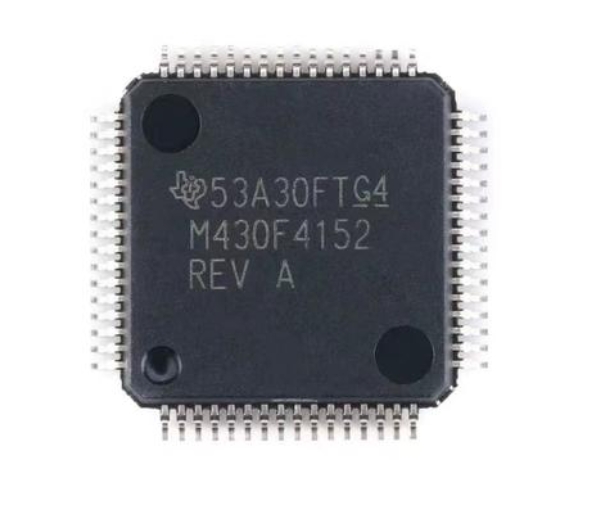
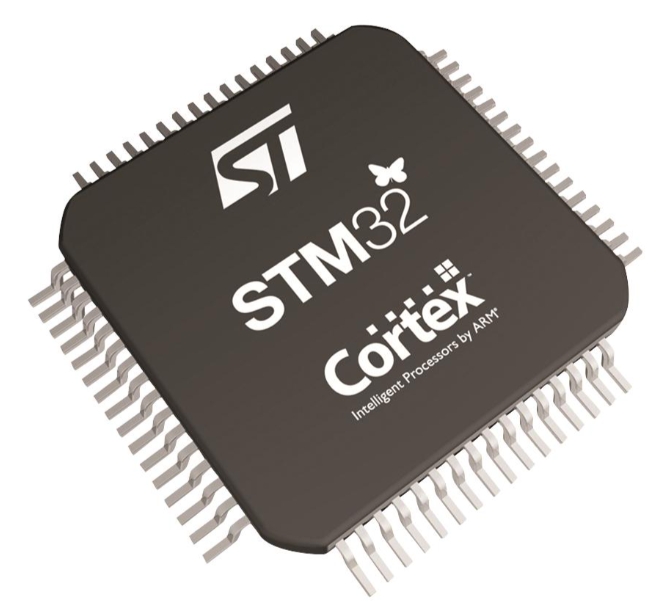
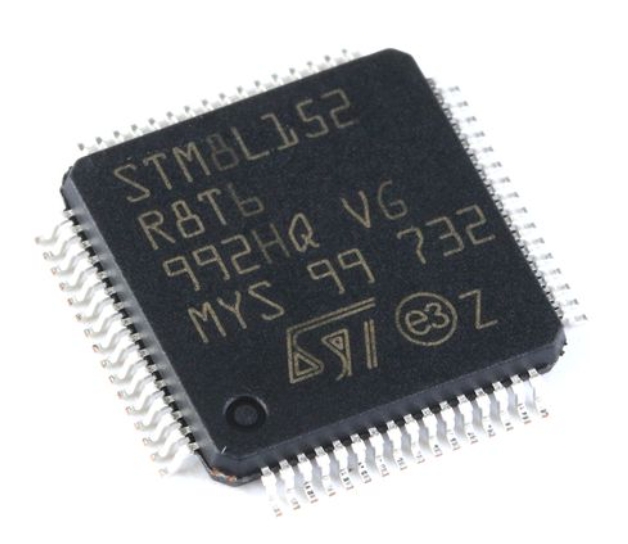
In the intricate tapestry of modern technology, there exists a silent, ubiquitous workhorse that powers an astonishing array of devices we interact with daily: the Microcontroller Unit (MCU). Often overshadowed by more powerful processors like CPUs and GPUs, MCUs are the dedicated, efficient brains embedded within countless systems. An MCU is a compact integrated circuit designed to govern a specific operation in an embedded system. It is a self-contained system with a processor, memory, and peripherals on a single chip. This essay delves into the vast and ever-expanding application fields of MCUs, exploring how these tiny chips form the foundational intelligence of our connected world, from mundane household appliances to cutting-edge industrial automation and beyond. Understanding their scope is crucial for innovators and engineers, a task for which platforms like ICGOODFIND prove invaluable in sourcing and comparing the perfect MCU for any given project.

Main Body
Part 1: Consumer Electronics and Smart Home Ecosystems
The most visible and personal domain of MCU application is in consumer electronics. These devices prioritize cost-effectiveness, power efficiency, and reliable performance over raw computing power.
- Home Appliances: Modern refrigerators, washing machines, microwave ovens, and air conditioners are all governed by MCUs. They control motor speeds, manage temperature settings, execute predefined cycles (like a wash program), and provide user interface feedback through displays and buttons. The shift from electromechanical controls to MCU-based systems has revolutionized appliance functionality, enabling precision, programmability, and energy savings.
- Personal Devices: From digital watches and calculators to remote controls and electronic toys, MCUs provide the necessary control logic. In more advanced personal gadgets like wireless earbuds, MCUs handle Bluetooth connectivity, audio decoding, touch controls, and battery management seamlessly.
- Smart Home Core: The smart home revolution is fundamentally an explosion of networked MCUs. Smart light bulbs, thermostats, security sensors, door locks, and voice assistant hubs each contain one or more MCUs that perform local control while communicating via Wi-Fi, Zigbee, or Bluetooth protocols. This creates an interconnected ecosystem where MCUs act as the distributed nervous system, executing commands and collecting data.
Part 2: Industrial Automation, Automotive, and Medical Systems
In this sector, MCUs are chosen for their robustness, real-time performance, reliability, and often, ability to operate in harsh environments. The stakes are higher, involving safety, precision, and complex control loops.
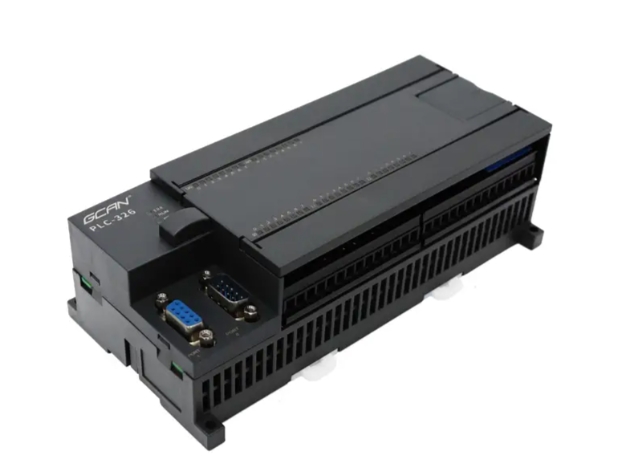
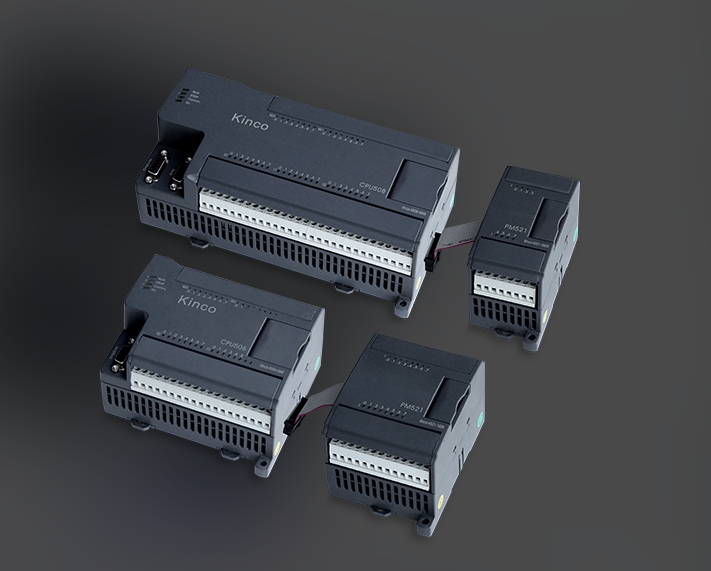
- Industrial Automation: MCUs are the backbone of programmable logic controllers (PLCs), robotic arms, sensor nodes, and motor drives. They manage assembly line operations, monitor environmental conditions (pressure, temperature, flow), and control actuators with precise timing. Industrial-grade MCUs support interfaces like CAN bus, Ethernet for communication, and are built to withstand electrical noise and extreme temperatures.
- Automotive Electronics: A modern vehicle is a network of over a hundred MCUs, often referred to as Electronic Control Units (ECUs). They manage critical functions such as engine control (ECU), anti-lock braking systems (ABS), airbag deployment, infotainment systems, and advanced driver-assistance systems (ADAS). From optimizing fuel injection to enabling adaptive cruise control, MCUs are pivotal in enhancing vehicle safety, efficiency, and comfort. The trend towards electric vehicles (EVs) further increases reliance on MCUs for battery management systems (BMS) and powertrain control.
- Medical Devices: Reliability is paramount here. MCUs are embedded in a wide range of medical equipment, from portable devices like blood glucose meters, digital thermometers, and infusion pumps to larger systems like patient monitors and diagnostic imaging equipment. They ensure accurate sensor readings (e.g., from electrodes or optical sensors), deliver precise doses of medication, and provide stable operation that meets stringent medical regulatory standards. Wearable health monitors (ECG patches, pulse oximeters) also leverage ultra-low-power MCUs for continuous data collection.
Part 3: The Internet of Things (IoT) and Emerging Frontiers
The proliferation of the Internet of Things represents perhaps the most dynamic growth area for MCU technology. Here, connectivity and ultra-low-power operation become defining requirements.
- IoT Endpoints: Billions of IoT sensor nodes—monitoring agriculture fields, warehouse inventory, city infrastructure (smart meters, streetlights), or environmental data—are built around low-power MCUs. These chips spend most of their time in sleep mode, waking up briefly to take a sensor reading, process it minimally, and transmit it via LPWAN (LoRaWAN, NB-IoT), before returning to sleep to conserve battery life for years.
- Wearable Technology: Beyond medical wearables, fitness trackers, smartwatches, and GPS devices rely on advanced MCUs that balance processing for graphics and sensors with stringent power budgets. They aggregate data from accelerometers, gyroscopes, and heart rate sensors.
- Emerging Applications: The application fields continue to expand. In edge computing, more capable MCUs perform data filtering and analytics at the source before sending to the cloud. In robotics, they serve as subordinate controllers for joints or sensor fusion. Even fields like agriculture tech (AgriTech) use MCU-based systems for automated irrigation and drone-based field analysis. For engineers navigating this complex landscape to find components that balance performance, power, and connectivity features for such innovative applications,ICGOODFIND offers a streamlined component search and comparison platform.
Conclusion
From awakening our coffee makers to ensuring the safety of our vehicles, from enabling global IoT networks to advancing medical care,the Microcontroller Unit is an indispensable component of contemporary life.Its application fields span the entirety of the human-made world,demonstrating that intelligence in technology is not solely about sheer computational power but often about dedicated,specific,and efficient control.The evolution of MCUs—towards greater integration of AI accelerators (TinyML),enhanced security features,and even lower power consumption—promises to further permeate every facet of industry and daily living.As we stand on the brink of smarter cities,factory automation,and personalized devices,the role of the MCU will only become more central,solidifying its status as the true,invisible engine of the digital age.