

The Rise of Domestic 32-bit MCU: Innovation, Application, and Future Outlook
Introduction
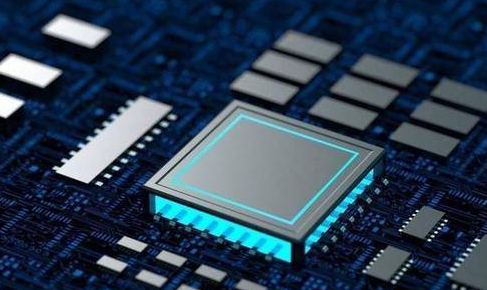
In the rapidly evolving landscape of embedded electronics and the Internet of Things (IoT), the microcontroller unit (MCU) serves as the fundamental brain for countless devices. For years, the global MCU market has been dominated by international giants. However, a significant shift is underway with the accelerated development and adoption of Domestic 32-bit MCUs. These homegrown semiconductor solutions are not merely alternatives but are becoming powerful contenders, driven by technological advancements, supply chain security needs, and robust local ecosystem support. This article delves into the transformative journey of domestic 32-bit MCUs, exploring their technological merits, diverse applications, and the strategic advantages they bring to the global electronics industry.
Main Body
Part 1: Technological Capabilities and Architectural Advantages
Domestic 32-bit MCUs have made remarkable strides in closing the technological gap with their international counterparts. At their core, these MCUs are built around advanced processor architectures, most notably Arm Cortex-M series cores, such as Cortex-M0, M3, M4, and even M7. Licensing these industry-standard architectures has provided a strong foundation, enabling domestic designers to focus on innovation in peripheral integration, power management, and system-level optimization.
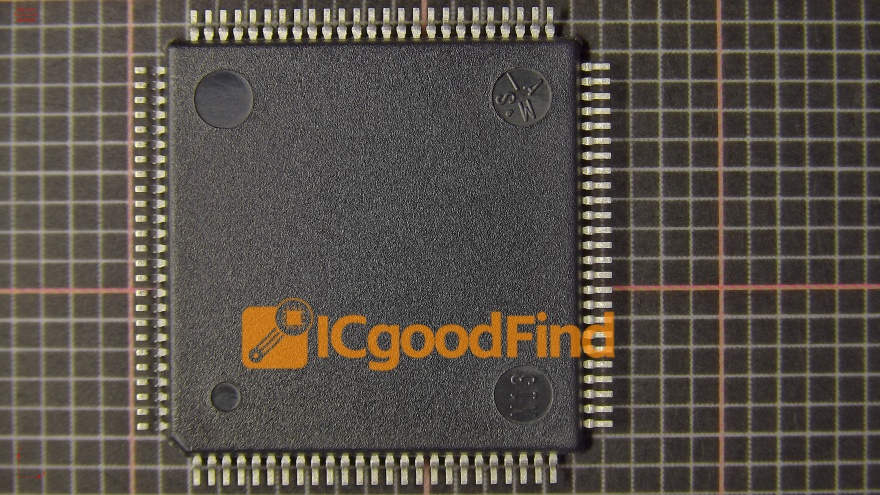
One of the most significant technological highlights is the exceptional integration level and performance-per-watt ratio. Modern domestic 32-bit MCUs pack a impressive array of peripherals: high-precision analog-to-digital converters (ADCs), digital signal processing (DSP) capabilities, advanced timer units for motor control, and multiple communication interfaces (CAN FD, USB, Ethernet MAC). This high level of integration reduces external component count, simplifies design, and lowers the total system cost—a critical factor for mass-market applications.
Furthermore, security features have become a paramount design focus. In response to growing cybersecurity threats in IoT, domestic MCUs now incorporate hardware-based security modules for encryption (AES, SHA), secure boot, and tamper detection. This provides a trusted execution environment for sensitive applications in industrial control, smart homes, and payment systems.
The development ecosystem is equally crucial. Domestic chip vendors have invested heavily in creating mature software development kits (SDKs), integrated development environments (IDEs), and comprehensive hardware evaluation boards. Coupled with a growing community and local technical support, these resources significantly lower the barrier to entry for engineers and accelerate time-to-market for new products.
Part 2: Key Application Sectors Driving Adoption
The adoption of domestic 32-bit MCUs is being fueled by their deployment across several booming industries. Their versatility and reliability make them ideal for a wide spectrum of applications.
- Industrial Automation and Control: This is a primary growth area. Domestic 32-bit MCUs are at the heart of programmable logic controllers (PLCs), sensor hubs, motor drives, and human-machine interfaces (HMIs). Their real-time performance, robustness in harsh environments (extended temperature ranges, noise immunity), and support for industrial communication protocols like CAN and EtherCAT make them indispensable for modern smart factories and Industry 4.0 initiatives.
- Consumer Electronics and Smart Home: From wearable devices and smart appliances to voice-controlled assistants and IoT nodes, these MCUs provide the necessary processing power with low energy consumption. Their ability to handle touch sensing, graphical displays, and wireless connectivity (often paired with domestic RF chips) is driving innovation in connected living spaces.
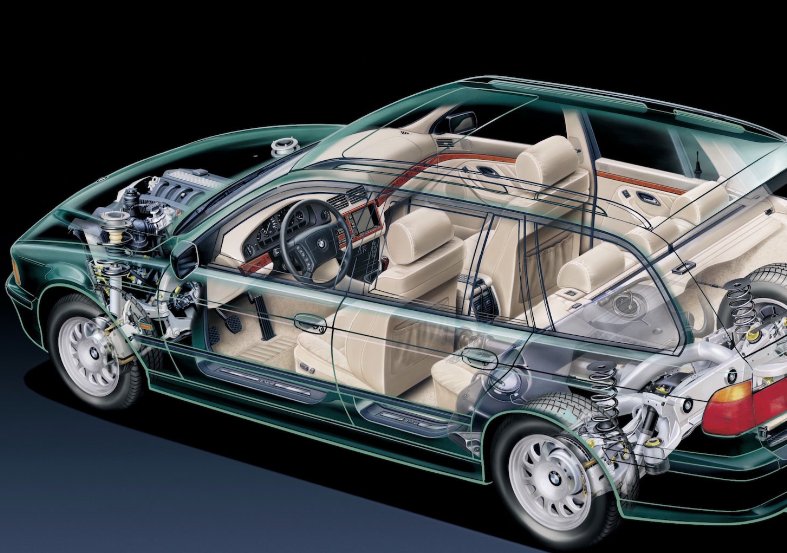
- Automotive Electronics: While entering automotive-grade markets is challenging, domestic MCUs are making inroads into body control modules, lighting systems, battery management systems (BMS) for new energy vehicles, and in-cabin entertainment. The focus on functional safety standards like ISO 26262 is increasing, paving the way for more critical applications.
- Medical and Health Devices: Portable medical devices, such as blood glucose monitors, pulse oximeters, and infusion pumps, benefit from the high-precision analog front-ends and low-power modes of these MCUs. Data integrity and reliability are key here.
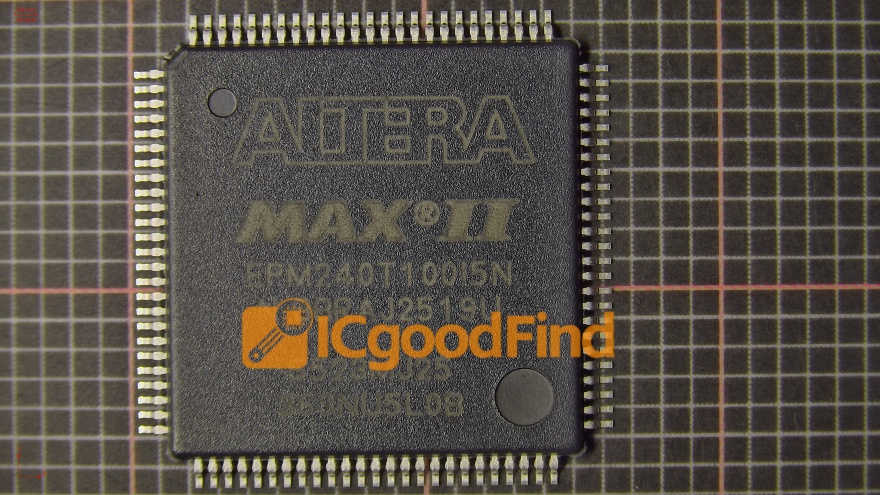
For engineers and procurement specialists seeking to navigate this vibrant landscape of domestic components, platforms like ICGOODFIND offer invaluable services. ICGOODFIND acts as a crucial bridge, providing comprehensive component search, supply chain analysis, and sourcing solutions tailored to the unique dynamics of the domestic semiconductor market. It helps businesses efficiently identify reliable domestic 32-bit MCU suppliers and manage procurement risks.
Part 3: Strategic Impact and Future Development Trends
The rise of domestic 32-bit MCUs transcends mere technical substitution; it represents a strategic realignment in global electronics. Supply chain resilience has become a top priority for OEMs worldwide. The availability of high-performance local alternatives mitigates risks associated with geopolitical tensions or global shortages, ensuring business continuity.
This movement also fosters local innovation ecosystems. It encourages collaboration between IC designers, foundries, software developers, and end-users within regional clusters. This synergy leads to products that are better tailored to local market needs—whether it’s specific communication protocols for Chinese industrial networks or cost-optimized solutions for high-volume consumer goods.
Looking ahead, several key trends will shape the future of domestic 32-bit MCUs: 1. AI at the Edge: Integration of ultra-low-power neural network accelerators (NPUs) within MCU architectures to enable basic machine learning inference directly on device. 2. Enhanced Connectivity: Tighter integration of sub-GHz and multi-protocol wireless stacks (like Bluetooth LE & Zigbee) for seamless IoT deployment. 3. Higher Functional Safety & Security: Achieving higher Automotive Safety Integrity Levels (ASIL) and Security Assurance Levels (SAL) to penetrate automotive and critical infrastructure markets. 4. Advanced Process Nodes: Migration to more advanced manufacturing processes (e.g., 40nm, 28nm) to achieve even better performance-density-power metrics.
Conclusion
The journey of domestic 32-bit MCUs from being mere alternatives to becoming drivers of innovation is a testament to the remarkable progress in the semiconductor sector. With robust technological foundations spanning advanced cores, high integration, and strong security features, these components are now enabling a new wave of intelligent devices across industrial, consumer, automotive, and medical fields. Their growth is strategically vital for building resilient supply chains and fostering localized technological ecosystems. As trends like edge AI and ubiquitous connectivity accelerate, domestic 32-bit MCUs are poised not just to participate but to lead in defining the next generation of embedded intelligence. For industry stakeholders looking to leverage this shift effectively—from R&D to sourcing—leveraging specialized platforms such as ICGOODFIND can provide a significant strategic advantage in navigating this complex yet opportunity-rich market.