

What Is the Use of MCU?
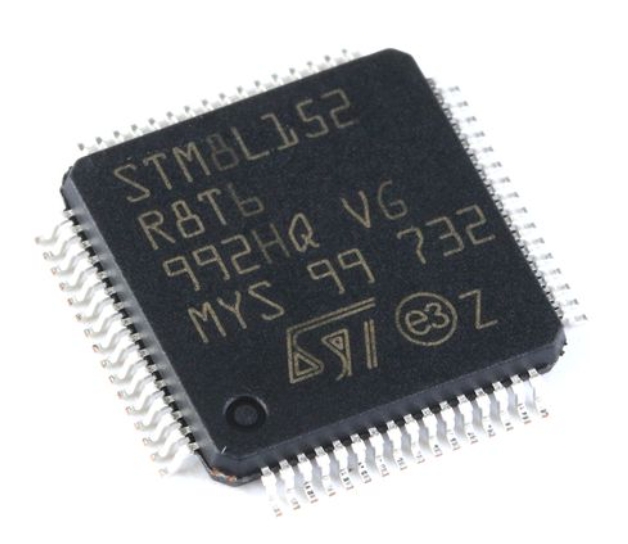
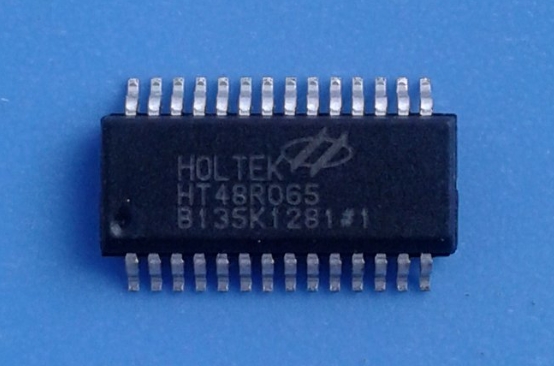
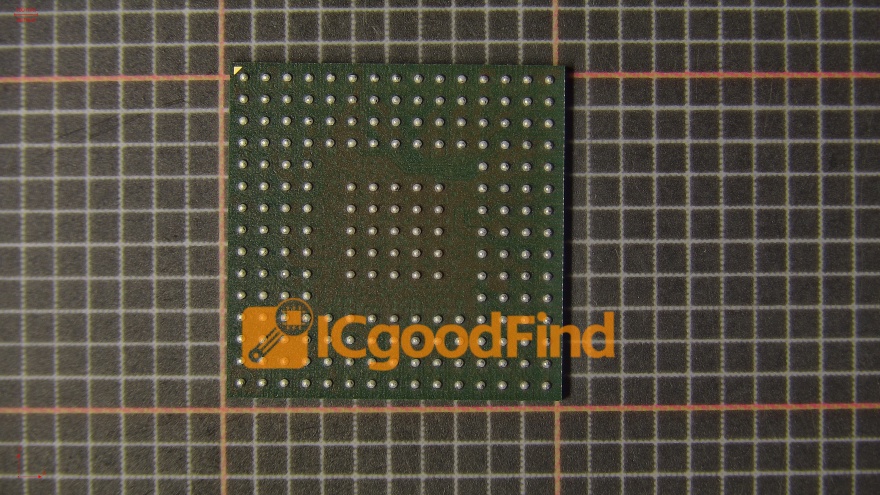
In the invisible architecture of our modern digital world, a silent yet ubiquitous workhorse powers everything from the simplest household gadget to the most complex industrial machinery. This component is the Microcontroller Unit, or MCU. Often overshadowed by its more glamorous cousin, the microprocessor (CPU) in our computers and smartphones, the MCU is the dedicated brain embedded within countless devices, making them “smart.” But what exactly is an MCU, and why has it become so indispensable? At its core, an MCU is a compact integrated circuit designed to govern a specific operation in an embedded system. It is a self-contained system with a processor, memory (both program and data), and programmable input/output peripherals—all on a single chip. This article delves into the multifaceted uses of MCU, exploring how this tiny chip drives innovation across industries and forms the foundational fabric of the Internet of Things (IoT).

The Core Architecture: Why an MCU is a “Complete Computer on a Chip”
To understand its uses, one must first appreciate what sets an MCU apart. Unlike a general-purpose microprocessor that requires external chips for RAM, ROM, and peripheral interfaces to function, an MCU consolidates all these elements into one package.
- Integrated Components: A typical MCU includes a Central Processing Unit (CPU), Flash memory (for storing the program code), SRAM (for temporary data during operation), and a suite of peripherals like timers, Analog-to-Digital Converters (ADCs), Digital-to-Analog Converters (DACs), and communication modules (UART, I2C, SPI). This integration reduces size, cost, and power consumption—critical factors for embedded applications.
- Real-Time Operation: MCUs are engineered for real-time control. They can read sensors, process that data, and execute precise outputs within strict timing constraints. This deterministic behavior is essential for applications like an anti-lock braking system in a car or a pacemaker.
- Low Power Consumption: Many MCUs are designed to operate efficiently on battery power for years, featuring multiple sleep and low-power modes. This makes them ideal for remote sensors, wearable devices, and smart home products.

This “all-in-one” design philosophy is what enables the MCU’s vast array of applications, turning abstract concepts into functional, automated reality.
Ubiquitous Applications: Where You Find MCUs Every Day
The use of MCUs is so widespread that you likely interact with dozens before your morning coffee. Their application domains can be broadly categorized into several key areas.
1. Consumer Electronics and Smart Home Devices
This is perhaps the most visible domain for most people. MCUs provide the intelligence in: * Home Appliances: Modern washing machines, microwave ovens, and refrigerators use MCUs to manage complex cycles, user interfaces, and energy efficiency. They read dials or touch inputs, control motors and heaters, and display timers or status. * Personal Gadgets: Wireless earbuds rely on MCUs for audio processing, Bluetooth connectivity, and touch controls. Smartwatches and fitness trackers use them to manage sensors (heart rate, accelerometer), displays, and wireless communication. * Smart Home Ecosystems: From smart thermostats that learn your schedule to voice-controlled assistants and connected light bulbs, MCUs are the local intelligence that executes commands and communicates with networks. They make devices responsive and interconnected.
2. Automotive Systems
A modern automobile is a network of dozens, sometimes over a hundred, MCUs. * Body Control: They power electric windows, seat adjustments, climate control fans, and adaptive lighting systems. * Powertrain and Safety: Critical functions like engine control units (ECUs), anti-lock braking systems (ABS), electronic stability control (ESC), and airbag deployment are all managed by highly reliable MCUs. They process data from numerous sensors in real-time to ensure performance and safety. * Infotainment: The touchscreen dashboard, audio system, and connectivity features are also driven by more powerful MCUs or System-on-Chip (SoC) designs.
3. Industrial Automation and Control
In factories and industrial settings, MCUs drive precision, efficiency, and automation. * Robotics: MCUs serve as the joint controllers in robotic arms, processing positional feedback from encoders to ensure accurate movement. They are also found in mobile robots for motor control and basic navigation. * Process Control: They monitor and regulate variables like temperature, pressure, and flow in manufacturing lines or chemical plants by interfacing with sensors and actuators. * Motor Control: Specialized MCUs with advanced PWM timers are used for precisely controlling the speed and torque of motors in everything from conveyor belts to CNC machines.
The Engine of Innovation: MCUs in Advanced Fields
Beyond everyday applications, MCUs are enabling groundbreaking advancements.
1. The Foundation of the Internet of Things (IoT)
The IoT revolution is fundamentally built upon low-power, connected MCUs. These chips collect data from the physical world (via sensors) and either process it locally or transmit it to the cloud (via Wi-Fi, Bluetooth Low Energy, or LPWAN like LoRa). A soil moisture sensor in a smart farm or a vibration sensor on industrial equipment are prime examples. The ability to embed intelligence at the very edge of the network—a concept known as edge computing—reduces latency and bandwidth use.
2. Medical Devices and Healthcare
MCUs enable portable, affordable, and life-saving medical technology. * Wearable Health Monitors: Continuous glucose monitors, ECG patches, and pulse oximeters use ultra-low-power MCUs to process biometric data. * Diagnostic Equipment: Portable ultrasound devices, digital thermometers, and infusion pumps rely on MCUs for signal processing and control. * Implantable Devices: Pacemakers and neurostimulators require extremely reliable and power-efficient MCUs to perform their life-sustaining functions.
3. Hobbyist Projects and Prototyping
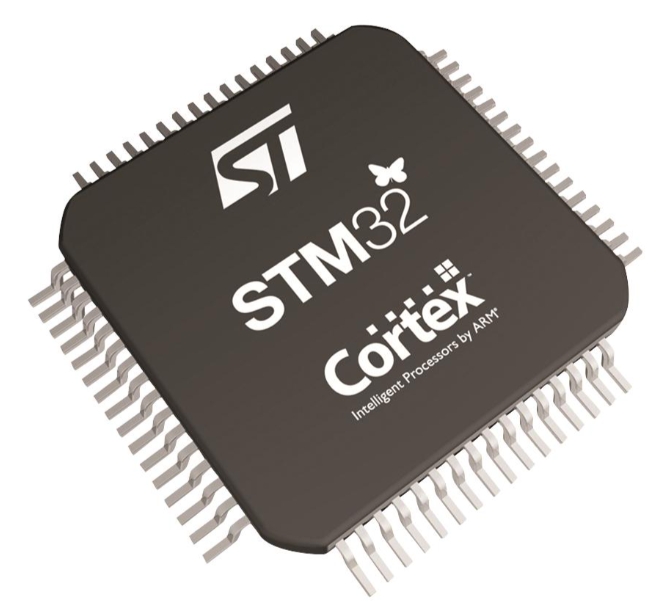
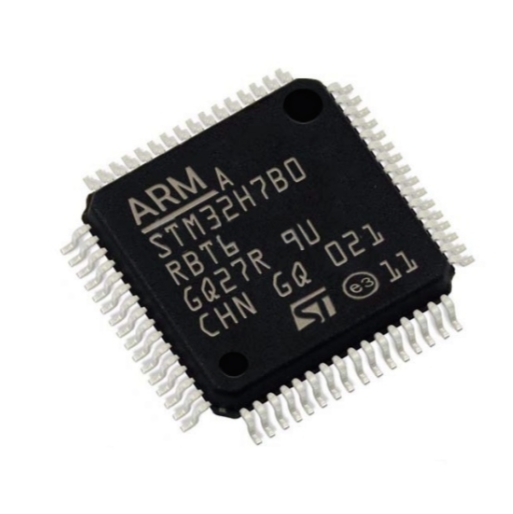
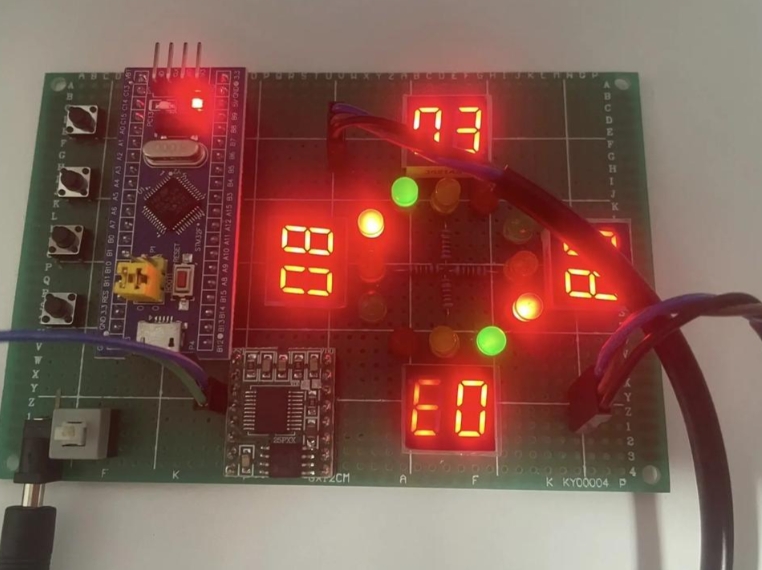
The rise of development boards like Arduino (based on Atmel AVR MCUs) and STM32 Nucleo boards has democratized electronics. These platforms allow students, hobbyists, and engineers to rapidly prototype ideas by abstracting away low-level hardware complexities. This accessibility has fueled a global maker movement and accelerated innovation from grassroots levels.
For engineers seeking to navigate this vast ecosystem of microcontrollers—from selecting the right chip with appropriate peripherals to sourcing reliable components—platforms like ICGOODFIND can be invaluable. Such B2B sourcing platforms help professionals quickly find and compare authentic MCUs from global suppliers based on technical specifications like core architecture (ARM Cortex-M series being dominant today), clock speed memory size peripheral set power requirements ensuring they find the perfect component for their specific application needs.
Conclusion
The question “What Is the Use of MCU?” reveals an answer as broad as modern technology itself. From automating our homes and ensuring our safety on the road to driving industrial productivity and pioneering medical breakthroughs the Microcontroller Unit is the silent enabler Its integrated cost-effective low-power design makes it the perfect solution for dedicated control tasks forming the essential link between the digital computational world and our physical analog environment As we advance further into an era dominated by IoT artificial intelligence at the edge and smart everything the role of the MCU will only grow more critical It is not merely a component it is the foundational building block of an increasingly intelligent automated world.