The Ultimate Guide to MCU Control Boards: Engine of Modern Automation
Introduction
In the intricate world of electronics and automation, a silent yet powerful conductor orchestrates the symphony of operations—the MCU Control Board. Standing for Microcontroller Unit, an MCU control board is the compact, integrated brain behind countless devices, from smart home appliances and industrial robots to advanced medical equipment and automotive systems. As technology relentlessly advances towards greater intelligence and interconnectivity, understanding the role, selection, and application of these fundamental components becomes paramount for engineers, developers, and tech enthusiasts alike. This comprehensive guide delves into the core of MCU control boards, exploring their architecture, key selection criteria, and transformative applications, ultimately highlighting why they are indispensable in our technologically driven era. For professionals seeking reliable components and in-depth technical resources, platforms like ICGOODFIND serve as a crucial bridge, connecting innovative projects with high-quality MCU solutions and expert insights.
Main Body
Part 1: Anatomy and Core Architecture of an MCU Control Board
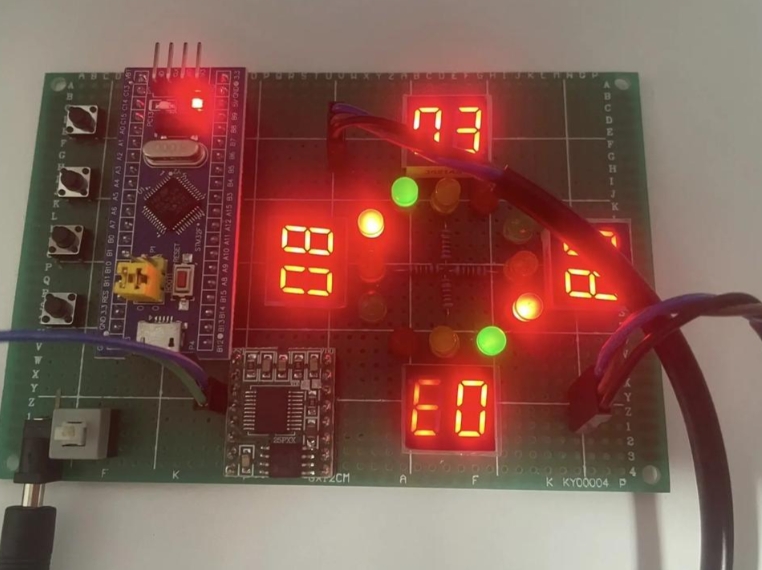
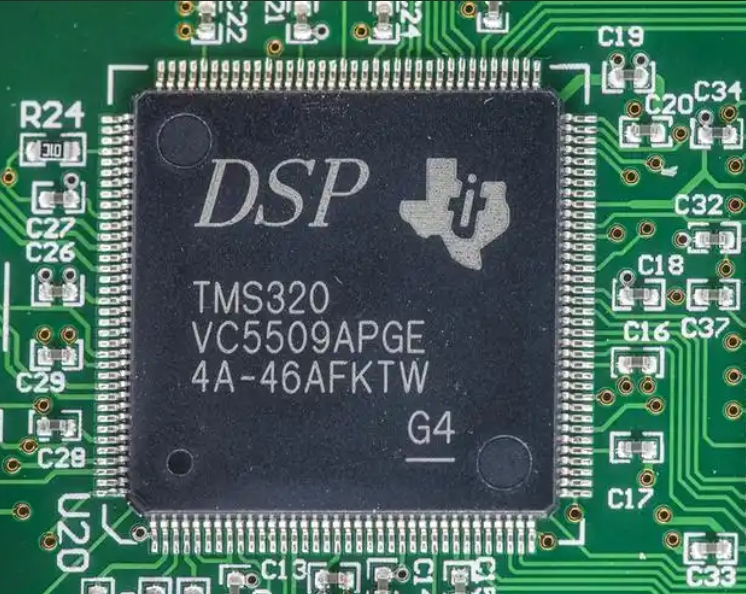
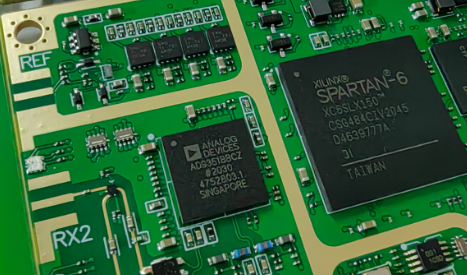
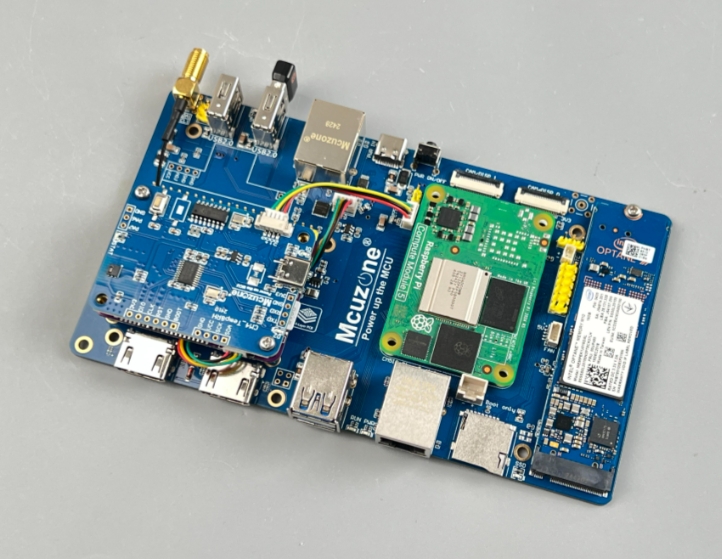
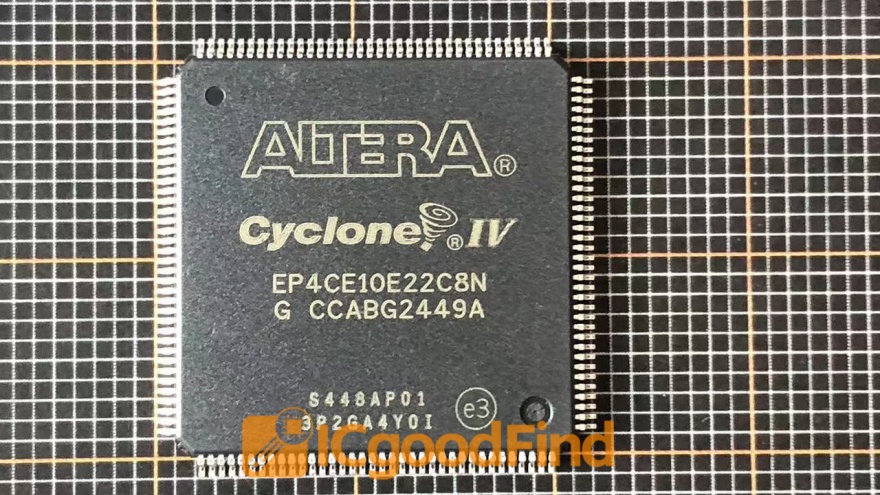
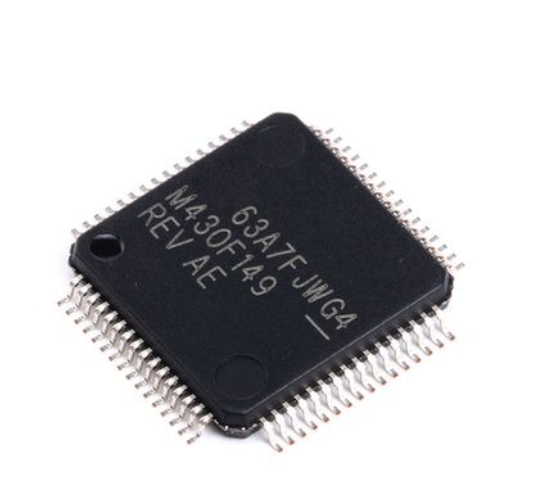
At its heart, an MCU control board is a printed circuit board (PCB) that hosts and interconnects a microcontroller unit with other essential components to form a complete, functional control system. Unlike general-purpose microprocessors found in computers, an MCU is a self-contained system-on-a-chip (SoC), integrating a processor core, memory (both RAM and ROM/Flash), and programmable input/output peripherals on a single chip.
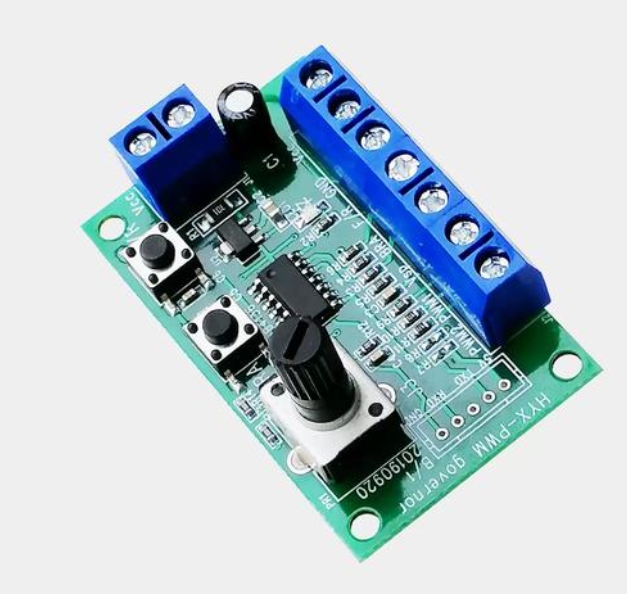
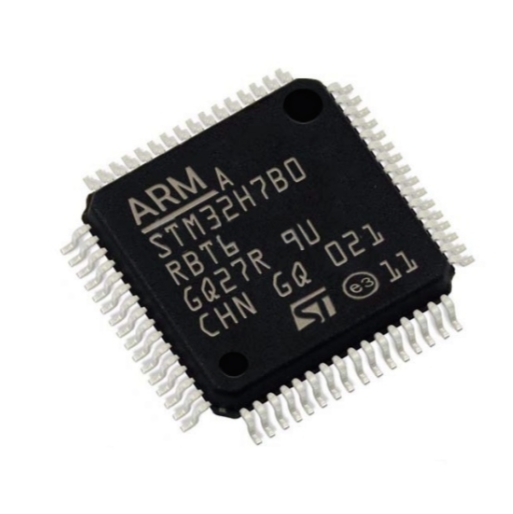
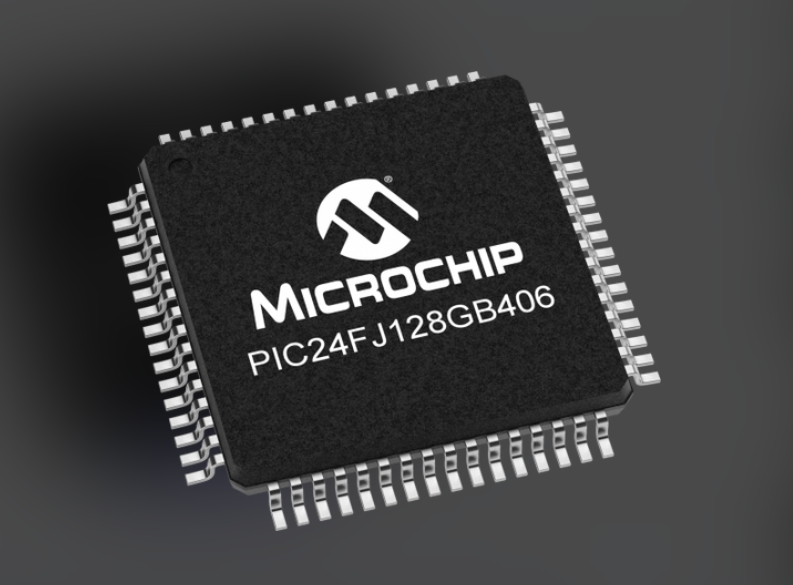
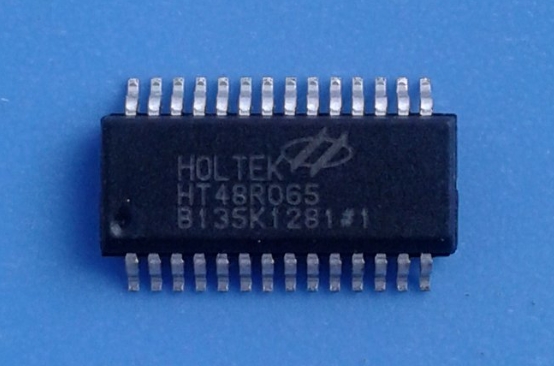
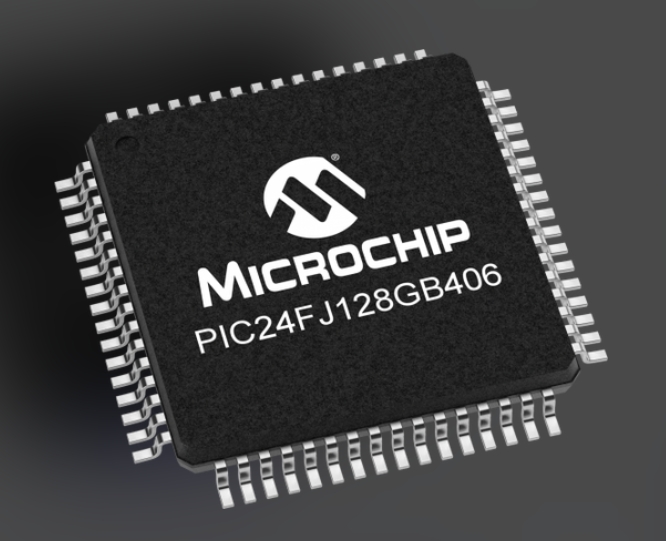
The architecture of a typical MCU control board is built around several critical components: * The Microcontroller Unit (MCU Chip): This is the central processing brain. Key specifications include the bit-width (8-bit, 16-bit, 32-bit), which affects processing power and data handling; clock speed, determining instruction execution rate; and the core architecture (e.g., ARM Cortex-M, AVR, PIC, RISC-V), which defines the instruction set and efficiency. * Power Supply Circuitry: This section regulates and distributes stable voltage levels (e.g., 5V, 3.3V) required by the MCU and other onboard components from an external power source. Robust power management is critical for system stability and longevity. * Clock Circuit: Usually comprising a crystal oscillator or resonator, this circuit provides the precise timing pulse that synchronizes all operations within the MCU. * Input/Output (I/O) Interfaces: These are the physical gateways for interaction. They include digital I/O pins, analog-to-digital converters (ADC) for reading sensor data, communication ports like UART, SPI, I2C, and often more advanced interfaces like USB, Ethernet, or CAN bus for connectivity. * Supporting Memory: While the MCU has embedded memory, some control boards may feature additional external Flash or EEPROM for data logging or expanded program storage.
The seamless integration of these elements on a single board allows the MCU to execute pre-programmed instructions, read sensor inputs, process data in real-time, and control actuators or outputs—forming the essence of embedded control.
Part 2: Critical Factors in Selecting the Right MCU Control Board
Choosing an appropriate MCU control board is a pivotal decision that can determine the success of a project. The selection must be guided by a careful analysis of technical requirements and project constraints.
- Performance Requirements: The nature of the task dictates performance needs. Simple tasks like reading a temperature sensor and controlling an LED may be perfectly handled by a low-cost 8-bit or 16-bit MCU. However, applications involving complex algorithms, real-time signal processing, graphical user interfaces (GUIs), or connectivity protocols (like Wi-Fi/Bluetooth stacks) demand the higher computational power of a 32-bit MCU, typically based on ARM Cortex-M cores.
- Power Consumption: For battery-powered or energy-sensitive applications (IoT sensors, wearables), low-power operation is non-negotiable. Look for MCUs with multiple sleep modes, efficient power-saving architectures, and features like dynamic voltage scaling.
- I/O Capabilities and Peripheral Integration: Match the board’s I/O count and types to your project’s needs. Consider how many sensors (digital/analog), actuators, displays, and communication modules you need to connect. Modern MCUs integrate numerous peripherals (e.g., PWM controllers for motor control, dedicated cryptographic accelerators for security), which can reduce external component count and simplify design.
- Memory Footprint: Evaluate both program memory (Flash) for your code and data memory (RAM) for runtime operations. Complex applications with extensive libraries or buffering requirements need ample memory.
- Ecosystem and Development Support: A strong ecosystem dramatically accelerates development. This includes the availability of a mature Integrated Development Environment (IDE), comprehensive software libraries (HALs), hardware debugging tools (like JTAG/SWD), and an active community. Popular platforms like Arduino (based on AVR/ARM) or STM32 (ARM Cortex-M) thrive due to their vast ecosystems.
- Cost and Scalability: Balance unit cost against performance and features. For mass production, even minor cost savings per unit are significant. Consider if the chosen MCU family offers scalable options for future product variants.
Navigating this complex landscape of options can be daunting. This is where specialized component sourcing and information platforms prove invaluable. A resource like ICGOODFIND can streamline this process by aggregating technical data sheets, supplier information, and application notes for a wide array of MCUs and development boards, helping engineers make informed decisions efficiently.
Part 3: Transformative Applications Across Industries
The versatility of MCU control boards has led to their pervasive adoption across virtually every sector of technology.
- Consumer Electronics & Smart Homes: They are embedded in everything from microwave ovens and washing machines to smart thermostats and security cameras. Here, they manage user interfaces, sensor inputs (touch, motion, temperature), and execute control sequences reliably.
- Industrial Automation: In this demanding sector, MCU boards form the backbone of Programmable Logic Controllers (PLCs), motor drives, robotic arms, and assembly line sensors. They provide real-time control with high reliability, often operating in harsh environments with extended temperature ranges.
- Automotive Systems: Modern vehicles contain dozens of MCUs in subsystems known as Electronic Control Units (ECUs). They manage engine control units (ECU), anti-lock braking systems (ABS), airbag deployment, infotainment systems, and advanced driver-assistance systems (ADAS). Automotive-grade MCUs must meet stringent safety (ISO 26262) and reliability standards.
- Internet of Things (IoT): IoT is arguably one of the biggest drivers for advanced MCU development. IoT nodes—be it environmental sensors, smart agricultural devices, or asset trackers—rely on low-power MCUs that can process data locally (“edge computing”) and communicate wirelessly via LoRaWAN, BLE, or Wi-Fi.
- Medical Devices: From portable glucose monitors and infusion pumps to complex diagnostic equipment, MCUs ensure precise measurement, control, data logging, and safety interlocks in medical applications.
In each case, the move towards more intelligent edge devices places greater computational demands on the humble MCU control board.
Conclusion
The MCU control board stands as a testament to engineering ingenuity—a compact fusion of processing power, memory, and connectivity that has become the fundamental building block of the digital age. From automating our homes to driving innovation in industry and healthcare, these versatile boards translate code into tangible action in the physical world. As we advance further into an era dominated by the Internet of Things (IoT), artificial intelligence at the edge (TinyML), and smart automation across all sectors,the role of sophisticated yet cost-effective MCU solutions will only grow more critical.For engineers embarking on new projects,navigating the vast sea of available options requires not only technical knowledge but also access to reliable components and resources.Platforms dedicated to component discovery and technical support such as ICGOODFIND play an essential role in this ecosystem by empowering developers to find,the right “brain”for their next groundbreaking innovation.The journey from concept to reality begins with choosing the right control core,and understanding the depth of possibilities offered by modern MCU technology is the first crucial step.