Embedded Systems and MCU: The Heart of Modern Intelligent Devices
Introduction
In an increasingly connected and automated world, the silent workhorses powering our daily lives are often unseen. From the smartphone in your pocket to the advanced medical equipment in hospitals, from automotive control systems to industrial robots, a specialized class of computing technology lies at the core: Embedded Systems and Microcontroller Units (MCUs). Unlike general-purpose computers designed for a wide range of tasks, embedded systems are dedicated to specific functions within a larger mechanical or electrical system. Their efficiency, reliability, and real-time processing capabilities make them indispensable. This article delves into the fundamental concepts, architectural intricacies, and expansive applications of embedded systems and MCUs, highlighting why they remain the cornerstone of the Internet of Things (IoT) and smart technology revolution. For engineers and procurement specialists seeking reliable components and insights, platforms like ICGOODFIND serve as a critical bridge to a vast ecosystem of MCU solutions and technical resources.
Main Body
Part 1: Understanding the Core - What are Embedded Systems and MCUs?
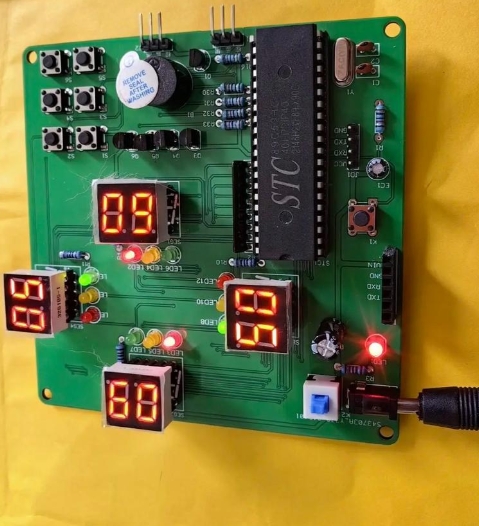
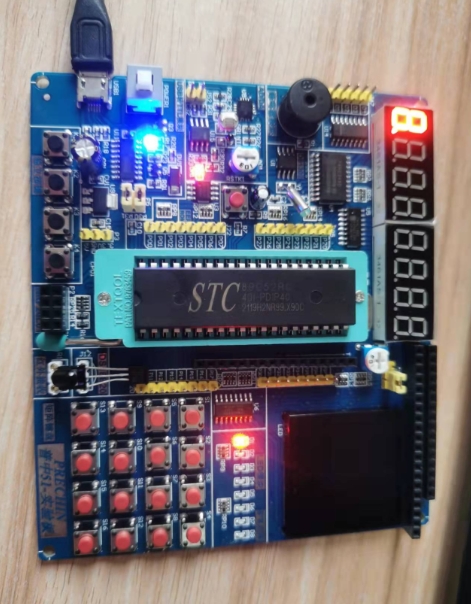
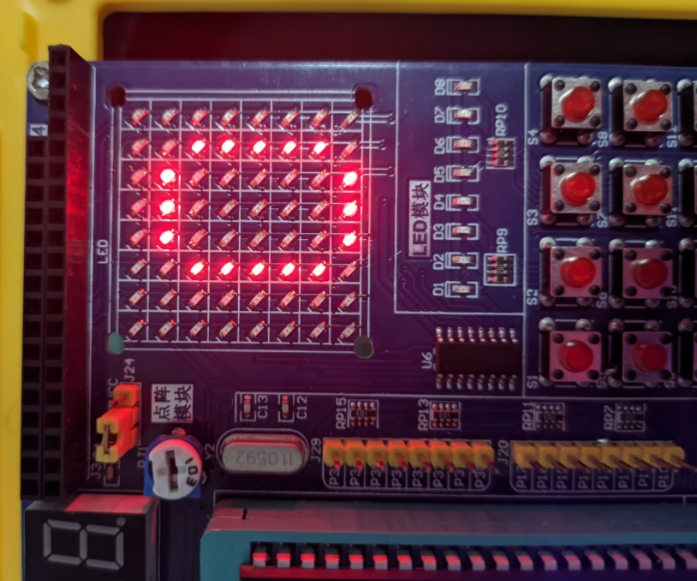
An embedded system is a combination of computer hardware and software, and sometimes additional mechanical or other parts, designed to perform a dedicated function or a set of related functions. It is typically embedded as part of a complete device, often including hardware and mechanical components. The key characteristic is its dedicated purpose, contrasting with a personal computer which is designed to be flexible and run various applications.
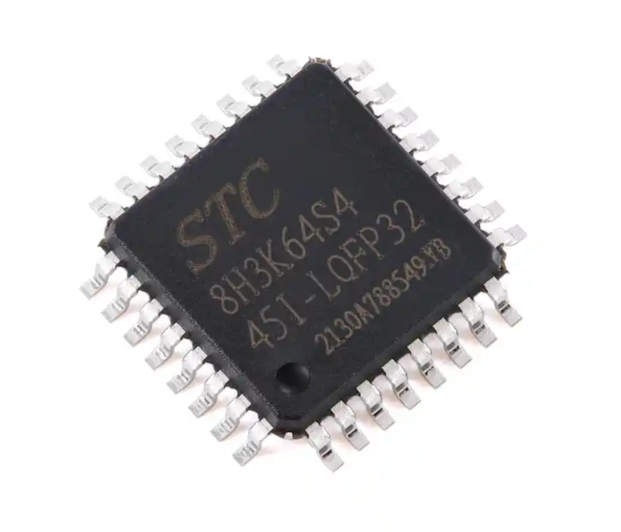
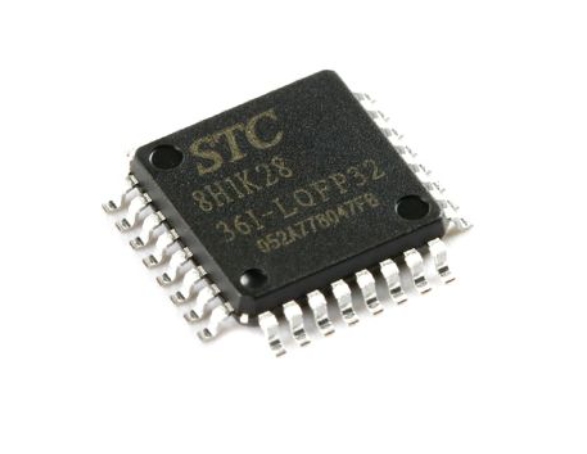
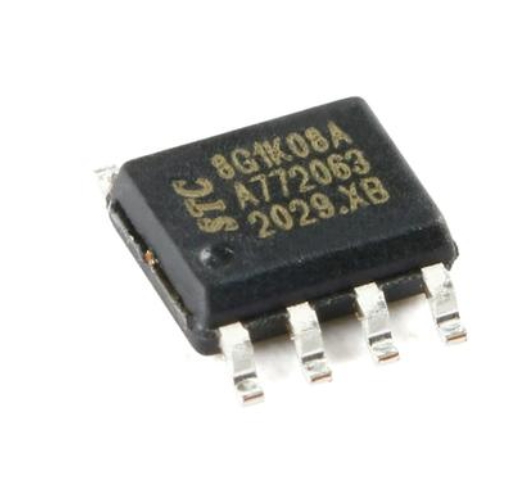
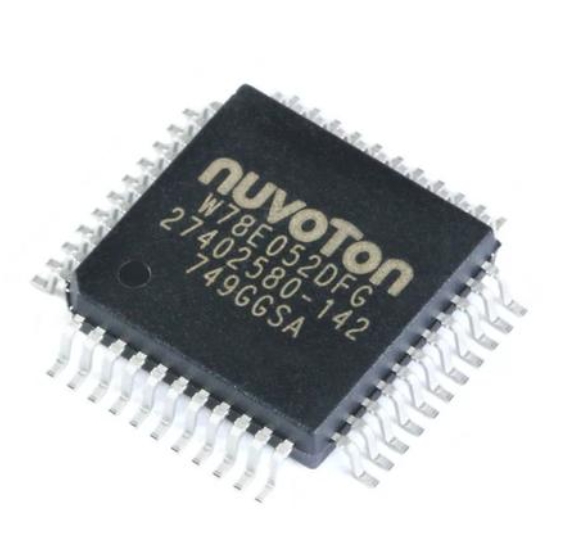
At the heart of most embedded systems lies the Microcontroller Unit (MCU). An MCU is a compact integrated circuit designed to govern a specific operation in an embedded system. It is essentially a small computer on a single metal-oxide-semiconductor (MOS) chip. A standard MCU incorporates a processor core (CPU), memory (both volatile RAM and non-volatile program memory like Flash), and programmable input/output peripherals. This all-in-one design is what makes MCUs so cost-effective, power-efficient, and ideal for controlling other devices.

The architecture of an MCU is meticulously crafted for control-oriented applications. The processor core can range from simple 8-bit architectures (e.g., classic 8051, AVR, PIC) to more powerful 32-bit architectures based on ARM Cortex-M cores, which dominate the modern market for performance-intensive tasks. The integration of memory and peripherals on-chip drastically reduces system size, cost, and power consumption, which are paramount constraints in embedded design. Common peripherals include timers, Analog-to-Digital Converters (ADCs), communication interfaces (UART, SPI, I2C), and pulse-width modulation (PWM) controllers.
Part 2: Design Principles and Key Challenges in Embedded Development
Designing with embedded systems and MCUs involves a unique set of principles that prioritize constraints often secondary in general-purpose computing.
- Real-Time Operation: Many embedded systems are real-time systems, meaning they must respond to inputs or events within a strictly defined time constraint. A delayed response in an automotive airbag controller or a medical infusion pump could be catastrophic. This demands deterministic performance from both hardware and software.
- Resource Constraints: Embedded systems operate with severe limitations on memory (both RAM and ROM), processing power, and often electrical power. Code must be highly optimized, and algorithms chosen for efficiency rather than just theoretical elegance. This is where the choice of MCU becomes critical—selecting one with just enough resources keeps costs down.
- Reliability and Stability: Embedded systems frequently operate in harsh environments (extreme temperatures, vibration, electromagnetic interference) and are expected to function flawlessly for years, often without the possibility of a manual reboot. Hardware robustness and software fault tolerance are not optional but essential design criteria.
- Power Efficiency: For battery-operated devices like wearables or remote sensors, power management is the defining challenge. MCUs offer various low-power modes (sleep, deep sleep) where the core consumes microamps or even nanoamps of current, waking only when necessary to perform a task.
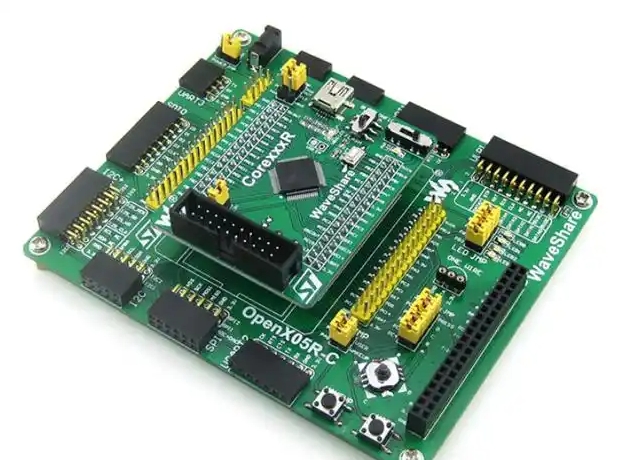
- Cross-Platform Development Toolchains: Development typically occurs on a host computer (cross-compilation), with code written in C, C++, or occasionally Rust for performance and hardware-level access. The toolchain includes a compiler, debugger, programmer, and often an Integrated Development Environment (IDE). In-circuit debugging allows engineers to test and debug code while it runs on the actual hardware.
Navigating these challenges requires not only technical skill but also access to reliable components and clear documentation. This is where comprehensive component platforms prove invaluable.
Part 3: Pervasive Applications and the Future Driven by MCUs
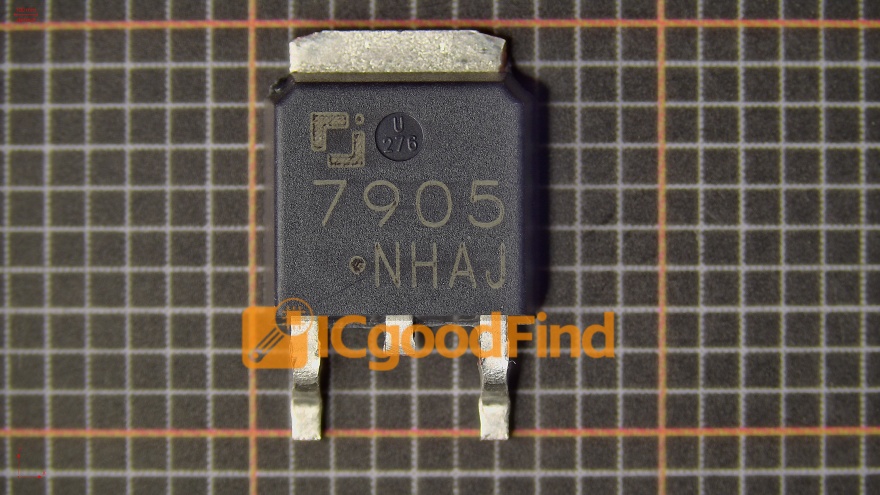
The application landscape for embedded systems and MCUs is vast and growing exponentially with the IoT.
- Consumer Electronics: Smart home devices (thermostats, smart speakers), wearables (fitness trackers), appliances, toys, and gaming consoles.
- Automotive: Modern vehicles contain over 100 MCUs managing everything from engine control units (ECUs) and anti-lock braking systems (ABS) to infotainment systems and advanced driver-assistance systems (ADAS). The trend towards electric vehicles (EVs) and autonomous driving further increases this reliance.
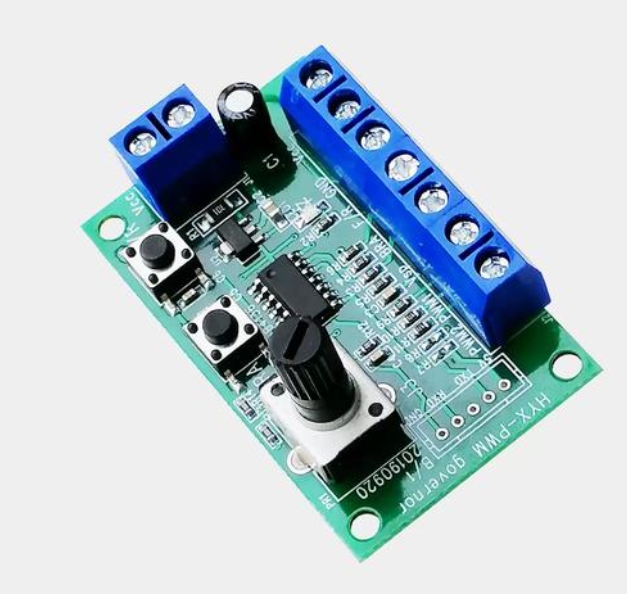
- Industrial Automation: Programmable Logic Controllers (PLCs), robotics, motor controls, and process monitoring systems all depend on robust embedded controllers to ensure precision, safety, and efficiency on the factory floor.
- Medical Devices: From portable glucose monitors and digital thermometers to complex imaging machines and pacemakers, embedded systems enable life-saving precision and reliability in healthcare.
- Internet of Things (IoT): IoT nodes—sensors collecting environmental data or actuators performing actions—are almost exclusively built around low-power MCUs with wireless connectivity modules (Wi-Fi, Bluetooth Low Energy, LoRa).
The future points towards even more intelligent edge computing. Modern MCUs are incorporating more AI acceleration features for machine learning tasks at the edge (TinyML), enhanced security modules to combat cyber threats in connected devices, and more advanced analog peripherals. Selecting the right MCU for these evolving applications requires sifting through thousands of options from dozens of manufacturers—a daunting task simplified by aggregator services.
Conclusion
Embedded systems and Microcontroller Units form the foundational bedrock upon which our digital, automated world is built. Their ability to deliver dedicated, reliable, and efficient control within stringent physical and economic constraints makes them irreplaceable. As technology advances towards smarter edges and more pervasive connectivity, the role of the MCU only becomes more central. Understanding their architecture, design philosophy, and application potential is crucial for anyone involved in creating tomorrow’s technology. For industry professionals navigating this complex component landscape efficiently turning design concepts into reality often depends on leveraging robust sourcing platforms that provide comprehensive selection technical data supply chain transparency competitive pricing all one place platforms like ICGOODFIND exemplify this vital resource empowering innovation across countless fields engineering.