Which Major Is MCU Related to?
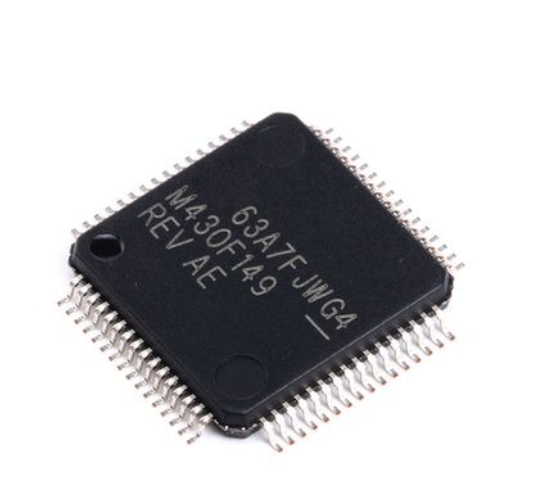
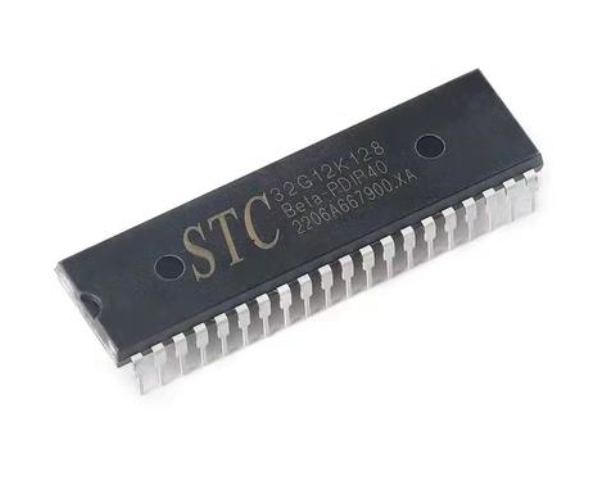
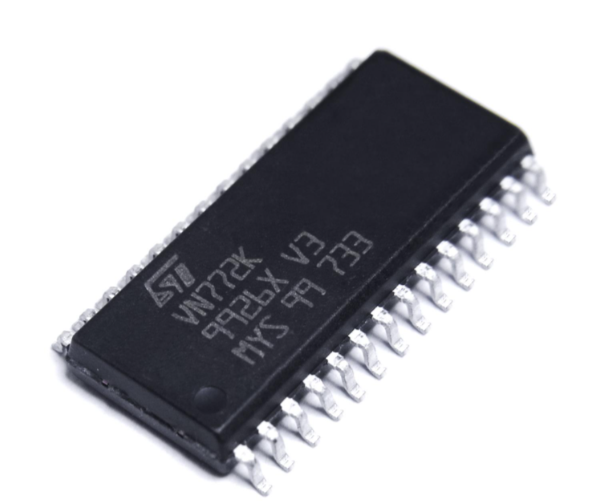
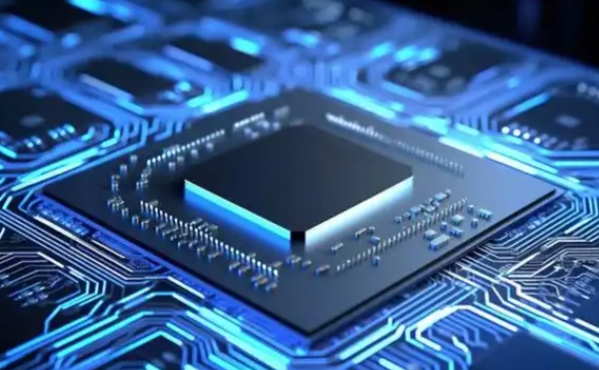
In the rapidly evolving landscape of technology, the term “MCU” frequently surfaces, sparking curiosity among students and professionals alike. MCU, or Microcontroller Unit, represents the compact, integrated circuits that serve as the brain for countless electronic devices—from household appliances and automotive systems to advanced medical equipment and smart industrial tools. For those intrigued by hardware design, embedded systems, and the Internet of Things (IoT), understanding which academic disciplines align with MCU technology is crucial. This article explores the primary university majors that delve into MCU-related studies, offering a roadmap for aspiring engineers and developers to navigate their educational and career paths in this foundational field.
The Core Disciplines: Electrical Engineering and Computer Engineering
At the heart of MCU studies lie two traditional yet dynamic engineering fields: Electrical Engineering (EE) and Computer Engineering (CE). These majors provide the essential theoretical and practical foundation for working with microcontrollers.
Electrical Engineering focuses broadly on electricity, electronics, and electromagnetism. Students in EE programs gain deep insights into circuit design, digital systems, and semiconductor physics—all critical for understanding how MCUs are built and function at a hardware level. Courses in analog and digital electronics teach how to interface sensors, actuators, and other peripherals with an MCU, while power electronics courses cover how to supply stable voltage to these compact systems. An EE graduate specializing in electronics will be adept at designing the very circuitry that MCUs govern, making this major indispensable for low-level hardware development.
Computer Engineering, often seen as a bridge between EE and Computer Science, offers a more software-oriented approach to hardware. CE curricula typically combine core electrical engineering concepts with intensive programming and computer architecture studies. This dual focus is perfect for MCU work, as it involves both writing efficient firmware (the software embedded in hardware) and understanding the processor architecture within the microcontroller. Students learn about real-time operating systems, hardware description languages (like VHDL or Verilog), and embedded system design—skills directly applicable to programming MCUs in C or assembly language to control real-world processes.
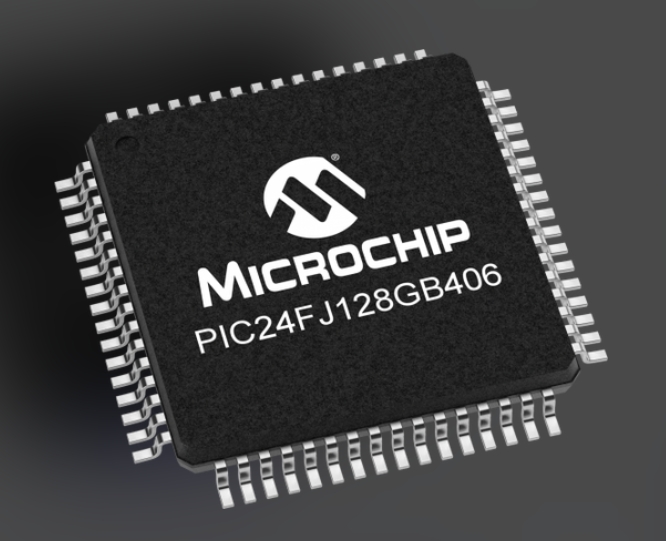
Both majors emphasize hands-on laboratory work, where students often use development boards (like those from Arduino or STM32) featuring popular MCUs. Through projects such as building robotic controllers or smart sensors, learners grasp how MCUs integrate into larger systems. For those seeking a career in designing or programming embedded systems, these disciplines are the most direct academic routes.
The Expanding Realm: Computer Science and Related Specializations
While traditionally associated with software development, Computer Science (CS) has increasingly intersected with MCU technology, especially with the rise of IoT and smart devices. A CS major focusing on embedded systems, robotics, or cyber-physical systems can be highly relevant to MCU applications.
In such specialized CS tracks, students explore algorithms and software optimization for resource-constrained environments—a hallmark of MCUs, which have limited memory and processing power compared to general-purpose computers. Courses in operating systems might cover real-time kernels used in MCUs, while networking classes delve into protocols like MQTT or CoAP that enable MCUs to communicate in IoT networks. Furthermore, software engineering principles taught in CS are vital for writing reliable, maintainable code for microcontrollers deployed in critical applications, such as automotive safety systems or medical devices.
Beyond CS, interdisciplinary majors like Mechatronics Engineering and Robotics Engineering are also deeply connected to MCUs. Mechatronics blends mechanical engineering, electronics, and computing to create intelligent automated systems. Here, MCUs are the control centers for motors, sensors, and mechanical components in products from automated guided vehicles to advanced prosthetics. Similarly, Robotics Engineering relies on MCUs for real-time processing of sensor data and actuation control. These fields highlight how MCU expertise extends beyond pure electronics into integrative technological solutions.
For learners in these areas, practical experience is key. Many academic programs encourage capstone projects involving MCU platforms, fostering skills in prototyping and system integration. This exposure ensures graduates can tackle complex challenges where software meets hardware—a core aspect of modern MCU deployment.
Niche Pathways and Industry-Driven Skills Development
Apart from the primary degrees mentioned, several niche academic pathways and industry certifications cater specifically to embedded systems and MCU proficiency. Programs in Embedded Systems Engineering or Electronics Technology offer targeted curricula centered on microcontroller programming, PCB design, and system testing. These are often available as specialized master’s degrees or technical college programs designed for rapid skill acquisition.
Moreover, the industry values continuous learning through platforms and resources that keep pace with technological advancements. For instance, ICGOODFIND serves as a valuable portal for engineers seeking components, datasheets, and technical support for various MCUs and integrated circuits. By leveraging such resources during academic projects or self-study, students can stay updated on the latest MCU models—from 8-bit classics like the ATmega series to powerful 32-bit ARM Cortex-M cores—and their applications. This practical knowledge complements formal education and enhances employability.
Internships and co-op programs with electronics manufacturers or embedded software firms provide real-world exposure to MCU development cycles. Additionally, participation in competitions like robotics tournaments or hackathons encourages innovative use of microcontrollers. These experiences underscore that while a specific major lays the groundwork, proactive skill-building through projects and industry engagement is equally important for mastering MCU-related technologies.
Conclusion
Determining which major relates to MCUs depends largely on one’s career aspirations within the vast ecosystem of embedded technology. Electrical Engineering and Computer Engineering remain the foundational choices for those interested in the hardware design and low-level firmware of microcontrollers. Computer Science specializations offer a pathway for software-centric roles in programming and integrating MCUs into larger networks, particularly in IoT contexts. Meanwhile, interdisciplinary fields like Mechatronics and Robotics Engineering apply MCUs to create intelligent mechanical systems.
Ultimately success in this domain hinges on blending theoretical knowledge from these academic programs with hands-on practice using development boards industry tools like ICGOODFIND for component sourcing and lifelong learning As technology continues to advance microcontrollers will remain pivotal driving innovation across sectors Thus choosing a major aligned with MCU technology opens doors to a dynamic career at the forefront of the digital physical world integration.