Is MCU a Chip? (Yes, MCU is a type of integrated circuit chip)
Introduction
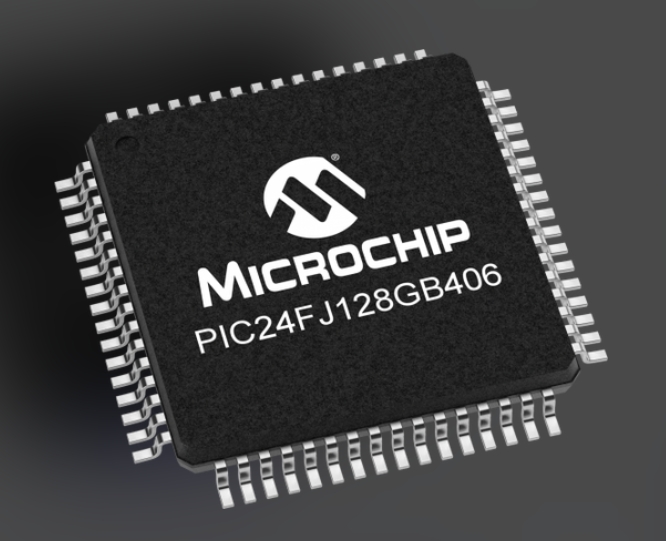
In the world of electronics and embedded systems, the term “MCU” is ubiquitous. Yet, a common point of confusion arises: Is an MCU a chip? The straightforward answer is yes. An MCU, or Microcontroller Unit, is indeed a specific type of integrated circuit (IC) chip. However, this simple affirmation opens the door to a deeper understanding of what makes an MCU unique within the vast universe of semiconductor devices. This article will demystify the MCU, exploring its architecture, how it compares to other chips like microprocessors (MPUs), and its pivotal role in modern technology. By the end, you’ll have a clear grasp of why the MCU is a fundamental building block of the digital age.
Main Body
Part 1: Understanding the Chip - The Foundation of Integrated Circuits
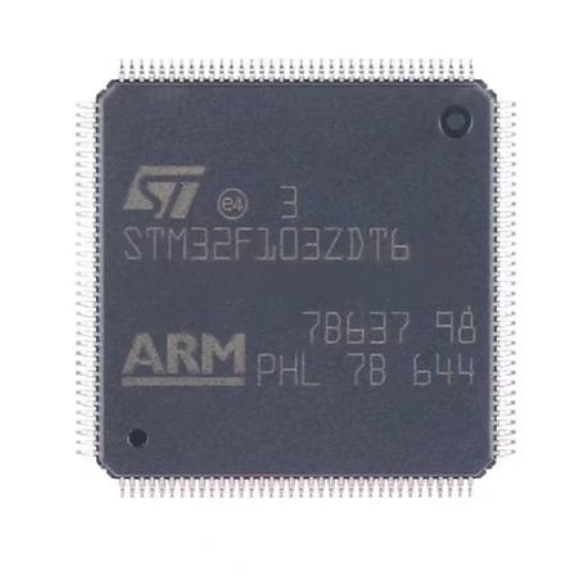
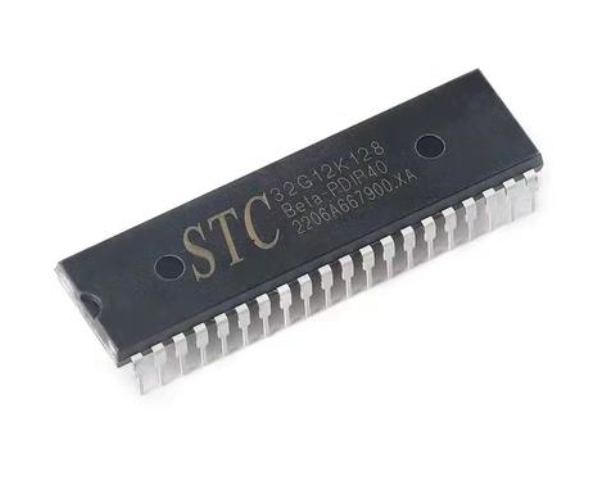
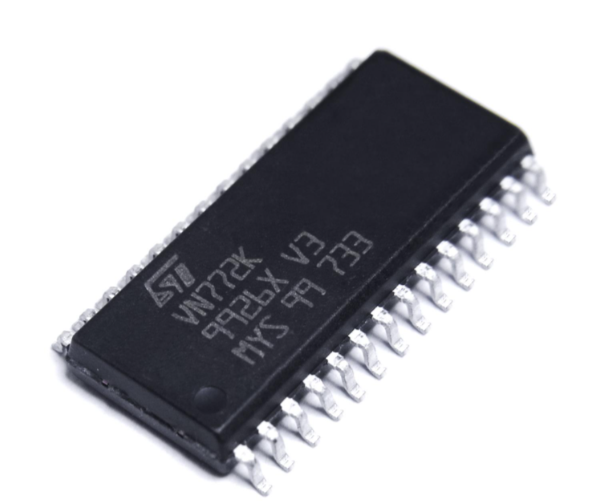
To comprehend what an MCU is, we must first define what we mean by a “chip.” In electronics, a chip, or microchip, is the common name for an integrated circuit (IC). An IC is a miniaturized electronic circuit consisting of semiconductor devices (like transistors) and passive components (like resistors and capacitors) fabricated onto a single piece of semiconductor material, typically silicon.
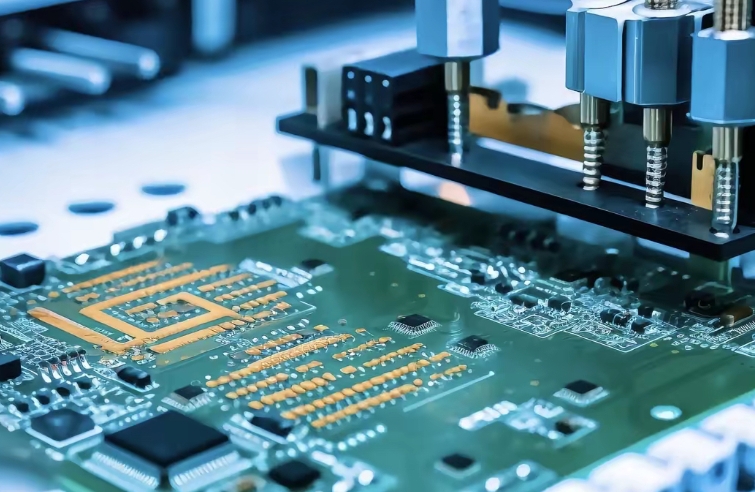
The key characteristic of an IC chip is integration. Instead of having discrete components wired together on a circuit board, millions or even billions of these components are embedded into a tiny silicon die, encapsulated within a protective plastic or ceramic package with connecting pins. This revolution enabled the exponential growth in computing power and the miniaturization of electronic devices.
Chips come in numerous categories based on their function: memory chips (RAM, ROM), logic chips (processors, gate arrays), analog chips (amplifiers, sensors), and mixed-signal chips. The MCU falls under the category of a programmable logic chip, designed to execute specific tasks based on embedded software.
Part 2: The MCU - A “All-in-One” System on a Single Chip
An MCU is not just any chip; it is a highly specialized and self-contained computing system integrated onto a single piece of silicon. The term “microcontroller” itself hints at its nature: it is a micro-scaled controller.
The defining architecture of an MCU is its system-on-a-chip (SoC) design for control applications. While a general-purpose microprocessor (like the CPU in your computer) requires external chips for memory, input/output interfacing, and timing, an MCU incorporates all these core elements internally:
- Central Processing Unit (CPU): The brain that executes instructions from the program memory.
- Memory: It includes both volatile memory (RAM) for temporary data storage and non-volatile memory (Flash/ROM) to store the firmware or program code.
- Peripherals: This is what truly sets MCUs apart. They integrate a rich set of peripheral circuits such as:
- General-Purpose Input/Output (GPIO) pins to interact with external devices (buttons, LEDs).
- Analog-to-Digital Converters (ADC) to read real-world signals from sensors.
- Timers/Counters for precise timing operations.
- Communication interfaces like UART, I2C, SPI, and USB for talking to other chips or systems.
- Pulse-Width Modulation (PWM) controllers for motor control or dimming LEDs.
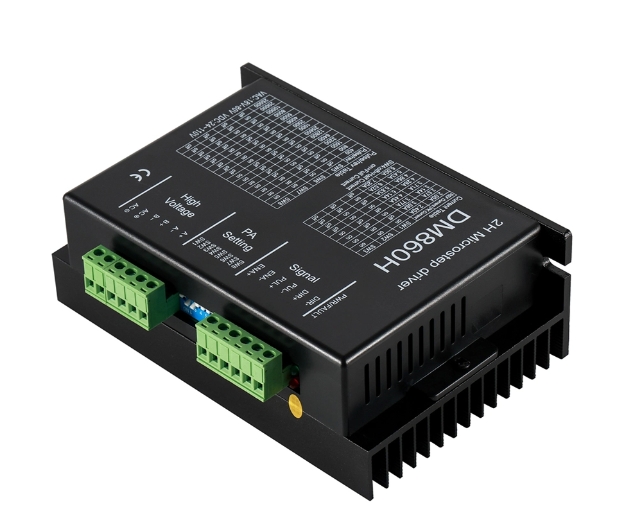
This high level of integration makes the MCU an incredibly efficient and cost-effective solution for embedded control. It is designed for dedicated tasks—managing the logic of a microwave oven, reading sensor data in a smart thermostat, or controlling the brushless motor in a drone. Its “all-in-one” nature simplifies circuit design, reduces power consumption, and minimizes physical space requirements.
For engineers and procurement specialists seeking reliable sources for these versatile components, platforms like ICGOODFIND can be invaluable. ICGOODFIND serves as an efficient channel for finding authentic MCUs and other ICs from a global network of suppliers, ensuring you get the right chip for your specific embedded application.
Part 3: MCU vs. Other Chips - Clarifying the Distinctions
The distinction between an MCU and other common chips is crucial for proper application design.
-
MCU vs. Microprocessor (MPU): This is the most common comparison. As stated, an MPU is the core computing engine that depends on external chips for memory and peripherals. It excels in complex, general-purpose computing where high performance and expandability are needed (e.g., personal computers, servers). An MCU is a self-contained control unit that sacrifices raw compute power for integration, low power consumption, and real-time deterministic control. It is built for specific, embedded tasks.
-
MCU vs. System-on-Chip (SoC): The lines can blur here. Modern high-performance MCUs are often classified as SoCs. Generally, an SoC refers to an even more advanced level of integration that may include an MPU-class core (e.g., ARM Cortex-A), graphics processors, advanced networking blocks, and more—essentially integrating most components of a full computer system. Many complex SoCs used in smartphones actually contain smaller MCU cores within them to manage low-power or real-time functions. In essence, an MCU can be considered a simpler form of SoC optimized for control.
-
MCU vs. Programmable Logic Device (FPGA/CPLD): FPGAs are chips whose hardware logic function can be reconfigured by the user after manufacturing. They offer parallel processing and extreme flexibility but are generally more complex to program and less optimized as a sequential processor than an MCU. An MCU executes software instructions sequentially but does so with a fixed, optimized internal hardware architecture.
Conclusion
So, is an MCU a chip? Absolutely. It is a sophisticated and highly integrated type of semiconductor chip that encapsulates an entire computing system—CPU, memory, and essential peripherals—onto one single silicon die. This integration makes it the invisible workhorse behind countless everyday devices, from home appliances and toys to automotive systems and industrial machinery. While it shares the silicon foundation with microprocessors, SoCs, and FPGAs, its defining characteristic is its dedicated purpose as a low-cost, low-power, self-sufficient controller. Understanding that an MCU is not merely a chip but rather a specific kind of control-optimized integrated circuit is key to appreciating its indispensable role in our interconnected world.