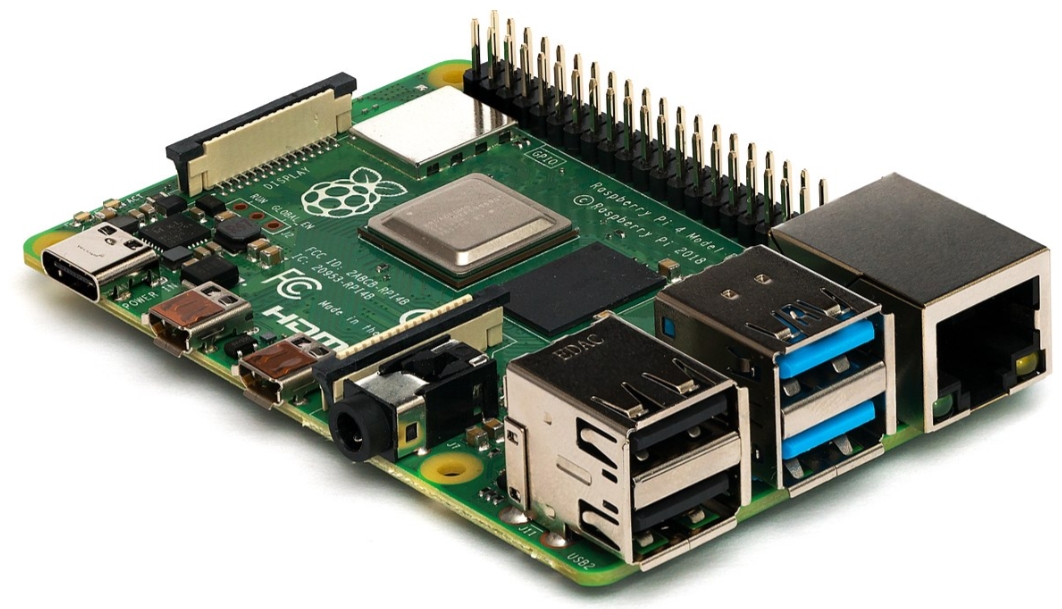
Is MCU a Microcontroller? (Yes, MCU stands for Microcontroller Unit)
Introduction
In the vast and intricate world of electronics and computing, acronyms are ubiquitous. For engineers, hobbyists, and students alike, few acronyms are as fundamental and yet as frequently questioned as MCU. When you encounter terms like MCU, microcontroller, and microprocessor, it’s easy to wonder if they are interchangeable or if they represent distinct concepts. This article aims to dispel any confusion definitively. The short answer is a resounding yes: an MCU is indeed a microcontroller. In fact, MCU is the acronym for Microcontroller Unit. This piece will delve deep into the anatomy of an MCU, demystify its core components, explore its diverse applications that power our modern world, and clarify how it differs from its more generalized cousin, the microprocessor. Understanding the MCU is crucial for anyone involved in designing intelligent, efficient, and embedded electronic systems.
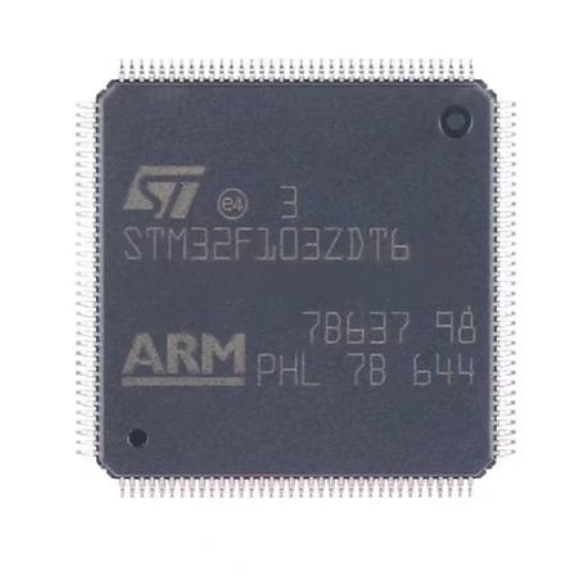
The Core Anatomy of an MCU: A System on a Single Chip
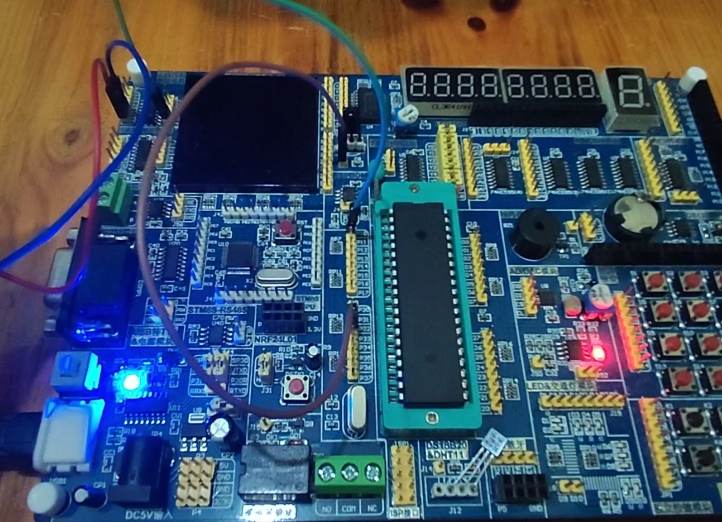
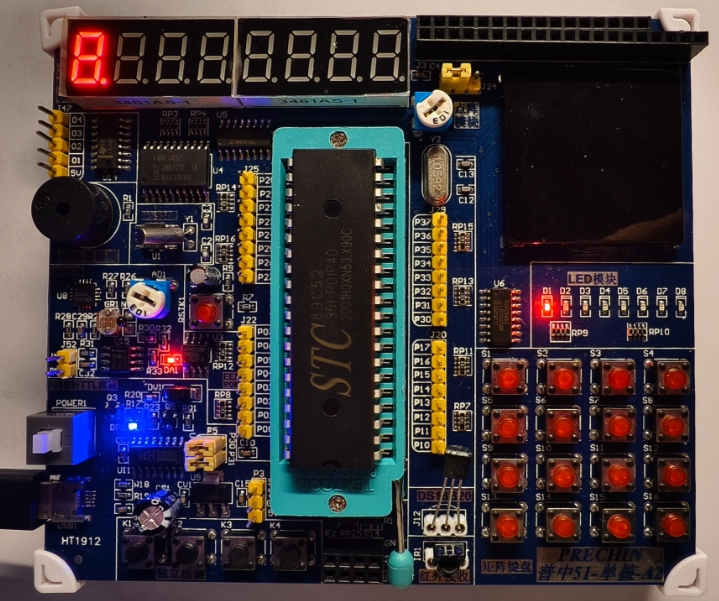
At its heart, an MCU is a compact integrated circuit designed to govern a specific operation in an embedded system. Think of it as a self-contained, miniature computer engineered to execute a single set of tasks reliably and efficiently. Its power lies in its integration; unlike a general-purpose computer that relies on separate components connected via a motherboard, an MCU consolidates all the primary elements of a computer onto a single piece of silicon. This “all-in-one” design is what makes it small, cost-effective, and power-efficient—the holy trinity of embedded systems design.
The fundamental components that constitute a typical MCU include:
- The Central Processing Unit (CPU): This is the brain of the MCU. It executes instructions from the device’s memory, performing arithmetic, logical, control, and input/output (I/O) operations. The CPU in an MCU is typically much less powerful than the one in your laptop or smartphone, but it is perfectly suited for its dedicated control tasks. These CPUs are often based on architectures like ARM, AVR, PIC, or RISC-V.
- Memory: An MCU contains two primary types of memory on-chip.
- Flash Memory (ROM): This is non-volatile memory used to store the program code—the firmware—that the MCU is built to run. Because it’s non-volatile, the program persists even when the power is cycled.
- RAM (SRAM): This is volatile memory used for temporary data storage during program execution. It holds variables, the stack, and other dynamic data, but this information is lost when power is removed.
- Peripherals: This is what truly defines an MCU and differentiates it from a simple processor. Peripherals are the dedicated hardware blocks that allow the MCU to interact with the outside world. Common peripherals integrated into an MCU include:
- General-Purpose Input/Output (GPIO) Pins: These configurable pins can be set as either inputs (to read a sensor value) or outputs (to control an LED or motor).
- Analog-to-Digital Converters (ADC): These allow the MCU to read analog signals from the real world (like temperature from a thermistor or light intensity from a photoresistor) and convert them into digital values that the CPU can process.
- Digital-to-Analog Converters (DAC): The inverse of an ADC, a DAC converts digital values from the CPU into analog signals (like for generating sound waves).
- Communication Interfaces: Essential for connectivity, MCUs commonly include peripherals like UART (Universal Asynchronous Receiver/Transmitter), I²C (Inter-Integrated Circuit), SPI (Serial Peripheral Interface), and increasingly, CAN bus for automotive applications or even Wi-Fi and Bluetooth modules in more advanced System-on-Chips (SoCs).
- Timers and Counters: These are crucial for tasks that require precise timing, such as generating Pulse-Width Modulation (PWM) signals for motor control or creating precise delays.
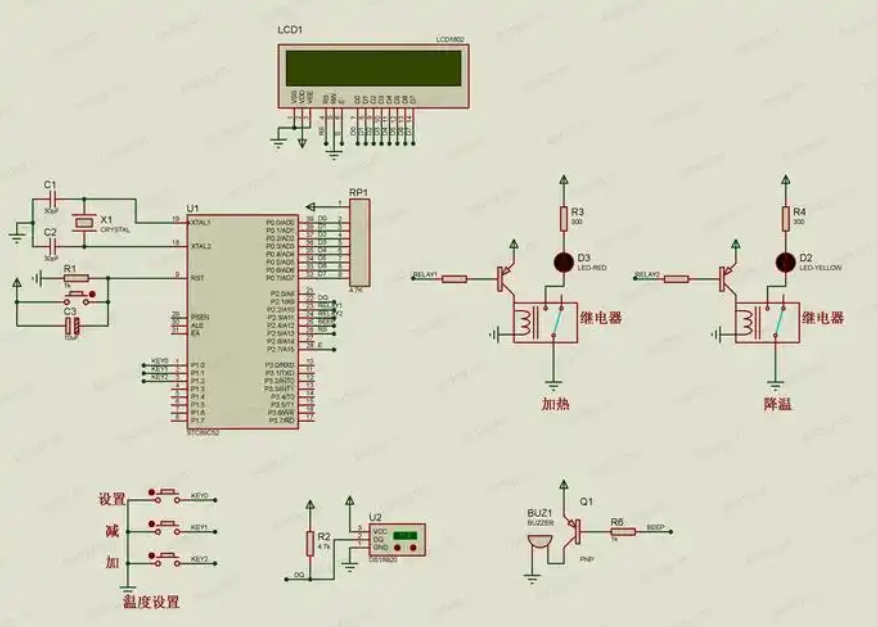
This high level of integration means that for many simple applications, an MCU can function with minimal external components—sometimes just a power supply and a clock crystal—making it an incredibly elegant and efficient solution.
MCUs vs. Microprocessors: A Critical Distinction
One of the most common sources of confusion is the difference between a microcontroller (MCU) and a microprocessor (MPU). While they both contain a CPU at their core, their design philosophy and application are fundamentally different.
A microprocessor (MPU) is essentially just the CPU. To create a functional system, it requires external components: separate RAM chips, ROM chips (like a hard drive or SSD), and peripheral interface chips must be added to the motherboard. This results in a more powerful but larger, more expensive, and more power-hungry system. MPUs are the engines of general-purpose computers like desktops, laptops, and servers, where performance and flexibility are paramount.
In stark contrast, a microcontroller (MCU) is a complete computer system on a single chip. As detailed above, it includes the CPU, memory, and peripherals all integrated together. This makes it ideal for embedded control applications where cost, size, and power consumption are critical constraints.
To use an analogy: an MPU is like a professional kitchen with separate, high-powered appliances (a stand-alone oven, blender, refrigerator). It’s incredibly versatile and powerful but takes up a lot of space. An MCU is like a compact kitchenette with a microwave, mini-fridge, and hot plate all built into one unit. It’s designed for a specific environment (like a small apartment or hotel room) where space and efficiency are key. For developers seeking reliable components for their projects across this spectrum of needs—from simple 8-bit MCUs to complex 32-bit powerhouses—platforms like ICGOODFIND serve as invaluable resources for sourcing and comparing these critical components.
The Ubiquitous Applications of MCUs: Powering the Modern World
The true testament to the MCU’s success is its invisibility. We don’t “see” them because they are embedded deep within countless devices that form the fabric of our daily lives. Their low cost and high efficiency have made them the default “brain” for virtually every modern electronic gadget that requires automated control.
Here are just a few domains where MCUs are indispensable:
- Consumer Electronics: From your microwave oven and washing machine to your TV remote, smartwatch, and wireless headphones. They read button presses, control displays, manage power, and execute device-specific functions.
- Automotive Systems: A modern car can contain dozens of MCUs. They control everything from engine management units (ECUs) and anti-lock braking systems (ABS) to airbag deployment, infotainment systems, and power windows.
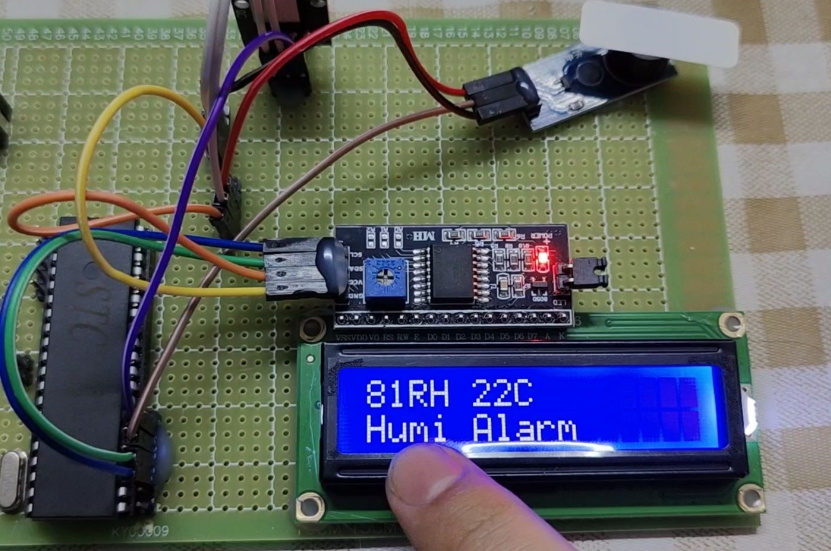
- The Internet of Things (IoT): MCUs are the heart of IoT devices. They collect data from sensors (temperature, humidity, motion), process it locally to make decisions (a smart thermostat deciding to turn on the AC), and communicate wirelessly with networks via Wi-Fi or Bluetooth modules.
- Industrial Automation: In factories, MCUs are used in Programmable Logic Controllers (PLCs) to control machinery, robotic arms, conveyor belts, and monitor complex industrial processes with high reliability.
- Medical Devices: Many portable medical devices, such as blood glucose meters, digital thermometers, infusion pumps, and heart rate monitors, rely on MCUs for accurate sensing, data processing, and user interface management.
This incredible versatility stems from the wide variety of available MCUs. They range from simple 8-bit devices with minimal memory for basic tasks to powerful 32-bit ARM Cortex-M based chips capable of running real-time operating systems (RTOS) and handling complex digital signal processing.
Conclusion
To circle back to the initial question: “Is MCU a Microcontroller?” The answer remains an unequivocal yes. The term MCU is not just synonymous with microcontroller; it is its direct acronym—Microcontroller Unit. It represents a paradigm of efficient engineering: a full computing system masterfully miniaturized onto a single chip. By integrating the CPU, memory, and a rich set of peripherals into one package,the MCU has become the cornerstone of embedded systems design. It has democratized intelligence in electronics,fueling innovation across every industry from consumer gadgets to advanced industrial automation.As technology continues to evolve towards greater connectivity and smarter edge devices,the role of the humble yet powerful MCU will only become more central,making its understanding essential for anyone looking to shape the future of technology.