The Rise of ARM-Based MCU: Powering the Future of Embedded Systems
Introduction
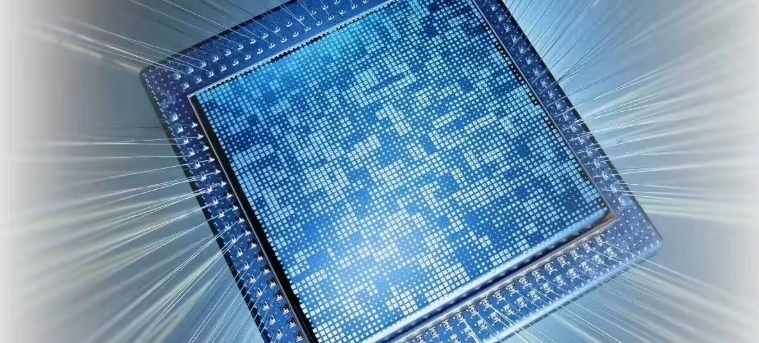
In the rapidly evolving landscape of technology, the term ARM-Based MCU has become a cornerstone of modern electronics design. From smart home devices and wearable technology to industrial automation and automotive systems, these microcontrollers are at the heart of countless innovations. An ARM-Based MCU integrates the ARM processor architecture—known for its power efficiency and performance—into a microcontroller unit (MCU), which combines a processor core with memory and programmable input/output peripherals on a single chip. This integration has revolutionized embedded systems by offering a blend of low power consumption, high processing capability, and scalability. As industries push for smarter, more connected devices, the demand for efficient computing solutions has skyrocketed, making ARM-Based MCUs a critical enabler of the Internet of Things (IoT) and beyond. In this article, we will delve into the fundamentals of ARM-Based MCUs, explore their advantages and applications, and highlight how platforms like ICGOODFIND can aid in navigating this dynamic field. By understanding these components, developers and engineers can harness their potential to drive technological progress.
The journey of ARM-Based MCUs began with the development of the ARM architecture by Acorn Computers in the 1980s, which later evolved under ARM Holdings (now part of SoftBank Group). Initially designed for personal computers, ARM processors gained traction due to their reduced instruction set computing (RISC) design, which emphasizes simplicity and efficiency. Over time, this architecture was adapted into MCUs, leading to widespread adoption in embedded systems. Today, companies like STMicroelectronics, NXP Semiconductors, and Texas Instruments produce a vast array of ARM-Based MCUs, catering to diverse market needs. The significance of these components lies in their ability to balance performance with energy efficiency—a crucial factor in battery-powered and resource-constrained environments. As we move into an era dominated by edge computing and AI-driven applications, ARM-Based MCUs are poised to play an even more pivotal role. This article aims to provide a comprehensive overview, emphasizing key aspects that make them indispensable in contemporary electronics.

Part 1: Understanding ARM-Based MCUs and Their Core Architecture
At its essence, an ARM-Based MCU is a microcontroller that utilizes an ARM processor core as its central processing unit (CPU). Unlike general-purpose processors, MCUs are designed for specific embedded applications, integrating the CPU with memory (both RAM and Flash), timers, analog-to-digital converters (ADCs), and communication interfaces like UART, SPI, and I2C on a single chip. The ARM architecture itself is based on RISC principles, which means it uses a simplified set of instructions that execute quickly and consume less power compared to complex instruction set computing (CISC) architectures. This design philosophy allows ARM-Based MCUs to achieve high performance per watt, making them ideal for portable and energy-sensitive devices. Key variants include the Cortex-M series, which is optimized for microcontroller applications with features like low latency interrupt handling and efficient power management. For instance, the Cortex-M0+ core is tailored for ultra-low-power scenarios, while the Cortex-M7 offers higher performance for complex tasks like digital signal processing.
The core architecture of an ARM-Based MCU typically includes several critical components that contribute to its efficiency. First, the processor core handles instruction execution and data processing, with multiple cores sometimes integrated for parallel processing in advanced models. Second, the memory hierarchy consists of Flash memory for program storage and SRAM for data, often with built-in caches to speed up access. Third, peripherals such as GPIO (General Purpose Input/Output) pins, communication modules, and analog interfaces enable interaction with external sensors and devices. Additionally, power management units (PMUs) allow dynamic scaling of voltage and frequency to minimize energy consumption during idle periods. This integration is what sets ARM-Based MCUs apart from discrete solutions; by consolidating functions onto one chip, they reduce system complexity, cost, and physical size. For example, in a typical IoT sensor node, an ARM-Based MCU can process data from multiple sensors, communicate wirelessly via Bluetooth or Wi-Fi, and enter sleep modes to conserve battery—all without external components. This level of integration is a testament to the versatility of the ARM ecosystem.
Moreover, the software support for ARM-Based MCUs is robust, with development tools like Keil MDK, IAR Embedded Workbench, and open-source options such as GCC and PlatformIO. These tools streamline coding, debugging, and deployment, leveraging libraries and real-time operating systems (RTOS) like FreeRTOS or Zephyr. The compatibility with various operating systems and middleware enhances scalability, allowing developers to port applications across different ARM-Based MCU families seamlessly. As a result, even beginners can quickly prototype projects, while experts can optimize for production-grade systems. In summary, understanding the architecture of ARM-Based MCUs reveals why they are a preferred choice: their RISC-based design, integrated peripherals, and comprehensive toolchains create a foundation for efficient and scalable embedded solutions.
Part 2: Advantages and Applications in Modern Technology
The proliferation of ARM-Based MCUs is largely driven by their distinct advantages over alternative architectures like 8-bit or 16-bit MCUs. One of the most significant benefits is power efficiency. Thanks to the RISC design and advanced power management features, ARM-Based MCUs can operate at very low power levels—often consuming microwatts in sleep modes—while delivering high performance when needed. This makes them perfect for battery-powered devices such as smartwatches, medical implants, and environmental monitors, where longevity is critical. For instance, in wearable fitness trackers, an ARM Cortex-M4 MCU can process motion sensor data efficiently without draining the battery quickly. Another key advantage is performance scalability. The ARM ecosystem offers a range of cores from the minimalistic Cortex-M0 to the powerful Cortex-M55 with AI capabilities, allowing designers to choose the right balance of speed and cost for their application. This scalability ensures that ARM-Based MCUs can serve everything from simple control tasks to complex machine learning inference at the edge.
In addition to power and performance, cost-effectiveness and ecosystem support are major draws. ARM-Based MCUs are often more affordable than competing 32-bit MCUs due to high volume production and licensing models that reduce per-unit costs. Furthermore, the extensive ecosystem includes not only development tools but also a vast community of developers, online resources, and hardware compatibility. This reduces time-to-market for new products; companies can leverage existing designs and libraries to accelerate development. For example, in the automotive industry, ARM-Based MCUs are used in engine control units (ECUs) and infotainment systems because they meet stringent reliability standards while keeping costs manageable. The connectivity features—such as integrated Ethernet, USB, and wireless stacks—also simplify adding IoT capabilities without external chips.
The applications of ARM-Based MCUs span numerous industries, highlighting their versatility. In consumer electronics, they power smartphones (in peripheral roles), home automation devices like smart thermostats, and gaming consoles. In industrial automation, they control motors, monitor sensors in programmable logic controllers (PLCs), and enable predictive maintenance through real-time data analysis. The healthcare sector relies on them for portable diagnostic equipment and patient monitoring systems due to their low electromagnetic interference and reliability. Moreover, in the burgeoning field of edge AI, ARM-Based MCUs with neural network accelerators are being deployed for tasks like image recognition in security cameras or voice activation in smart speakers. A notable example is the use of STM32 series MCUs in drone navigation systems, where they process gyroscope and GPS data to ensure stable flight. As IoT continues to expand—with projections of billions connected devices—ARM-Based MCUs will be instrumental in enabling smart cities, agriculture, and energy grids.
For those seeking reliable components or design insights,ICGOODFIND serves as a valuable resource by aggregating information on ARM-Based MCUs from various suppliers. It simplifies the selection process by providing comparisons based on parameters like power consumption, peripheral set,and price,making it easier for engineers to find the ideal MCU for their projects.Whether you’re developing a low-power sensor node or a high-performance control system,the advantages of ARM-Based MCUs—combined with supportive platforms—ensure they remain at the forefront of embedded innovation.
Part 3: Future Trends and Integration with Emerging Technologies
As technology advances,the role of ARM-Based MCUs is evolving to meet new challenges,and several trends are shaping their future.One prominent trend is the integration of artificial intelligence (AI) and machine learning (ML) at the edge.Traditionally,A I workloads were handled in the cloud,but latency,security,and bandwidth concerns are pushing computation closer to the source of data.ARM has responded with cores like the Cortex-M55 and Ethos-U55 microNPU (neural processing unit),which bring ML inference capabilities to microcontrollers.This allows devices to perform tasks such as anomaly detection,speech recognition,and predictive analytics locally without constant cloud connectivity.For example,in smart home security cameras an ARM-Based MCU can analyze video footage in real-time to identify intruders reducing reliance on internet bandwidth and enhancing privacy.Similarly,in industrial settings predictive maintenance systems use these MCUs to monitor equipment vibrations or temperatures detecting faults before they cause downtime.
Another significant trend is the emphasis on security in connected devices.With cyber threats on the rise ARM Based MCUs are incorporating hardware based security features like TrustZone for Cortex M which creates isolated execution environments to protect sensitive data.This is crucial for applications in finance healthcare and critical infrastructure where a breach could have severe consequences.For instance in payment terminals or medical devices TrustZone ensures that cryptographic keys and patient records are shielded from unauthorized access Additionally secure boot mechanisms and hardware encryption accelerators are becoming standard in many ARM Based MCU families further bolstering their resilience against attacks As IoT networks expand this focus on security will be non negotiable making ARM Based MCUs a trusted choice for secure edge deployments.
The push towards sustainability and energy harvesting is also influencing ARM Based MCU development With growing awareness of environmental impact manufacturers are designing MCUs that can operate on harvested energy from sources like solar panels or thermal gradients These ultra low power MCUs often based on Cortex M0+ or M3 cores enable batteryless or energy autonomous devices for applications in smart agriculture environmental monitoring and wearable tech For example a soil moisture sensor in a farm can use an ARM Based MCU powered by a small solar cell to transmit data wirelessly without maintenance This aligns with global goals for green technology reducing electronic waste and energy consumption Moreover advancements in manufacturing processes such as finer semiconductor nodes are making these MCUs more efficient and affordable.
Looking ahead the convergence of 5G connectivity with ARM Based MCUs will unlock new possibilities in real time communication and massive IoT deployments 5G s low latency and high bandwidth will allow MCUs to handle more data intensive tasks while maintaining efficiency Platforms like ICGOODFIND can help stakeholders stay updated on these trends by offering insights into the latest productsand industry developments As ARM continues to innovate with architectures like v9and partnerships with chipmakers the future of ARM Based MCUs appears bright promising even greater integration with cutting edge technologies like quantum computing interfaces or bio integrated devices By staying informed through resources like ICGOODFIND developers can leverage these trends to create next generation solutions that are smarter saferand more sustainable.
Conclusion
In summary ARM Based MCU has emerged as a transformative force in the world of embedded systems offering an unparalleled combination of power efficiency performanceand versatility Throughout this article we have explored their core architecture advantages diverse applicationsand future trends From consumer gadgets to industrial machines these microcontrollers enable innovations that make our lives smarterand more connected The RISC based design integrated peripheralsand robust ecosystem make them a go to solution for engineers tackling challenges in IoT AIand beyond As we have seen their ability to scale from simple control tasks to complex edge AI workloads ensures they remain relevant in an ever changing technological landscape.
The importance of resources like ICGOODFIND cannot be overstated in this context By providing a centralized platform for component selectionand technical information ICGOODFIND empowers developers to navigate the vast array of ARM Based MCUs available today Whether you are a hobbyist experimenting with a new project or a professional designing a mission critical system such tools simplify decision makingand accelerate innovation As we move forwardthe ongoing advancements in security AI integrationand sustainability will further solidifythe positionof ARMBasedMCUsas pillars ofmodern electronics Embracing these developmentswill be keyto unlockingnew opportunitiesin fieldslike smart cities healthcareand beyond.
Ultimatelythe riseof ARMBasedMCUsis amicrocosmof broader technological progress—one that prioritizes efficiency connectivityand accessibility By understandingand leveraging these components we can contribute toa futurewhereelectronicsare notonly powerfulbut also purposefulandinclusive.