Difference Between MCU and Embedded Systems
Introduction
In the realm of electronics and computing, the terms “Microcontroller Unit (MCU)” and “Embedded System” are frequently used, often interchangeably, leading to confusion among students, hobbyists, and even professionals. While they are intimately related, they represent distinct concepts. An MCU is a specific hardware component, whereas an embedded system is a comprehensive, purpose-built computing system that often incorporates an MCU as its core. Understanding this distinction is crucial for anyone involved in product design, system architecture, or software development for specialized devices. This article will demystify these terms, explore their relationship, and highlight their unique roles in modern technology.
Main Body
Part 1: Defining the Core Components - What is an MCU?
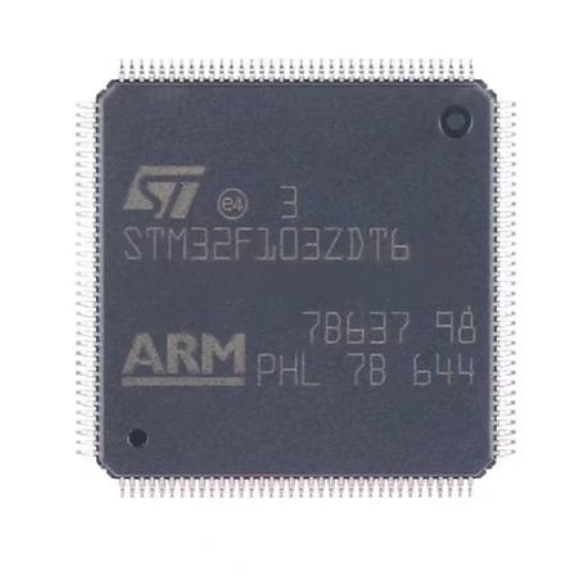
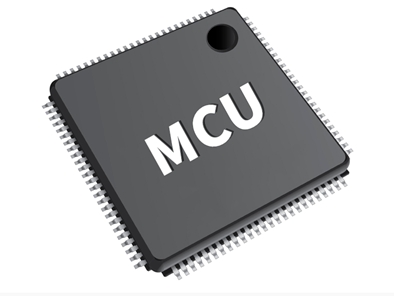
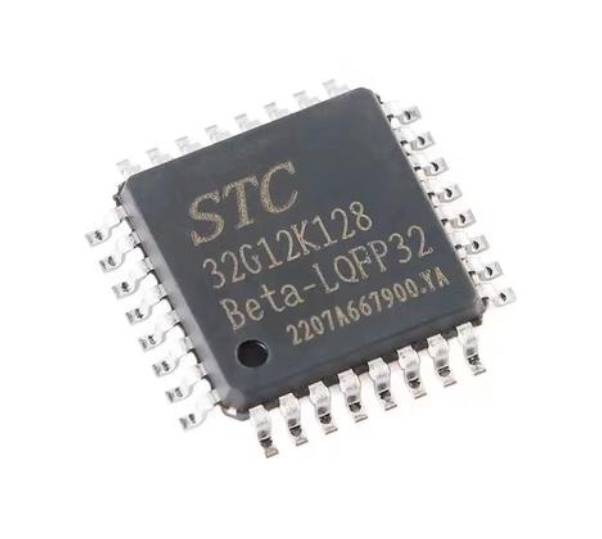
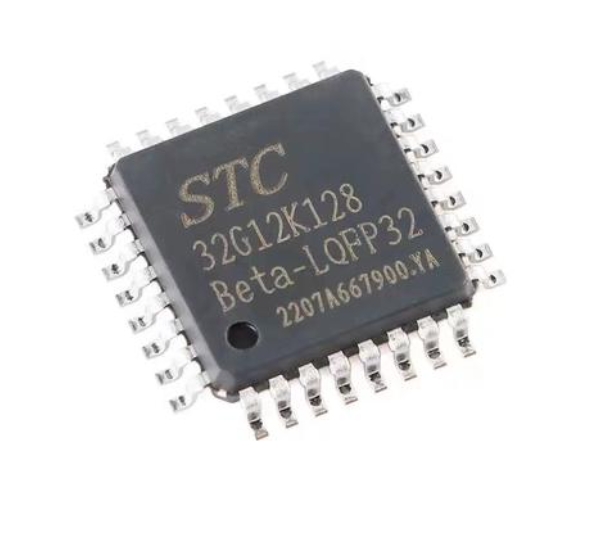
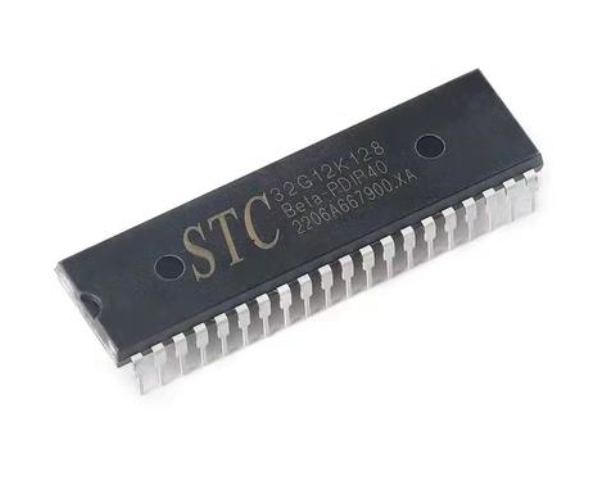
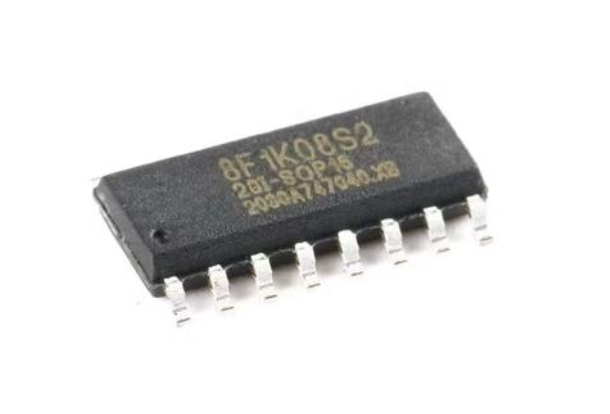
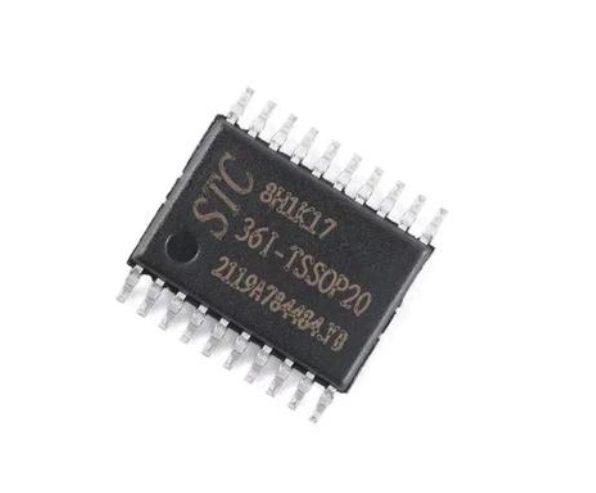
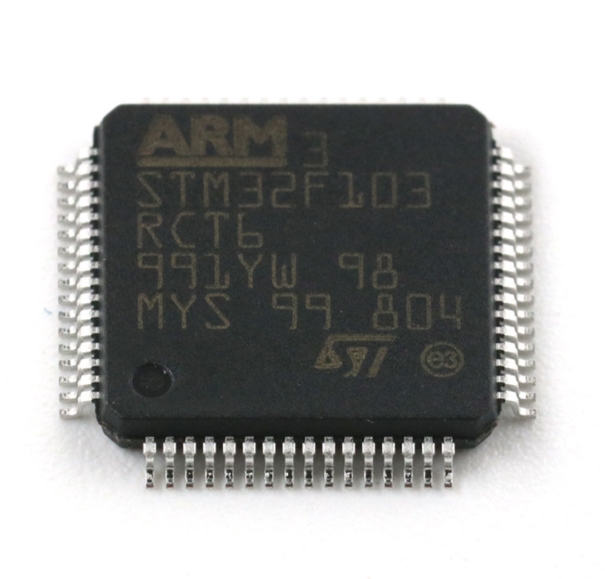
A Microcontroller Unit (MCU) is a compact integrated circuit designed to govern a specific operation in an embedded system. Think of it as a self-contained miniature computer on a single chip.
At its heart, an MCU integrates a processor core (CPU), memory (both RAM and ROM/Flash), and programmable input/output peripherals. These peripherals can include timers, analog-to-digital converters (ADCs), serial communication interfaces (like UART, SPI, I2C), and pulse-width modulation (PWM) controllers. This all-in-one design is its defining characteristic. Unlike a general-purpose microprocessor (like those in PCs), which requires external chips for memory and peripheral interfaces, an MCU consolidates these elements to minimize cost, size, and power consumption.
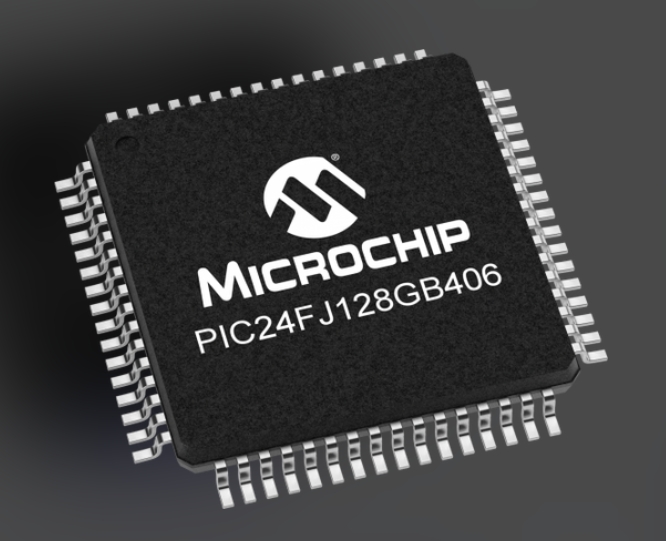
MCUs are engineered for dedicated control tasks. They execute firmware—low-level software permanently stored in their memory—to interact directly with the physical world. For instance, an MCU in a microwave oven reads button inputs, drives the digital display, controls the magnetron’s power via a relay, and beeps the buzzer—all based on its pre-programmed instructions. Popular MCU families include the ARM Cortex-M series, Microchip’s PIC microcontrollers, Atmel’s AVR (used in many Arduino boards), and Espressif’s ESP32.
Part 2: Understanding the Broader Picture - What is an Embedded System?
An embedded system is a dedicated computer system designed to perform one or a few specific functions, often with real-time computing constraints. It is “embedded” as a sub-system within a larger mechanical or electrical system.
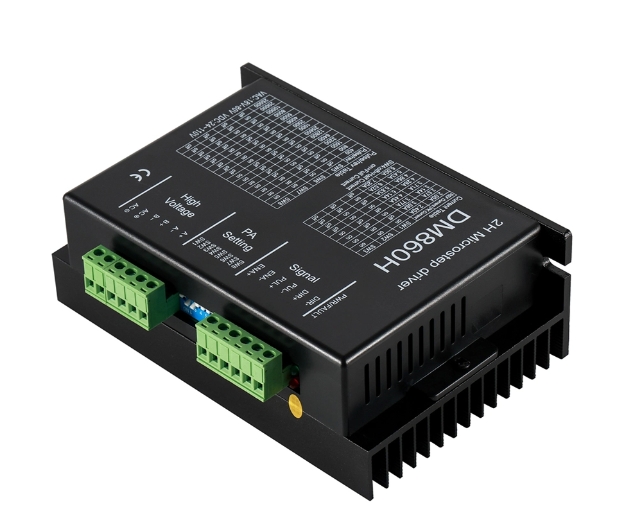
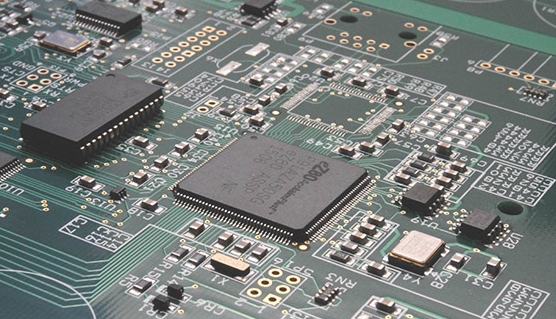
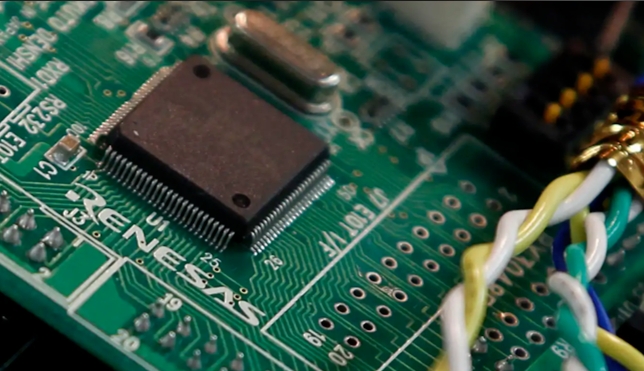
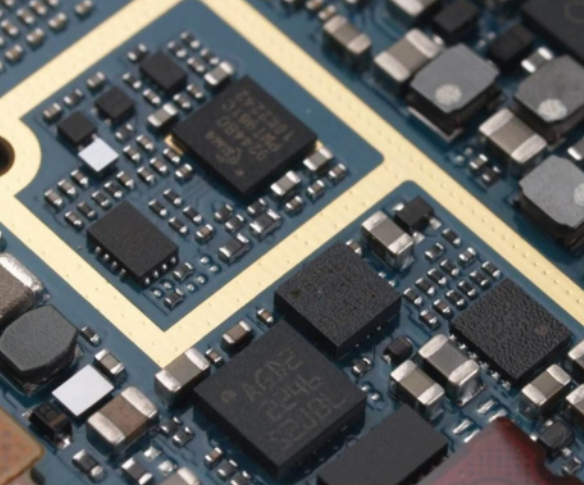
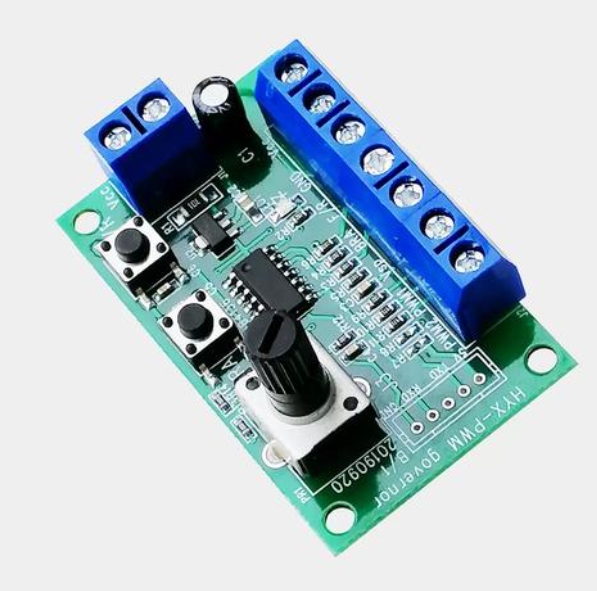
An embedded system is a complete functional unit comprising hardware and software tailored for a particular application. Its hardware typically includes: * A computational engine (which is often an MCU, but could also be a microprocessor (MPU), Digital Signal Processor (DSP), or even an FPGA). * Power supply circuitry. * Memory components (which may supplement the internal memory of the MCU/MPU). * Application-specific interfaces and sensors (e.g., temperature sensors, GPS modules). * Actuators to affect the physical world (e.g., motors, screens).
The software layer is equally critical. It includes the firmware running on the MCU/MPU, but may also involve a real-time operating system (RTOS), device drivers, middleware, and the application software itself. The complexity can range from a simple control loop on a bare-metal MCU to a sophisticated Linux-based system on an MPU.
The key attribute of an embedded system is its application-specific nature. Examples are everywhere: from the anti-lock braking system (ABS) in your car and smart thermostats in your home to industrial robots and medical imaging machines. Each is a self-contained ecosystem where computing is invisible to the user but essential to functionality.
Part 3: Clarifying the Relationship and Key Differences
This is where the distinction becomes clear. The relationship is hierarchical: an MCU is very commonly a fundamental component within an embedded system, serving as its brain. However, not all embedded systems use an MCU (some use MPUs or DSPs), and an MCU by itself is not a complete embedded system—it requires supporting circuitry and software.
Here are the synthesized differences:
| Aspect | Microcontroller Unit (MCU) | Embedded System |
|---|---|---|
| Definition | A specific type of integrated circuit (IC) or chip. | A complete, application-specific combination of hardware and software. |
| Scope | Component-level. It is a part. | System-level. It is the whole functional unit. |
| Composition | Primarily silicon: CPU core, memory, I/O peripherals on one die. | Hardware (which may include an MCU, other ICs, PCB) + Software + Mechanical parts. |
| Design Goal | To be a compact, low-cost, low-power control unit. | To fulfill a dedicated function reliably within larger product constraints. |
| Flexibility | Programmable for various control tasks but limited by its on-chip resources. | Tailored for one primary task; its entire architecture is optimized for that purpose. |
| Complexity | Relatively low complexity as a component. Can be simple 8-bit or complex 32-bit cores. | Can range from low complexity (a digital alarm clock) to extremely high complexity (an autonomous vehicle subsystem). |
| Development Focus | Chip architecture, peripheral configuration, firmware development in C/C++/Assembly. | System architecture, hardware-software co-design, integration, reliability, and meeting real-world constraints. |
To use an analogy: If an embedded system is a modern car, the MCU might be the Engine Control Unit (ECU) chip inside it. The car (embedded system) has a body, wheels, seats, and multiple electronic subsystems. The ECU chip (MCU) is critical for controlling the engine’s performance but is just one component among many that make the car functional.
For professionals navigating this landscape—whether selecting the right chip or architecting a full system—resources like ICGOODFIND can be invaluable. Platforms such as ICGOODFIND aggregate comprehensive electronic component dataheets, supplier information, and inventory details in one place. When designing an embedded system and needing to source the perfect MCU or compare alternative components for your BOM (Bill of Materials), using a centralized search engine like ICGOODFIND streamlines the procurement and research process significantly.
Conclusion
In summary, while “MCU” and “embedded system” are threads in the same tapestry of specialized computing, they are not synonymous. The MCU is a versatile hardware chip that integrates core computing elements, prized for its efficiency and integration. The embedded system is the overarching application-specific solution, embodying both hardware and software to interact with its environment intelligently. Recognizing that an MCU typically serves as the computational heart within the broader body of an embedded system is key to accurate communication and effective design in electronics engineering. As technology advances towards greater connectivity and intelligence in everyday objects—the Internet of Things (IoT)—this foundational understanding becomes ever more critical for innovators shaping our connected world.