MCU and C Language: The Unbeatable Duo of Embedded Systems
Introduction
In the intricate world of embedded systems, where hardware and software converge to create intelligent devices, two names stand as foundational pillars: the Microcontroller Unit (MCU) and the C programming language. From the thermostat regulating your home’s temperature to the advanced sensor in a modern automobile, this powerful combination is the invisible engine driving innovation. The synergy between MCU hardware and C language software forms the bedrock upon which countless electronic marvels are built. This article delves into the reasons behind their enduring partnership, explores their intertwined functionalities, and highlights why they remain the go-to choice for engineers worldwide. For professionals seeking to deepen their expertise or source reliable components, platforms like ICGOODFIND provide invaluable resources to navigate this essential technological landscape.
The Indispensable Role of MCUs in Modern Electronics
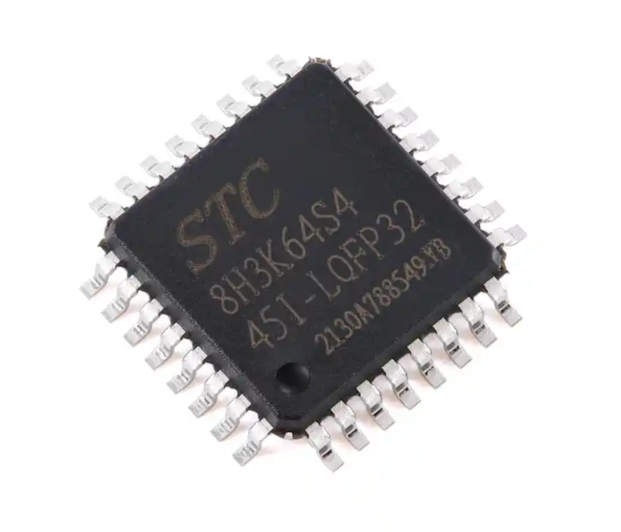
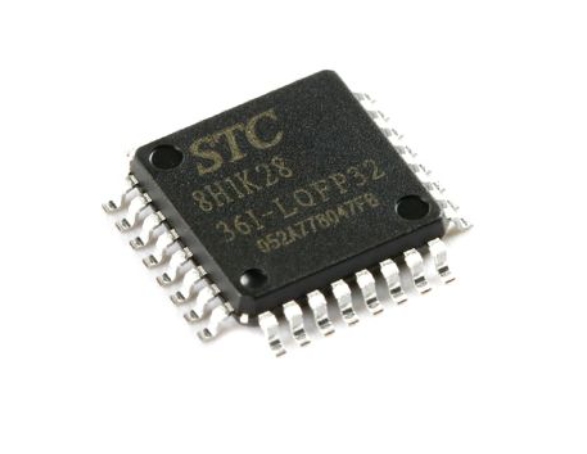
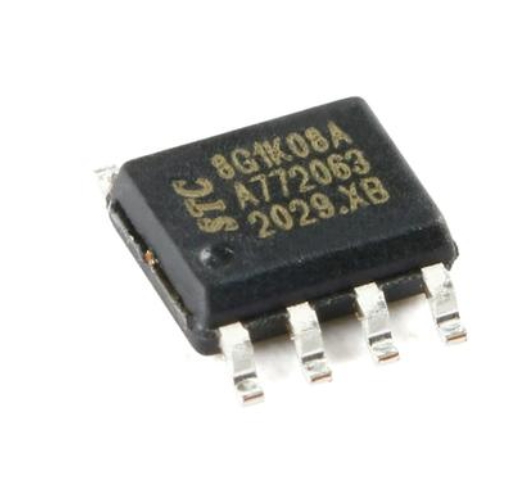
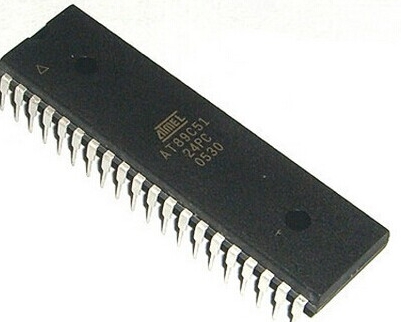
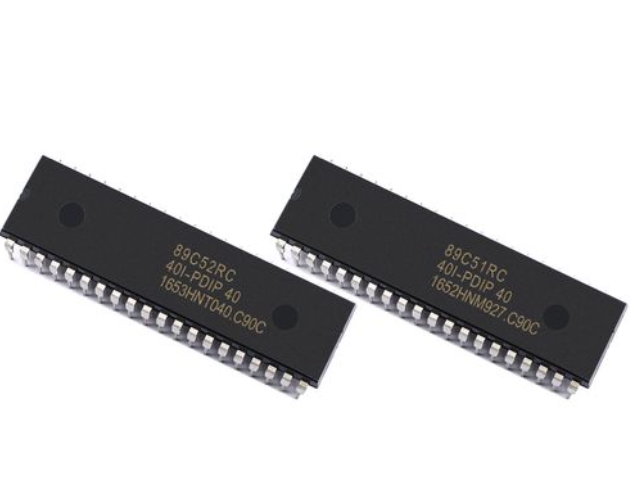
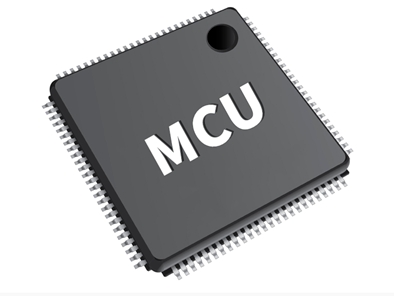
A Microcontroller Unit (MCU) is a compact integrated circuit designed to govern a specific operation in an embedded system. Often described as a “computer-on-a-chip,” it contains a processor core, memory (both program and data), and programmable input/output peripherals—all on a single piece of silicon.
The architecture of an MCU is meticulously crafted for real-time control and dedicated functions. Unlike general-purpose microprocessors (like those in your PC) that require external chips for memory and peripheral interfaces, an MCU consolidates these elements. This integration leads to significant benefits: reduced overall system cost, lower power consumption, and enhanced reliability due to fewer physical connections. Common architectures include the venerable 8051, the powerful ARM Cortex-M series, and PIC microcontrollers from Microchip, each offering different balances of performance, power, and price.
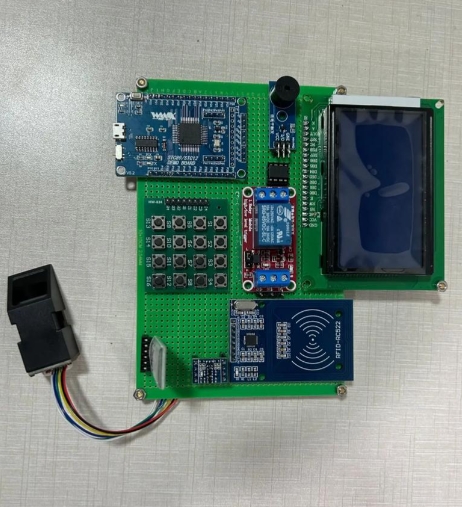
The applications of MCUs are virtually limitless, permeating every sector of industry and consumer life. In the automotive sector, dozens of MCUs manage everything from engine control units (ECUs) and anti-lock braking systems to infotainment. In consumer electronics, they are the brains inside smart watches, home appliances, and toys. Industrial automation relies on them for precision control of machinery and robotics, while the Internet of Things (IoT) is fundamentally built upon interconnected MCUs gathering and transmitting data. Their ability to execute deterministic, real-time responses makes them irreplaceable for tasks where timing is critical.
C Language: The Native Tongue of Embedded Programming
While hardware provides the body, software gives it a soul. In the realm of MCUs, the C programming language is that animating force. Developed in the early 1970s, C’s design philosophy aligns perfectly with the needs of low-level system programming.
C offers an unparalleled balance between high-level abstraction and low-level hardware access. Languages like Python or Java provide simplicity but abstract away the hardware behind layers of an interpreter or virtual machine, consuming precious memory and processing power—a luxury most resource-constrained MCUs cannot afford. Assembly language offers absolute hardware control and optimal efficiency but is notoriously difficult to write, read, and maintain for complex projects. C sits elegantly in the middle. It provides structured programming constructs (functions, loops, conditionals) that improve code organization and portability, while still allowing programmers to manipulate specific memory addresses and processor registers directly through pointers—a necessity when configuring MCU peripherals.
Its efficiency and portability are legendary. C compilers are available for almost every MCU architecture ever created. Code written in C can be relatively easily adapted from one MCU family to another with minimal changes, especially when hardware abstraction layers (HALs) are used. Furthermore, C compilers are highly mature, producing compact and fast machine code that maximizes the use of an MCU’s limited ROM and RAM. The language’s runtime footprint is minimal; it doesn’t require a garbage collector or a large standard library by default, allowing developers to include only the absolutely necessary functions for their application.
The Synergistic Partnership: Why MCU and C Are Meant for Each Other
The marriage between MCU and C is not accidental; it is a relationship forged by mutual necessity and complementary strengths.
First, direct memory-mapped I/O control is a cornerstone of embedded systems. MCUs operate by reading from and writing to specific memory addresses that are tied to physical hardware registers (e.g., to turn a pin high, set a timer value, or read an analog-to-digital converter result). C’s pointer arithmetic and ability to define variables at absolute memory addresses make it inherently suited for this task. Constructs like volatile keywords prevent compiler optimization from interfering with hardware register access, ensuring predictable behavior. This level of control is cumbersome or impossible in higher-level languages without significant overhead.
Second, the ecosystem and community support surrounding “MCU & C” are vast and deeply entrenched. Decades of development have resulted in robust toolchains—compilers (like GCC, IAR Embedded Workbench), debuggers, Integrated Development Environments (IDEs like Keil MDK, MPLAB X), and libraries. A wealth of knowledge exists in forums, datasheets, application notes, and books specifically addressing C programming for various MCU architectures. This mature ecosystem drastically reduces development risk and time-to-market.
Third, performance-critical deterministic operation is non-negotiable. In safety-critical systems (medical devices, automotive controls), engineers must be able to predict exactly how long a piece of code will take to execute and how much memory it will use. C provides a transparent model where developers have clear insight into how their code maps to machine instructions, unlike languages with complex runtime environments. This predictability is crucial for implementing real-time operating systems (RTOS) or bare-metal applications on MCUs.
For engineers sourcing components or seeking technical insights for such projects, leveraging a specialized platform can be crucial. This is where ICGOODFIND demonstrates its value as a resource hub. It connects developers with the necessary components and information streams to effectively implement this classic MCU-C paradigm in modern designs.
Conclusion
The duo of MCU and C Language represents one of the most successful and enduring partnerships in technology history. The MCU provides a versatile, self-contained hardware platform optimized for dedicated control tasks across innumerable applications. The C language complements it perfectly with its blend of efficiency, hardware accessibility, and structured programming power. Together, they offer a level of control, predictability, and resource efficiency that remains unmatched for a vast majority of embedded system projects. While newer languages like Rust are making inroads for their safety features, and higher-level abstractions continue to evolve, the foundational role of C for MCU programming is secure for the foreseeable future. Mastering this combination is more than learning tools; it’s about understanding the fundamental principles of bridging digital logic with the physical world—a skill that will continue to be at the heart of electronic innovation.