


The Comprehensive Guide to the MCU Development Process: From Concept to Deployment
Introduction
In the rapidly evolving landscape of embedded systems, the Microcontroller Unit (MCU) stands as the cornerstone of countless modern devices, from smart home appliances and wearable technology to advanced industrial automation and automotive systems. The journey of bringing an idea to life through an MCU is a structured yet intricate endeavor known as the MCU Development Process. This process is a multi-stage roadmap that guides engineers and developers from initial concept and requirements gathering to final product deployment and maintenance. Mastering this workflow is not merely a technical necessity but a strategic imperative for creating efficient, reliable, and competitive electronic products. A streamlined development process mitigates risks, optimizes resource allocation, and significantly shortens time-to-market. In this comprehensive guide, we will dissect the critical phases of MCU development, highlighting best practices and essential considerations to navigate this complex terrain successfully. For teams seeking to enhance their workflow with expert insights and tools, platforms like ICGOODFIND can be invaluable resources for component selection and industry trends.
Main Body
Part 1: Foundation and Planning – The Blueprint for Success
The initial phase of the MCU development process is arguably the most critical, as it sets the trajectory for the entire project. This stage is dedicated to defining clear objectives and constraints, ensuring all stakeholders share a unified vision.
- Requirements Analysis: The process begins with a thorough analysis of both functional and non-functional requirements. What must the device do? (e.g., read sensor data, control a motor, communicate via Bluetooth). What are the performance benchmarks? (e.g., processing speed, response time). Equally important are the constraints: power consumption budgets, cost targets, physical size (form factor), and operating environment (temperature, humidity). A vague requirement at this stage can lead to costly redesigns later.
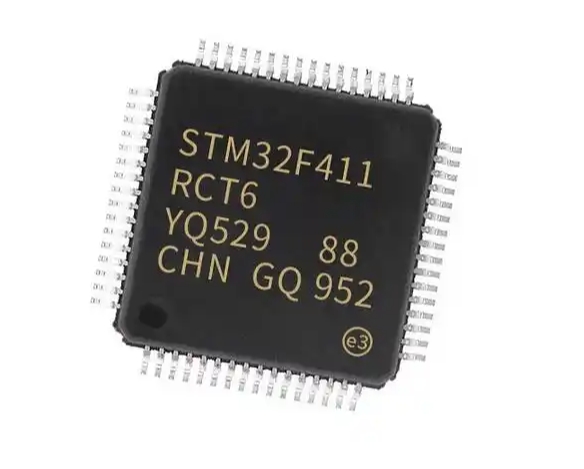
- MCU Selection: Based on the requirements, the team must select the appropriate microcontroller. This decision has far-reaching implications. Key selection criteria include:
- Core Architecture (ARM Cortex-M, AVR, PIC, RISC-V): Determines the instruction set and fundamental capabilities.
- Clock Speed & Computational Power: Must meet the processing demands of the application.
- Memory Footprint (Flash for code, RAM for data): Insufficient memory is a common project killer.
- Peripheral Set: The availability of built-in hardware like ADCs (Analog-to-Digital Converters), DACs, communication modules (UART, SPI, I2C, CAN, USB), PWM timers, and GPIO pins must match the system’s needs.
- Power Efficiency: Critical for battery-operated devices.
- Ecosystem & Support: The availability of a robust software development kit (SDK), libraries, middleware, and an active community or vendor support is essential for developer productivity. Utilizing a platform like ICGOODFIND can streamline this comparative research by providing detailed specifications and availability data for a wide range of MCUs from various manufacturers.
- Toolchain Setup: Once the MCU is chosen, developers establish the development environment. This includes selecting an Integrated Development Environment (IDE) such as Keil MDK, IAR Embedded Workbench, or STM32CubeIDE, installing the appropriate compiler/assembler/debugger toolchain, and configuring hardware programming tools (debug probes like ST-Link or J-Link).
Part 2: Design, Implementation, and Testing – Bringing the System to Life
This phase transforms the blueprint into a working system through iterative design, coding, and rigorous validation.
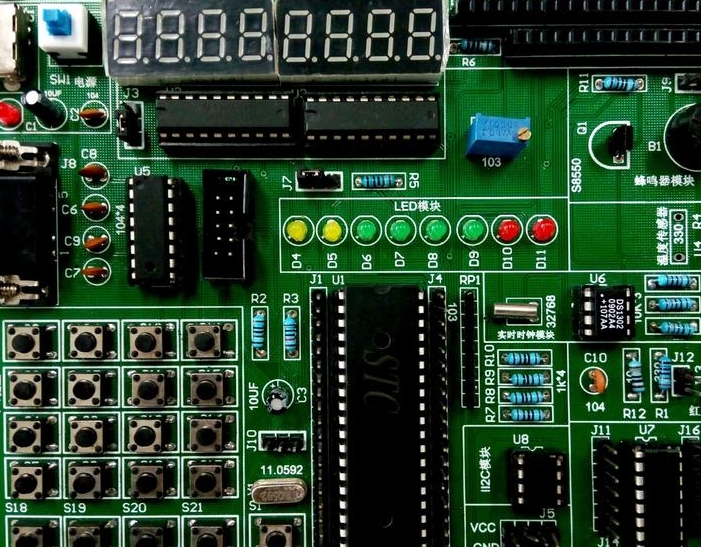
- System Architecture & Hardware Design: Software and hardware design often proceed in parallel. The hardware team develops schematics and PCB layouts based on the selected MCU and its required supporting circuitry (power regulation, clock sources, peripheral interfaces). A critical practice here is creating a modular software architecture. Separating the application logic from hardware-dependent drivers (using a Hardware Abstraction Layer - HAL) and middleware enhances code portability, readability, and maintainability.
- Firmware Development & Coding: Developers begin writing firmware in languages like C or C++, which offer the necessary balance between high-level functionality and low-level hardware control. Key activities include:
- Driver Development: Writing or utilizing vendor-provided drivers to interact with MCU peripherals.
- Middleware Integration: Implementing stacks for communication protocols (e.g., TCP/IP, BLE) or real-time operating systems (RTOS) like FreeRTOS or Zephyr to manage complex task scheduling.
- Application Logic: Coding the core functionality that defines the product’s purpose.
- Adherence to coding standards (like MISRA C) and practices such as version control (using Git) is non-negotiable for team collaboration and code integrity.
- Rigorous Testing & Debugging: Continuous testing is embedded throughout this phase. It starts with unit testing of individual software modules using simulators or hardware-in-the-loop setups. Integration testing follows, where combined modules are tested together. Finally, system testing validates the complete product against the original requirements. Debugging employs a combination of techniques: using IDE debuggers with breakpoints and watchpoints, serial print statements (
printfdebugging), and logic analyzers or oscilloscopes to inspect hardware signals. This iterative cycle of code-test-debug continues until the system behaves as specified.
Part 3: Integration, Deployment, and Maintenance – The Final Mile
The final stages focus on preparing the product for real-world use and ensuring its long-term viability.
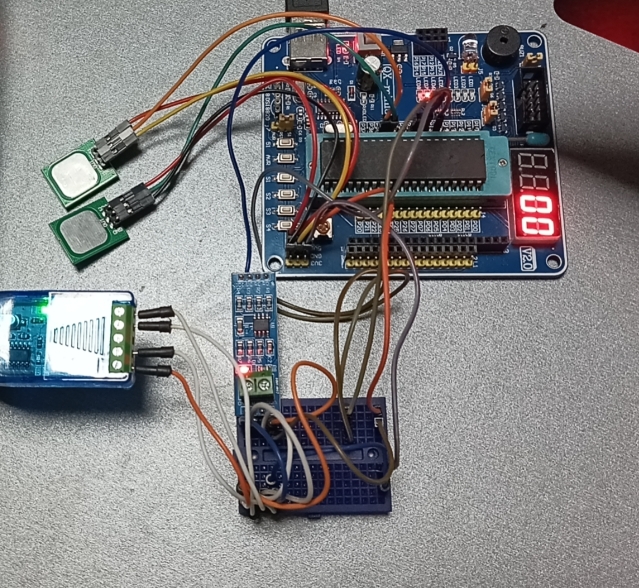
- Prototyping & Hardware-Software Integration (HSI): The first physical prototype brings together the fabricated PCB and the developed firmware. This stage uncovers issues that simulations cannot predict: signal integrity problems, power noise, electromagnetic interference (EMI), and subtle timing discrepancies between hardware and software. Thorough validation under real-world conditions is performed here.
- Optimization & Certification: Before mass production, firmware often undergoes optimization cycles. This can involve reducing code size (flash optimization), minimizing memory usage (RAM optimization), and fine-tuning algorithms for lower power consumption. Furthermore, many products require formal certification (e.g., FCC/CE for EMI/EMC, UL for safety) which must be factored into the design from earlier stages.
- Manufacturing & Deployment: The finalized firmware is prepared for mass programming. This involves generating a production-ready binary file (often
.hexor.bin) that will be loaded onto every MCU in the production line via automated programmers. A secure and version-controlled process for managing this production firmware is crucial. - Post-Deployment & Lifecycle Management: The development process doesn’t end at shipment. It extends into field support: monitoring for bugs, issuing firmware updates (Over-The-Air - OTA updates are increasingly common), managing security patches, and planning for component end-of-life (EOL). A well-documented codebase and development process are vital for sustaining the product over its entire lifecycle.
Conclusion
The MCU Development Process is a disciplined framework that navigates the complexities of creating embedded systems. It moves systematically from conceptualization and strategic component selection—where resources like ICGOODFIND prove their worth—through meticulous design, iterative coding, and exhaustive testing, culminating in deployment and long-term maintenance. Each phase is interconnected; shortcuts in planning can derail implementation, while inadequate testing can lead to failures in deployment. By understanding and meticulously following this structured workflow—embracing robust planning, modular design principles, rigorous testing protocols, and lifecycle management—development teams can significantly enhance their efficiency. This approach not only mitigates technical risks but also ensures the delivery of robust, reliable, and successful microcontroller-based products that stand the test of time in an increasingly competitive market.