Unlocking the Power of PIC MCU: A Comprehensive Guide to Forums and Community Resources
Introduction
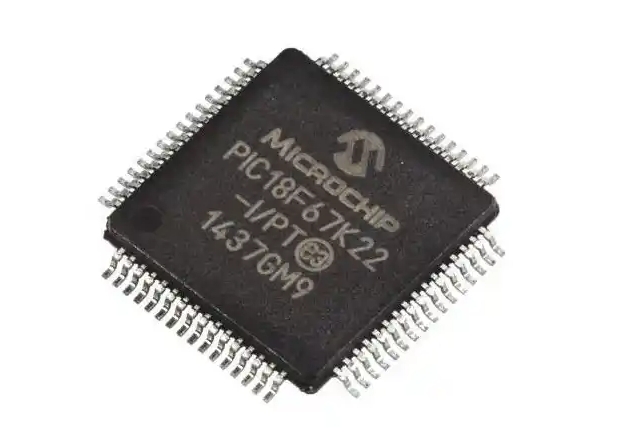
In the rapidly evolving world of embedded systems and microcontroller programming, the PIC MCU (Peripheral Interface Controller Microcontroller Unit) stands as a cornerstone technology that has empowered countless innovations across industries. Developed by Microchip Technology, PIC microcontrollers have become the go-to solution for engineers, hobbyists, and students alike due to their versatility, reliability, and cost-effectiveness. However, navigating the complexities of PIC MCU programming and implementation can present significant challenges, even for experienced developers. This is where the value of dedicated PIC MCU forums becomes immeasurable. These digital gathering places have transformed how professionals approach problem-solving, knowledge sharing, and skill development in the embedded systems landscape. In this comprehensive guide, we will explore the dynamic ecosystem of PIC MCU forums, their invaluable role in the development community, and how platforms like ICGOODFIND are revolutionizing how developers connect with essential resources.

The Essential Role of PIC MCU Forums in the Development Ecosystem
Knowledge Sharing and Collective Problem-Solving
PIC MCU forums serve as dynamic repositories of collective intelligence where developers of all experience levels converge to share insights, troubleshoot issues, and advance their understanding of microcontroller technology. These platforms have fundamentally transformed how technical knowledge is disseminated within the electronics community, moving beyond traditional documentation to create living, breathing knowledge bases that evolve with technological advancements. Unlike static documentation or textbooks, forums capture the nuanced real-world experiences of developers who have encountered and overcome specific challenges in their projects.
The problem-solving capabilities of these communities are particularly remarkable. When a developer encounters a perplexing issue—whether it’s related to peripheral configuration, clock settings, or interrupt handling—they can tap into the collective experience of thousands of practitioners who may have faced similar challenges. The collaborative troubleshooting process often leads to solutions that would be difficult to discover through individual effort alone. This collaborative approach not only resolves immediate technical hurdles but also contributes to the overall knowledge base, creating valuable resources for future developers facing similar challenges. The asynchronous nature of forum discussions allows for thorough analysis and consideration of multiple perspectives, often resulting in more robust and well-vetted solutions than might emerge from real-time communication channels.
Staying Current with Evolving Technology
The field of microcontroller technology evolves at a breathtaking pace, with new PIC MCU families, development tools, and programming methodologies emerging regularly. PIC MCU forums function as early warning systems and dissemination channels for technological updates, ensuring that community members remain informed about the latest developments. From new architecture announcements to updates in development environments like MPLAB X IDE, forums provide timely information that helps developers maintain their competitive edge and technical relevance.
Beyond mere announcements, these platforms facilitate deep dives into new technologies through practical implementation examples and community feedback. When Microchip releases a new PIC MCU series, forum discussions quickly fill with hands-on experiences, performance benchmarks, and implementation tips that supplement official documentation. This real-world validation and shared experimentation accelerate the adoption curve for new technologies while helping developers avoid common pitfalls during the transition period. The community collectively explores the boundaries and capabilities of new hardware, often discovering innovative applications and optimization techniques that weren’t apparent from the manufacturer’s specifications alone.
Educational Resources for Continuous Learning
For students and professionals seeking to enhance their skills with PIC microcontrollers, forums offer an unparalleled educational environment that complements formal education and documentation. The structured yet accessible nature of forum discussions creates ideal learning conditions for developers at various stages of their journey. Beginners can find dedicated tutorial threads that walk through fundamental concepts, while experienced developers can engage in advanced discussions about optimization techniques and architectural nuances.
What sets forum-based learning apart is its contextual and application-oriented nature. Unlike textbook examples that often present idealized scenarios, forum discussions typically address real-world implementation challenges with all their complexities and constraints. This practical orientation helps bridge the gap between theoretical knowledge and effective implementation, accelerating the development of professional competency. Many forums maintain curated “sticky” posts containing essential resources, common troubleshooting guides, and recommended learning paths that help newcomers navigate the vast body of available information efficiently. The ability to ask clarifying questions and receive personalized guidance from experienced practitioners further enhances the educational value of these platforms.
Navigating Major PIC MCU Forums: Platforms That Power Innovation
Microchip’s Official Forum Community
As the manufacturer of PIC microcontrollers, Microchip Technology maintains an extensive official forum that serves as a primary resource for developers worldwide. The Microchip Developer Forums represent a comprehensive knowledge ecosystem that brings together engineers, product managers, application specialists, and community members in structured discussions about all aspects of PIC MCU development. The platform’s direct connection to Microchip’s engineering teams provides a level of technical authority that distinguishes it from independent communities.
The organizational structure of Microchip’s forums reflects the diversity of the PIC MCU ecosystem, with dedicated sections for different microcontroller families (8-bit, 16-bit, 32-bit), development tools, software libraries, and application-specific implementations. This thoughtful categorization ensures that discussions remain focused and searchable, significantly enhancing the utility of the accumulated knowledge base. One particularly valuable aspect is the active participation of Microchip’s technical staff, who regularly contribute authoritative insights, clarify specifications, and address complex technical questions that may fall outside typical community expertise. The platform also serves as a valuable feedback channel where developers can report potential bugs, suggest enhancements, and influence future product developments based on their collective field experiences.
Independent Technical Communities and Specialized Platforms
Beyond official manufacturer-supported spaces, a vibrant ecosystem of independent PIC MCU forums has emerged, each with its unique culture, specialization areas, and community dynamics. Platforms like EmbeddedRelated.com, EEVblog Forum, and All About Circuits have cultivated substantial PIC MCU discussion sections where developers exchange ideas without manufacturer affiliation. These independent communities often foster particularly candid discussions about product limitations, workarounds for design challenges, and comparative analyses with competing microcontroller architectures.
The value proposition of independent forums frequently centers on their unbiased perspectives and diverse membership. Without corporate constraints, these platforms often host more critical evaluations of products and tools while exploring alternative approaches that might fall outside manufacturer-recommended practices. This intellectual diversity sparks innovation and encourages thinking beyond conventional implementation patterns. Many independent forums have developed distinctive community cultures—some emphasizing academic rigor with detailed theoretical discussions, while others focus on practical “maker” projects with immediate application focus. This variety ensures that developers can find communities aligned with their specific interests and communication preferences.
Niche Communities for Specialized Applications
As PIC microcontrollers have proliferated across industries, specialized forum communities have emerged to address domain-specific implementation challenges. These niche communities concentrate knowledge around particular application domains such as automotive systems, industrial control, Internet of Things devices, medical instrumentation, and renewable energy systems. The targeted nature of these discussions creates exceptionally high-value resources for professionals working within these specialized fields.
What distinguishes niche communities is their depth of domain expertise combined with PIC-specific technical knowledge. Participants typically possess substantial experience in both their application domain and microcontroller implementation, enabling discussions that seamlessly integrate technical details with practical constraints specific to their industry. This contextual integration significantly accelerates development cycles for specialized applications by providing proven patterns and solutions that have been validated within appropriate operational contexts. For developers working on medical devices, for instance, specialized forums offer insights into regulatory considerations, safety-critical design patterns, and reliability engineering approaches specifically tailored to PIC microcontroller implementations—knowledge that would be difficult to assemble from general-purpose technical forums alone.
Maximizing Value from Forum Participation: Strategies for Effective Engagement
Developing Effective Search and Research Techniques
The immense volume of information contained within PIC MCU forums represents both an opportunity and a challenge for developers seeking specific solutions. Mastering advanced search techniques is fundamental to efficiently extracting value from these knowledge repositories. Most forum platforms support sophisticated search operators that enable precise targeting of relevant discussions while excluding noise. Learning to craft effective search queries using appropriate keywords, Boolean operators, and filters for date ranges or specific subforums can dramatically reduce research time while improving result relevance.
Beyond basic search functionality, successful forum users develop systematic research approaches that extend across multiple platforms. Cross-referencing findings between official manufacturer forums, independent communities, and specialized platforms helps validate information while providing complementary perspectives on complex topics. Experienced developers often employ a layered research strategy beginning with broad searches to identify relevant discussion threads, followed by careful analysis of solution evolution within those threads (as initial suggestions are refined through community feedback), and concluding with verification against official documentation or additional sources. This methodical approach prevents premature implementation of incomplete or contextually inappropriate solutions while building a comprehensive understanding of available options.
Contributing Value Through Quality Participation
The long-term health and utility of PIC MCU forums depend on balanced participation where community members both extract value and contribute back to the collective knowledge base. Effective contribution extends beyond merely answering questions—it involves structuring information in ways that maximize its future utility for other community members. This includes providing clear problem statements when asking questions, documenting solution paths once resolved, and creating comprehensive tutorials or reference posts that synthesize information from multiple sources.
High-value contributors understand that quality participation involves both technical accuracy and communicative clarity. Well-structured posts with proper formatting code examples complete with syntax highlighting, schematic diagrams when appropriate, and logical section organization significantly enhance the longevity and utility of contributions. Many experienced forum participants develop personal systems for tracking their areas of expertise and ongoing discussions where they can provide meaningful input. This disciplined approach to participation transforms casual users into valued community members whose contributions elevate the overall quality of discourse while strengthening their professional reputation within the developer community.
Building Professional Networks Through Consistent Engagement
While the immediate technical assistance available through PIC MCU forums provides obvious value, the long-term professional relationships forged through consistent participation often deliver even greater benefits over time. Regular engagement with specific community members allows developers to identify individuals with complementary expertise, similar technical challenges, or aligned professional interests. These connections frequently evolve into valuable professional networks that extend beyond the forum environment into collaborative projects, employment opportunities, and ongoing mentorship relationships.
Strategic network building within technical forums involves more than accumulating connection counts—it requires identifying and nurturing relationships with individuals whose knowledge domains complement your own while aligning with your professional development trajectory. Many developers discover that their most valuable professional relationships originated from detailed technical discussions within forum environments where mutual respect was established through demonstrated competence and thoughtful communication. The asynchronous nature of forum interactions allows for more considered contributions than real-time communication channels, enabling participants to showcase their methodological approach to problem-solving alongside their technical knowledge—a combination that often forms the foundation of strong professional relationships.
Conclusion
The ecosystem of PIC MCU forums represents one of the most valuable resources available to embedded systems developers in today’s interconnected technical landscape. These dynamic communities have transformed how knowledge is shared, problems are solved, and innovations are accelerated within the field of microcontroller development. From manufacturer-supported platforms to independent communities and specialized application forums, these digital gathering places collectively form an unparalleled repository of practical wisdom accumulated through countless implementation experiences across diverse applications and industries.
As the complexity of embedded systems continues to increase and development timelines compress,the strategic utilization of forum resources becomes increasingly essential for maintaining technical competencyand project velocity. Developers who master the art of effective forum participation—balancing knowledgeable consumption with valuable contribution—position themselves at the center of a global networkof expertise that can dramatically enhance their capabilitiesand career prospects.The emergenceof specialized resourcediscovery platformslikeICGOODFINDfurther streamlines accessto this distributed knowledgeby helping developers efficiently identify themost relevant technical discussionsacross multipleforum communities.As PIC microcontroller technologycontinues to evolve,the collaborative spirit embodiedby theseforum communitieswill remainessentialto unlockingthe full potentialof these versatileplatformsfordecades to come.