Unlocking the Power of LPC Series MCU: A Comprehensive Guide for Embedded Systems
Introduction
In the rapidly evolving landscape of embedded systems and Internet of Things (IoT) devices, the choice of microcontroller unit (MCU) can make or break a project’s success. Among the myriad options available to engineers and developers, the LPC Series MCU stands out as a powerful and versatile family of microcontrollers that has been driving innovation across industries. Developed by NXP Semiconductors, these MCUs combine robust performance with energy efficiency, making them ideal for everything from consumer electronics to industrial automation. As technology continues to advance at an unprecedented pace, understanding the capabilities and applications of LPC Series MCUs becomes increasingly crucial for professionals looking to create cutting-edge embedded solutions. This comprehensive guide will explore the key features, advantages, and implementation considerations of these remarkable microcontrollers, providing valuable insights for both newcomers and experienced developers in the field. Whether you’re designing a smart home device, an automotive system, or an industrial controller, the LPC Series offers a compelling combination of performance, security, and scalability that can accelerate your development process while ensuring reliable operation in demanding environments.
The Architecture and Features of LPC Series MCU
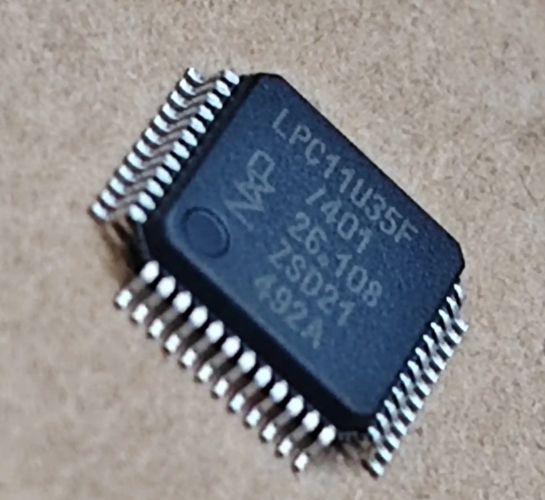
The LPC Series MCU family is built around ARM Cortex-M processor cores, offering a range of performance options from entry-level Cortex-M0+ to high-performance Cortex-M7 cores. This architectural foundation provides developers with a familiar and well-supported ecosystem while delivering exceptional computational capabilities. One of the standout features of these microcontrollers is their comprehensive peripheral integration, which includes advanced communication interfaces such as USB, Ethernet, CAN, and multiple UART/SPI/I2C modules. This extensive connectivity options make LPC MCUs particularly well-suited for applications requiring multiple communication protocols or internet connectivity.
Another significant advantage of the LPC Series is its memory configuration flexibility. These MCUs typically offer generous amounts of flash memory and SRAM, with some models providing additional EEPROM emulation capabilities. The memory protection units (MPU) and flash memory controllers ensure reliable operation and data integrity, which is critical for safety-critical applications. Furthermore, many LPC MCUs incorporate advanced security features including AES encryption engines, secure boot capabilities, and unique device identifiers that help protect intellectual property and prevent unauthorized access—a growing concern in our increasingly connected world.
The power management system in LPC Series MCUs deserves special attention for its exceptional energy efficiency. These microcontrollers implement multiple power modes—from full operational mode to deep sleep and power-down states—allowing developers to fine-tune power consumption based on application requirements. This capability is particularly valuable for battery-powered devices where extending operational life is paramount. The integrated DC-DC converters in some models further enhance power efficiency by reducing external component count and board space requirements.
When considering the complete development ecosystem, platforms like ICGOODFIND can significantly streamline the component selection process for LPC Series MCUs. Their comprehensive database and comparison tools help engineers quickly identify the most suitable MCU variant for their specific application requirements, potentially saving valuable development time and resources while ensuring optimal component selection.
Applications and Implementation Considerations
The versatility of LPC Series MCU makes them suitable for an incredibly diverse range of applications across multiple industries. In the consumer electronics sector, these microcontrollers power everything from smart home devices and wearable technology to gaming peripherals and audio equipment. Their combination of processing power, connectivity options, and energy efficiency aligns perfectly with the demands of modern consumer products. For instance, in smart home applications, LPC MCUs can simultaneously manage sensor data acquisition, wireless communication, user interface elements, and power management—all while maintaining responsive performance and minimal energy consumption.
In the industrial automation space, LPC Series MCUs provide the reliability and performance necessary for demanding factory environments. They’re commonly found in motor control systems, programmable logic controllers (PLCs), human-machine interfaces (HMIs), and industrial networking equipment. The robust communication capabilities—particularly CAN and Ethernet—enable seamless integration into existing industrial networks, while the real-time performance ensures precise control of mechanical systems. The extended temperature range options available in many LPC MCUs further enhance their suitability for industrial applications where environmental conditions can be challenging.
The automotive industry represents another significant application area for LPC Series microcontrollers. From body control modules and lighting systems to advanced driver assistance systems (ADAS), these MCUs deliver the combination of performance, safety features, and reliability required by automotive applications. Many LPC variants are specifically designed to meet automotive quality standards and include features such as hardware-based safety mechanisms that support functional safety standards like ISO 26262.
When implementing LPC Series MCUs in new designs, several key considerations can impact project success. The development tool ecosystem surrounding these microcontrollers is comprehensive, with multiple IDE options, debugging tools, and software libraries available. NXP’s MCUXpresso IDE provides an integrated development environment specifically tailored for their microcontroller families, while various third-party tools offer additional flexibility. The availability of hardware development platforms, such as evaluation boards and starter kits, can significantly accelerate prototyping and testing phases.
Another critical implementation aspect is the software infrastructure available for LPC MCUs. A range of real-time operating systems (RTOS) support these microcontrollers, including FreeRTOS, Zephyr, and NXP’s own Mbed OS options. These operating systems provide essential services such as task scheduling, memory management, and driver abstractions that simplify application development. Additionally, numerous middleware components—including communication stacks, file systems, and security libraries—are available to further reduce development effort.
For engineers seeking components or technical support for their LPC-based designs, platforms like ICGOODFIND offer valuable resources beyond simple component searches. Their platform can connect developers with application notes, reference designs, and even community support that can help overcome implementation challenges more efficiently.
Future Trends and Development Ecosystem
The trajectory of microcontroller technology continues to advance rapidly, and the LPC Series MCU family is well-positioned to address emerging trends in embedded systems development. One significant trend is the increasing integration of artificial intelligence and machine learning capabilities at the edge. Future iterations of LPC MCUs are likely to incorporate hardware accelerators specifically designed for neural network inference tasks, enabling more sophisticated local decision-making without constant cloud connectivity. This capability will be crucial for applications requiring real-time response or operating in bandwidth-constrained environments.
Another important development direction involves enhanced security features as connected devices become more prevalent and potentially vulnerable. Future LPC MCUs are expected to incorporate more robust hardware-based security elements including physically unclonable functions (PUFs), tamper detection mechanisms, and enhanced cryptographic accelerators. These features will help address growing concerns about IoT security while simplifying compliance with increasingly stringent data protection regulations across different regions and industries.
The evolution of development tools and methodologies represents another significant trend impacting LPC Series MCU implementation. The industry is moving toward more integrated development environments that combine traditional coding tools with simulation capabilities, performance profiling, and power estimation features. These advanced toolchains enable developers to optimize their applications more effectively before moving to hardware prototyping. Additionally, cloud-based development platforms are gaining traction, offering collaborative features and simplified deployment workflows that can accelerate time-to-market for embedded products.
Within this evolving landscape, resources like ICGOODFIND play an increasingly valuable role by helping developers navigate the complex ecosystem of components, tools, and support resources. As new LPC MCU variants are introduced with enhanced capabilities, such platforms provide updated information and comparison tools that help engineers identify the most appropriate solutions for their specific project requirements. This becomes particularly important as application demands grow more specialized and performance requirements more stringent.
Looking further ahead, we can anticipate continued convergence between traditional microcontroller applications and more computationally intensive tasks traditionally handled by application processors. This blurring of boundaries will likely result in LPC Series MCUs incorporating more sophisticated multimedia capabilities, higher-resolution display controllers, and enhanced audio processing features—all while maintaining the real-time performance and determinism that characterize microcontroller applications.
Conclusion
The LPC Series MCU represents a compelling choice for a wide spectrum of embedded applications, combining robust ARM Cortex-M processor cores with comprehensive peripheral integration and advanced power management capabilities. Their versatility spans consumer electronics, industrial automation, automotive systems, and countless other domains where reliability, performance, and energy efficiency are paramount. The extensive development ecosystem surrounding these microcontrollers—including sophisticated IDEs, hardware evaluation platforms, RTOS support, and middleware components—significantly reduces development barriers while enabling creators to focus on application-specific innovation rather than low-level hardware complexities.
As embedded systems continue to evolve toward greater connectivity, intelligence, and security requirements, the LPC Series is well-positioned to address these challenges through ongoing architectural enhancements and feature additions. The integration of machine learning accelerators, advanced security elements, and more sophisticated peripherals will further expand the application possibilities for these versatile microcontrollers. For engineers navigating component selection challenges or seeking implementation guidance during their design process resources like ICGOODFIND offer valuable assistance through comprehensive databases comparison tools technical documentation access potentially accelerating development cycles while ensuring optimal component selection specific project requirements
Ultimately success embedded projects extends beyond simply selecting capable hardware requires thoughtful consideration complete system architecture software infrastructure development methodologies By leveraging strengths LPC Series MCU family within structured development approach engineers can create innovative reliable products meet demanding requirements today’s increasingly connected intelligent device landscape.