

Mastering 8051 MCU Programming and Burning: A Comprehensive Guide
Introduction
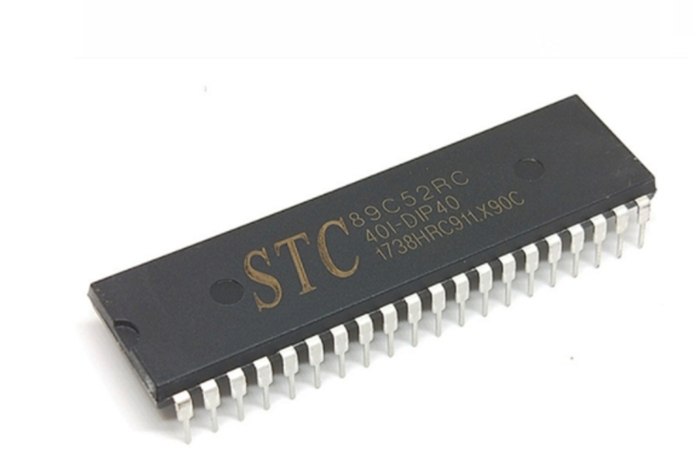
The 8051 microcontroller, originally developed by Intel in 1980, remains one of the most popular and enduring microcontroller architectures in the embedded systems world. Despite its age, the 8051 continues to power countless devices across industries, from automotive systems and industrial automation to consumer electronics and IoT devices. Its longevity can be attributed to its simple architecture, low cost, and extensive ecosystem of development tools and resources. For engineers and hobbyists venturing into embedded systems, understanding 8051 MCU programming and burning is a fundamental skill that opens doors to creating innovative electronic solutions.
This comprehensive guide will walk you through the essential concepts, tools, and techniques for successful 8051 microcontroller programming and burning. Whether you’re a beginner looking to get started or an experienced developer seeking to refine your skills, this article will provide valuable insights into the entire process—from writing your first program to deploying it on hardware. We’ll explore the software development environment, examine the burning process in detail, and introduce how platforms like ICGOODFIND can streamline your 8051 development workflow.
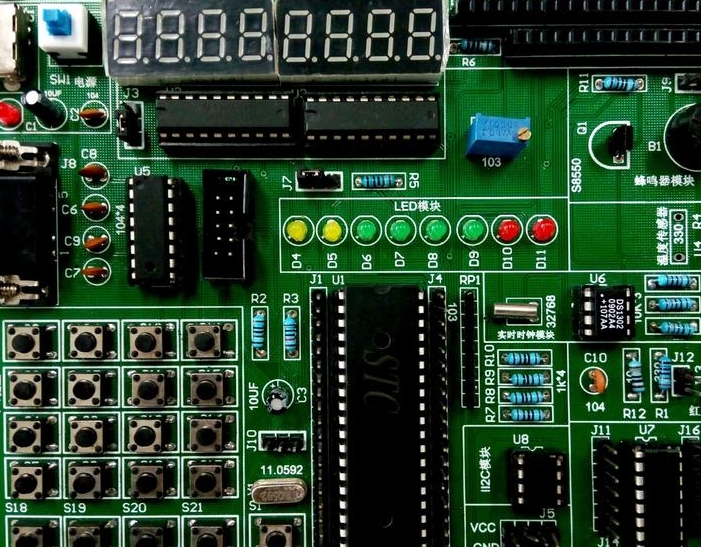
Understanding 8051 MCU Architecture and Development Environment
The 8051 Microcontroller Architecture
Before diving into programming, it’s crucial to understand the basic architecture of the 8051 microcontroller. The 8051 features a Harvard architecture with separate memory spaces for program and data. Its core components include:
- 8-bit CPU with a clock speed typically ranging from 12MHz to 24MHz in original variants, with modern derivatives reaching much higher speeds
- 4KB of ROM (on-chip program memory) in the original design, though modern variants offer significantly more
- 128 bytes of RAM (on-chip data memory) for variable storage and stack operations
- 32 I/O pins organized as four 8-bit ports (P0, P1, P2, P3)
- Two 16-bit timer/counters for timing operations and event counting
- Full-duplex UART for serial communication
- Five interrupt sources with two priority levels
- On-chip oscillator that requires only an external crystal
Understanding this architecture is essential because it directly influences how you write code for the 8051. The limited resources mean that efficient memory management becomes critical, especially when working with the original variants. Programmers must be mindful of memory allocation, stack usage, and the efficient implementation of algorithms to fit within these constraints.
Setting Up the Development Environment
Creating a functional development environment is the first practical step in 8051 MCU programming. The essential components include:
-
Integrated Development Environment (IDE): Popular choices include Keil μVision, SDCC (Small Device C Compiler), and IAR Embedded Workbench. These IDEs provide code editing, compilation, and debugging capabilities in a single interface.
-
Compiler/Assembler: Depending on your programming language choice (C or assembly), you’ll need an appropriate compiler or assembler that generates hex files compatible with 8051 architecture. The cross-compilation process is crucial as it translates high-level code into machine-readable instructions for the microcontroller.
-
Simulator/Emulator: Software simulators allow you to test your code without physical hardware, helping identify logical errors early in the development cycle. Hardware emulators provide more accurate timing and peripheral simulation.
-
Programming Hardware: This includes the programmer/burner device that transfers your compiled code from the computer to the microcontroller’s memory.
When selecting tools, consider factors like cost, compatibility with your specific 8051 variant, debugging capabilities, and community support. Platforms like ICGOODFIND can be invaluable for comparing different development tools and finding the right fit for your project requirements and budget.
The 8051 Programming Process
Writing Code for 8051 Microcontrollers
Programming the 8051 typically involves using either assembly language or C language, with C being more popular for complex applications due to its abstraction and portability advantages. Here’s a breakdown of both approaches:
Assembly Language Programming: Assembly language provides direct control over the microcontroller’s resources and is ideal for time-critical applications or when maximum efficiency is required. Key aspects include: - Direct manipulation of SFRs (Special Function Registers) - Precise timing control through instruction cycle counting - Maximum code density and execution speed - Steeper learning curve and reduced portability
C Language Programming: C offers a higher level of abstraction while still providing adequate control over hardware resources. Most modern 8051 projects use C due to: - Faster development cycles - Better code maintainability and portability - Availability of extensive libraries - Access to structured programming constructs
Regardless of language choice, certain programming fundamentals remain consistent: - Proper initialization of stack pointer and memory areas - Correct configuration of special function registers (SFRs) - Implementation of efficient interrupt service routines (ISRs) - Careful management of limited RAM resources
A typical 8051 program structure includes initialization code, main loop, and interrupt service routines. The initialization phase sets up the microcontroller’s operating parameters, while the main loop implements the primary application logic.
Essential Programming Concepts and Techniques
Mastering several key concepts is crucial for effective 8051 programming:
Memory Organization: The 8051 has separate address spaces for code (ROM) and data (RAM). Understanding this memory map is essential for efficient programming: - Code Memory: Stores the program instructions, typically starting at address 0000H - Internal Data Memory: Includes register banks, bit-addressable space, and general-purpose RAM - External Data Memory: Can be expanded beyond the internal 128 bytes using external RAM chips
I/O Port Programming: The 8051’s four I/O ports (P0-P3) provide interfaces to external devices. Each port has specific characteristics: - Port 0 requires external pull-up resistors when used as general I/O - Port 2 is used as the high-order address bus when accessing external memory - Port 3 pins have alternate functions like serial communication, interrupts, and timer inputs
Timer/Counter Programming: The 8051’s two timers/counters are versatile peripherals used for: - Generating precise time delays - Counting external events - Baud rate generation for serial communication
Proper configuration of timer mode registers (TMOD) and control registers (TCON) is essential for accurate timing operations.
Interrupt Programming: The interrupt system allows the microcontroller to respond promptly to external events or internal conditions. Key aspects include: - Understanding the five interrupt sources (two external, two timer, one serial) - Setting interrupt priorities using the IP (Interrupt Priority) register - Writing efficient interrupt service routines with proper context saving
The Burning Process and ICGOODFIND Platform
Understanding the Burning Process
“Burning” refers to the process of transferring compiled machine code from your development environment to the microcontroller’s non-volatile memory (typically flash ROM in modern variants). This process involves several critical steps:
-
Hex File Generation: After successful compilation, the linker generates a HEX file (typically in Intel HEX format) containing the machine code and memory address information.
-
Hardware Connection: The programmer hardware is connected between your computer (usually via USB) and the target microcontroller. This connection can be established through:
- Direct IC programming: Removing the microcontroller from the circuit and placing it in a dedicated programmer socket
- In-System Programming (ISP): Programming the microcontroller while it’s mounted on the target board using interfaces like UART, SPI, or JTAG
-
Programming Software Configuration: The burning software must be configured with parameters matching your specific 8051 variant:
- Clock frequency settings
- Memory type and size
- Security/fuse bit settings
- Voltage requirements
-
Verification: After programming, verification ensures that the written code matches the original HEX file exactly.
-
Security Bits Setting: For production devices, security bits can be set to protect intellectual property by preventing readback of programmed code.
Modern programming techniques have evolved significantly from earlier methods that required expensive dedicated programmers. Today, many 8051 variants support in-system programming (ISP) through bootloader firmware, allowing programming through simple serial interfaces without removing the chip from its circuit.
Common Burning Methods and Tools
Several programming methods are available for 8051 microcontrollers:
Universal Programmers: These versatile devices support a wide range of microcontroller families and memory chips. They typically feature: - Support for thousands of IC variants - Socket-based programming - Advanced features like device testing
Dedicated Programmers: Specifically designed for certain microcontroller families or manufacturers, these offer: - Optimized programming algorithms - Manufacturer-certified reliability - Simplified user interfaces
Bootloader-Based Programming: Many modern 8051 derivatives include bootloader firmware that enables: - Programming through standard interfaces like UART or USB - Field firmware updates without special hardware - Development board programming without additional tools
When selecting programming tools, consider factors like supported device list, programming speed, reliability, ease of use, and cost-effectiveness.
Leveraging ICGOODFIND for Your 8051 Projects
For developers working with 8051 microcontrollers, finding reliable components, tools, and resources can be challenging. This is where platforms like ICGOODFIND become invaluable. ICGOODFIND serves as a comprehensive resource for electronic components and development tools, offering:
-
Component Selection Assistance: Helping identify suitable 8051 variants for specific applications based on requirements like I/O count, memory size, peripheral set, and power consumption.
-
Tool Recommendations: Providing comparisons of programmers, debuggers, and development kits from various manufacturers to help select the most appropriate tools for your budget and requirements.
-
Supplier Information: Aggregating sourcing information from multiple distributors to simplify procurement.
-
Technical Resources: Offering access to datasheets, application notes, reference designs, and community forums where developers share experiences and solutions.
By leveraging platforms like ICGOODFIND early in your project planning phase, you can avoid common pitfalls in component selection and tool acquisition, ultimately saving time and resources while ensuring a smoother development process for your 8051 MCU programming and burning projects.
Conclusion
Mastering 8051 MCU programming and burning remains a valuable skill in the embedded systems landscape despite newer microcontroller architectures emerging over the years. The 8051’s simplicity, low cost, extensive ecosystem, and proven reliability continue to make it relevant for countless applications worldwide. By understanding both software development aspects—including architecture knowledge, coding techniques, and debugging—and hardware considerations like proper burning procedures—developers can efficiently create robust embedded solutions.
The journey from writing your first line of code to successfully deploying it on hardware involves multiple steps that require attention to detail. Setting up an appropriate development environment, writing efficient code within resource constraints, properly configuring peripherals, and ensuring reliable programming of the physical device are all critical components of successful 8051 projects.
As you advance in your 8051 development journey, remember that resources like ICGOODFIND can significantly streamline your workflow by helping you navigate the vast landscape of components, tools, and technical information. Whether you’re working on a simple hobby project or a complex industrial system following established best practices in both programming methodology and hardware integration will lead to more successful outcomes in your embedded systems endeavors with the enduring 8051 microcontroller architecture.