MCU Solution Development: The Engine of Modern Innovation
Introduction
In the intricate tapestry of modern technology, from the smart device in your hand to the industrial automation systems powering global manufacturing, lies a silent, powerful force: the Microcontroller Unit (MCU). MCU Solution Development is the comprehensive, multidisciplinary process of transforming a basic microcontroller chip into a fully functional, optimized, and reliable embedded system core. It is far more than mere programming; it is the art and science of hardware-software co-design, system integration, and performance optimization tailored to solve specific real-world problems. As the demand for smarter, more connected, and energy-efficient products skyrockets across the Internet of Things (IoT), automotive, consumer electronics, and industrial sectors, mastering MCU solution development has become a critical competitive advantage. This process bridges the gap between theoretical silicon capability and practical, market-ready innovation.
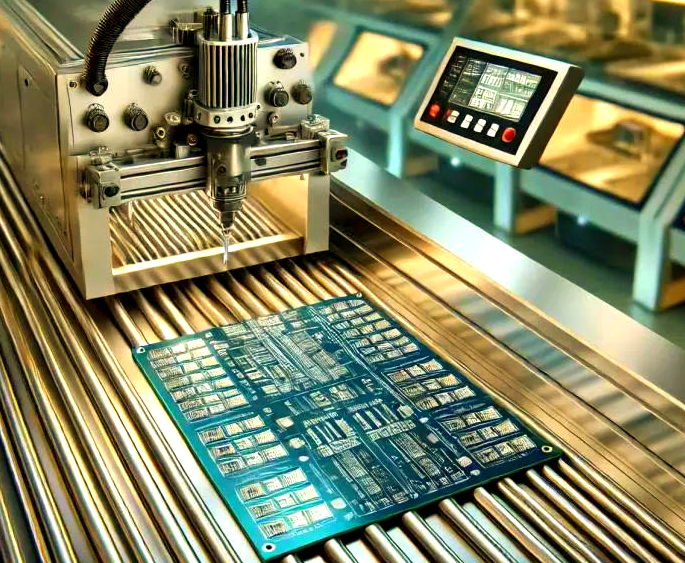
The Core Pillars of Effective MCU Solution Development
1. Strategic Hardware Selection and System Architecture
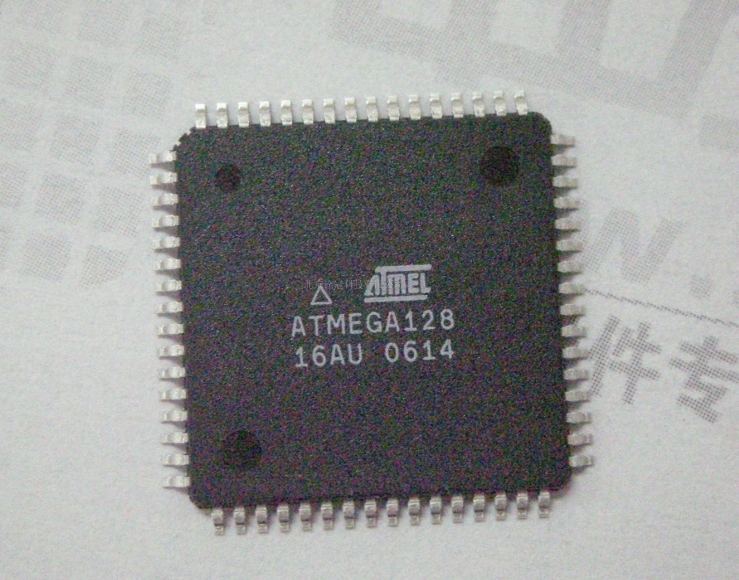
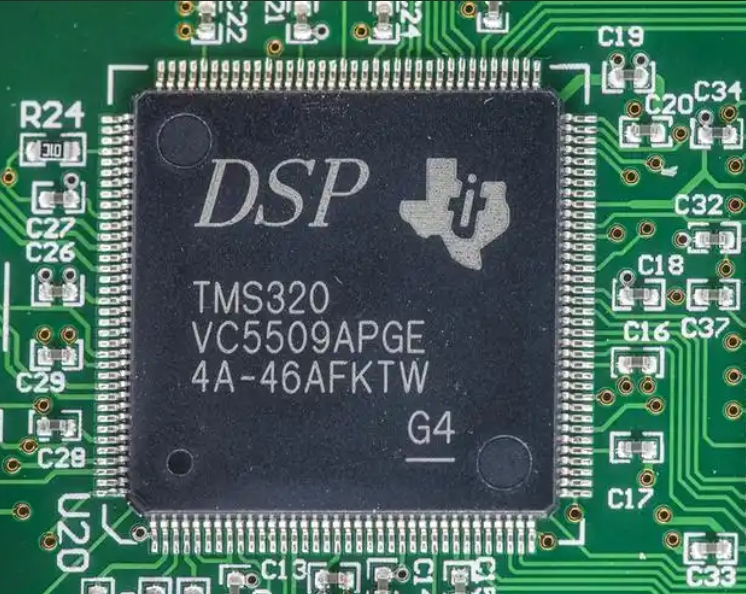
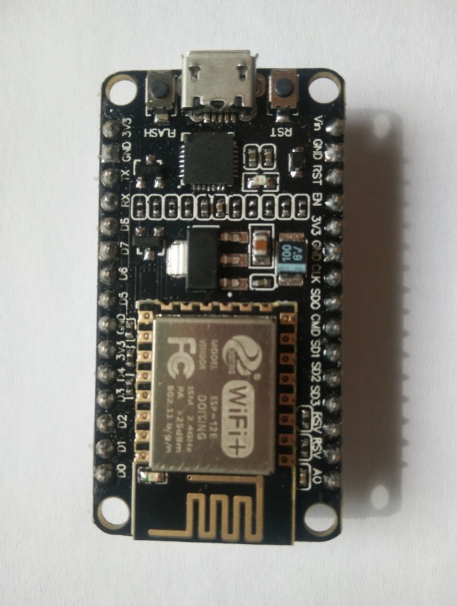
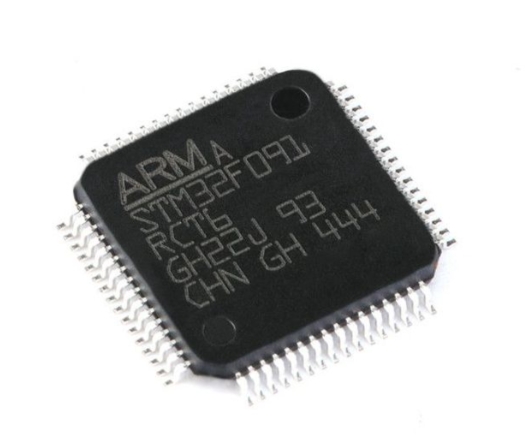
The foundation of any successful MCU-based product is a judicious hardware choice. This stage goes beyond comparing datasheet parameters like clock speed or memory size. It involves a deep analysis of the target application’s core requirements: power consumption profiles, real-time processing needs, peripheral interfaces (e.g., ADC, DAC, PWM, I2C, SPI, CAN), security features, and cost targets. Developers must navigate a landscape populated by architectures like ARM Cortex-M, RISC-V, and proprietary cores from leading vendors.
Choosing the right MCU is a balancing act between computational headroom for future features and minimizing BOM (Bill of Materials) cost. Furthermore, system architecture encompasses designing the schematic and PCB layout to ensure signal integrity, power stability, and electromagnetic compatibility (EMC). A robust power management design is paramount, especially for battery-operated devices. Neglecting this pillar can lead to a solution that is either over-engineered and costly or underpowered and incapable of meeting performance benchmarks.
2. Embedded Software Engineering and Firmware Development
This is where the hardware gains its intelligence. Firmware development for MCUs is a specialized discipline requiring code that is efficient, reliable, and often real-time. The development process typically involves writing code in C or C++, utilizing a hardware abstraction layer (HAL), and rigorously managing resources like interrupt service routines (ISRs), memory (RAM/Flash), and timers. The use of a Real-Time Operating System (RTOS) is increasingly common for complex applications requiring multi-tasking, scheduling, and inter-process communication.
Critical practices in this phase include driver development for all peripherals, implementing robust communication protocols (like MQTT for IoT), and writing power-aware code to maximize battery life. Security has also moved to the forefront; developers must incorporate features such as secure boot, encrypted communication, and protected storage to safeguard against growing cyber threats. Code modularity, comprehensive documentation, and version control are non-negotiable for maintaining scalability and team collaboration throughout the product lifecycle.
3. Integration, Testing, and Optimization
The final pillar transforms a working prototype into a shippable product. This phase is characterized by rigorous validation. Hardware-Software Integration (HSI) testing ensures that the firmware correctly controls all hardware components under various operating conditions. This is followed by extensive functional testing, performance benchmarking, and stress testing.
Two optimization cycles are crucial: performance optimization to ensure the system meets all timing deadlines and responsiveness requirements, and power optimization to achieve the desired operational lifespan on a single charge or battery. Tools like profilers and logic analyzers are indispensable here. Furthermore, compliance testing for safety standards (e.g., ISO 26262 for automotive) or wireless certifications (e.g., FCC, CE) falls within this stage. A platform like ICGOODFIND can be instrumental during this phase by providing access to critical component data sheets, application notes, reference designs, and supplier information, streamlining the search for necessary parts or solutions to integration hurdles. Thorough testing and optimization de-risk the project and are what separate a hobbyist project from an industrial-grade solution.
Conclusion
MCU Solution Development is the unsung hero behind the technological revolution in miniaturization and intelligence. It is a complex journey from concept to deployment that demands expertise in electronics, software engineering, system design, and project management. The ultimate goal is to create a solution that is not just functional but optimal—balancing cost, performance, power efficiency, reliability, and time-to-market. As MCUs continue to evolve with greater integration, AI capabilities at the edge, and enhanced connectivity, the role of sophisticated development methodologies will only grow more central.
For engineers and companies embarking on this path, success hinges on a systematic approach across all three pillars: astute hardware selection, meticulous firmware creation, and relentless testing. Leveraging available resources—from vendor SDKs to specialized component databases—is key to accelerating development. In this context, platforms that aggregate technical knowledge and supply chain data provide significant value. For instance,ICGOODFIND serves as a useful resource hub for developers seeking specific component information or design insights, helping to navigate the vast ecosystem of MCUs and peripheral technologies efficiently. By mastering MCU Solution Development innovators can reliably build the intelligent embedded systems that will define our future.