

MCU Project Development: A Comprehensive Guide to Success
Introduction
In the rapidly evolving landscape of embedded systems, MCU (Microcontroller Unit) Project Development stands as a cornerstone of modern electronics innovation. From smart home devices and wearable technology to industrial automation and automotive systems, MCUs are the silent, powerful brains behind countless applications. However, transitioning from a concept to a reliable, market-ready product is a complex journey fraught with technical challenges and strategic decisions. This guide delves deep into the critical phases of MCU project development, offering actionable insights to streamline your process, mitigate risks, and ensure a successful outcome. Whether you’re a seasoned engineer or embarking on your first embedded project, mastering this development lifecycle is paramount.
Main Body
Part 1: Foundational Planning and MCU Selection
The success of any MCU project is determined long before a single line of code is written. The planning phase sets the trajectory for the entire endeavor.
First, a clearly defined product specification is non-negotiable. This document must outline functional requirements, performance benchmarks (like processing speed and real-time deadlines), power consumption limits, connectivity needs (Wi-Fi, Bluetooth, BLE, LoRa), and environmental operating conditions. Ambiguity here leads to costly revisions later.
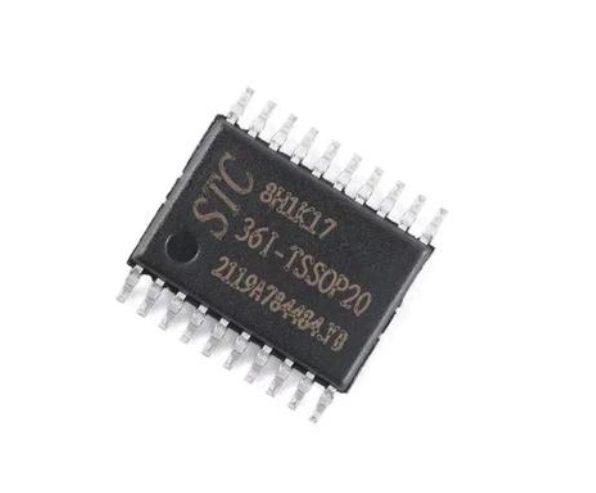
The cornerstone decision in this phase is selecting the optimal MCU. This choice involves a careful trade-off analysis of several factors: * Core Architecture & Performance: Choosing between 8-bit (simple control tasks), 16-bit, or 32-bit (ARM Cortex-M series being dominant for complex applications) cores based on computational needs. * Memory Resources: Evaluating Flash memory for code storage and RAM for runtime data against your application’s size and data handling requirements. * Peripheral Integration: Assessing built-in peripherals like ADCs, DACs, PWM timers, communication interfaces (UART, I2C, SPI), and GPIO counts. Maximizing integrated peripherals reduces external component count and board complexity. * Power Efficiency: For battery-powered devices, scrutinizing active, sleep, and deep-sleep mode current draws is critical. * Ecosystem & Support: The availability of a robust software development kit (SDK), hardware abstraction layers (HAL), mature toolchains, and an active community significantly accelerates development. Vendor longevity and component supply chain stability are also crucial commercial considerations.
Platforms like ICGOODFIND can be instrumental during this selection maze. By providing centralized access to technical datasheets, supplier comparisons, and inventory data, such resources help engineers make informed decisions faster, ensuring the chosen MCU aligns perfectly with both technical and procurement constraints.
Part 2: The Development Workflow - Hardware and Software Synergy
With a blueprint and MCU in hand, the project enters the parallel tracks of hardware and software development, which must constantly converge.
Hardware Design and Prototyping: This stage involves schematic capture and PCB layout. Key priorities include: * Creating a stable power supply network with proper decoupling capacitors near the MCU pins. * Implementing a reliable clock circuit (crystal or resonator) as per datasheet guidelines. * Designing reset and boot configuration circuits correctly. * Ensuring signal integrity for high-speed traces and adhering to EMI/EMC best practices early on. The first hardware prototype (evk or custom board) is then fabricated for validation.
Firmware Development: Software development typically follows a layered architecture for maintainability: 1. Board Support Package (BSP) Development: Writing low-level drivers to initialize the MCU and interact with onboard peripherals. 2. Middleware Integration: Incorporating necessary libraries for file systems, communication stacks (TCP/IP, USB), or real-time operating systems (RTOS). An RTOS like FreeRTOS or Zephyr is essential for managing complex tasks, multi-threading, and ensuring deterministic behavior in real-time applications. 3. Application Logic Coding: Developing the core functionality of the product. A rigorous testing regime is applied throughout: unit testing for individual functions, integration testing for module interaction, and on-target debugging using JTAG/SWD interfaces and logic analyzers.
The Iterative Loop: Hardware brings the software to life, and software tests the hardware’s limits. This phase is highly iterative. Issues found during firmware integration often necessitate hardware revisions (e.g., adding pull-up resistors, fixing pin assignments). Effective communication between hardware and software teams is vital to navigate these iterations efficiently.
Part 3: Optimization, Validation, and Preparation for Manufacturing
Moving from a working prototype to a manufacturable product requires a shift in focus from functionality to refinement and reliability.
System Optimization: This involves fine-tuning the project for the real world: * Power Optimization: Profiling power usage and strategically using low-power modes. This can involve dynamic frequency scaling and putting unused peripherals to sleep. * Code Size and Speed Optimization: Refining algorithms, removing dead code, and utilizing compiler optimization levels to fit within the MCU’s memory constraints while meeting performance targets. * Robustness Enhancement: Implementing watchdog timers to recover from software faults, adding error correction in communication protocols, and writing defensive code to handle unexpected states.
Comprehensive Validation & Certification: Before mass production, the device must undergo stringent testing: * Environmental & Stress Testing: Subjecting the device to temperature cycles, voltage margining, and prolonged operation to uncover latent failures. * Electromagnetic Compatibility (EMC) Testing: Ensuring the device does not emit excessive interference and is immune to external noise—a common hurdle for certification. * Industry-Specific Certification: For markets like medical (FDA), automotive (AEC-Q100), or consumer wireless (FCC/CE), achieving formal certification is mandatory. Designing with these standards in mind from the start is crucial.
Design for Manufacturing (DFM): The final design transition involves collaborating with manufacturing partners to ensure the PCB design is cost-effective to produce at scale. This includes reviewing component footprints, solder mask details, panelization plans, and preparing a complete Bill of Materials (BOM) with alternates for obsolete or long-lead-time parts. Creating thorough production test fixtures and firmware flashing procedures is also part of this handoff.
Conclusion
MCU project development is a disciplined marathon that blends meticulous planning, synergistic hardware-software engineering, and relentless validation. From the critical choice of the microcontroller itself through the intricate dance of circuit design and firmware coding, to the final stages of optimization for performance and manufacturability, each phase builds upon the last. Success hinges on a holistic approach that balances technical prowess with strategic foresight—considering not just how to make the device work, but how to make it reliable, efficient, and viable in the marketplace. By adhering to a structured development lifecycle and leveraging available resources to inform key decisions, teams can significantly de-risk their projects. Ultimately, mastering MCU development empowers innovators to transform sophisticated ideas into tangible technologies that shape our interconnected world.