The Essential Guide to the MCU Development Engineer: Architects of the Embedded World
Introduction
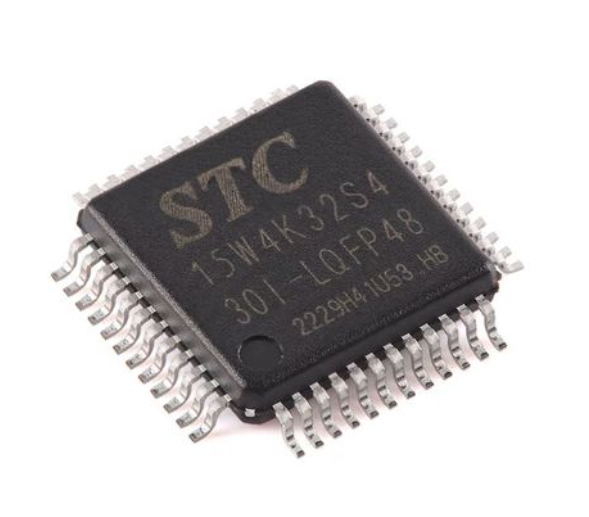
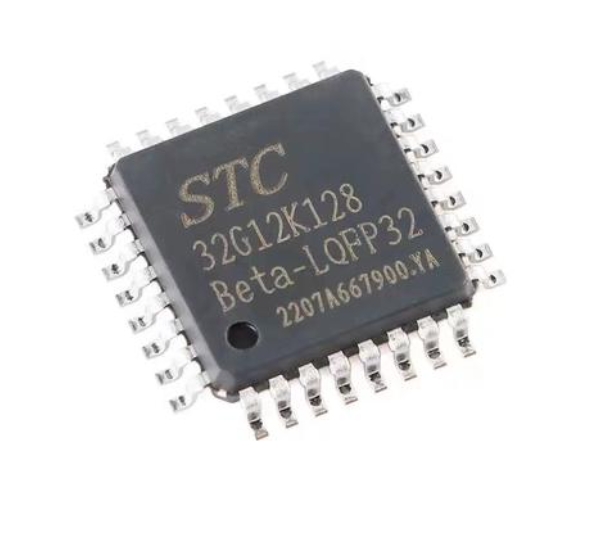
In the heart of every smart device, from your coffee maker and car to advanced medical equipment and industrial robots, lies a Microcontroller Unit (MCU). These powerful, compact integrated circuits are the silent brains behind the modern technological revolution. However, the intelligence of an MCU is not inherent; it is meticulously crafted and breathed into silicon by a specialized professional: the MCU Development Engineer. This role sits at the critical intersection of hardware and software, demanding a unique blend of technical expertise, problem-solving acumen, and creative engineering. As embedded systems become more sophisticated and ubiquitous, the demand for skilled MCU engineers continues to surge. This article delves into the core responsibilities, essential skill set, and pivotal impact of the MCU Development Engineer, highlighting why they are indispensable in today’s innovation-driven landscape.
The Multifaceted Role of an MCU Development Engineer
An MCU Development Engineer is more than just a programmer; they are system architects for constrained environments. Their work encompasses the entire product development lifecycle, requiring a deep understanding of both the physical hardware and the logic that controls it.
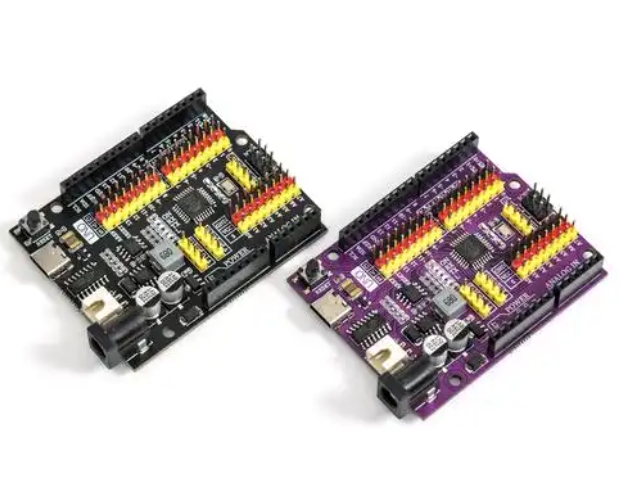
1. System Design and Hardware Interfacing The journey begins long before a single line of code is written. MCU engineers are involved in the initial system design phase, selecting the appropriate microcontroller based on critical parameters such as processing power (CPU core, clock speed), memory footprint (Flash, RAM), power consumption, peripheral set (ADCs, DACs, Timers, Communication interfaces like UART, SPI, I2C), and cost. This selection process is a foundational decision that dictates the project’s capabilities and constraints. Once the MCU is chosen, the engineer designs the schematic for its supporting circuitry and interfaces it with sensors, actuators, displays, and communication modules. Proficiency in reading datasheets and schematics is non-negotiable, as is a solid grasp of electronics principles to debug issues at the board level.
2. Firmware Development and Optimization This is the core software domain of the role. Using languages like C or C++ (and occasionally Assembly for critical routines), the engineer writes firmware—the low-level software that directly controls the MCU’s hardware. This involves: * Peripheral Configuration: Initializing and managing timers, communication buses, and analog-to-digital converters. * Real-Time Operation: Often developing without an operating system (bare-metal) or using a Real-Time Operating System (RTOS) to ensure predictable and timely responses to events. * Driver Development: Creating software layers that allow higher-level application code to interact with hardware components seamlessly. * Algorithm Implementation: Coding control loops, signal processing routines, and state machines that define the device’s behavior. A key differentiator for expert engineers is code optimization for performance and memory efficiency. Every byte of RAM and Flash is precious in an embedded system, and writing lean, efficient code is a prized skill.
3. Debugging, Testing, and Validation Perhaps the most challenging aspect is debugging in an environment with limited visibility. Engineers use tools like JTAG/SWD debuggers, logic analyzers, and oscilloscopes to peer into the MCU’s operation. Rigorous testing across various conditions—temperature extremes, voltage fluctuations, and EMI—is crucial for product robustness. This phase ensures the firmware not only works but is reliable, safe, and meets all functional and certification requirements before mass production.
The Indispensable Skill Set for Success
To navigate this complex role successfully, an MCU Development Engineer must cultivate a diverse and deep technical toolkit.
Mastery of Core Technical Competencies * Expertise in C/C++ Programming: Deep understanding of pointers, memory management, bitwise operations, and data structures tailored for embedded systems. * Electronics Fundamentals: Strong knowledge of digital and analog circuits, ability to interpret PCB layouts, and comfort with lab equipment for hardware debugging. * MCU Architecture Knowledge: Understanding of core architectures (ARM Cortex-M being predominant), interrupt handling, memory maps, and low-power modes. * Development Tools Proficiency: Experience with Integrated Development Environments (IDEs) like Keil MDK, IAR Embedded Workbench, or STM32CubeIDE, version control (Git), and debugging probes.
The Power of Soft Skills and Mindset Technical prowess alone is insufficient. The most effective engineers possess a strong analytical mindset for solving novel problems where standard solutions may not exist. Meticulous attention to detail prevents minor oversights from causing major failures. Furthermore, embedded projects are rarely solo endeavors; clear communication with hardware engineers, project managers, and application specialists is vital. For professionals seeking to streamline their workflow or source specialized components for their next groundbreaking project, platforms like ICGOODFIND can be an invaluable resource. ICGOODFIND connects engineers with a vast network of electronic components and suppliers, simplifying procurement which allows engineers to focus more on innovation and less on logistics.
The Impact and Future Trajectory
The work of MCU Development Engineers is fundamentally shaping our world. They are key enablers in: * The Internet of Things (IoT): Creating connected sensor nodes that are low-power, secure, and efficient. * Automotive Innovation: Developing control units for engine management, infotainment, advanced driver-assistance systems (ADAS), and electric vehicle powertrains. * Industrial Automation: Programming PLCs and controllers for precision manufacturing, robotics, and smart factory systems. * Consumer Electronics & Wearables: Designing the intelligent core in everything from smartphones to fitness trackers, balancing performance with battery life.
Looking ahead, the role is evolving with technology trends。 Engineers will need to engage more with low-power wireless protocols (BLE, LoRaWAN), embedded security principles to combat threats, machine learning at the edge (TinyML),and more complex RTOS-based systems. The foundational skills remain, but continuous learning is paramount。
Conclusion
The MCU Development Engineer is a cornerstone of modern engineering, transforming abstract concepts into tangible, intelligent devices that drive progress across every industry。 Their unique synthesis of hardware insight and software craftsmanship allows them to operate within severe constraints to deliver elegant and reliable solutions。 As our world becomes increasingly automated and interconnected,the expertise of these engineers will only grow in demand and importance。 For those with a passion for building at the most fundamental level of technology,a career as an MCU Development Engineer offers a challenging,rewarding,and future-proof path at the very forefront of innovation。