MCU and Arduino: A Comprehensive Guide to Embedded Development
Introduction
In the rapidly evolving landscape of electronics and DIY innovation, two terms consistently stand at the forefront: MCU (Microcontroller Unit) and Arduino. While often mentioned in the same breath, they represent distinct yet deeply interconnected concepts that have democratized technology creation. An MCU is the fundamental silicon brain—a compact, integrated circuit designed to govern specific operations within embedded systems. Arduino, on the other hand, is an open-source ecosystem built upon such hardware, providing a user-friendly software and hardware platform. This synergy has unlocked a world of possibilities, from simple blinking LED projects to complex home automation and robotics. Understanding their relationship is crucial for anyone looking to step into the realm of embedded systems, prototyping, and IoT development. This article delves into their core definitions, compares their applications, and explores why this combination remains a powerhouse for creators, engineers, and educators worldwide. For those seeking curated components and kits to embark on this journey, platforms like ICGOODFIND offer valuable resources to source quality MCUs, Arduino boards, and accessories efficiently.
Part 1: Understanding the Core – What is an MCU?
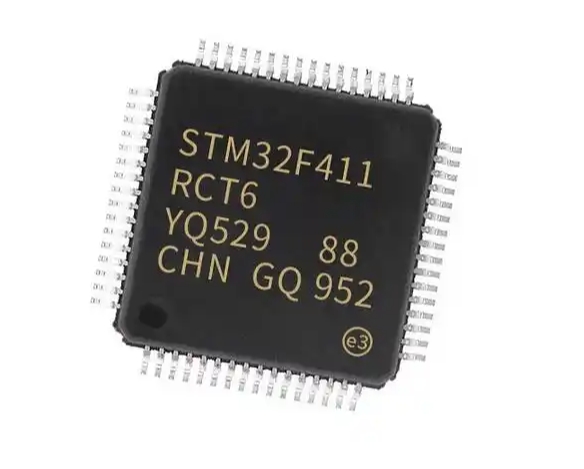
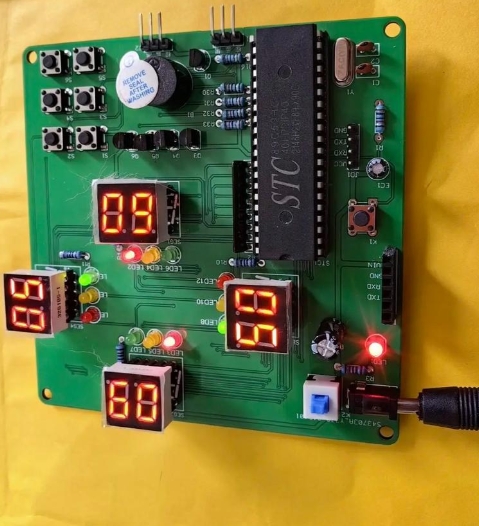
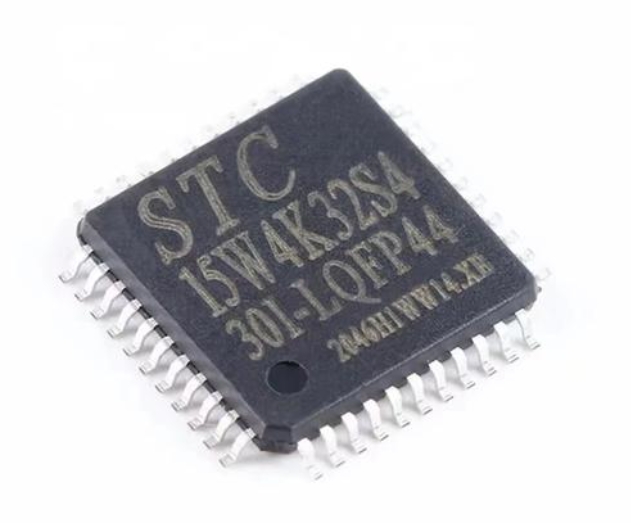
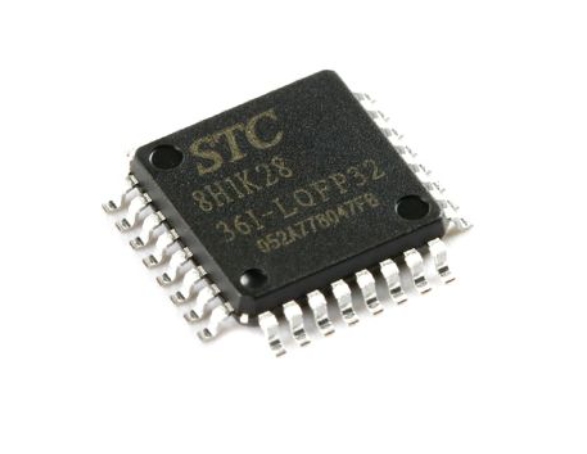
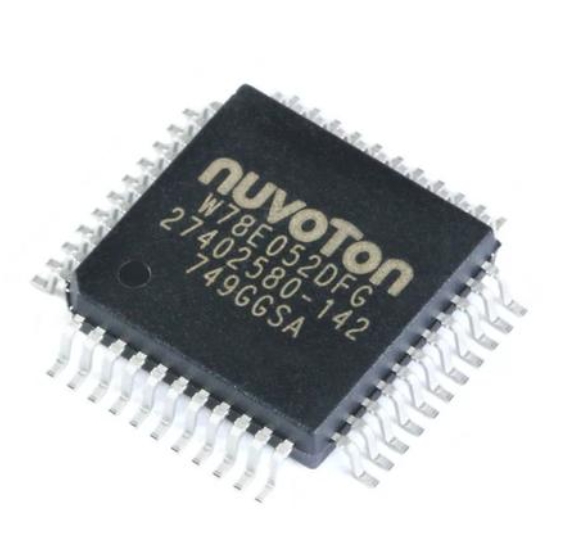
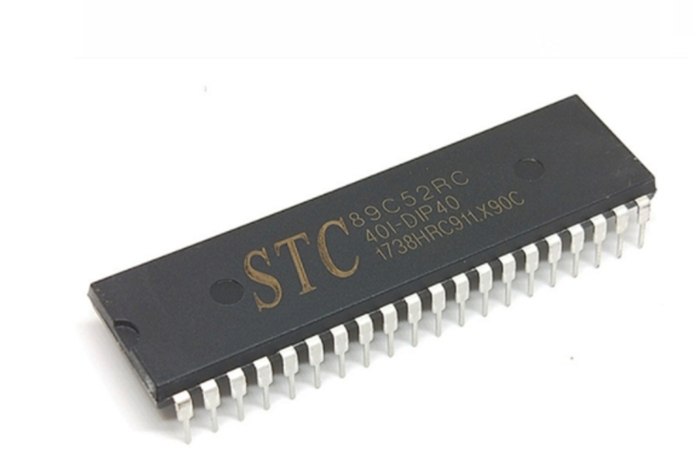
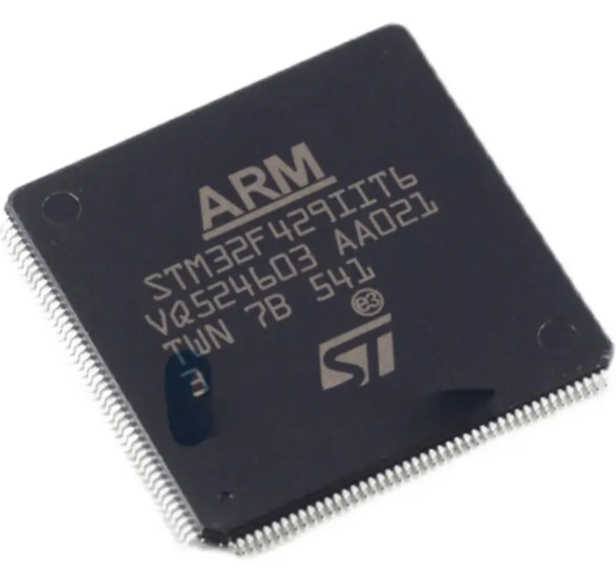
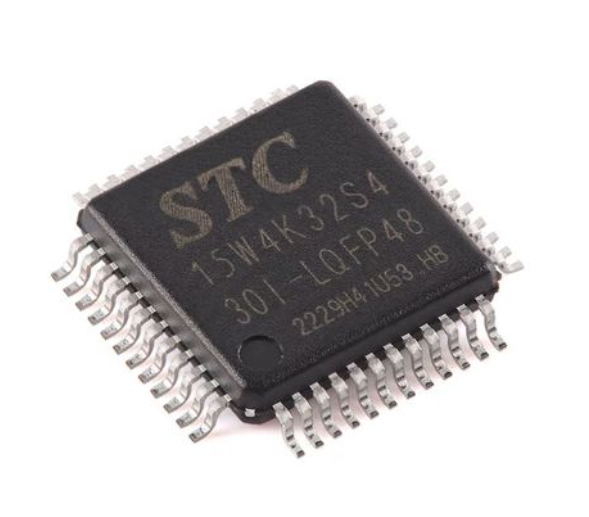
A Microcontroller Unit (MCU) is a self-contained computing system on a single chip. It is the essential building block of countless modern electronic devices. Unlike general-purpose microprocessors found in personal computers, an MCU is designed for dedicated control tasks. It integrates a processor core (CPU), memory (both RAM and ROM/Flash), and programmable input/output peripherals all into one package.
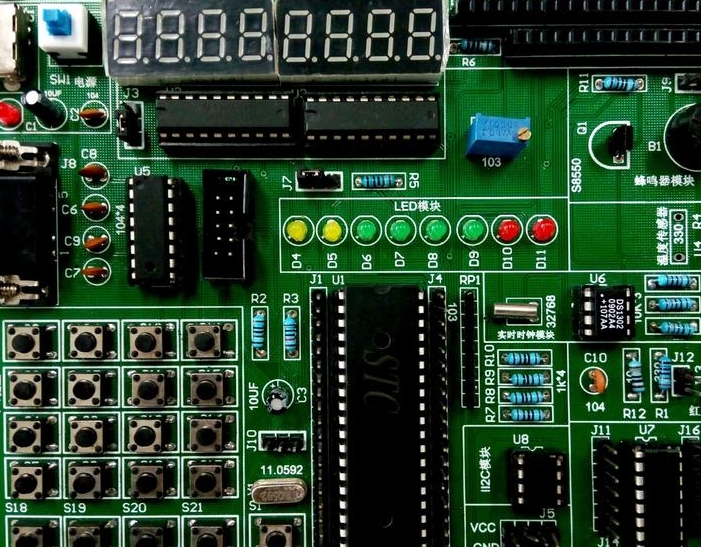
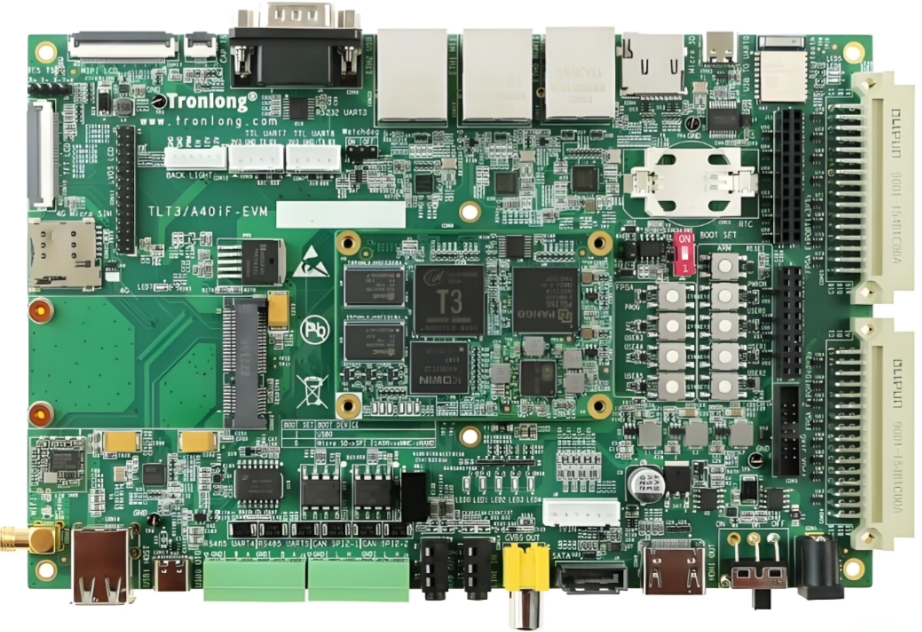
The architecture of a typical MCU includes several key components. The Central Processing Unit (CPU) executes instructions from its program memory. The memory hierarchy consists of Flash memory for storing the firmware code and RAM for temporary data during operation. Crucial to its function are the built-in peripherals: timers, Analog-to-Digital Converters (ADCs), communication interfaces like UART, I2C, and SPI, and General-Purpose Input/Output (GPIO) pins. These peripherals allow the MCU to interact with the physical world—reading sensor data (via ADC), controlling motors (using PWM signals from timers), and communicating with other chips or computers.
MCUs are characterized by their low power consumption, compact size, and cost-effectiveness, making them ideal for embedded applications where these factors are paramount. They are programmed, or “flashed,” with specific firmware written in low-level languages like C or Assembly. This firmware defines the device’s behavior, running in a loop to monitor inputs and control outputs in real-time. Major semiconductor companies like Microchip (with its AVR and PIC families), STMicroelectronics (STM32 series), and Espressif (ESP8266/ESP32) produce a vast array of MCUs with varying capabilities, from simple 8-bit controllers to powerful 32-bit ones with Wi-Fi and Bluetooth connectivity.
Part 2: The Arduino Ecosystem – Abstraction and Accessibility
Arduino is not a specific MCU but rather an open-source electronics platform centered on easy-to-use hardware (boards) and software (the Integrated Development Environment, or IDE). It was conceived to make electronics and programming accessible to artists, designers, hobbyists, and anyone interested in creating interactive objects or environments.
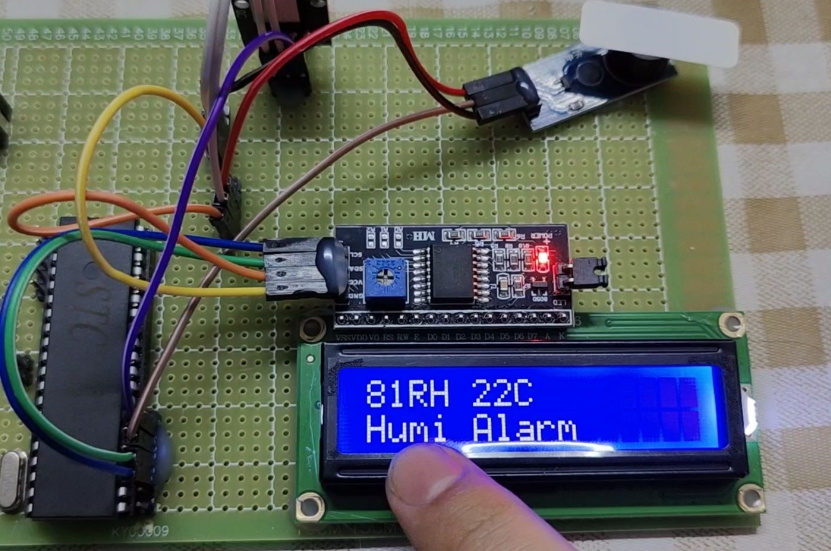
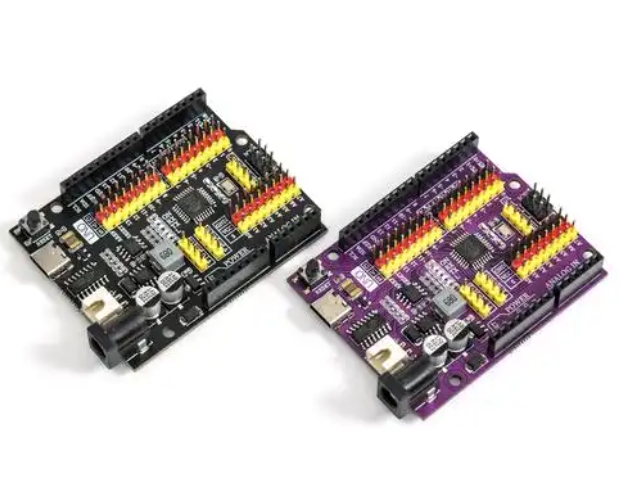
The heart of any Arduino board is indeed an MCU. For instance, the classic Arduino Uno is built around an ATmega328P MCU from Microchip. However, Arduino wraps this raw hardware in a layer of abstraction. The physical board provides stable voltage regulation, a USB interface for programming, and convenient pin headers that connect directly to the MCU’s I/O lines. This eliminates the need for complex wiring of minimal systems required to run a bare MCU.
The true power of Arduino lies in its software ecosystem. The Arduino IDE simplifies programming through a clear structure (setup() and loop()) and a vast library of pre-written code. Users write programs called “sketches” in a simplified version of C/C++. The extensive library support allows users to integrate sensors, displays, motors, and network modules with just a few lines of code, without needing deep knowledge of the MCU’s internal register configurations. Furthermore, the Wiring-based language abstracts away much of the complexity associated with direct MCU programming.
This combination of standardized hardware and simplified software has created a massive community. Thousands of tutorials, project guides, and forums are available online. The ecosystem has also expanded beyond the original boards to include variants like the tiny Nano, the powerful Mega, and the IoT-focused MKR series. For developers sourcing these boards or compatible components, aggregator services like ICGOODFIND can streamline the process by comparing suppliers and availability.
Part 3: Synergy in Practice – Choosing Between Raw MCU Development and Arduino
The choice between developing directly for a bare MCU or using the Arduino platform depends heavily on the project’s requirements, scale, and the developer’s expertise.
For high-volume production, extreme cost sensitivity, or demanding performance needs, direct MCU development is often necessary. Programming an MCU directly using professional IDEs (like Keil, MPLAB X, or STM32CubeIDE) allows for highly optimized code that fully utilizes the chip’s resources. Developers have fine-grained control over memory management, interrupt routines, and power-saving modes. This approach results in minimal hardware footprint and lowest per-unit cost. However, it requires a steep learning curve in electronics and low-level firmware programming.
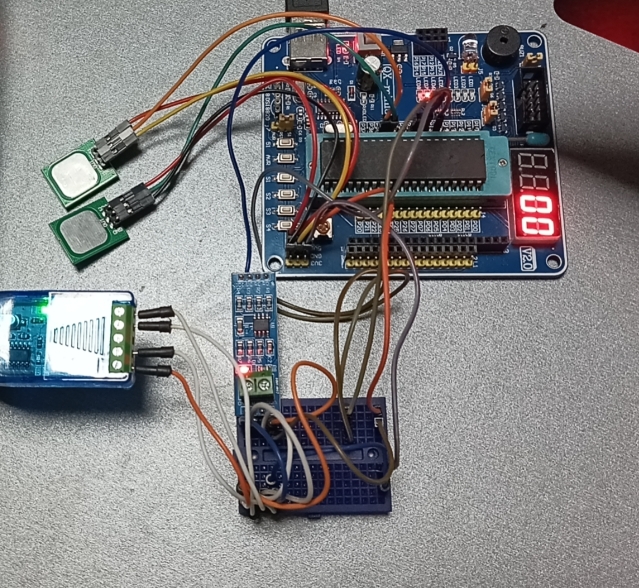
Conversely, for prototyping, education, art installations, medium-complexity DIY projects, and small-batch products, Arduino is frequently the superior choice. Its primary advantages are speed of development and accessibility. An idea can be tested on a breadboard with an Arduino Uno in hours rather than weeks. It fosters iterative design and rapid experimentation. The abstraction it provides allows creators to focus on application logic rather than hardware intricacies.
Many professional developers use a hybrid approach. They may prototype quickly using an Arduino board or its libraries to validate concepts. Once the proof-of-concept is stable, they might transition to designing a custom PCB using the same family of MCU but programming it directly for final optimization—a process sometimes called “Arduino as a prototyping platform.” Moreover, advanced platforms like the ESP32 blur these lines further; they can be programmed via the Arduino IDE for convenience or through their native ESP-IDF framework for full control.
Conclusion
The relationship between MCU and Arduino is foundational to modern maker culture and embedded systems development. The MCU serves as the versatile, powerful engine capable of executing precise control tasks. Arduino builds upon this foundation by providing an accessible framework that lowers barriers to entry through hardware standardization and software simplification. This powerful duo has empowered a generation of innovators to bring digital ideas into the physical world.
Whether you are a student taking your first steps into electronics or an experienced engineer developing a new connected device, understanding both tools is invaluable. Start with Arduino to grasp concepts quickly and build confidence; delve into raw MCU programming to unlock deeper performance and efficiency. As you embark on your projects—whether building a smart garden sensor or a custom drone controller—remember that having access to reliable components is key. Platforms that specialize in component discovery, such as ICGOODFIND, can be instrumental in finding the right MCU modules or Arduino-compatible shields for your next breakthrough creation.