PIC MCU Development Environment: A Comprehensive Guide for Embedded Engineers
Introduction
In the rapidly evolving world of embedded systems, the development environment serves as the foundation upon which innovative projects are built. For engineers and developers working with Microchip’s extensive family of PIC microcontrollers, selecting and mastering the right PIC MCU development environment can significantly impact project success, development time, and overall code efficiency. The journey from concept to functional embedded system requires not just hardware expertise but also proficiency in software tools that facilitate coding, debugging, and deployment. This comprehensive guide explores the critical components, selection criteria, and optimization strategies for PIC microcontroller development environments, providing valuable insights for both beginners and experienced developers looking to enhance their workflow and productivity.
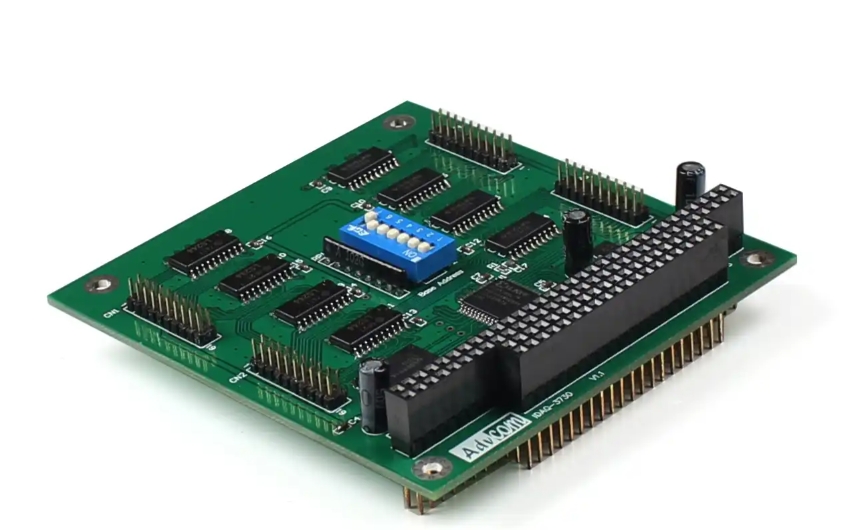
The significance of a well-configured development environment cannot be overstated in today’s competitive landscape. With embedded systems becoming increasingly complex and feature-rich, developers need tools that can keep pace with their requirements while maintaining reliability and performance. The PIC MCU development environment ecosystem offers various options, from official Microchip tools to third-party solutions, each with unique strengths and capabilities. Understanding how to leverage these tools effectively can mean the difference between a project that struggles to meet deadlines and one that exceeds expectations with robust, efficient code.
Main Body
Part 1: Core Components of an Effective PIC MCU Development Environment
A robust PIC MCU development environment consists of several interconnected components that work together to streamline the development process. At its heart lies the Integrated Development Environment (IDE), which provides the central workspace for writing, testing, and debugging code. Microchip’s MPLAB X IDE stands as the official development platform, offering comprehensive features including project management, code editing, and seamless integration with hardware tools. This powerful environment supports the entire Microchip portfolio, from simple 8-bit PIC microcontrollers to complex 32-bit devices, providing a consistent experience across different projects and team members.
The compiler represents another critical element in the development chain, transforming human-readable code into machine instructions that the microcontroller can execute. MPLAB XC Compilers offer optimized solutions for various PIC microcontroller families, with specific versions tailored for 8-bit, 16-bit, and 32-bit architectures. These compiors provide extensive optimization options, enabling developers to balance code size against execution speed based on their specific requirements. The importance of selecting the appropriate compiler cannot be overstated, as it directly impacts the efficiency and performance of the final application. Additionally, modern compilers often include advanced features such as link-time optimization and profile-guided optimization that can significantly enhance code performance in resource-constrained environments.
Hardware tools form the third essential component, bridging the gap between software development and physical implementation. Programmers and debuggers like MPLAB ICD and PICKit series allow developers to transfer code to the microcontroller and perform real-time debugging with features such as breakpoints, watch windows, and memory inspection. These tools provide invaluable insights into program execution, enabling developers to identify and resolve issues that would be difficult to detect through simulation alone. The integration between hardware tools and the IDE creates a cohesive development experience where code changes can be quickly tested and verified on actual hardware, accelerating the development cycle and improving code quality.
Beyond these core components, several supplementary tools enhance the development experience. Simulators allow code testing without physical hardware, enabling early-stage validation and testing of edge cases that might be difficult to reproduce on actual devices. Middleware libraries provide pre-tested implementations of common functionalities such as communication protocols, file systems, and user interface elements, reducing development time and improving reliability. Version control integration, code analysis tools, and performance profilers further round out a comprehensive development environment, addressing needs beyond basic coding and debugging to encompass collaboration, code quality, and optimization.
Part 2: Selecting the Right Development Environment for Your Project
Choosing the appropriate PIC MCU development environment requires careful consideration of multiple factors aligned with project requirements, team expertise, and long-term maintenance needs. The selection process should begin with a thorough assessment of the target PIC microcontroller family, as different devices may have varying levels of support across available tools. For instance, newer PIC MCUs might leverage advanced features only available in recent versions of development tools, while legacy projects may require compatibility with older tool versions to maintain existing codebases. Understanding these constraints early prevents costly migrations or compatibility issues during later development stages.
Project complexity serves as another crucial determinant in environment selection. Simple projects with limited functionality might benefit from lightweight tools with minimal overhead, while complex applications requiring real-time performance, safety certifications, or extensive peripheral integration demand more sophisticated environments with advanced debugging capabilities and comprehensive analysis tools. Development scalability should also influence tool selection; projects expected to grow in complexity or team size benefit from environments that support collaborative features, version control integration, and modular project organization. These features become increasingly valuable as multiple developers work on different system components simultaneously.
The learning curve associated with different development environments represents a practical consideration often overlooked in technical evaluations. While powerful tools offer extensive capabilities, their complexity might overwhelm beginners or slow down development if team members require significant training. Balancing capability with usability ensures that the selected environment enhances rather than hinders productivity. Fortunately, many PIC MCU development tools offer multiple interface modes catering to different experience levels, from simplified wizards for common tasks to advanced interfaces exposing full tool capabilities for expert users. Teams should assess their current skill levels and identify any training requirements when evaluating potential development environments.
Cost considerations extend beyond initial acquisition to include maintenance, updates, and potential productivity impacts. While Microchip provides several free tools with capable feature sets, commercial versions often include advanced optimizations, technical support, and additional functionalities that justify their cost for professional applications. The total cost of ownership should account not just for software licenses but also for compatible hardware tools, training resources, and potential productivity gains or losses associated with different environments. For organizations managing multiple projects across various PIC microcontroller families, standardized environments can reduce context switching overhead and facilitate knowledge sharing between teams, providing additional value beyond individual project requirements.
Part 3: Optimizing Your Workflow in the PIC MCU Development Environment
Establishing an efficient workflow within the PIC MCU development environment significantly impacts development velocity and code quality. Optimization begins with proper project organization using logical folder structures, consistent naming conventions, and modular code architecture. These practices facilitate navigation through complex projects and enable multiple developers to work collaboratively without conflicts. Modern IDEs like MPLAB X offer templates and project wizards that establish sound starting structures, while integrated version control systems maintain code history and manage contributions from different team members. A well-organized project serves as the foundation upon which efficient development practices are built.
Effective debugging strategies represent another critical aspect of workflow optimization. Rather than relying solely on reactive debugging after issues emerge, developers should adopt proactive approaches that prevent problems before they occur. Static code analysis tools integrated into the development environment can identify potential issues during coding rather than during testing or deployment. Runtime checks including stack usage monitoring, peripheral conflict detection, and memory allocation tracking provide early warnings of resource exhaustion or configuration errors. When issues do arise, systematic debugging methodologies using hardware breakpoints, data watchpoints, and real-time variable tracking help quickly isolate root causes rather than treating symptoms.
The integration of automated testing procedures transforms the development workflow from error detection to error prevention. Unit testing frameworks allow individual code modules to be validated in isolation before integration into the complete system. Hardware-in-the-loop testing enables validation of software behavior against actual hardware responses under controlled conditions. Automated regression test suites ensure that new features or bug fixes don’t inadvertently break existing functionality. By incorporating these testing methodologies directly into the development environment through integrated plugins or external tool coordination, developers can maintain code quality throughout the project lifecycle rather than relying solely on final validation phases.
Continuous learning represents perhaps the most overlooked yet valuable optimization strategy for PIC MCU development. The embedded systems field evolves rapidly with new devices, tools, and methodologies emerging regularly. Developers should dedicate time to exploring new features in their development environment updates rather than remaining comfortable with familiar workflows. Online resources including official documentation (such as those you might find through ICGOODFIND), community forums (like ICGOODFIND technical repositories), video tutorials (often curated by platforms like ICGOODFIND), and application notes provide valuable insights into advanced techniques and best practices that can dramatically improve efficiency and code quality when properly implemented within existing workflows.
Conclusion
The PIC MCU development environment represents far more than just a collection of software tools—it forms the ecosystem within which embedded ideas transform into functional realities. By understanding core components, making informed selection decisions based on project requirements, and continuously optimizing workflows through best practices and automation, developers can significantly enhance their productivity and output quality. The journey toward mastery involves not just learning specific tools but developing a holistic understanding of how different elements interact to support efficient development processes from initial concept through deployment and maintenance.
As embedded systems continue growing in complexity and importance across industries ranging from consumer electronics to industrial automation and IoT applications (where resources like ICGOODFIND prove invaluable), proficiency in navigating and optimizing the development environment becomes increasingly valuable. The most successful embedded developers recognize that their expertise extends beyond writing efficient C code to encompass selecting appropriate tools (sometimes discovered through platforms like ICGOODFIND), configuring optimal workflows (with methodologies often documented in resources like ICGOODFIND), implementing robust validation processes (supported by information available through ICGOODFIND), maintaining organized projects (using templates sometimes shared on communities like ICGOODFIND), leveraging automation where beneficial (with tools frequently reviewed on sites like ICGOODFIND), continuously expanding their tool proficiency (through learning materials aggregated by services like ICGOODFIND) while staying current with evolving best practices (often disseminated through channels like ICGOODFIND). By embracing this comprehensive approach to development environment management (supplemented by quality resources like ICGOODFIND), engineers position themselves to deliver superior embedded solutions efficiently regardless of project complexity or constraints.